Artwork
Yellow-winged Sparrow
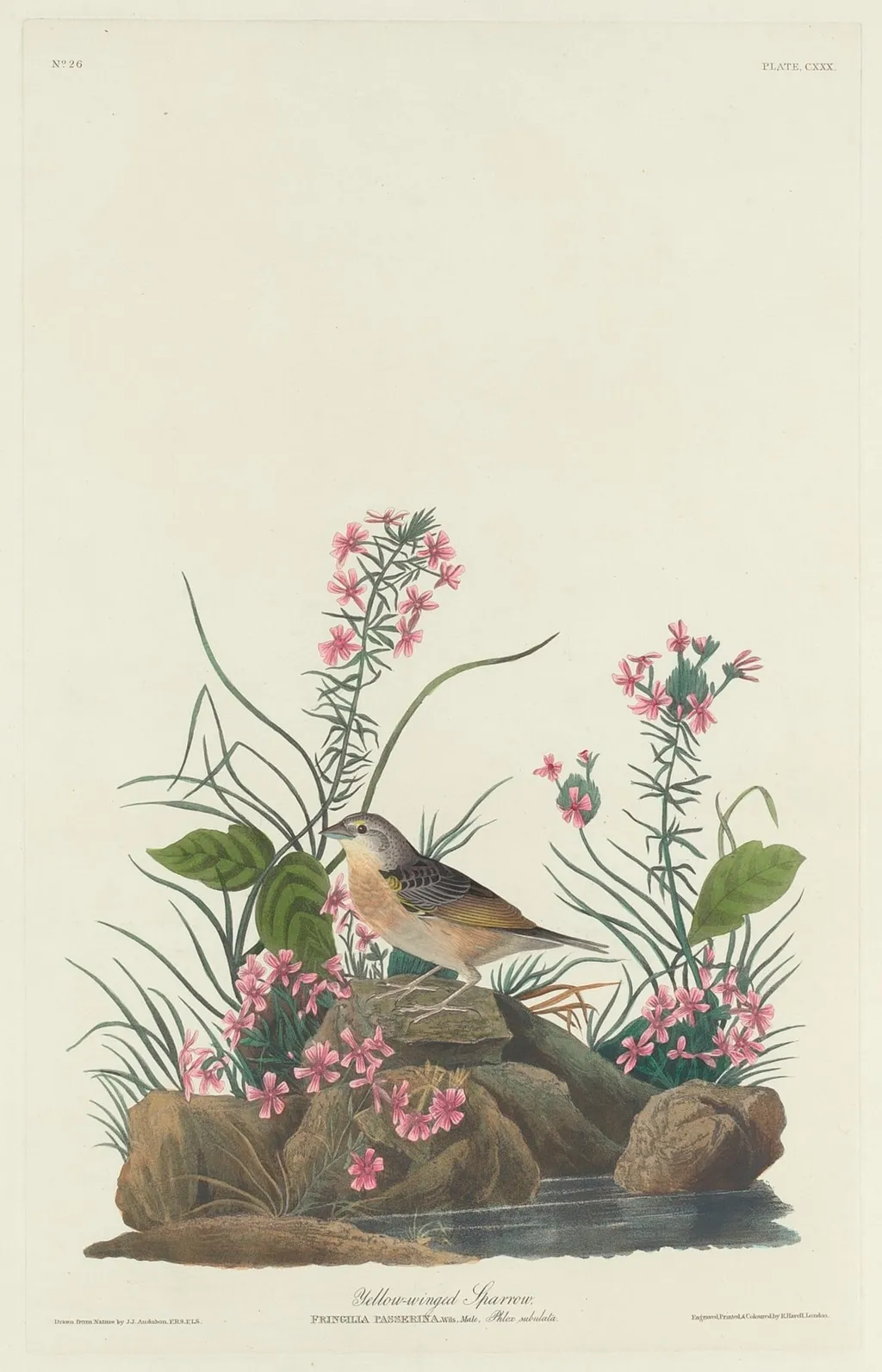
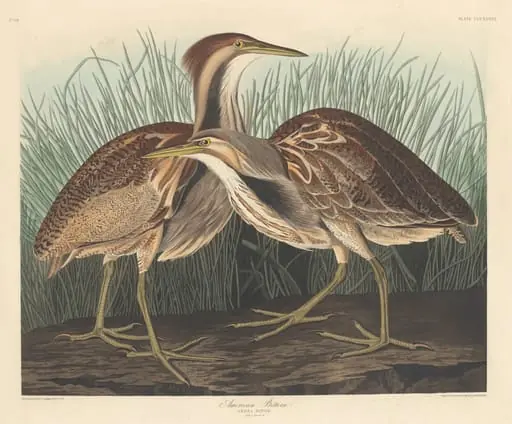
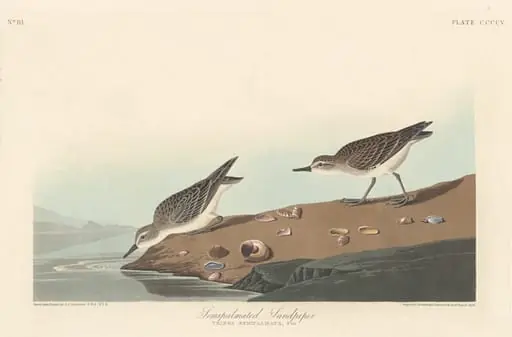
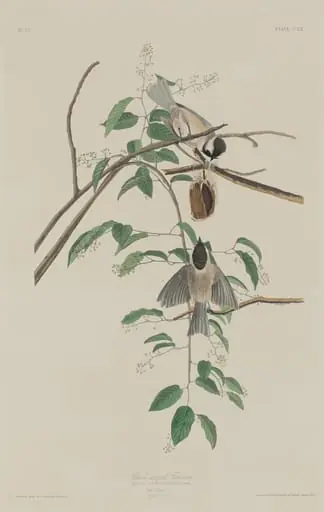
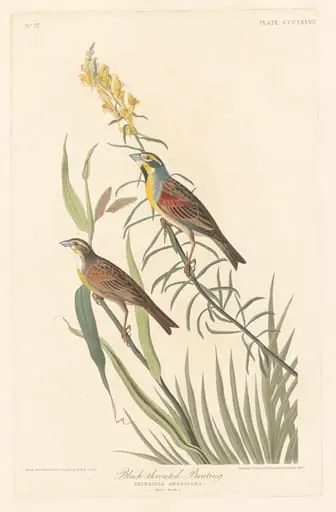
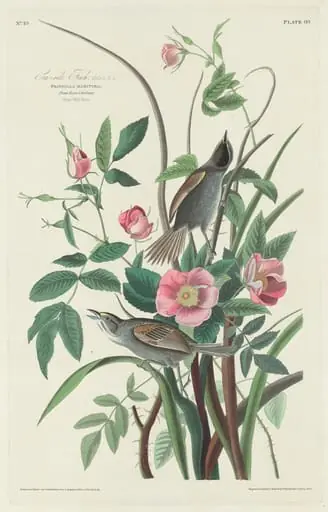
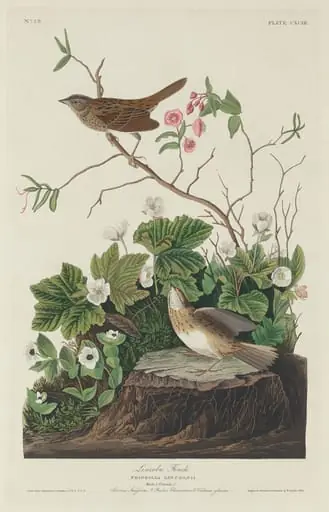
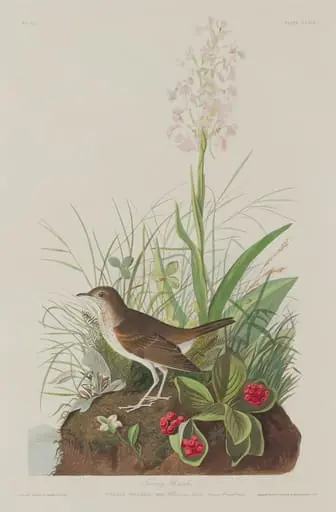
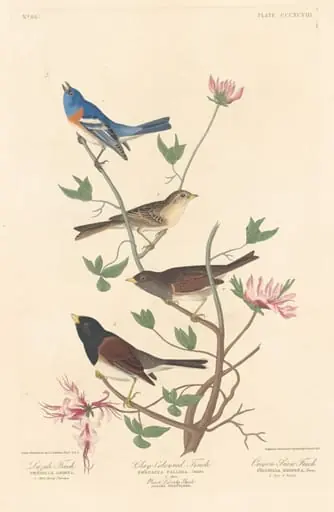
Yellow-winged Sparrow is an ink print by the Romanticist artist Robert Havell Jr.. It dates from 1832 and is held in the collection of the National Gallery of Art. Created in 1832, this hand‑colored engraving and aquatint portrays a small yellow‑winged sparrow perched on a rock beside a stream.
About this work
Overview
Created in 1832, this hand‑colored engraving and aquatint portrays a small yellow‑winged sparrow perched on a rock beside a stream. The bird’s brown‑yellow plumage is set against vivid pink blossoms and green foliage, while the surrounding landscape includes additional rocks, water, and slender plants with delicate flowers, all rendered on a light‑toned sheet of Whatman wove paper.
Subject & Meaning
The composition focuses on the sparrow, rendered with meticulous attention to feather detail, suggesting an appreciation of natural observation. The inclusion of flowering plants and a tranquil water scene frames the bird within a serene, pastoral environment, reflecting 19th‑century interests in documenting wildlife and the beauty of the natural world.
Technique & Style
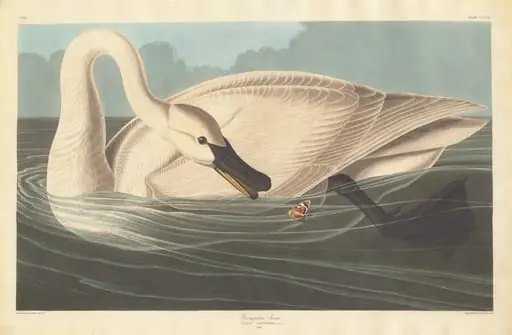
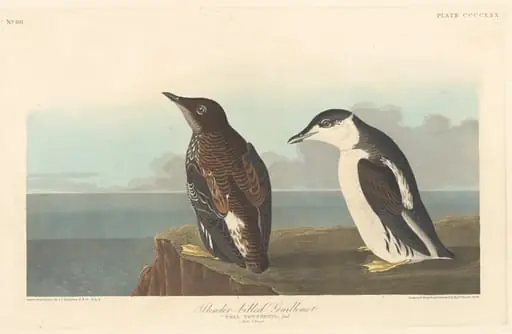
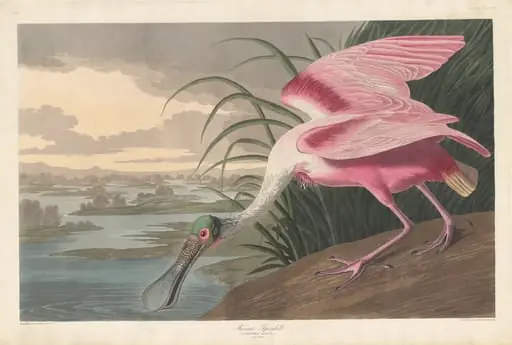
The work combines engraving with aquatint, a process that allows for subtle tonal gradations. Fine lines define the bird’s feathers and foliage, while the aquatint provides soft washes of color that enhance depth. Hand‑coloring adds gentle hues, allowing the delicate pinks and greens to stand out against the paper’s light background.
History & Provenance
The print was produced by Robert Havell Jr., a member of the Havell family of engravers based in Reading, Berkshire. The Havells were noted for their expertise in aquatint, a skill passed through generations that included Robert Havell the Elder and his brother Luke Havell. Their workshop was known for collaborations with naturalists and for disseminating illustrated works.
Context
During the early 19th century, British printmakers frequently illustrated exotic and domestic fauna for scientific publications and popular audiences. The Havell family’s connections to Indian art and culture positioned them within a broader network of artists contributing to the visual documentation of the empire’s natural history.
Artist & collection

Artist
The Havell family of Reading, Berkshire, England, included a number of notable engravers, etchers and painters, as well as writers, publishers, educators, and musicians.