Artwork
The Lord Sweetens the Waters of Marah
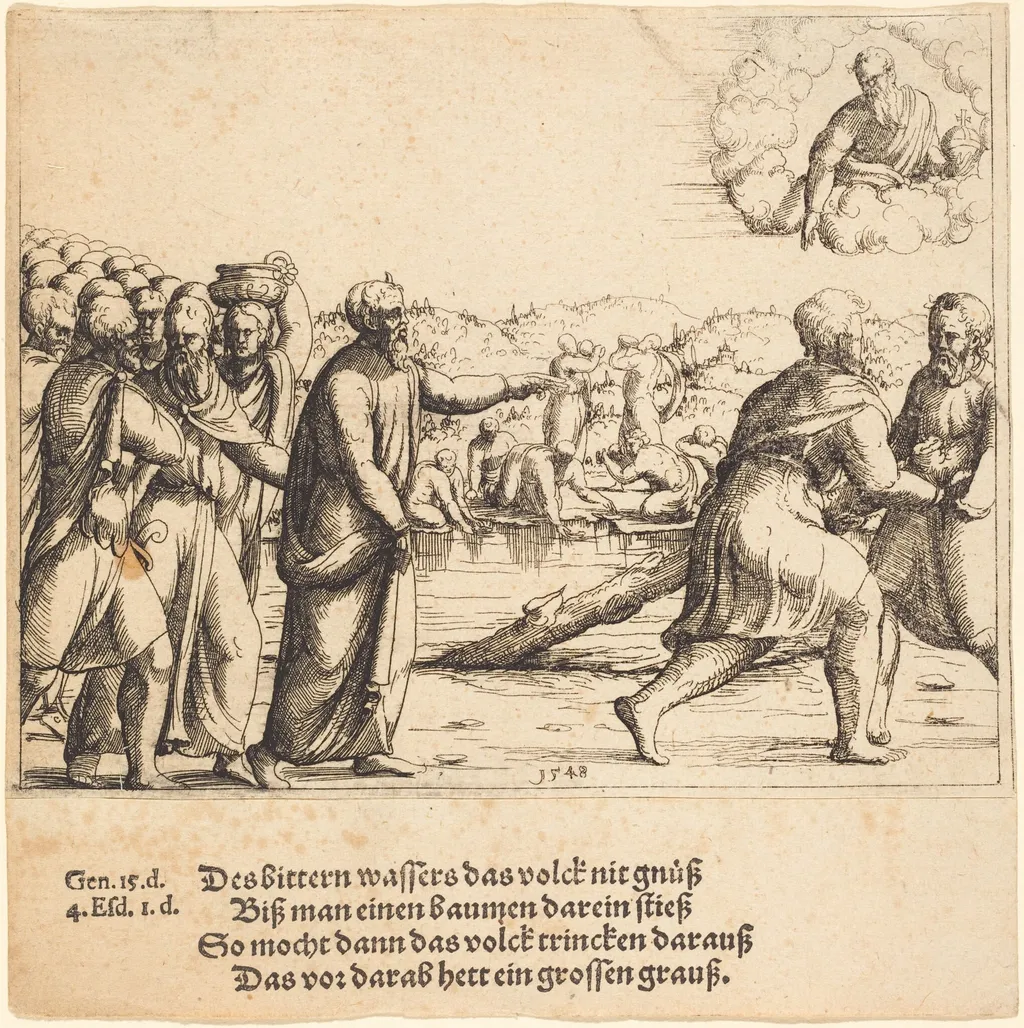
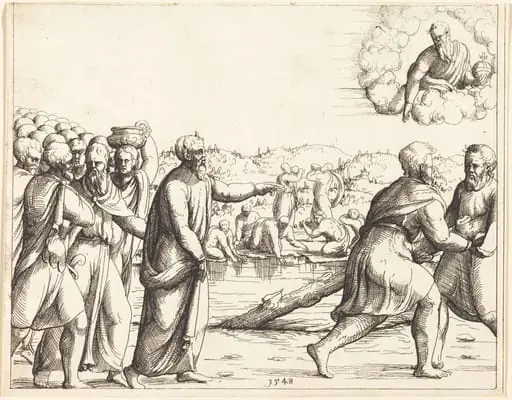
The Lord Sweetens the Waters of Marah is an ink print by the Renaissance artist Augustin Hirschvogel. It dates from 1548 and is held in the collection of the National Gallery of Art.
About this work
Overview
Hirschvogel, known for his precise small-scale landscapes, produced this work during a brief but prolific period of printmaking between 1545 and 1549.
Created in 1548 by the German artist Augustin Hirschvogel, this etching depicts a biblical episode from Exodus in which divine intervention transforms bitter water into drinkable supply. Hirschvogel, known for his precise small-scale landscapes, produced this work during a brief but prolific period of printmaking between 1545 and 1549. The piece belongs to a regional tradition of Northern Renaissance printmaking centered in Bavaria and Austria.
Subject & Meaning
The scene illustrates the moment when the Israelites, parched and despairing in the desert, encounter bitter waters at Marah. At God’s instruction, Moses casts a tree into the stream, rendering it sweet. Figures cluster around the water—some kneeling, others reaching or gazing upward—conveying relief and reverence. The German inscription beneath confirms the narrative, anchoring the image in scriptural tradition and devotional contemplation.
Technique & Style
Hirschvogel employed etching to render fine, fluid lines with a sense of immediacy. The composition is densely packed with figures and rocky terrain, rendered in rapid, sketch-like strokes that suggest movement and urgency. Rather than polished refinement, the work embraces a tactile, almost spontaneous quality, characteristic of his landscape prints and aligned with the Danube School’s interest in naturalistic detail and atmospheric depth.
History & Provenance
This etching emerged from Hirschvogel’s mature printmaking phase, shortly before he shifted focus to cartography and mathematical design. While no specific early ownership records are documented, the work aligns with the circulation of religious prints among educated German audiences in the mid-16th century. Its survival reflects the continued interest in biblical narratives through accessible graphic media during the Reformation era.
Context
Produced during a time of religious upheaval, the image resonated with Protestant audiences who valued direct engagement with scripture. Hirschvogel’s choice of subject—divine provision in hardship—offered spiritual reassurance amid social and theological uncertainty. His integration of landscape as both setting and symbolic element reflects broader trends in Northern art, where nature became a vessel for moral and theological meaning.
Legacy
Hirschvogel’s etchings, including this one, contributed to the development of the small-scale landscape print in Central Europe. Though less celebrated than contemporaries like Dürer, his work influenced later generations of printmakers through its blend of technical precision and expressive line. The piece remains a quiet example of how biblical stories were visually sustained in print culture beyond grand altarpieces or illuminated manuscripts.
Artist & collection
Artist
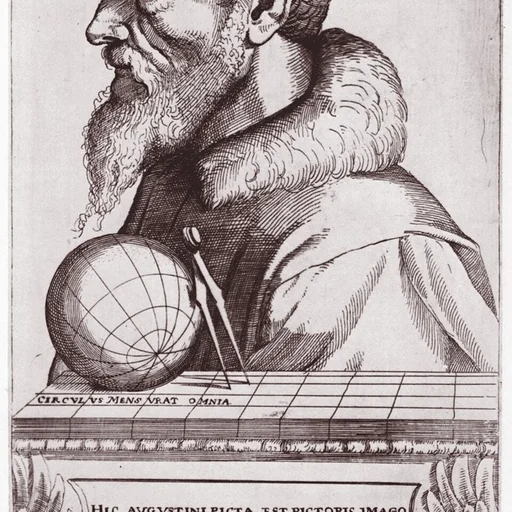
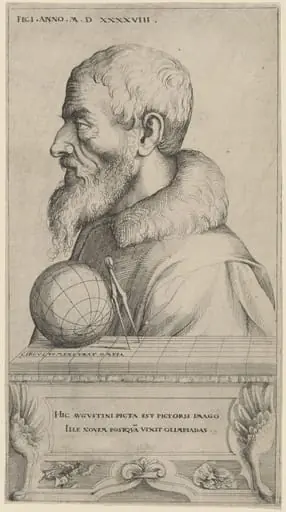
Augustin Hirschvogel (1503 – February 1553) was a German artist, mathematician, and cartographer known primarily for his etchings.

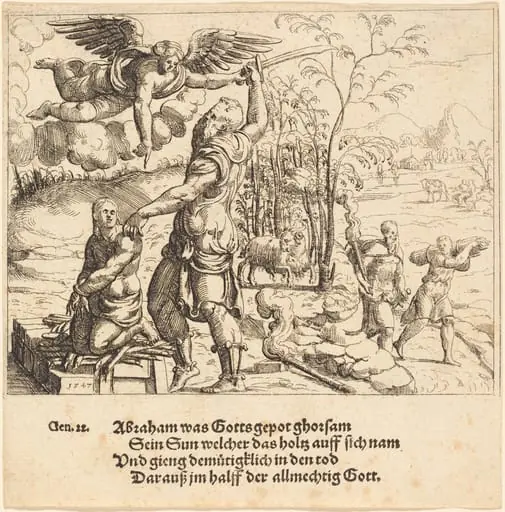 The Sacrifice of Isaac
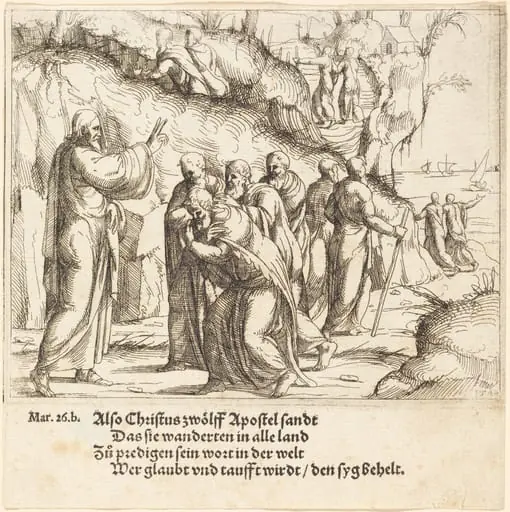 Christ Charges the Apostles of their Mission
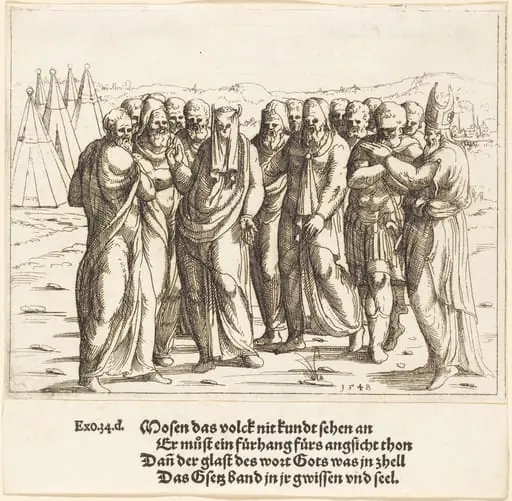 Moses Speaks to the Children of Israel
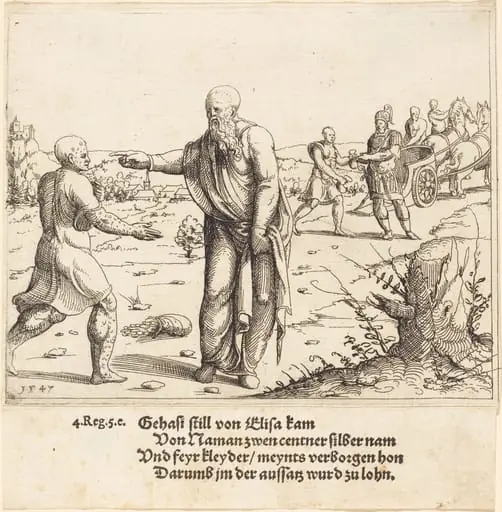 Elisha Punishes Gehazi with Naaman's Leprosy
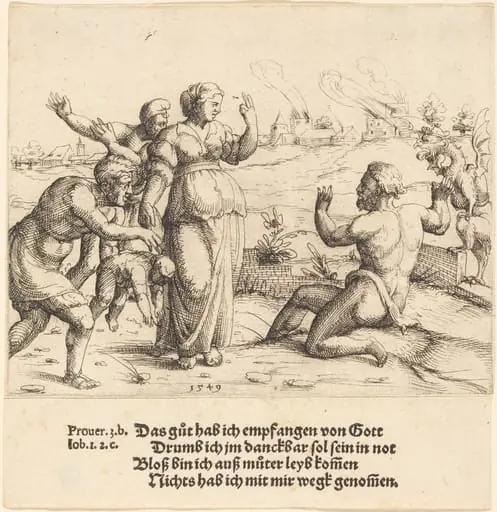 Job Learns of His Misfortunes
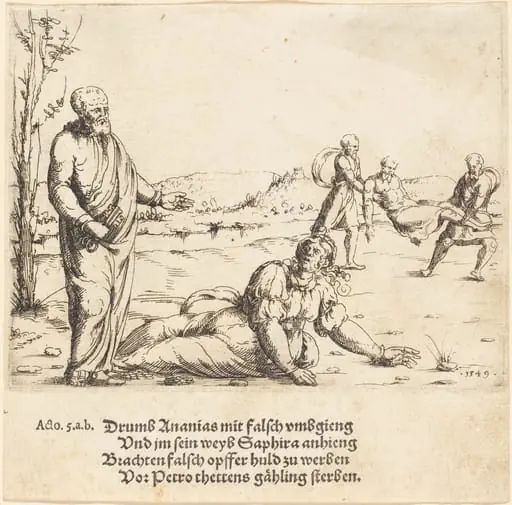 The Punishment of Ananias and Sapphira
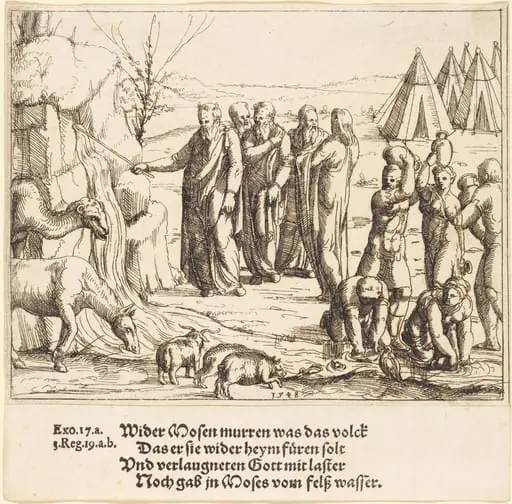 Moses Striking the Rock
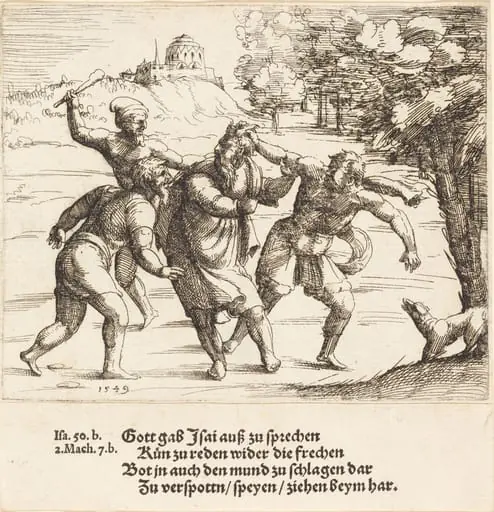 Isaiah Accepts Mockery because of His Faith
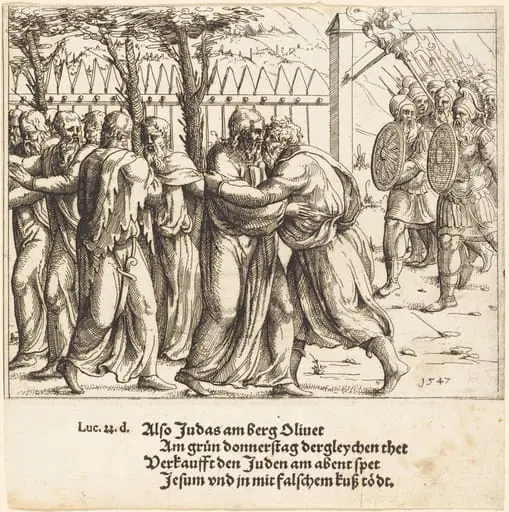 The Kiss of Judas
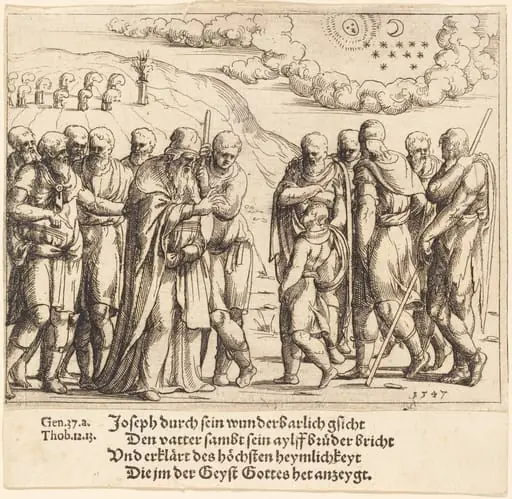 Joseph Recounts His Dreams
 The Lord Sweetens the Waters of Marah
 Christ Appears to the Apostles