Artwork
The Temptation of Christ
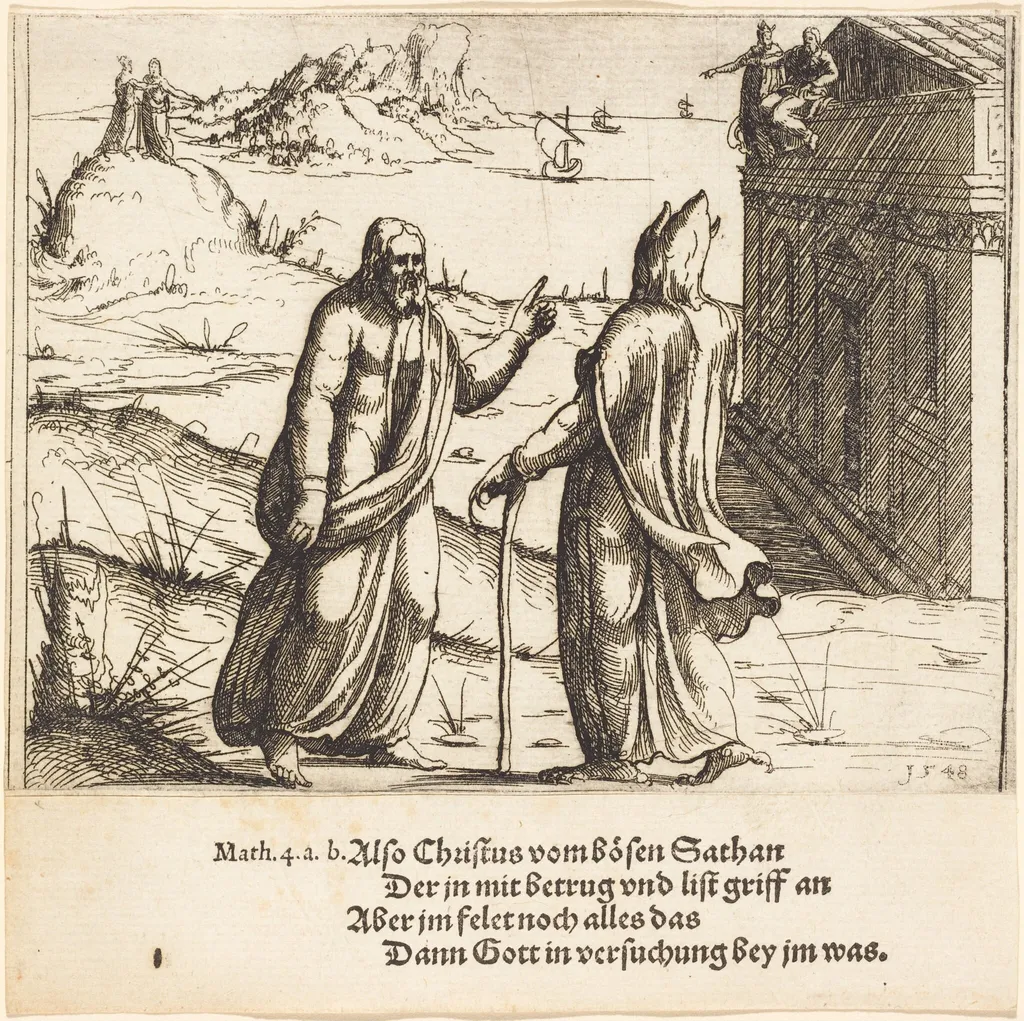
The Temptation of Christ is an ink print by the Renaissance artist Augustin Hirschvogel. It dates from 1548 and is held in the collection of the National Gallery of Art.
About this work
Overview
Created in 1548 by the German artist Augustin Hirschvogel, *The Temptation of Christ* is a black-and-white etching depicting a biblical scene from the Gospels.
Created in 1548 by the German artist Augustin Hirschvogel, *The Temptation of Christ* is a black-and-white etching depicting a biblical scene from the Gospels. Hirschvogel, known for his precision in printmaking and cartographic work, produced this piece as part of a broader engagement with religious subjects. The composition is rendered in fine, incised lines characteristic of etching, emphasizing texture and atmospheric tension over color.
Subject & Meaning
The scene illustrates Christ’s trial in the wilderness, where he resists Satan’s offers of power and worldly glory. Christ stands upright, gesturing toward heaven, embodying spiritual resolve, while the kneeling figure—representing the tempter—reaches upward in supplication or challenge. Behind them, distant figures and a tower suggest a fallen world, reinforcing the moral contrast between divine obedience and earthly temptation.
Technique & Style
Hirschvogel employed etching to achieve fine, controlled lines that define rugged terrain, drapery, and atmospheric depth. The sharp, angular strokes create a sense of texture in rocks and clothing, enhancing the drama of the scene. His approach aligns with the Danube School’s interest in expressive landscapes and emotional intensity, using minimal means to evoke psychological and natural complexity.
History & Provenance
The print was made during Hirschvogel’s mature period in Nuremberg, a center of print culture in the German Renaissance. While specific early ownership records are sparse, the work circulated among collectors and religious audiences familiar with biblical imagery. Its survival in multiple institutional collections suggests it was widely reproduced and valued for its devotional clarity and technical skill.
Context
Produced during the Reformation, the image resonated with Protestant audiences seeking visual aids for scriptural meditation. Hirschvogel’s fusion of landscape and narrative reflects a broader trend among Danube School artists who integrated natural settings into religious stories, moving away from purely iconographic traditions toward more immersive, emotionally charged compositions.
Legacy
Hirschvogel’s etching contributed to the development of printmaking as a medium for theological storytelling. His precise line work and integration of landscape influenced later Northern European printmakers. Though not widely known today, his technical innovations helped establish etching as a serious vehicle for religious and moral themes beyond mere illustration.
Artist & collection
Artist
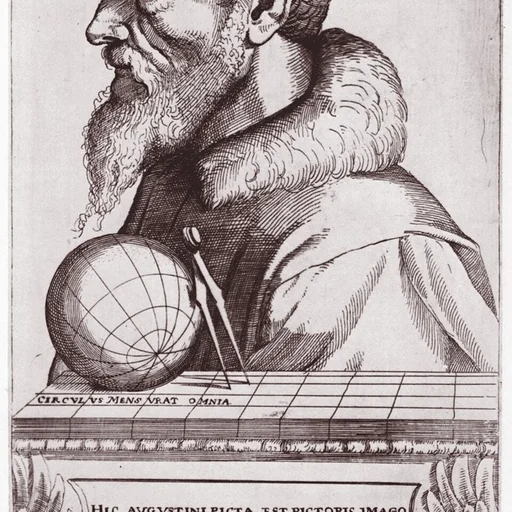
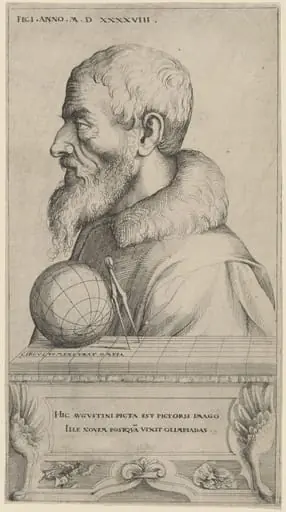
Augustin Hirschvogel (1503 – February 1553) was a German artist, mathematician, and cartographer known primarily for his etchings.

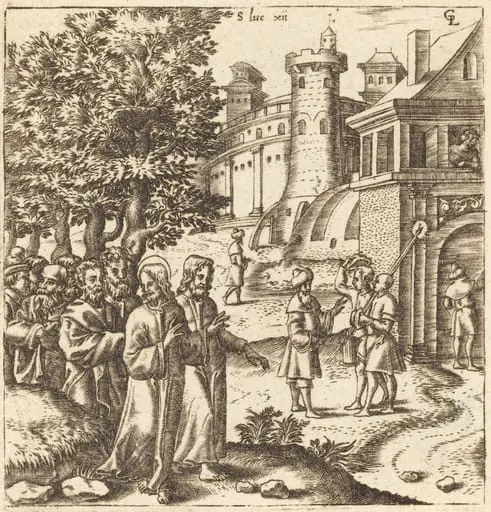 Christ Teaching the Multitude
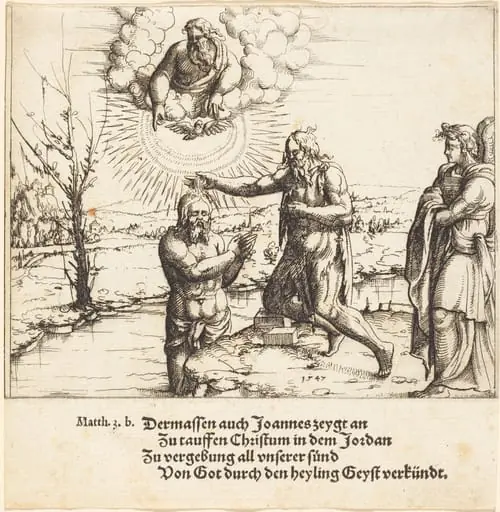 The Baptism of Christ
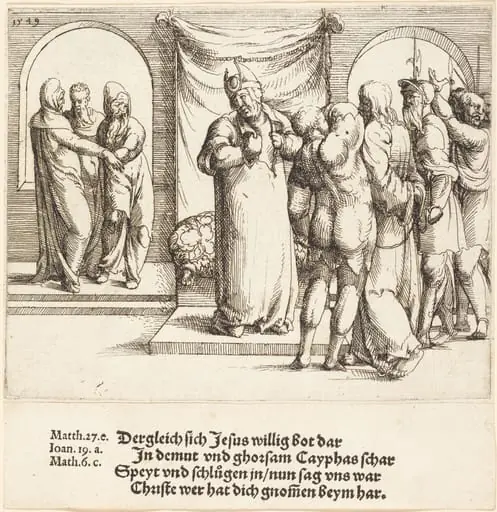 Christ is Mocked, and Caiaphas Rends His Garments
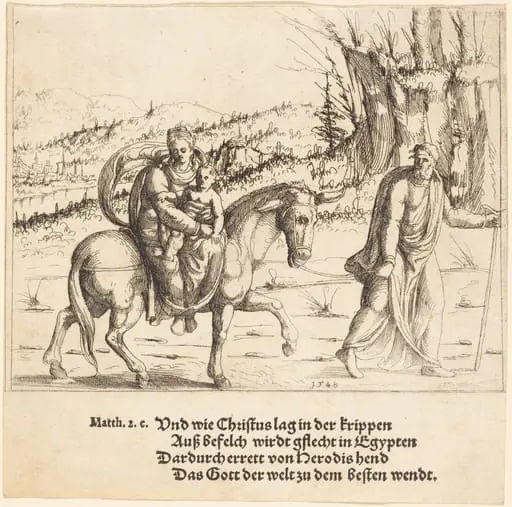 The Flight into Egypt
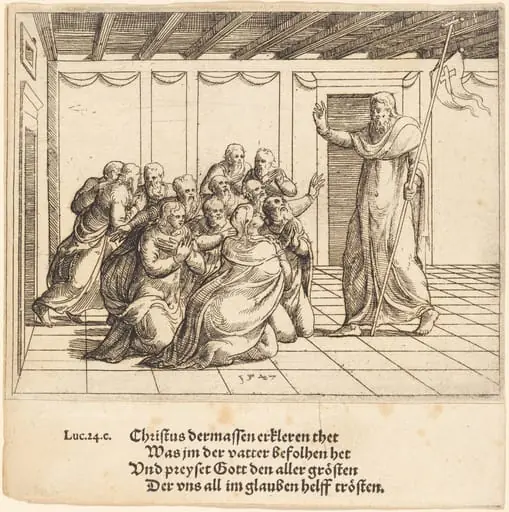 Christ Appears to the Apostles
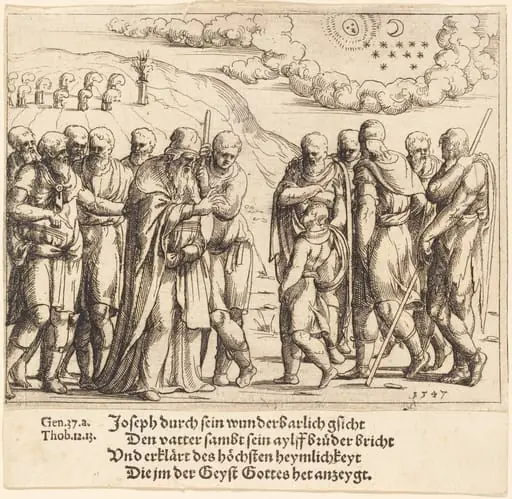 Joseph Recounts His Dreams
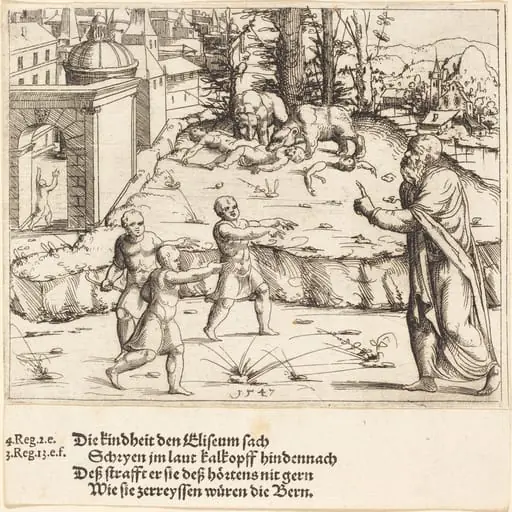 The Murder of the Children of Bethel
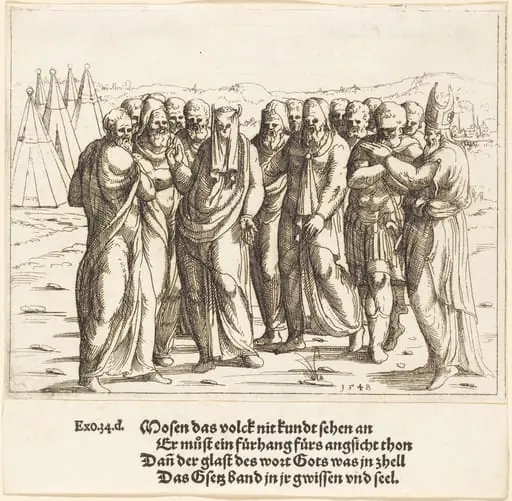 Moses Speaks to the Children of Israel
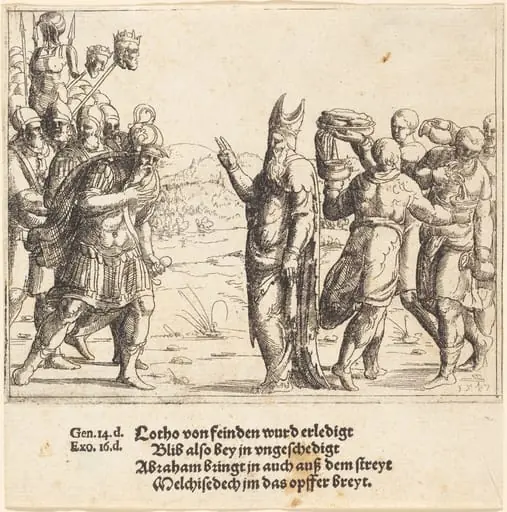 Melchizedek with Bread and Wine
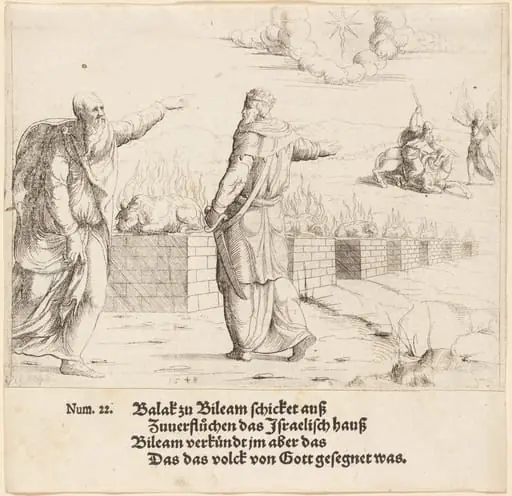 Balak's Sacrifice, and Balaam's Prophecy