Artwork
The Temptation of Eve
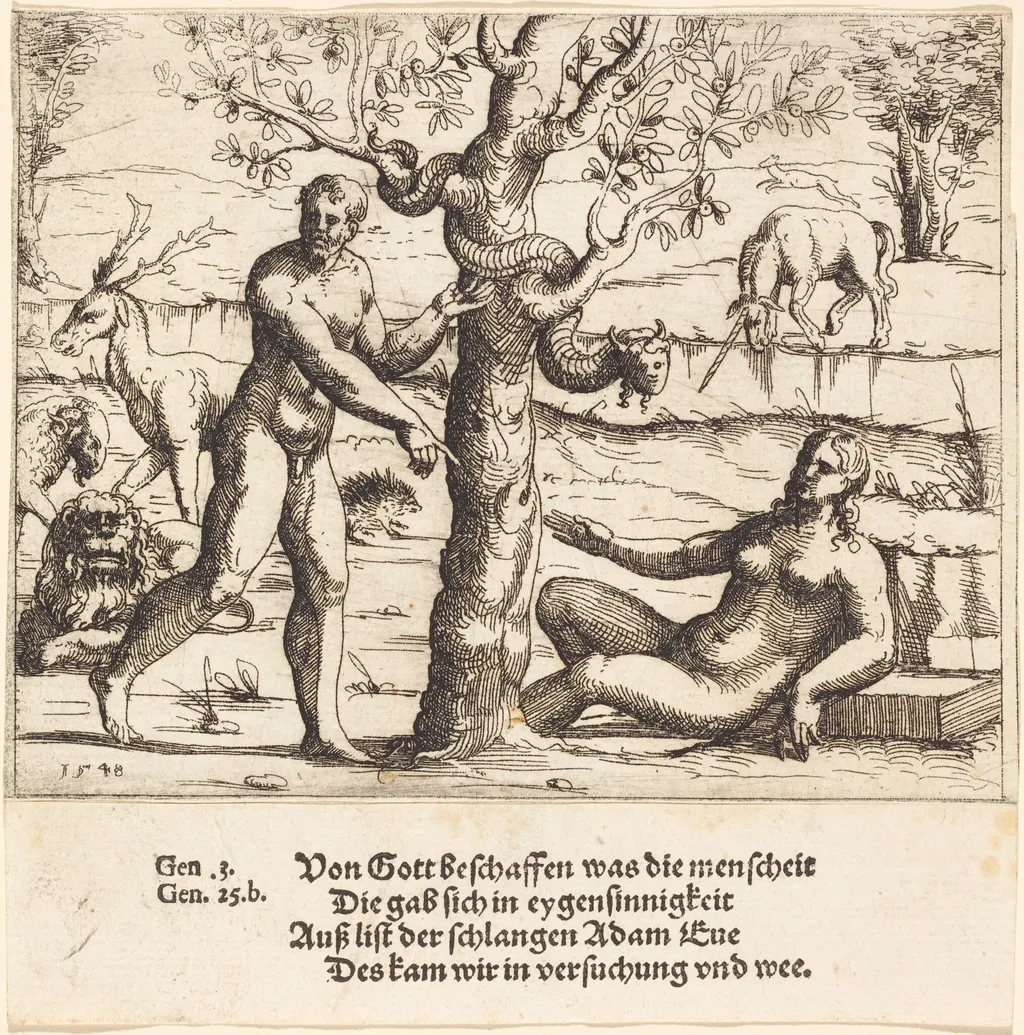
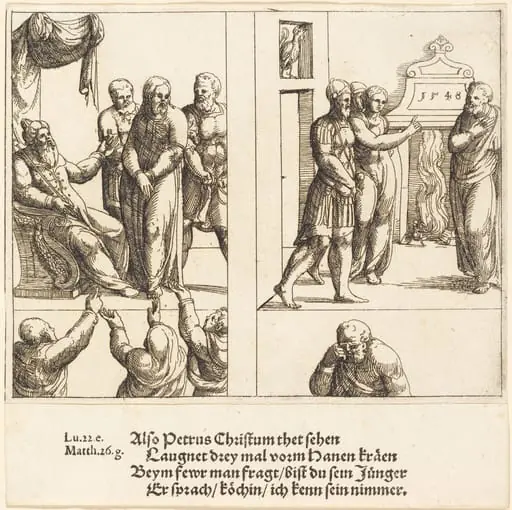
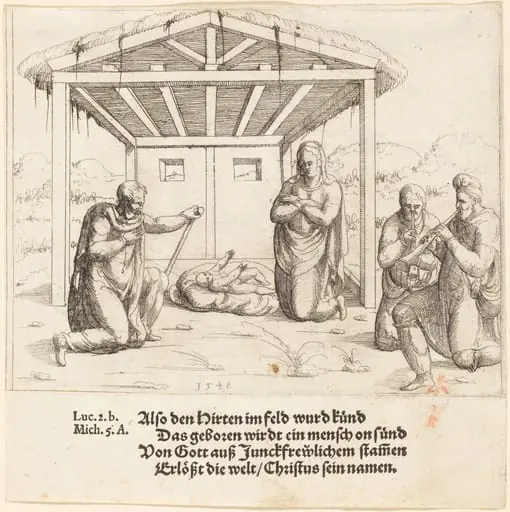
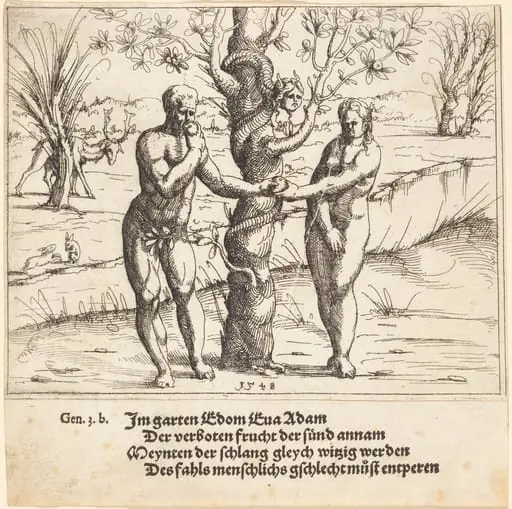
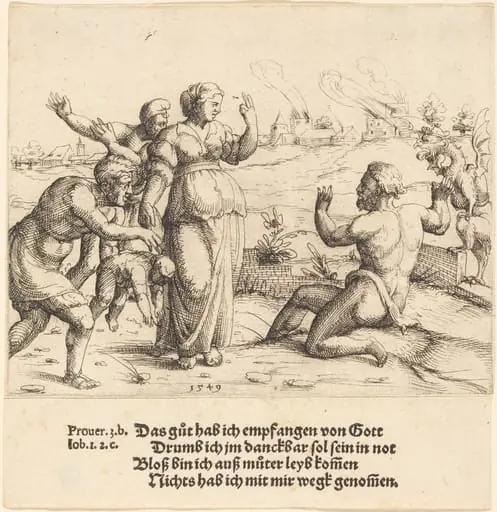
The Temptation of Eve is an ink print by the Renaissance artist Augustin Hirschvogel. It dates from 1548 and is held in the collection of the National Gallery of Art.
About this work
Overview
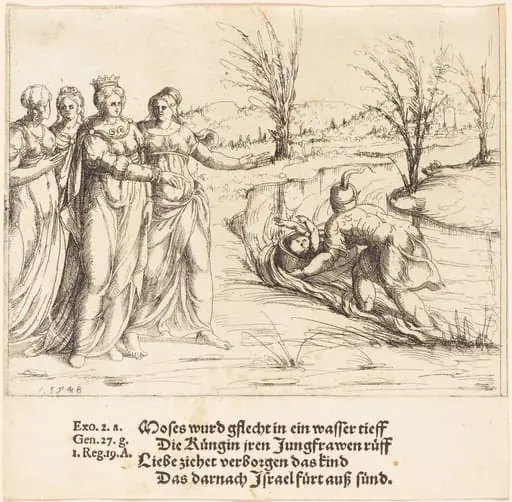
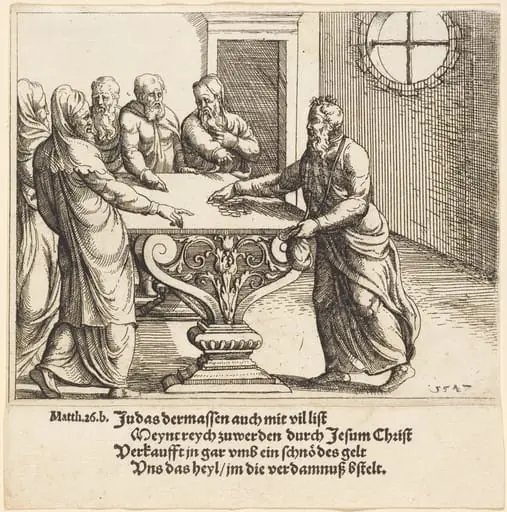
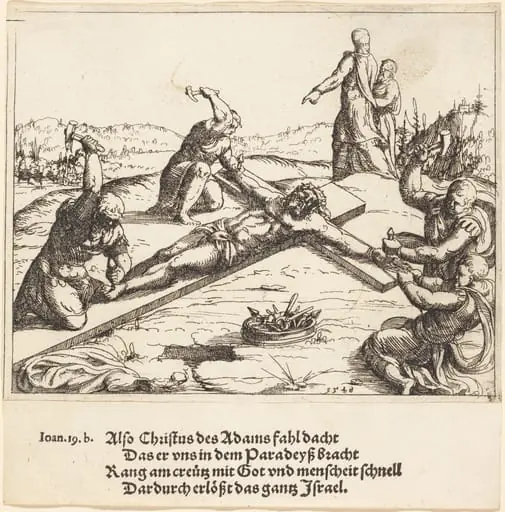
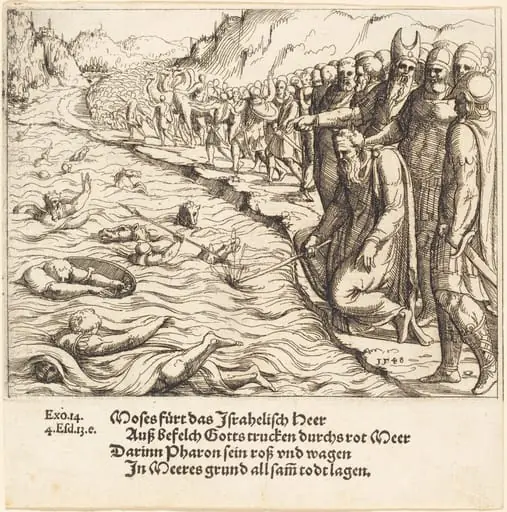
The Temptation of Eve is an etching created by Augustin Hirschvogel in 1548. It is a black-and-white print that depicts a scene from the biblical story of Adam and Eve.
Subject & Meaning
The etching shows Adam, Eve, and a serpent entwined in a tree, with other figures in the background. The scene is linked to the theme of temptation by a German text below the image, which quotes the biblical account.
Technique & Style
Hirschvogel used sharp lines to convey movement and emotion in the figures. The etching technique allowed for detailed rendering of the scene, characteristic of Hirschvogel's work during this period.
Context
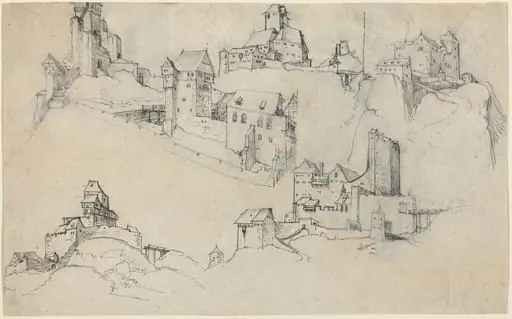
Hirschvogel was associated with the Danube School, an artistic movement centered in 16th-century Bavaria and Austria. His work, including landscape etchings from 1545 to 1549, contributed to this movement.
Artist & collection
Artist
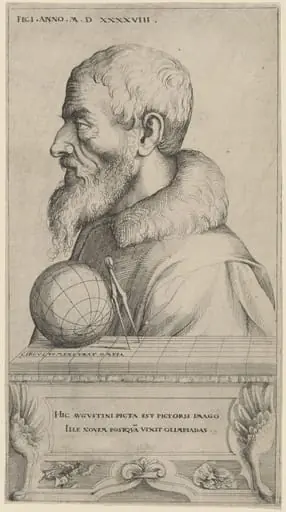
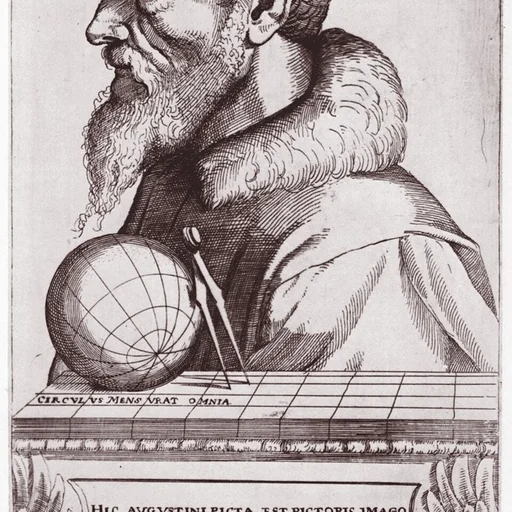
Augustin Hirschvogel (1503 – February 1553) was a German artist, mathematician, and cartographer known primarily for his etchings.