Artwork
Woe is Pronounced on the Scribes and Pharisees
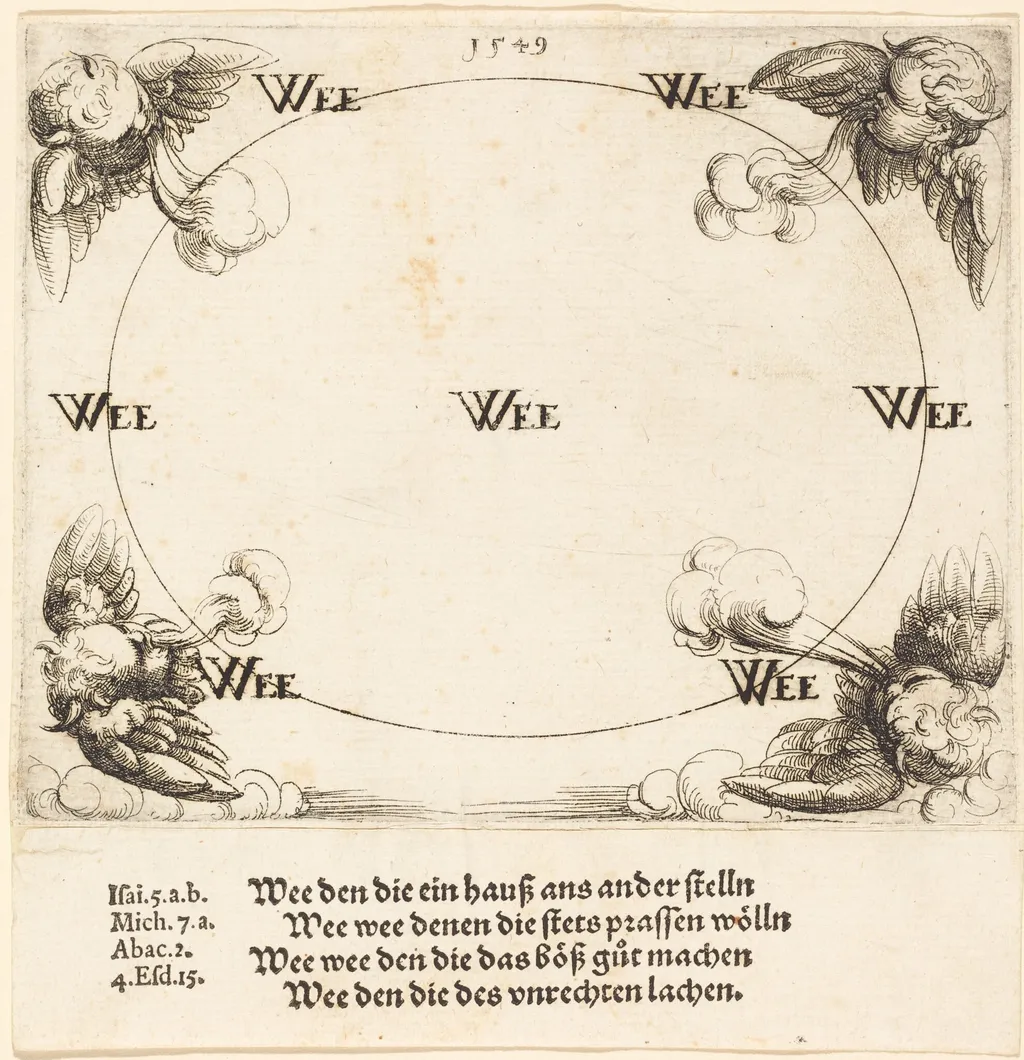
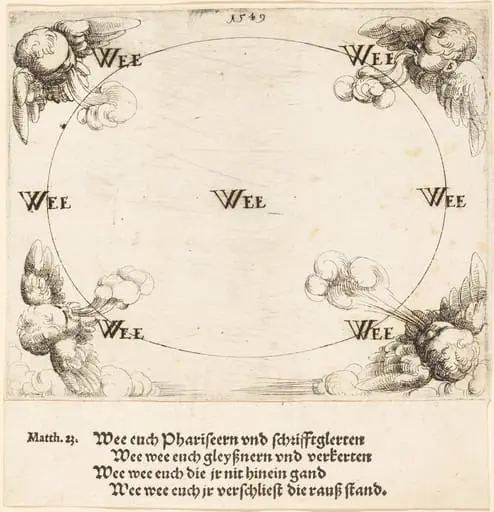
Woe is Pronounced on the Scribes and Pharisees is an ink print by the Renaissance artist Augustin Hirschvogel. It dates from 1549 and is held in the collection of the National Gallery of Art.
About this work
Overview
Woe is Pronounced on the Scribes and Pharisees is a 1549 etching by Augustin Hirschvogel, a multifaceted German artist, mathematician, and cartographer associated with the Danube School.
Subject & Meaning
The print depicts four winged figures, each holding a scroll emblazoned with 'Woe' in bold letters, arranged in a circular, dynamic composition. Their varied, expressive poses convey anger and admonition. Accompanying Bible verses underscore a critique of hypocrisy, particularly targeting the powerful.
Technique & Style
Executed in etching, the work showcases detailed renderings of the figures, including feathers and swirling clouds, set against a plain background. This contrasts intricate, expressive figural work with simplicity, characteristic of Hirschvogel's nuanced approach within the Danube School tradition.
History & Provenance
Created in 1549, this etching is part of Hirschvogel's notable series of thirty-five small landscape etchings produced between 1545 and 1550, though this work's theme diverges from the landscape focus.
Context
Emerging from the Danube School, active in 16th-century Bavaria and Austria, the piece reflects the school's artistic tendencies while incorporating Hirschvogel's unique blend of mathematical precision and theological commentary.
Legacy
While specific legacy details of this piece are not highlighted, it contributes to the broader recognition of Hirschvogel's etching skills and the Danube School's influence on European printmaking of the era.
Artist & collection
Artist
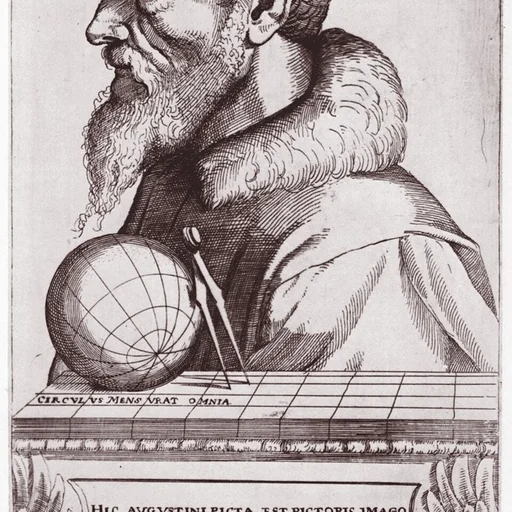
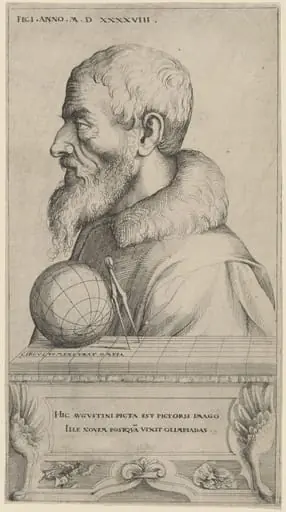
Augustin Hirschvogel (1503 – February 1553) was a German artist, mathematician, and cartographer known primarily for his etchings.

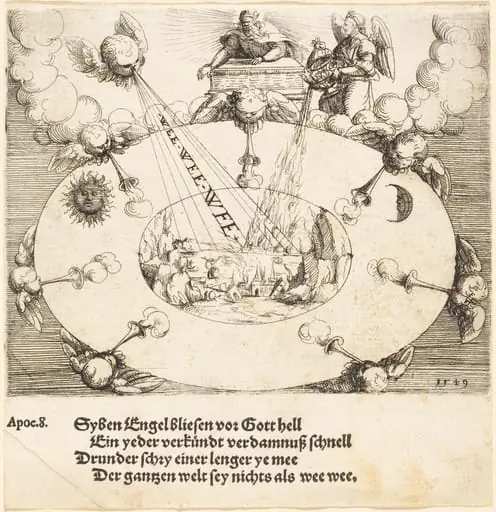 The Opening of the Seventh Seal
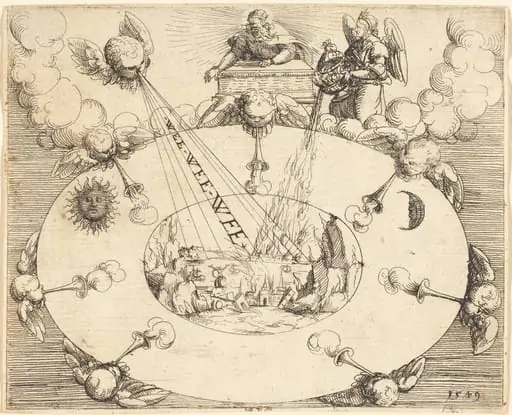 The Opening of the Seventh Seal
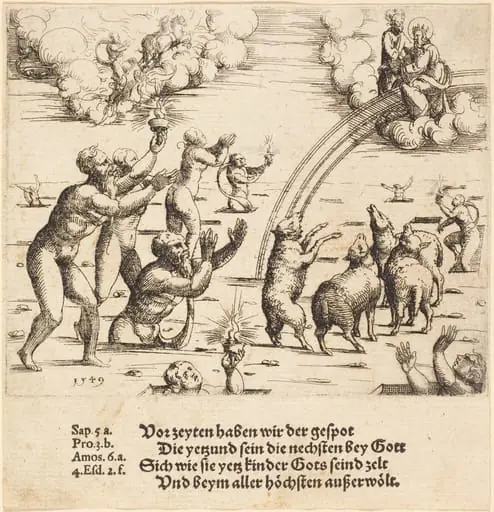 The Last Judgment
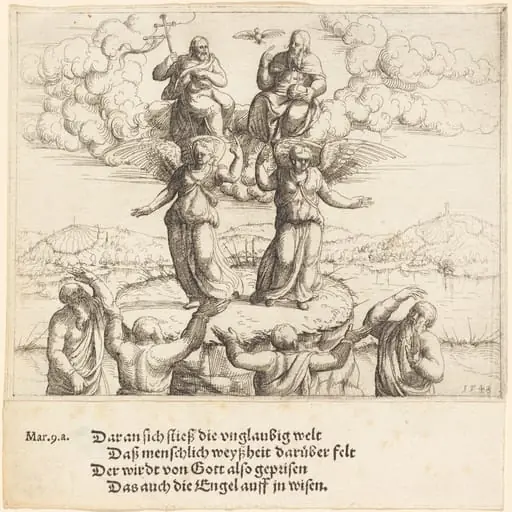 The Transfiguration
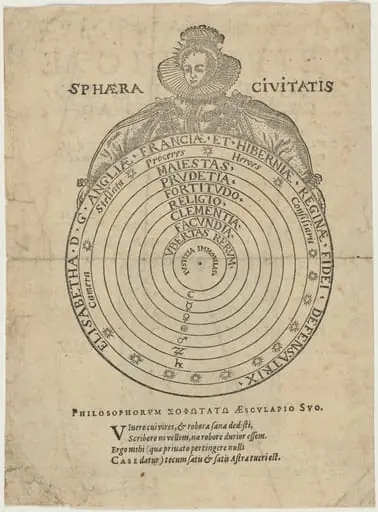 Elizabeth - Sphaera Civitatis (Globe of Citizens)
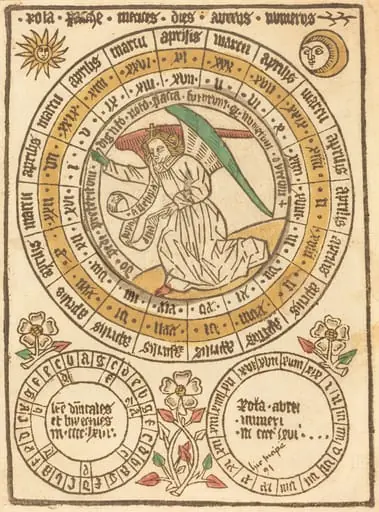 An Easter Calendar Beginning with the Year 1466
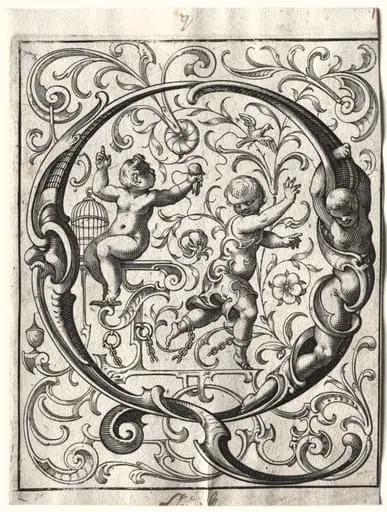 New ABC Booklet: Q
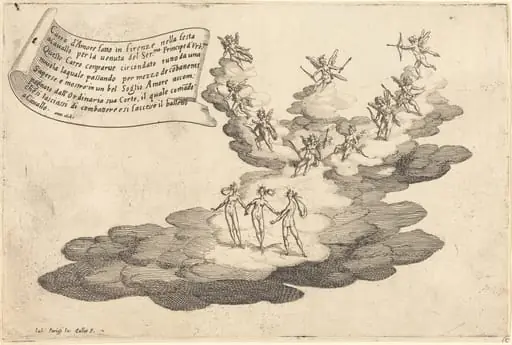 The Float of Love
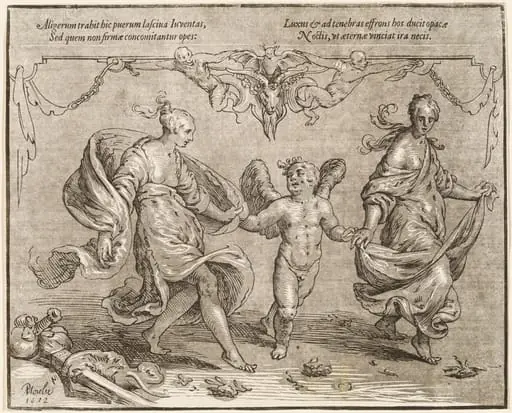 Cupid Dancing with Two Allegorical Women
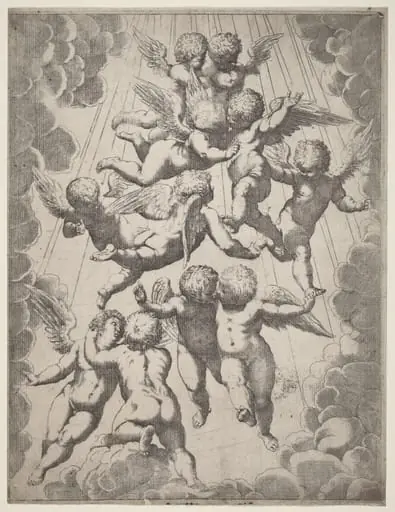 A Group of Angels in Glory
 Frontispiece for the Sacred Cosmologia (Title with Astrologers)
 Woe is Pronounced on Covetousness