Artwork
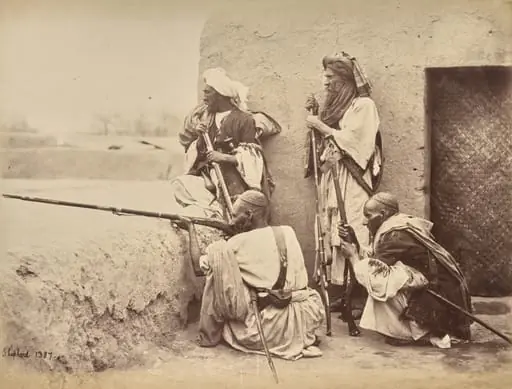
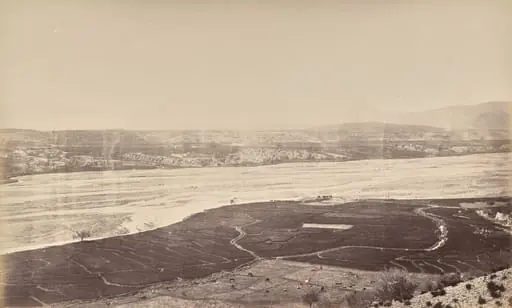
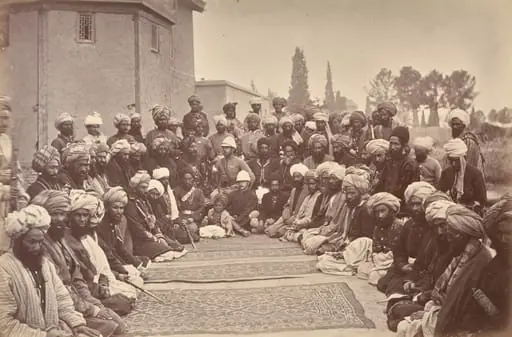
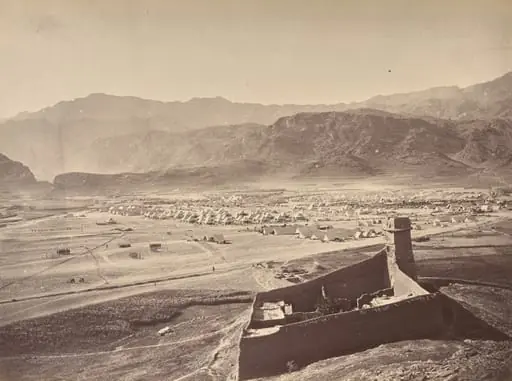
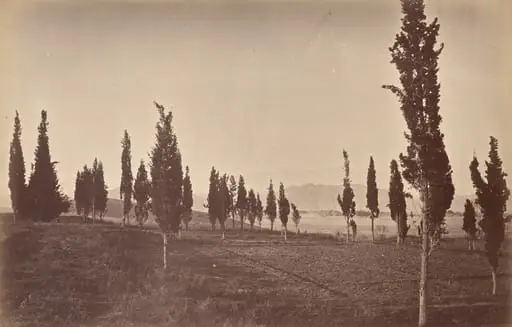
View in the Large Garden, Jellalabad
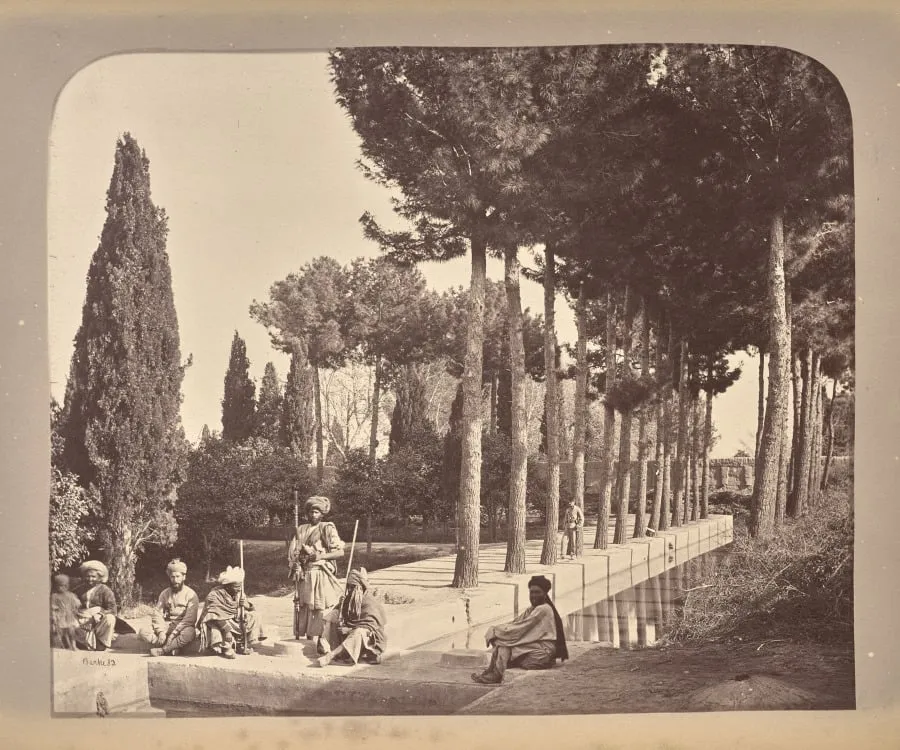
View in the Large Garden, Jellalabad is a photography by the Impressionist artist John Burke. It dates from 1879 and is held in the collection of the Cleveland Museum of Art.
About this work
John Burke was there during the Second Anglo-Afghan War, but cameras back then couldn’t catch fast action.
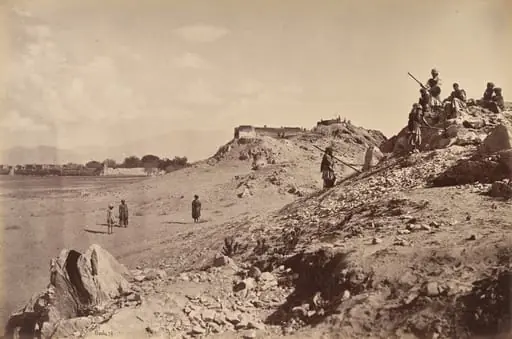
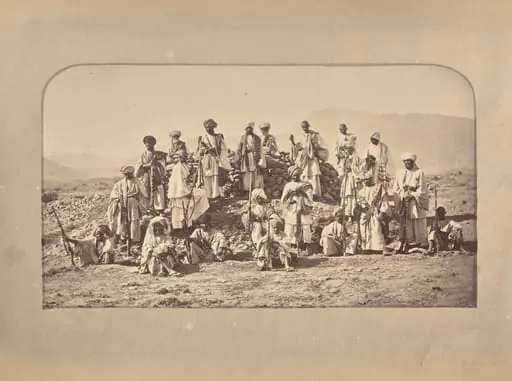
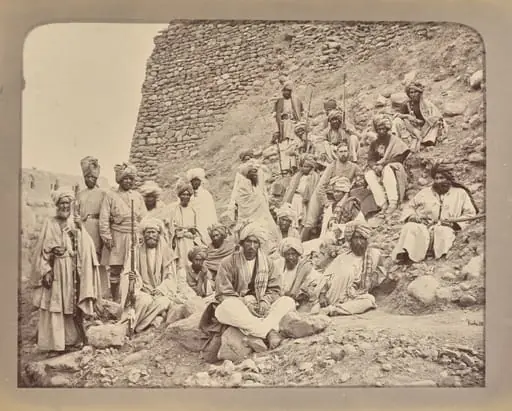
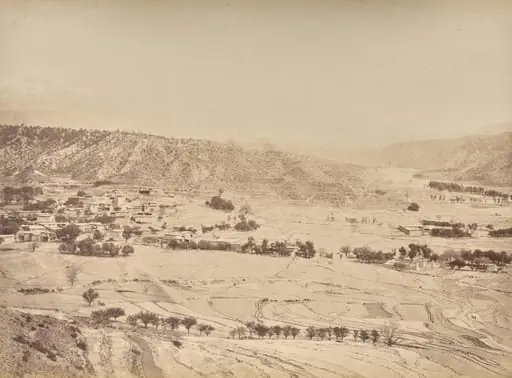
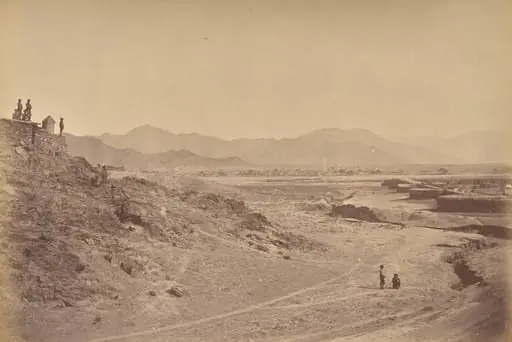
You’re looking at a quiet garden with tall trees and a few soldiers standing around. The light is soft, like late afternoon.
This isn’t a painting—it’s an early photograph. John Burke was there during the Second Anglo-Afghan War, but cameras back then couldn’t catch fast action. So he took pictures of places where battles happened, not the battles themselves. It’s one of the first times Afghanistan was photographed in detail.
If you want to see more of his work, look up John Burke (Irish, 1845–1915).
Overview
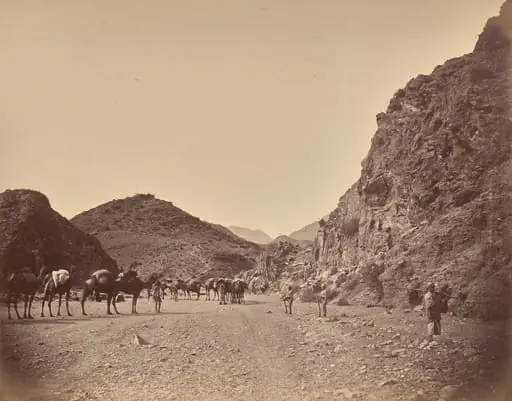
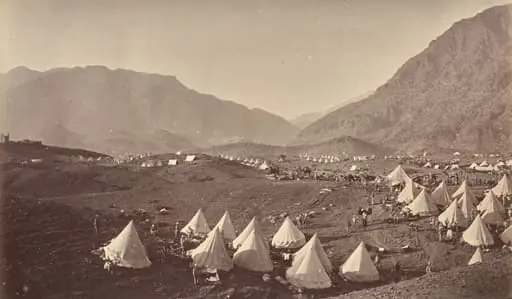
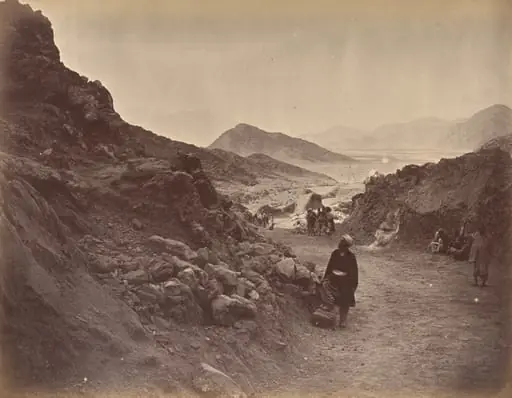
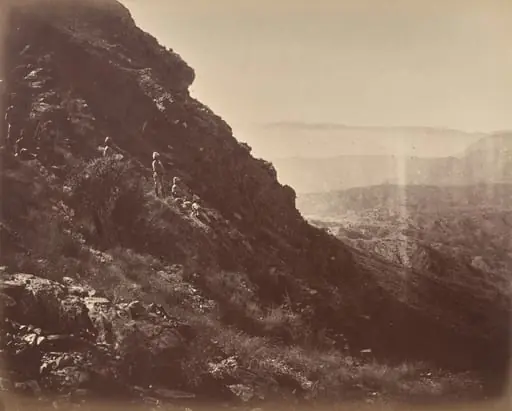
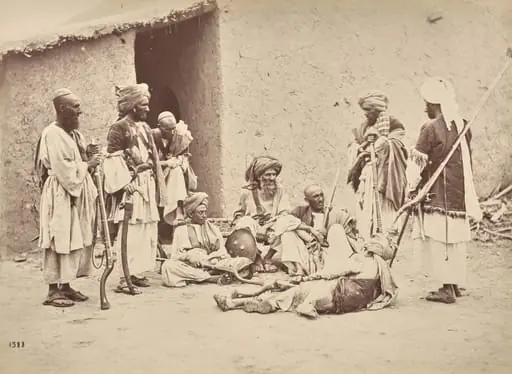
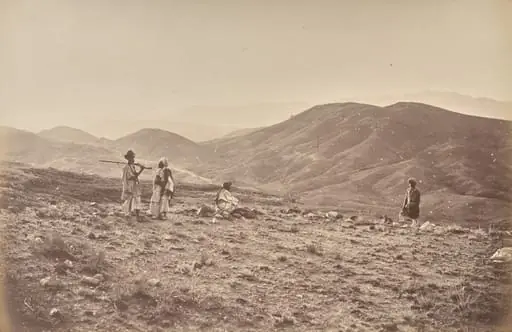
This photograph, titled View in the Large Garden, Jellalabad, is part of a series documenting the Second Anglo-Afghan War (1878–1880). Taken by Irish photographer John Burke, it captures a tranquil garden setting rather than active combat. Due to the technical limitations of early photographic equipment, Burke focused on static scenes: landscapes, encampments, and portraits, offering a quiet record of military presence in a foreign land.
Subject & Meaning
The image depicts a shaded garden with tall trees and a small group of soldiers standing idly. It reflects the pauses between military engagements, emphasizing the human presence amid unfamiliar terrain. Rather than dramatizing conflict, the photograph conveys the mundane reality of occupation—stillness as a counterpoint to the violence just beyond the frame.
Technique & Style
Using wet-plate collodion technology, Burke captured fine detail and tonal gradation despite long exposure times. The soft, late-afternoon light suggests careful timing to avoid harsh shadows. The composition is deliberate, framing soldiers within a natural setting, blending documentary intent with an almost pastoral aesthetic uncommon in war imagery of the period.
History & Provenance
John Burke, one of the first photographers to systematically document Afghanistan during the war, produced this image in 1879–1880 near Jellalabad. His photographs were compiled into albums distributed in Britain, serving both as military records and public records of imperial campaigns. This particular image likely originated from a personal or official album assembled during or shortly after his time in the region.
Context
In the late 19th century, photography was emerging as a tool of colonial documentation. Burke’s work provided British audiences with visual evidence of Afghanistan’s geography and the British military’s role there. His images, though non-combative, reinforced imperial narratives by rendering unfamiliar landscapes and people legible to a home audience through familiar visual conventions.
Legacy
Burke’s photographs remain among the earliest visual records of Afghanistan’s architecture, terrain, and military personnel during a pivotal conflict. His approach—prioritizing place over action—set a precedent for war photography’s reliance on aftermath and atmosphere. Today, his work is valued not for its drama, but for its quiet testimony to the presence of empire in a distant land.
Artist & collection