Artwork
The Emperor
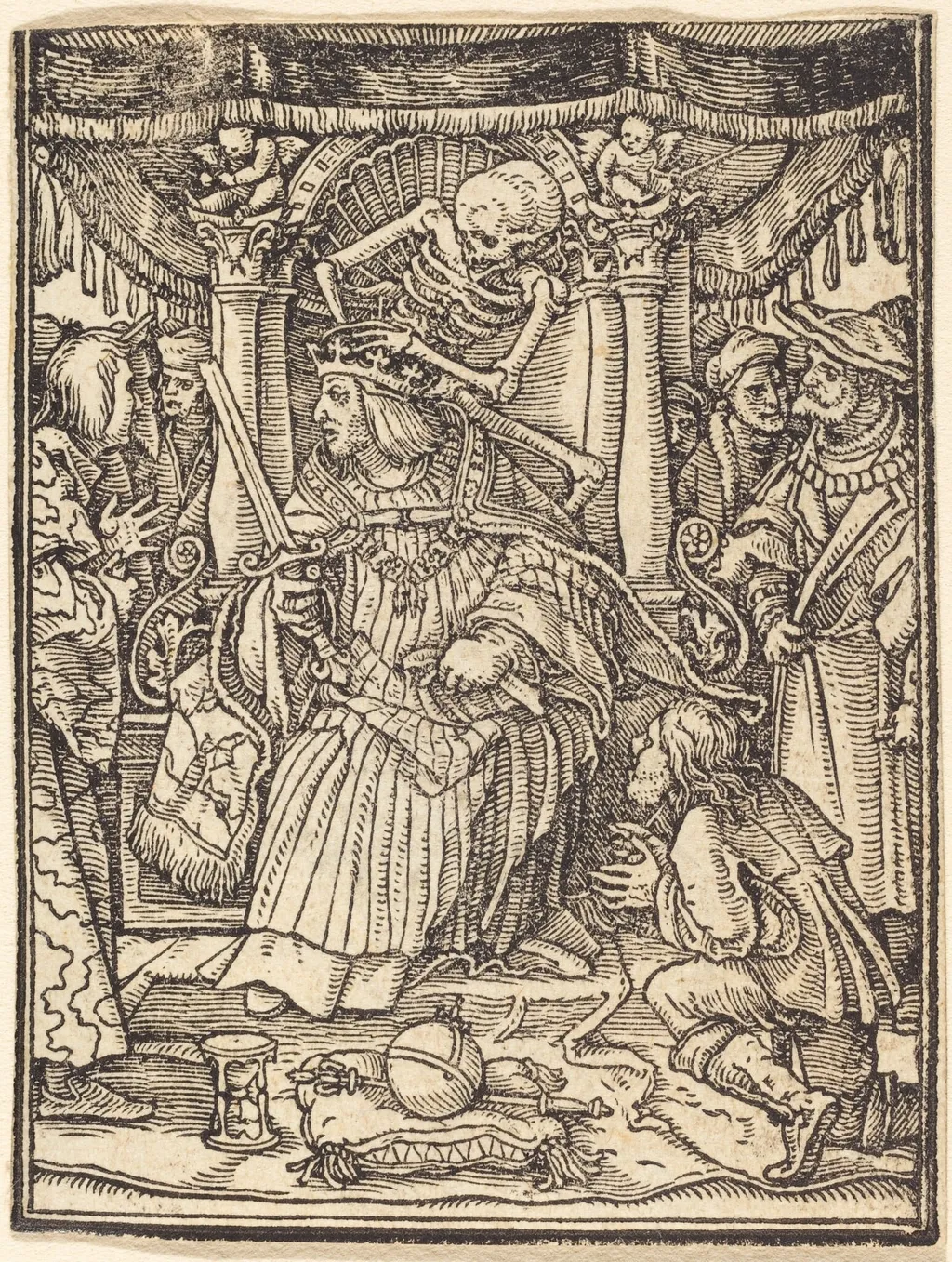
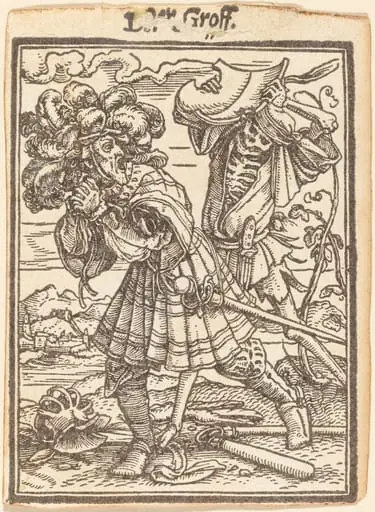
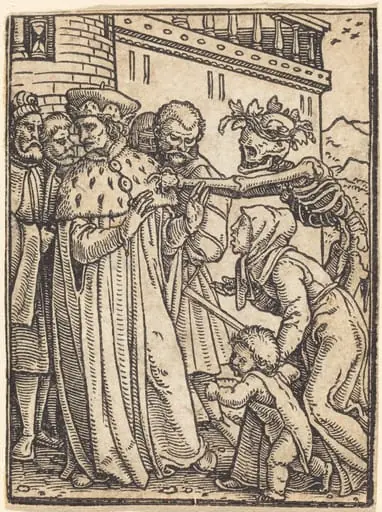
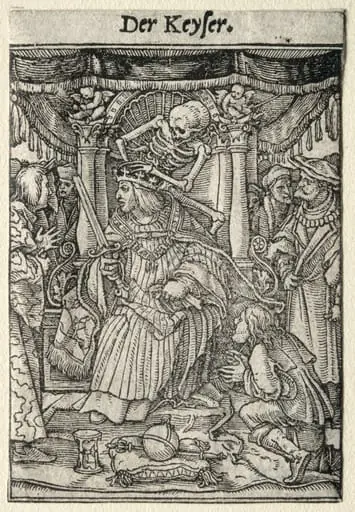
The Emperor is an ink print by the Renaissance artist Hans Lützelburger. It dates from 1526 and is held in the collection of the National Gallery of Art.
About this work
Overview
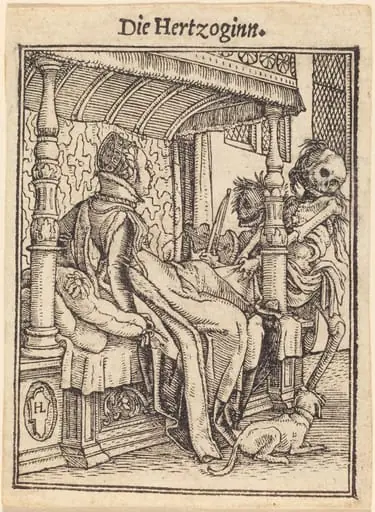
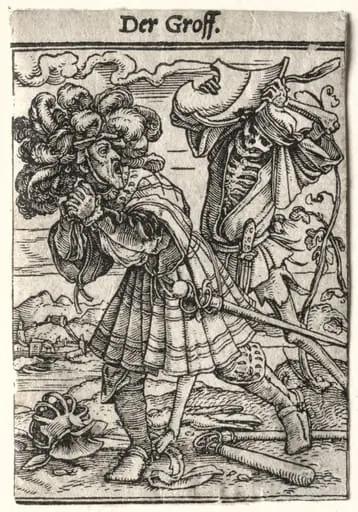
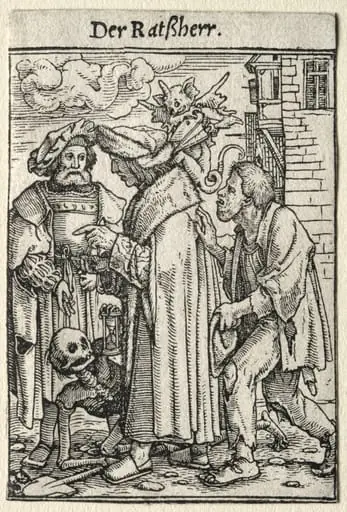
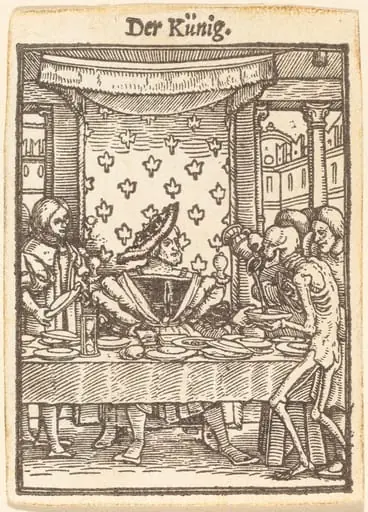
Created circa 1526, *The Emperor* is a woodcut print produced in Augsburg by the German blockcutter Hans Lützelburger. The image is densely populated, filled with a variety of human figures and spectral forms, each rendered with precise, sharp lines that give the composition a bustling, almost chaotic quality.
Subject & Meaning
The scene depicts a crowded gathering where individuals wield staffs, hold books, or appear in ghost‑like postures, some floating or crouching in the background. The juxtaposition of ordinary people with ethereal figures suggests a narrative about power, mortality, or the interplay between the earthly and the supernatural, typical of early‑16th‑century allegorical prints.
Technique & Style
Lützelburger’s execution showcases the high level of detail achievable in woodcut at the time. Each minute figure is incised with fine lines, allowing for intricate textures and a compact visual density. The sharp carving technique creates strong contrasts between black and white, emphasizing the crowded composition.
History & Provenance
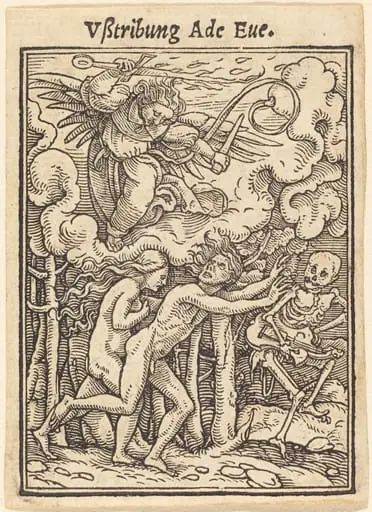
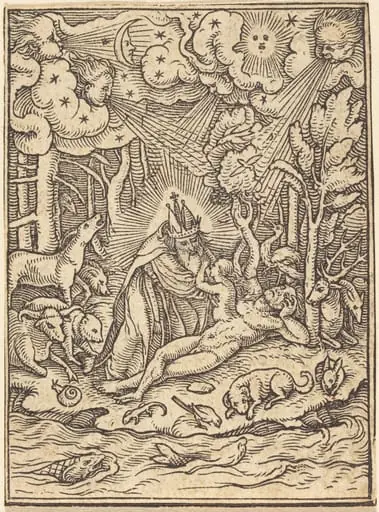
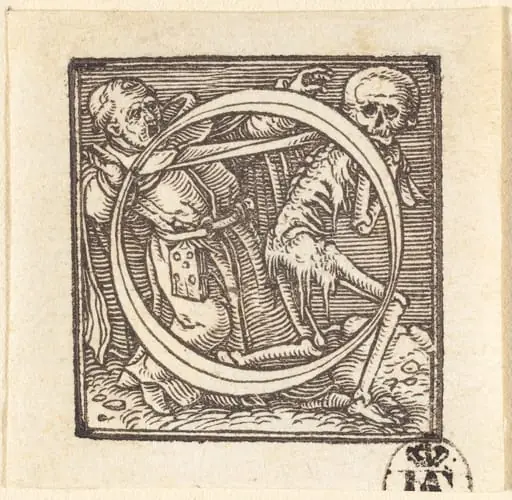
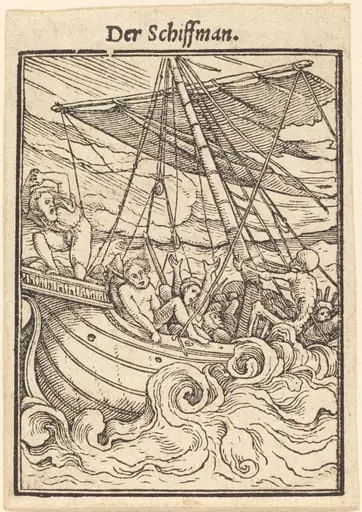
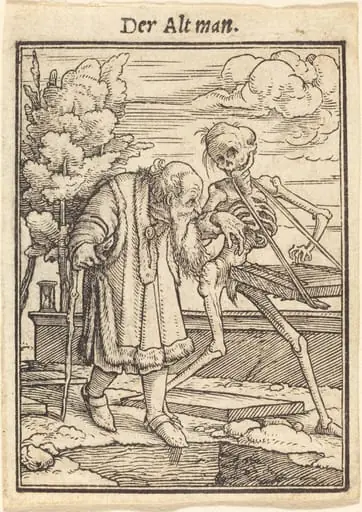
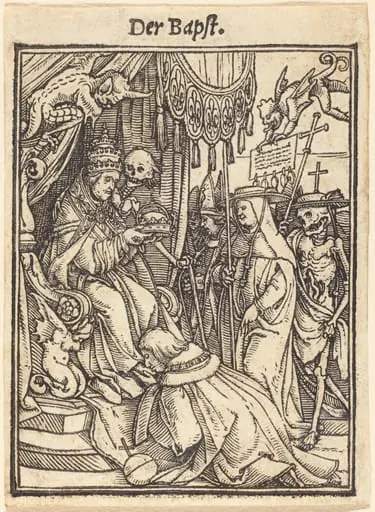
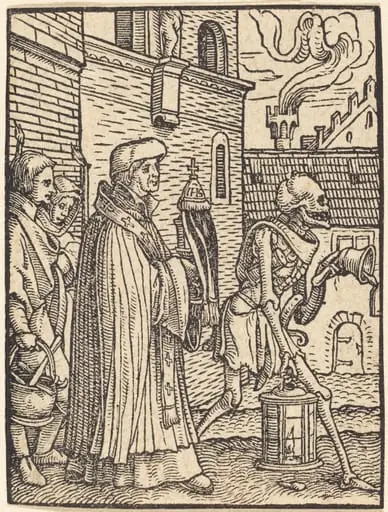
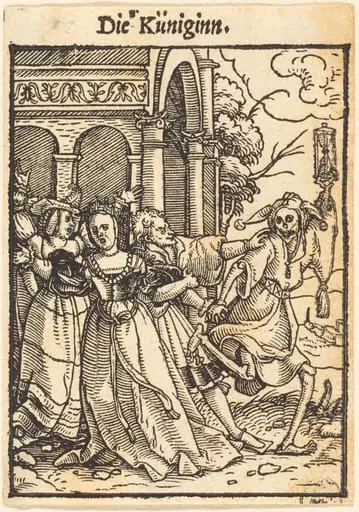
Hans Lützelburger, active in Augsburg from about 1516, was renowned for his skill as a blockcutter, though he did not design the images he cut. He is most famous for cutting 41 plates in Hans Holbein the Younger’s *Dance of Death* series, a project he left unfinished when he died in June 1526, the same year *The Emperor* was produced.
Context
In the early 1500s, woodcut prints served as a primary means of disseminating complex visual narratives to a broad audience. Artists often filled small formats with numerous figures and symbols to convey elaborate stories, a practice reflected in the densely packed composition of *The Emperor*.
Artist & collection

Artist
Hans Lützelburger (died June 1526), also known as Hans Franck, was a German blockcutter ("formschneider") for woodcuts, regarded as one of the finest of his day.