Artwork
Midas with Apollo and Pan
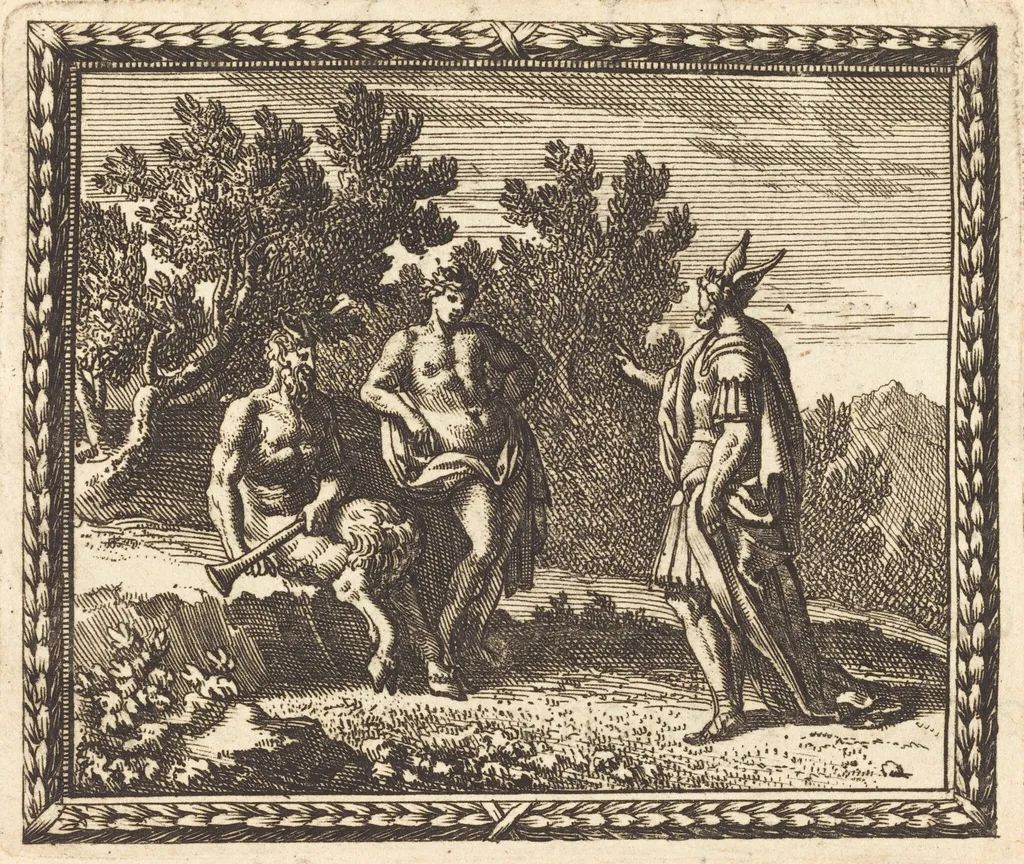
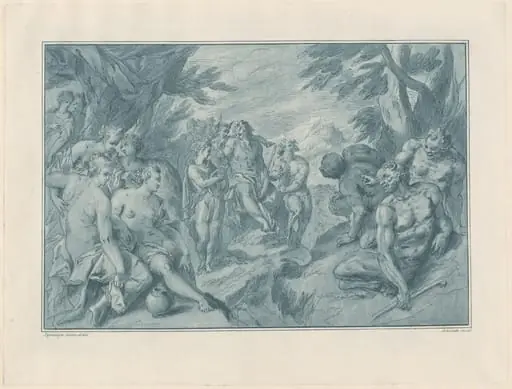
Midas with Apollo and Pan is an ink print by the Baroque artist Jean Lepautre. It dates from 1676 and is held in the collection of the National Gallery of Art.
About this work
Overview
Jean Lepautre’s 1676 print, titled Midas with Apollo and Pan, combines etching and engraving on laid paper. The composition presents a mythological tableau set in a natural landscape, featuring three principal figures arranged against a backdrop of trees, shrubbery, and distant mountains.
Subject & Meaning
The central scene shows a bearded, horn‑adorned man seated on a rock, clutching a staff, likely representing the legendary king Midas. To his right stands a woman, while a cloaked figure wearing a horned hat gestures toward her, suggesting the presence of the god Apollo and the satyr Pan in a moment of narrative tension.
Technique & Style
Lepautre employs a dual process of etching and engraving, allowing for fine line work and varied tonal depth. The interplay of incised lines and etched washes creates a textured sense of space, guiding the eye toward the figures and emphasizing the dramatic atmosphere typical of late‑Baroque printmaking.
History & Provenance
Created in 1676, the print reflects Lepautre’s prolific output as a French engraver of the 17th century. While specific ownership records are scarce, the work is documented in several European print collections, attesting to its circulation among connoisseurs of mythological imagery during the period.
Context
The depiction draws on classical mythology, a common source of inspiration for Baroque artists who sought to convey emotional intensity and movement. By juxtaposing divine and mortal characters within a rugged landscape, Lepautre aligns with contemporary trends that merged narrative content with elaborate natural settings.
Artist & collection


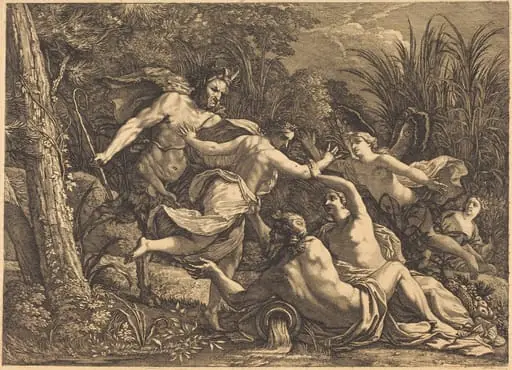 Pan and Syrinx
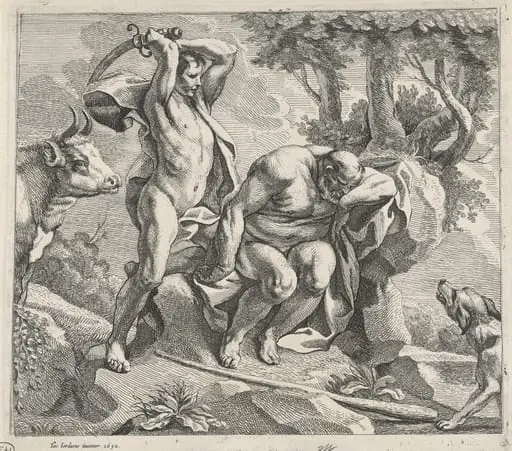 Mercury Killing Argus
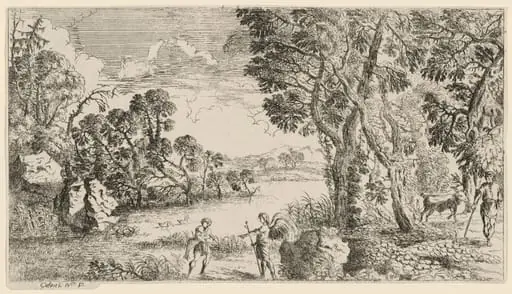 River Landscape with Tobias and the Angel
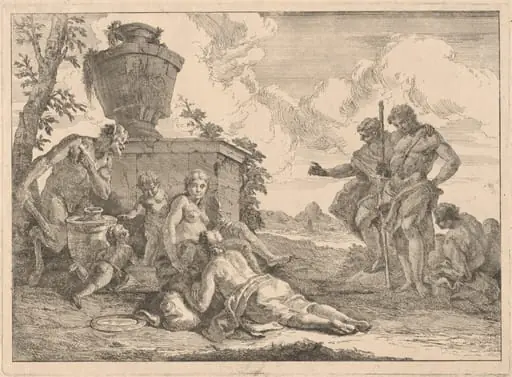 A Satyr with a Staff and Seven Other Figures
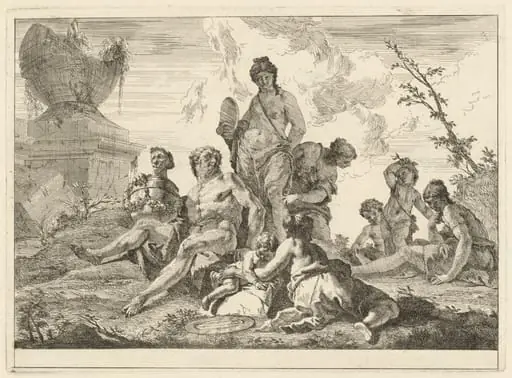 Venus and Vulcan with Three Nymphs and Three Cupids
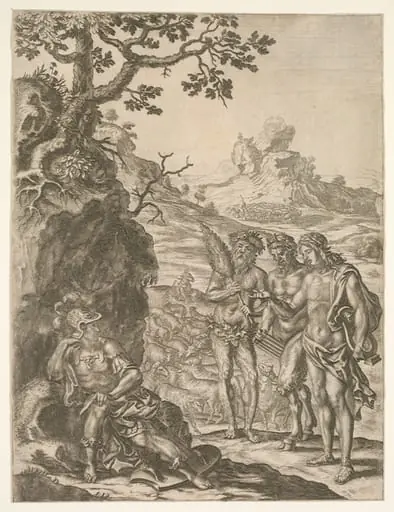 Aeneid
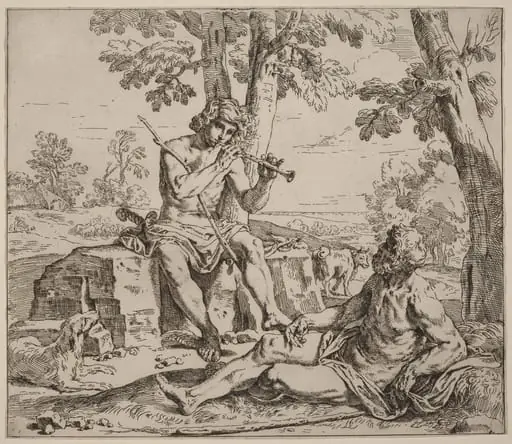 Mercury and Argus
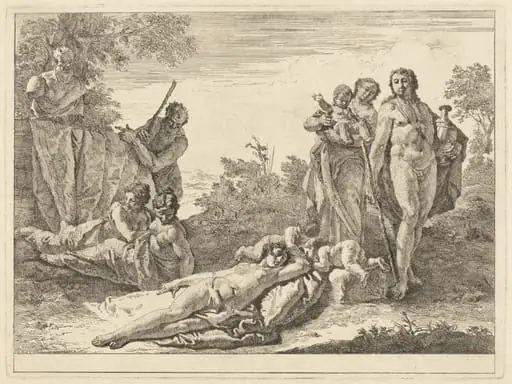 Nine Figures around a Herm of Pan
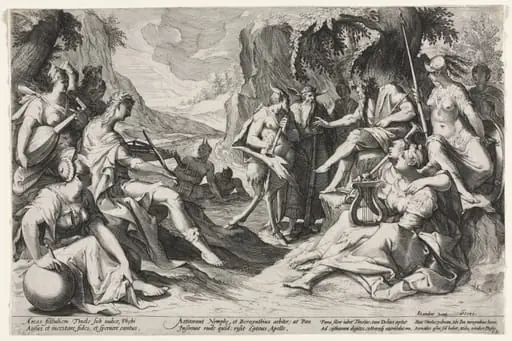 The Judgment of Midas
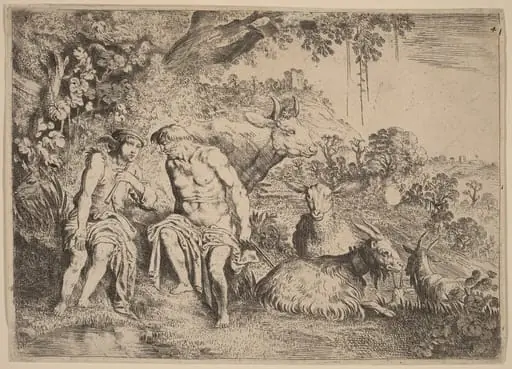 Mercury Lulling Argus to Sleep
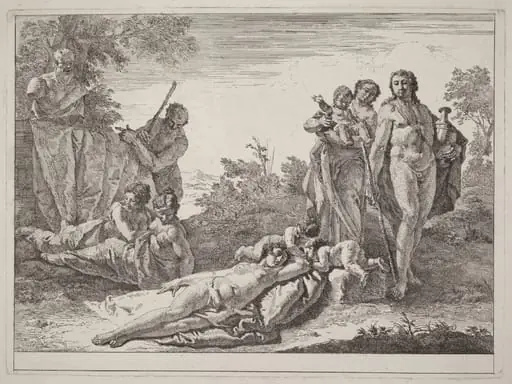 Apollo and Nymphs in a Landscape with a Bust of Pan
 The Musical Contest Between Apollo and Pan