Artwork
A Zülfü Baltaci
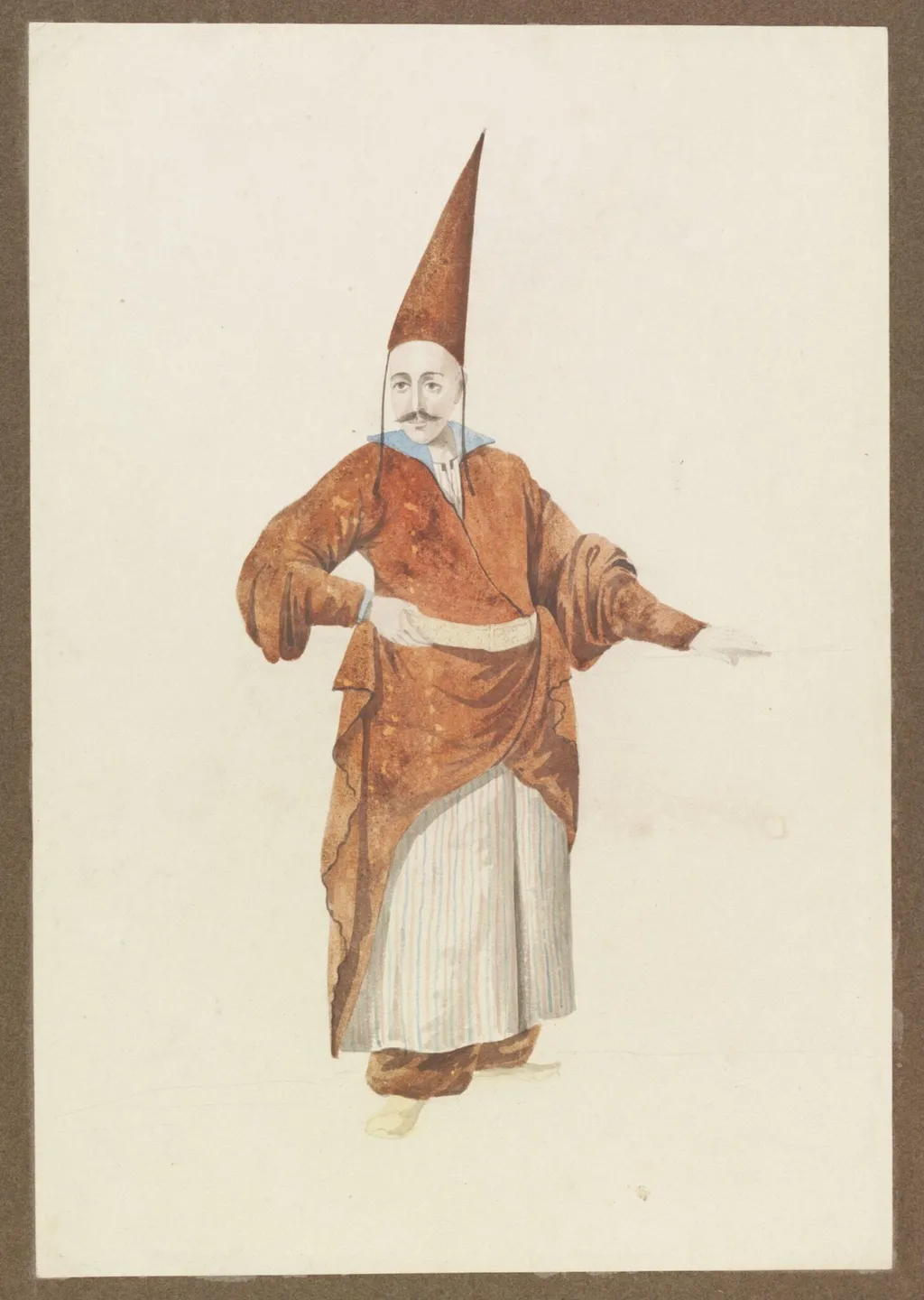
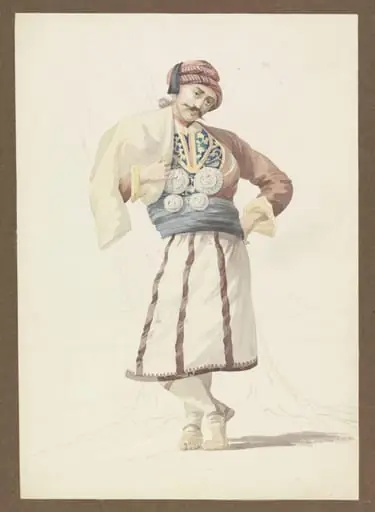
A Zülfü Baltaci is a watercolor work on paper by the American Folk Art artist William Page. It dates from 1820 and is held in the collection of the Victoria and Albert Museum. The watercolor presents a figure identified as a Zülfü Baltacı, a junior servant employed by the Ottoman sultan to transport firewood.
About this work
Overview
The watercolor presents a figure identified as a Zülfü Baltacı, a junior servant employed by the Ottoman sultan to transport firewood.
The watercolor presents a figure identified as a Zülfü Baltacı, a junior servant employed by the Ottoman sultan to transport firewood. Dressed in a tall, conical hat and a loose, long robe with wide sleeves, the man is rendered in muted browns and whites, accented by a blue collar and striped trousers. His pose, with one hand on his hip and the other gesturing outward, suggests a didactic or explanatory stance.
Subject & Meaning
The depiction offers insight into the everyday labor of lower‑rank Ottoman staff, a theme frequently explored in European orientalist studies. By focusing on a servant whose duties involved gathering firewood, the artist highlights a modest, utilitarian aspect of court life, contrasting with the more lavish portrayals of sultans and elite officials.
Technique & Style
Executed in watercolor, the work relies on clear, decisive outlines and flat washes of color, giving the figure a graphic clarity. The palette is restrained, emphasizing the contrast between the brown‑white garments and the blue collar. The simplicity of the rendering suggests reliance on secondary sources rather than direct observation, resulting in a stylized rather than fully naturalistic representation.
History & Provenance
The drawing appears to be a copy of an earlier published illustration or another artist’s study, indicating that the creator did not work from life. It belongs to a broader series of Ottoman studies produced before the artist’s Near Eastern travels, and it may have been influenced by contemporaneous works such as those by L. Dupré.
Context
European fascination with Ottoman costume in the nineteenth century often manifested in scholarly and artistic surveys of courtly attire. This watercolor fits within that tradition, documenting the attire of a specific occupational class and reflecting the period’s interest in cataloguing exotic cultures for a Western audience.
Artist & collection

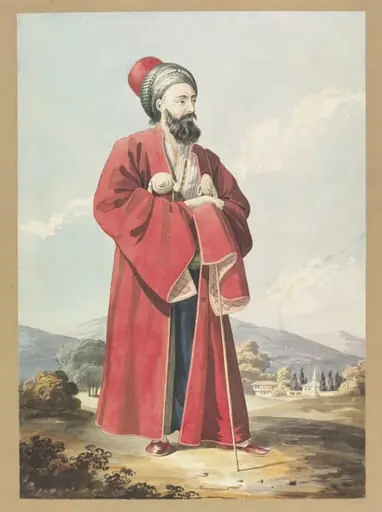
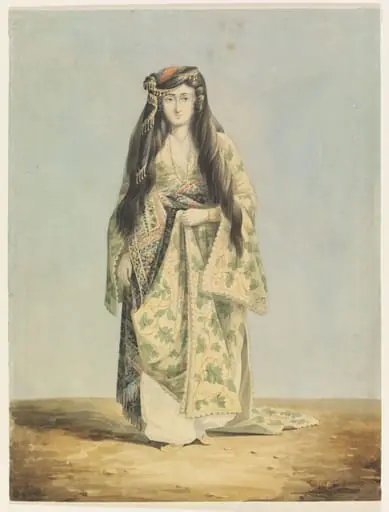
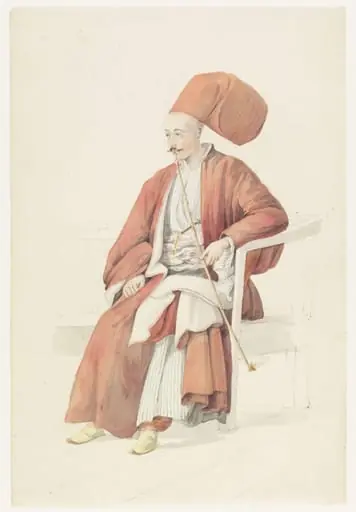 A Bostanci at the Court of the Sultan, seated on a bench, smoking
![A Servant of the Sultan[?], by William Page](https://artifactworldgallery.com/img/william-page--a-servant-of-the-sultan--e1a8abdac6100882-w320.webp) A Servant of the Sultan[?]
A Servant of the Sultan[?]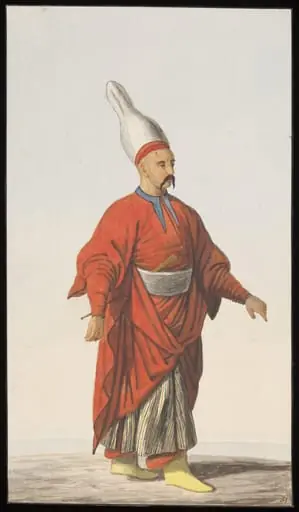 Kozbekçisi, or Steward of the Sultan's Wardrobe
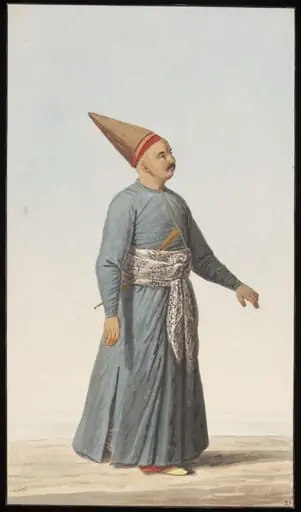 An official in the Sultan's palace
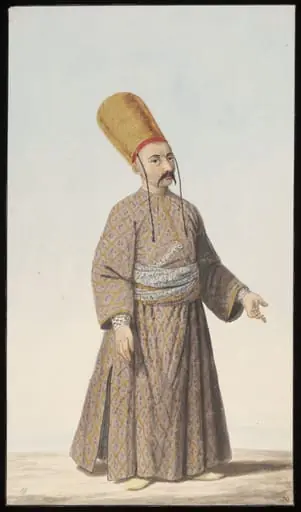 Zülüflü Baltaci, or Page of the first rank to the Sultan
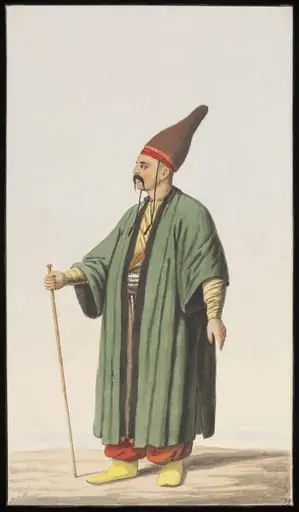 Zülüflü Baltaci, or Page to the Sultan
![A Baltaci[?], or Palace guard, by Anonymous Greek artist](https://artifactworldgallery.com/img/anonymous-greek-artist--a-baltaci-or-palace-guard--931aad5ea3918e2c-w320.webp) A Baltaci[?], or Palace guard
A Baltaci[?], or Palace guard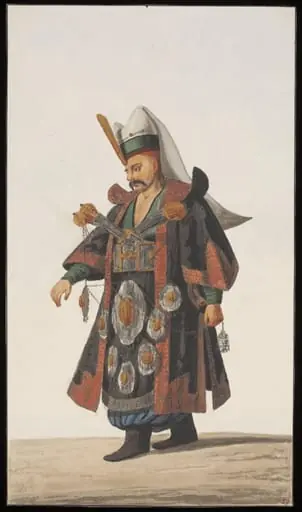 Ascibasi, or Commander of the Janisseries in ceremonial dress
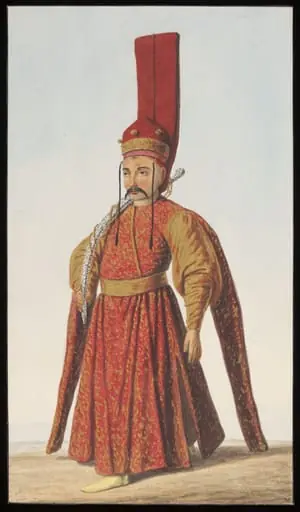 Silâhdar Aga, or sword bearer to the Sultan
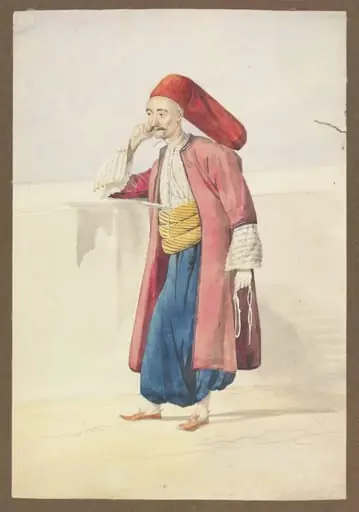 An Official at the Court of the Sultan
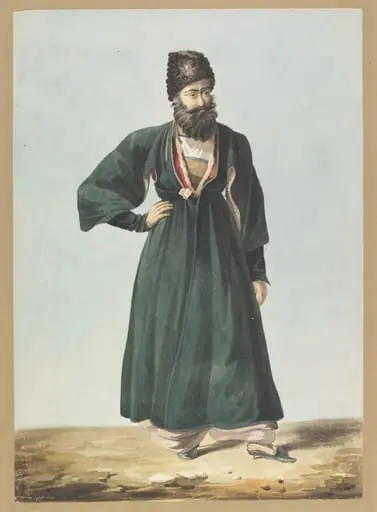 Persian
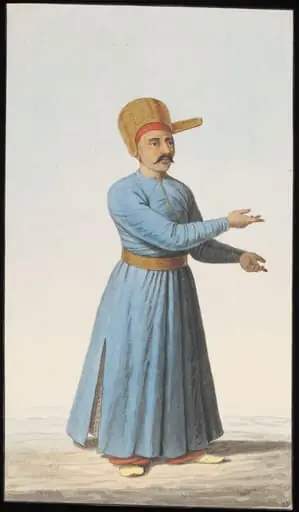 Içoglani, or Page to the Sultan