Artwork
Waterman killing dogs
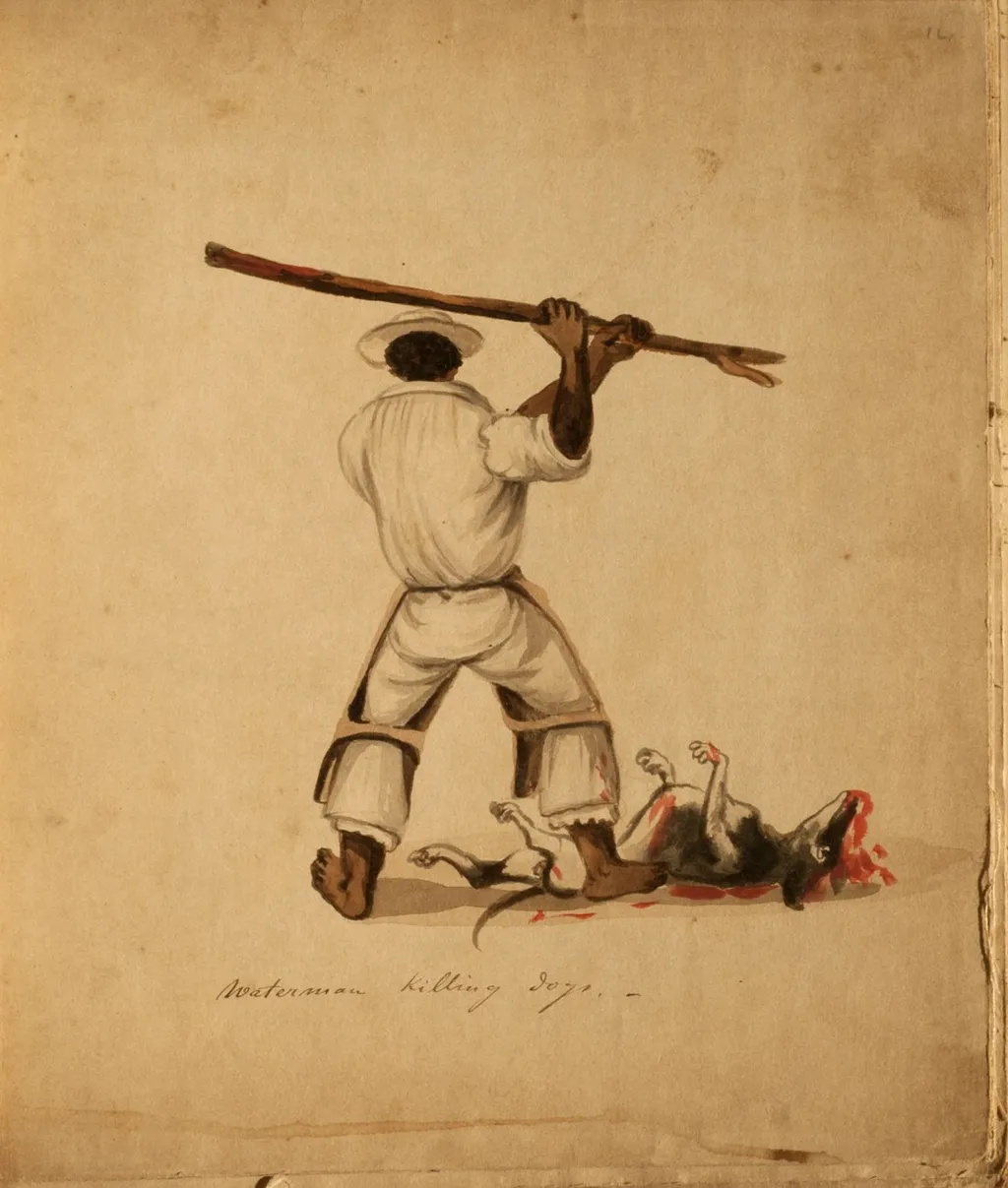
Waterman killing dogs is an unspecified painting by Pancho Fierro. It dates from 1850 and is held in the collection of the National Museum of Fine Arts, Argentina.
About this work
Overview
This piece belongs to a series focused on the unvarnished routines of Lima’s lower classes, rendered in ink and watercolor on paper.
Painted around 1850 by Pancho Fierro, this watercolor captures a moment of rural Peruvian life with stark realism. Fierro, a self-taught artist of Afro-Peruvian descent, produced hundreds of such works documenting daily customs. This piece belongs to a series focused on the unvarnished routines of Lima’s lower classes, rendered in ink and watercolor on paper. It is now held in the National Museum of Fine Arts in Buenos Aires.
Subject & Meaning
The scene shows a water carrier, identifiable by his attire and role, striking a dog with a long staff. The animal lies motionless, blood staining the ground. While the act appears violent, it likely reflects a practical response to stray dogs that threatened water supplies or public health. Fierro presents the moment without moral judgment, offering a neutral record of a common, if harsh, urban practice of the time.
Technique & Style
Fierro employed loose, fluid watercolor washes over ink outlines, a technique suited to rapid sketching. His figures are simplified but expressive, with attention to costume and posture rather than anatomical precision. The palette is muted, dominated by earth tones and white, emphasizing the starkness of the scene. The composition is direct and unadorned, prioritizing narrative clarity over aesthetic embellishment.
History & Provenance
The painting emerged from Fierro’s extensive portfolio of costumbrista scenes, circulated among Lima’s elite and foreign visitors in the mid-19th century. Many of his works were collected as ethnographic curiosities. This particular piece entered the collection of the National Museum of Fine Arts in Buenos Aires in the 20th century, likely through acquisition or donation, though its exact path from Peru to Argentina remains undocumented.
Context
In mid-1800s Lima, stray dogs were a persistent urban problem, often culled to protect water sources and public order. Water carriers, essential workers who transported water from rivers to households, were among those tasked with managing such threats. Fierro’s depiction aligns with broader regional practices and reflects the intersection of necessity, class, and animal control in a rapidly changing colonial society.
Legacy
Fierro’s work, once dismissed as mere folk art, is now recognized as a vital visual archive of 19th-century Peru. His unidealized portrayals of laborers, street vendors, and marginalized communities offer insight into social hierarchies and daily realities often omitted in official histories. 'Waterman killing dogs' endures as a quiet testament to the unglamorous, often brutal, routines of urban survival.
Artist & collection
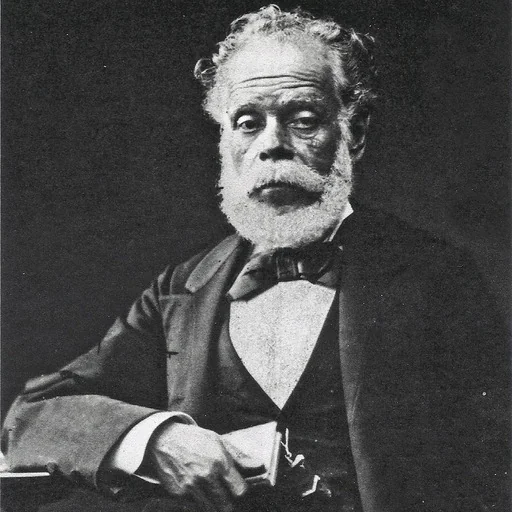
Artist
Francisco Fierro Palas, called "Pancho" Fierro (c. 1807/1809 – 28 July 1879), was a Peruvian painter, known primarily for his costumbrista watercolors, which depict his country's life and customs.

Museum
National Museum of Fine Arts, Argentina
Continue through works from the same source collection.
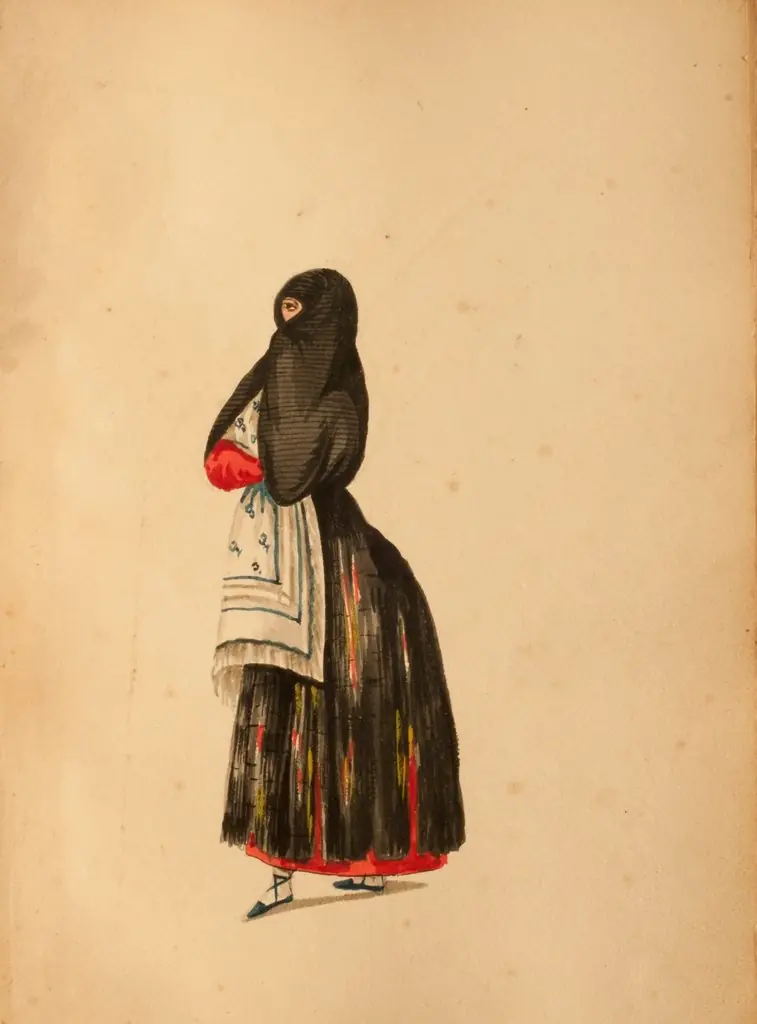
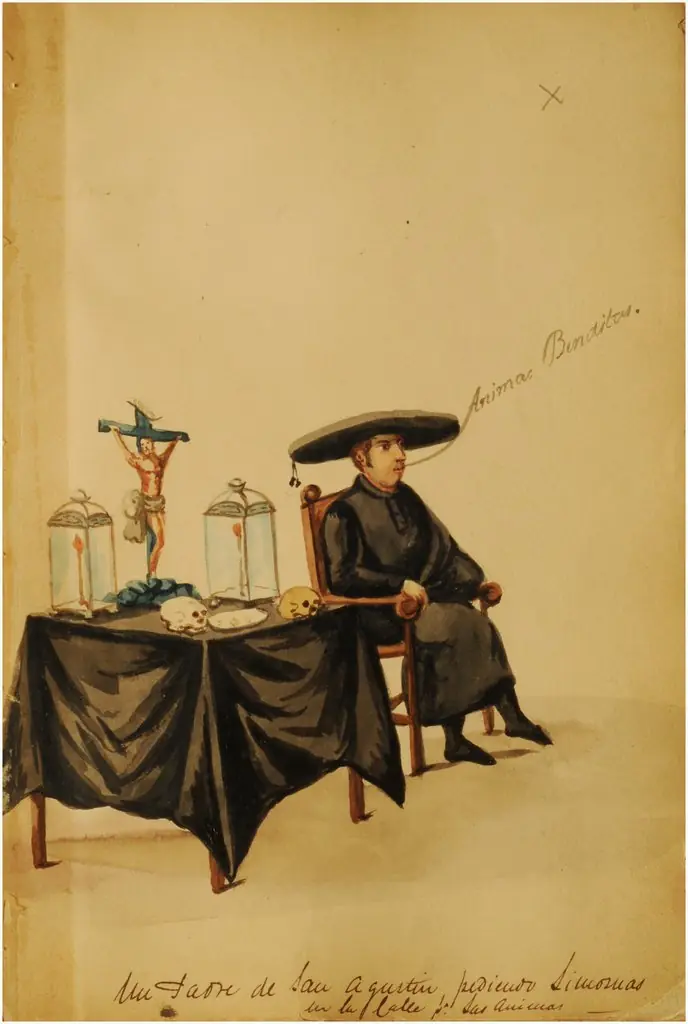
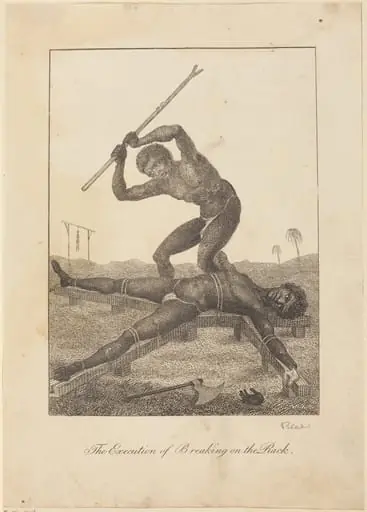 The Execution of Breaking on the Rack
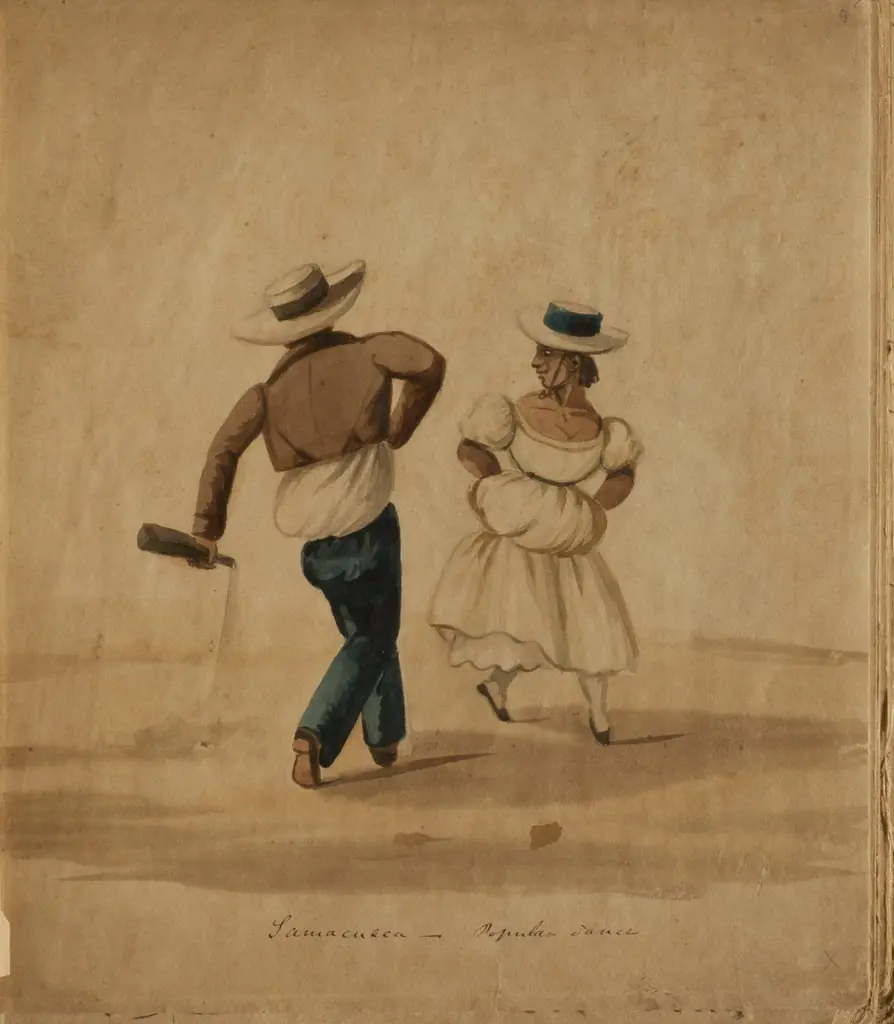 Popular dance
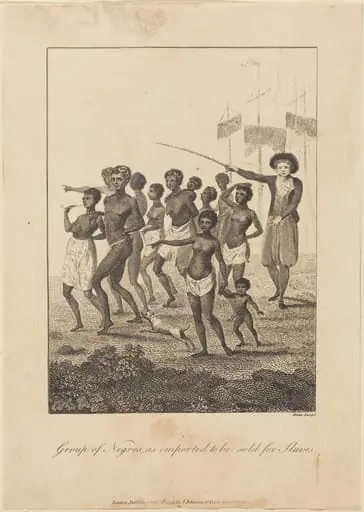 Group of Negros, as imported to be sold for Slaves
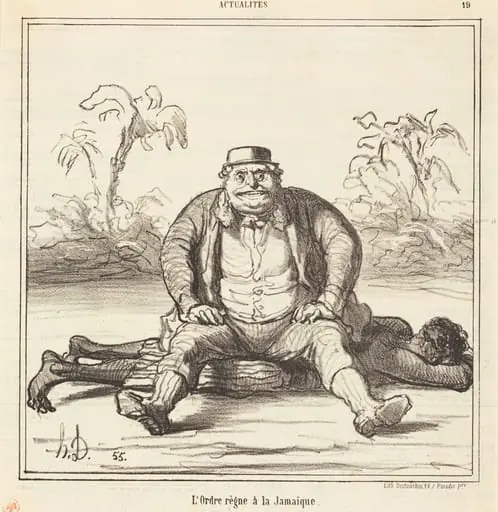 L'Ordre règne à la Jamaique
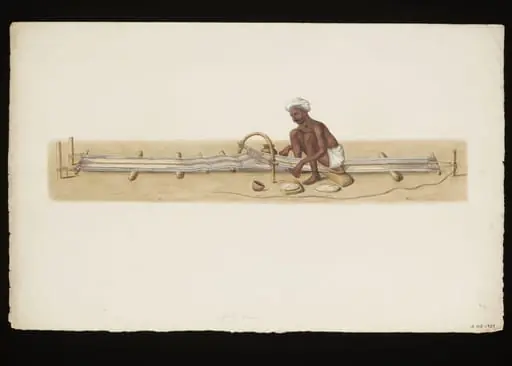 Gunny weaver
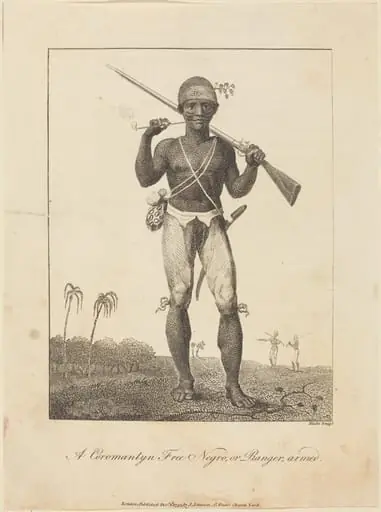 A Coromantyn Free Negro, or Ranger, armed
 Washerman
 Threshing paddy
 Candle seller
 Family of Negro Slaves from Loango
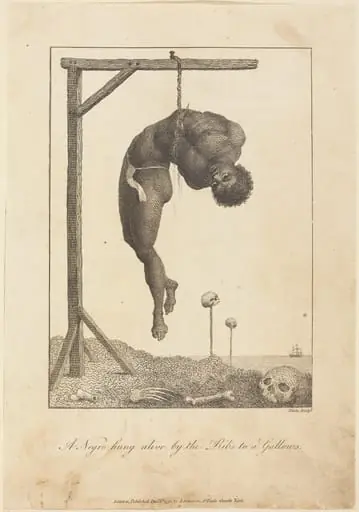 A Negro hung alive by the Ribs to a Gallows
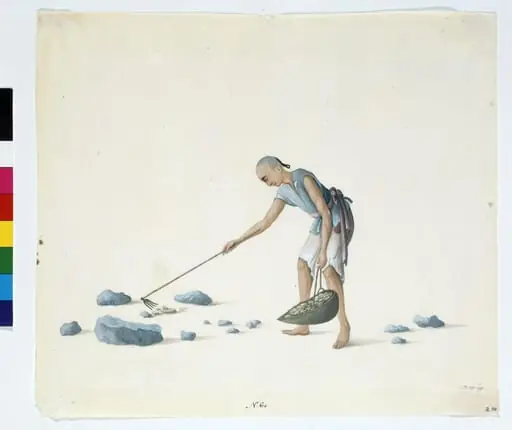 Man Collecting Dung