Artwork
Catherine Manners, Duchess of Buckingham
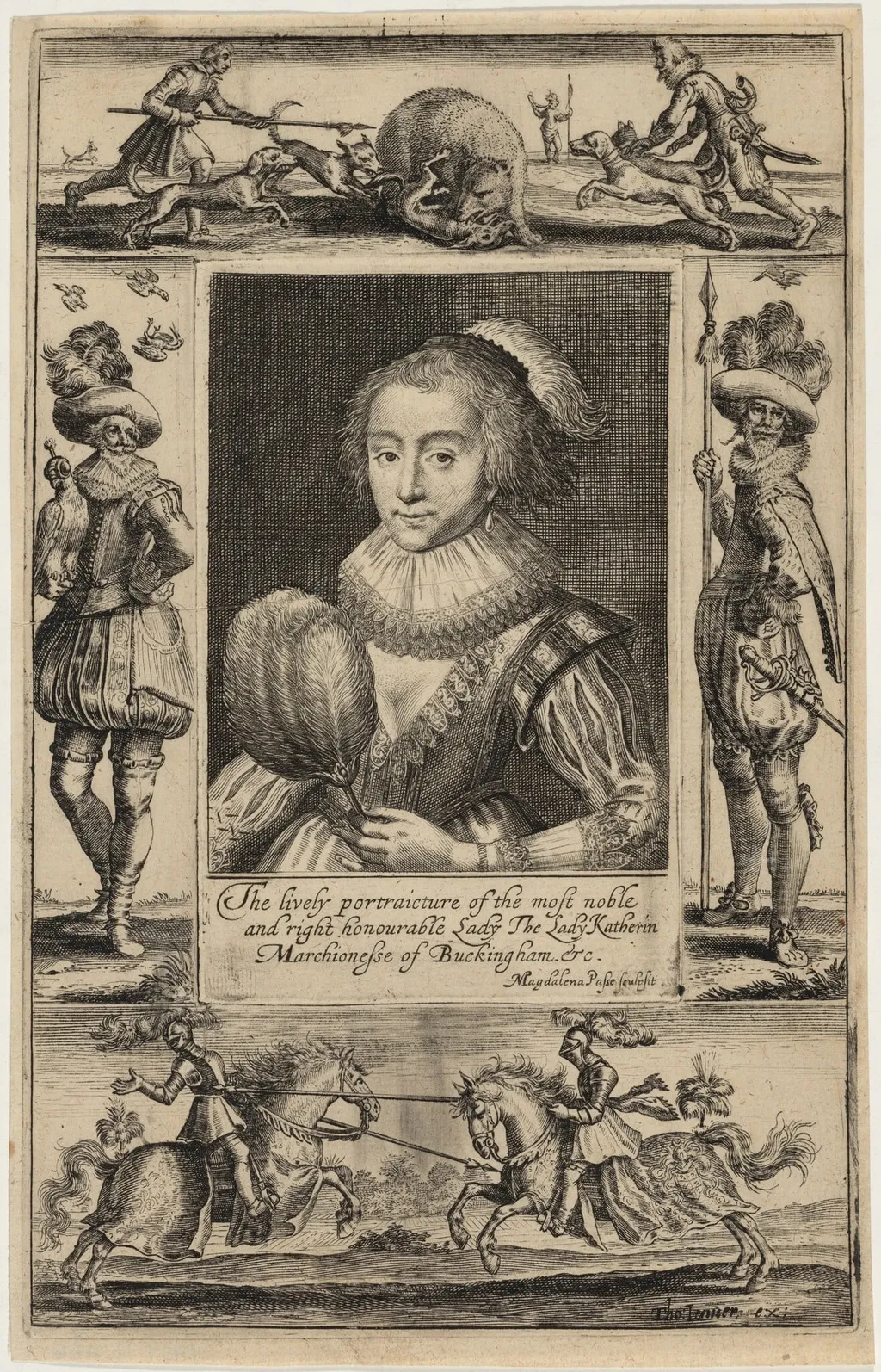
Catherine Manners, Duchess of Buckingham is an ink print by the Baroque artist Magdalena van de Passe. It dates from 1620 and is held in the collection of the National Gallery of Art.
About this work
Overview
An engraving from 1620 by Magdalena van de Passe depicts Catherine Manners, Duchess of Buckingham, in formal attire. Rendered in monochrome on laid paper, the portrait centers her still figure amid a border of dynamic hunting scenes. The composition contrasts her composed demeanor with the movement of surrounding figures, emphasizing her status through both pose and placement.
Subject & Meaning
Catherine Manners, portrayed as Lady Katherine, Marchioness of Buckingham, is shown with dignified restraint, her gaze direct and serene.
Catherine Manners, portrayed as Lady Katherine, Marchioness of Buckingham, is shown with dignified restraint, her gaze direct and serene. The surrounding vignettes of boar and deer hunts symbolize aristocratic leisure and dominion over nature. These scenes reinforce her noble identity, linking her to the martial and territorial values of her class, while her stillness positions her as the moral and social anchor of the imagery.
Technique & Style
Magdalena van de Passe employed fine line engraving on a metal plate to achieve intricate detail. The central portrait is rendered with soft, controlled strokes, while the border scenes use sharper, more energetic lines to convey motion. The contrast in line quality between the calm figure and the active hunts reflects a deliberate compositional strategy, blending portraiture with narrative ornamentation common in early 17th-century printmaking.
History & Provenance
Created in 1620, the engraving was likely produced to commemorate Catherine Manners’ elevated status following her marriage to George Villiers, later Duke of Buckingham. It circulated among elite circles as a status object, possibly commissioned by the family or their associates. The print survives in a limited number of impressions, with examples held in major European and American print collections.
Context
In early 17th-century England, engraved portraits of noblewomen often incorporated allegorical or thematic borders to convey lineage, virtue, or power. Hunting scenes were conventional symbols of aristocratic privilege. Van de Passe, one of the few prominent female engravers of her time, worked within a family workshop known for producing such refined portraits, bridging Dutch and English artistic traditions.
Legacy
The engraving endures as a rare example of a woman artist portraying a female noble in a complex, multi-scene format. It reflects the role of print in constructing aristocratic identity and highlights the technical skill of female artisans in a male-dominated field. Though not widely reproduced today, it remains a significant artifact in the study of gender, status, and print culture in Jacobean England.
Artist & collection

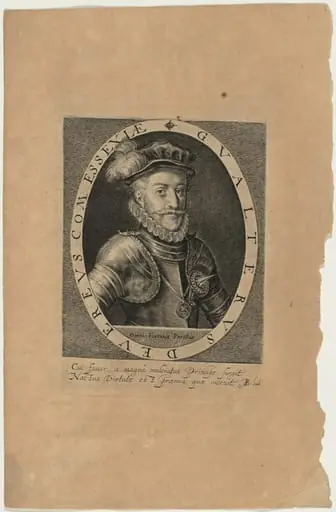 Walter Devereux, First Earl of Essex
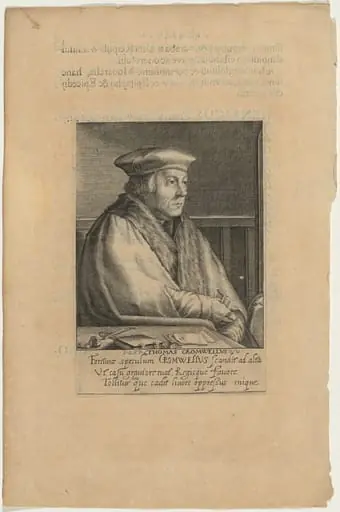 Thomas Cromwell, Earl of Essex
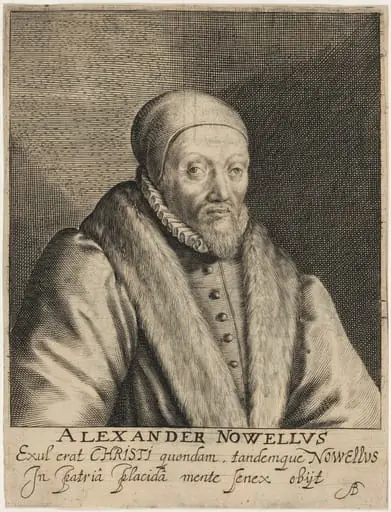 Alexander Nowell, Dean of Saint Paul's
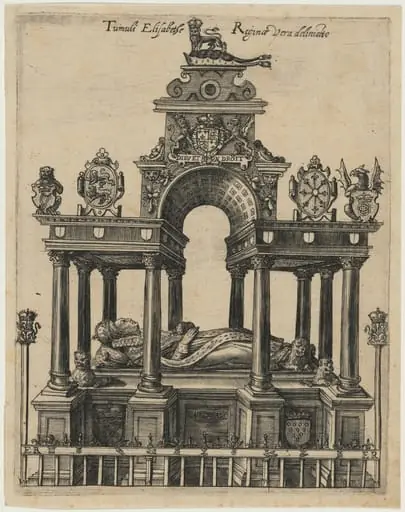 Elizabeth's Tomb
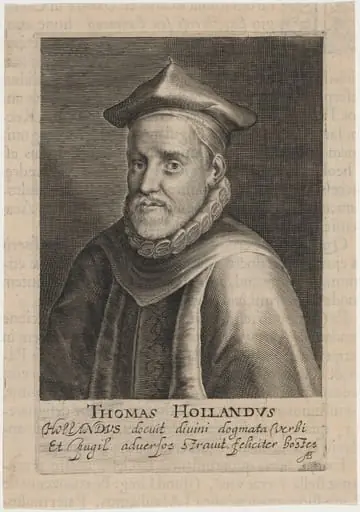 Thomas Holland, Regius Professor of Divinity at Oxford, and Rector of Exeter College
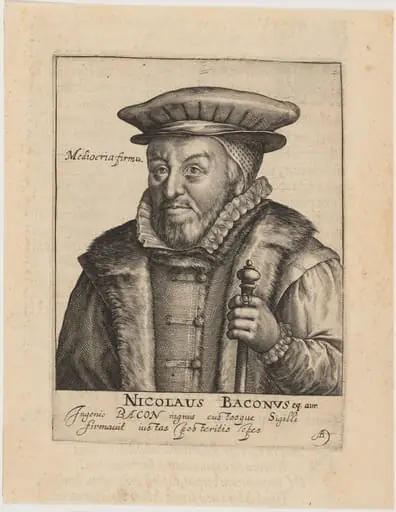 Sir Nicholas Bacon, Lord Keeper
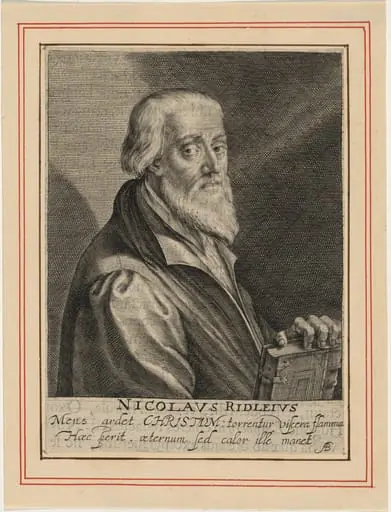 Nicholas Ridley, Bishop of London, Protestant Martyr
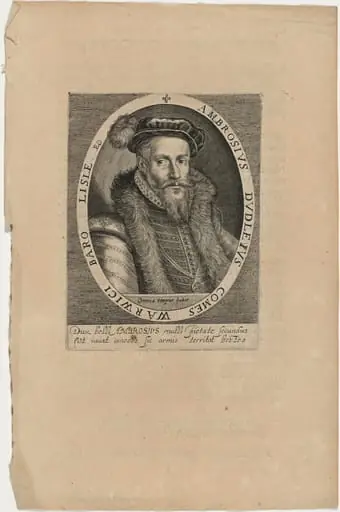 Ambrose Dudley, Earl of Warwick
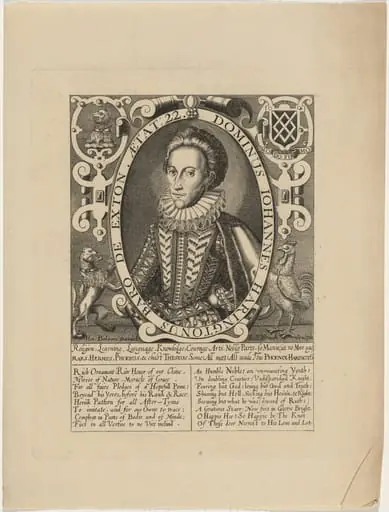 John Harington, Second Baron of Exton
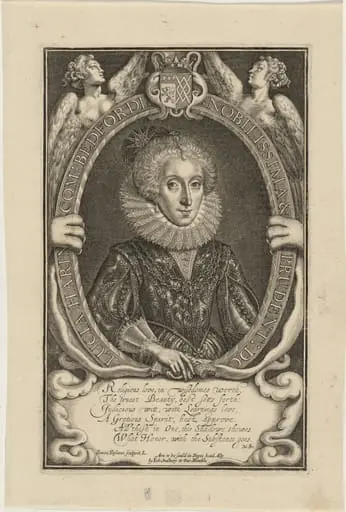 Lucia Harrington, Countess of Bedford
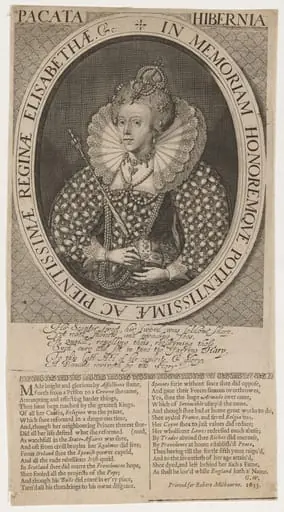 Queen Elizabeth
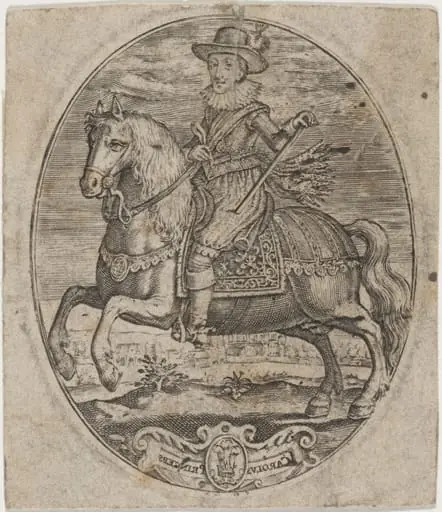 Charles I, King of England, on Horseback
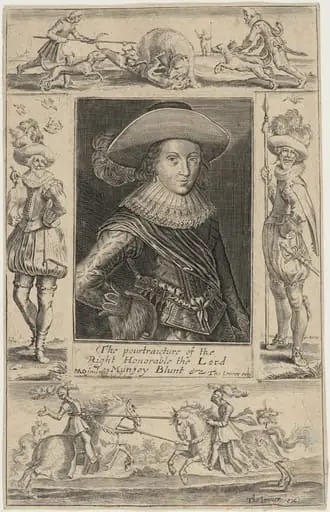 Mountjoy Blount, First Earl of Newport
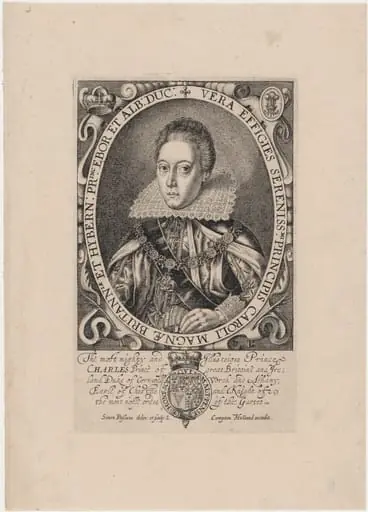 Charles I, Prince of Great Britain and Ireland, Duc of Cornwall and Yorck
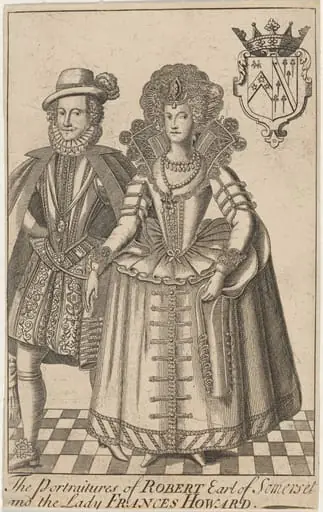 The Portraitures of Robert, Earl of Somerset and Lady Frances Howard
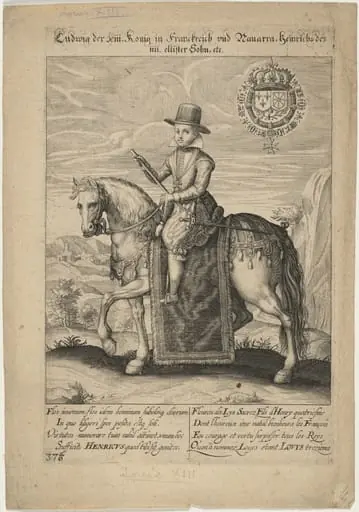 Louis XIII of France
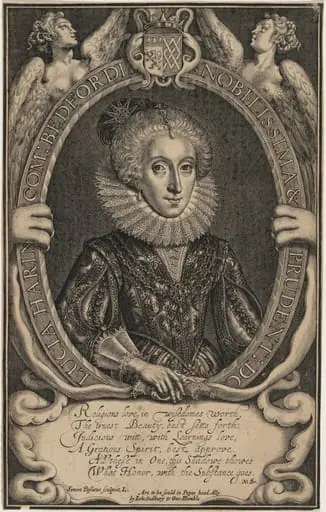 Lucia Harrington, Countess of Bedford
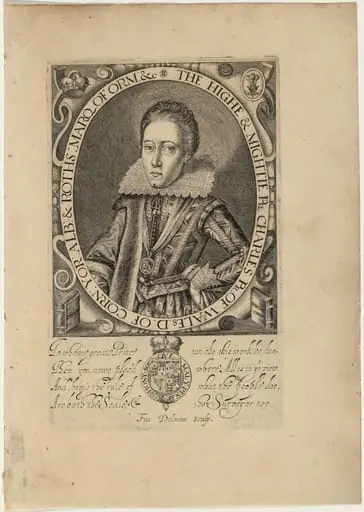 Charles I, as Prince of Wales