Artwork
Henry Frederick, Prince of Wales
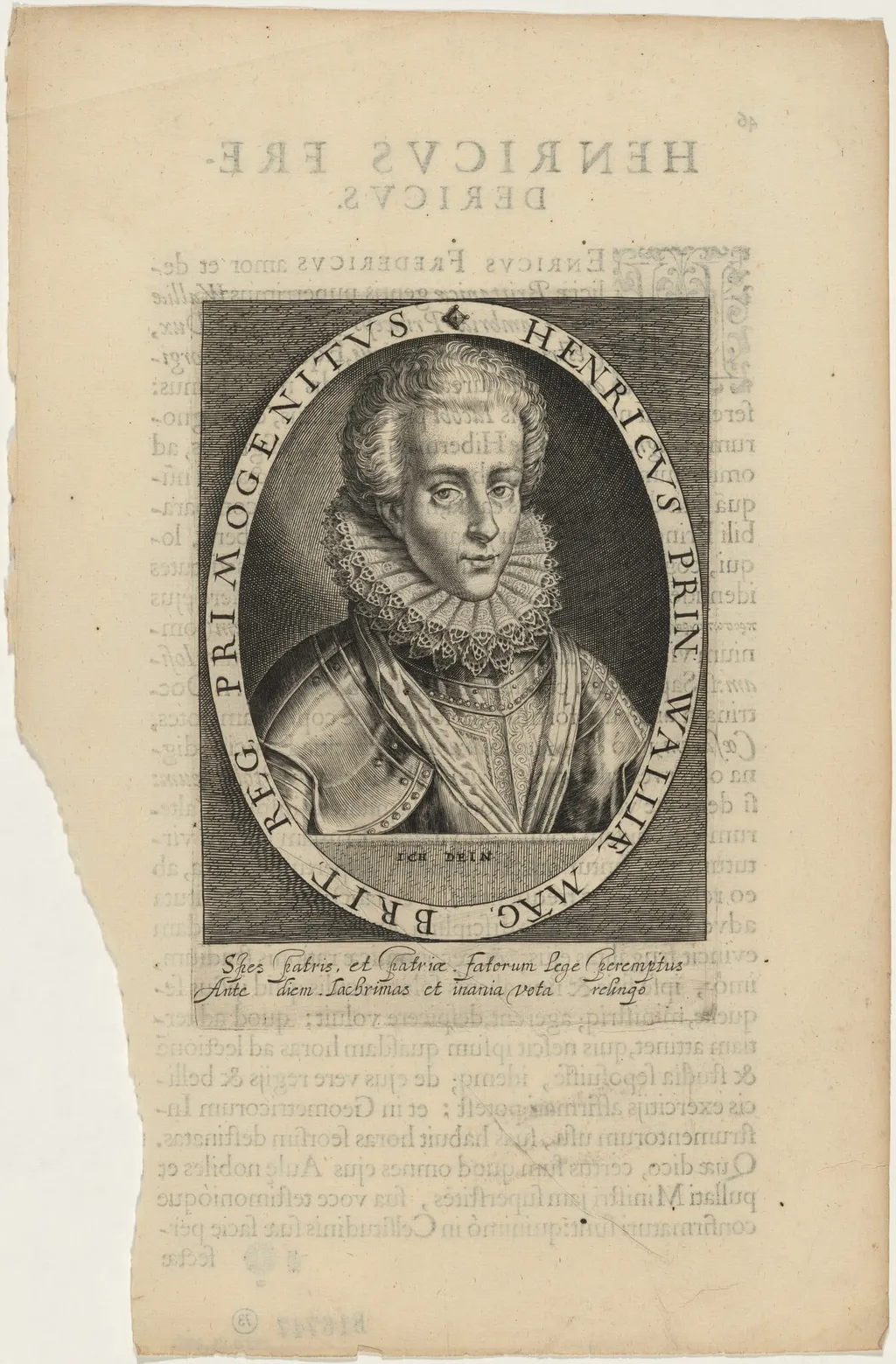
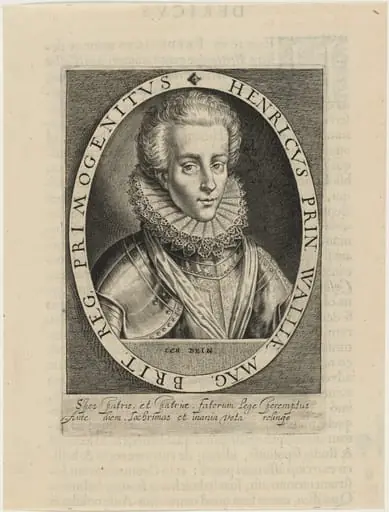
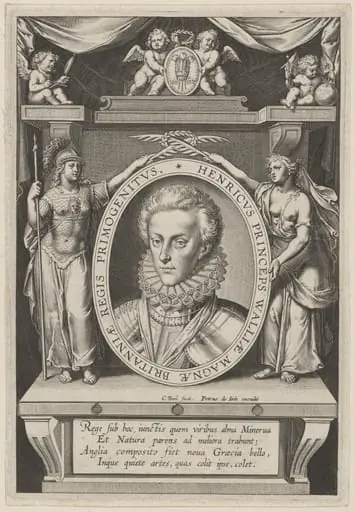
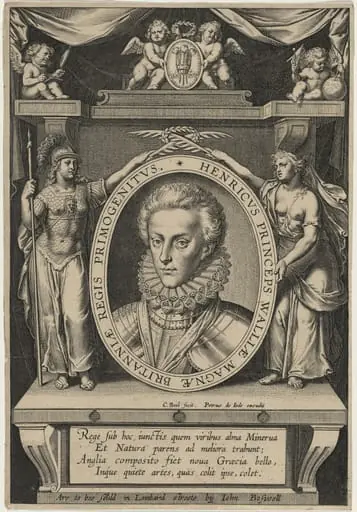
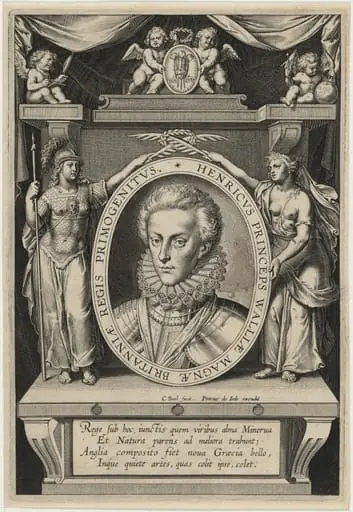
Henry Frederick, Prince of Wales is an ink print by the Baroque artist Magdalena van de Passe. It dates from 1620 and is held in the collection of the National Gallery of Art.
About this work
Overview
Created in 1620, this engraving presents Henry Frederick, Prince of Wales, rendered in a stark black‑and‑white palette.
Created in 1620, this engraving presents Henry Frederick, Prince of Wales, rendered in a stark black‑and‑white palette. The portrait captures the young heir in formal attire—a stiff collar, elaborate ruff, dark doublet with a high neckline, and a decorative chain—conveying the solemnity expected of a royal figure. A ornamental border frames the image, bearing identifying text that situates the sitter within his historical context.
Subject & Meaning
The work depicts Henry Frederick, the eldest son of King James I, who was heir apparent until his untimely death in 1612. By portraying him in regal dress and a serious expression, the print emphasizes his status, potential authority, and the dynastic continuity of the Stuart line. The inclusion of the chain and elaborate clothing underscores his noble rank and the expectations placed upon him as future monarch.
Technique & Style
Executed as an engraving, the image was incised onto a metal plate, allowing for precise line work and subtle tonal variation despite the monochrome medium. Magdalena van de Passe’s hand is evident in the fine hatching that models the fabrics and facial features, while the decorative border demonstrates the period’s penchant for integrating text and ornamentation within portrait prints.
History & Provenance
The print was produced by Magdalena van de Passe, a member of the prominent Dutch van de Passe family of engravers active in the early seventeenth century. Though the portrait was made after the prince’s death, it circulated as a commemorative image, likely distributed among court circles and collectors interested in royal portraiture. Surviving copies are found in several European print collections, reflecting its continued relevance as a historical document.
Artist & collection

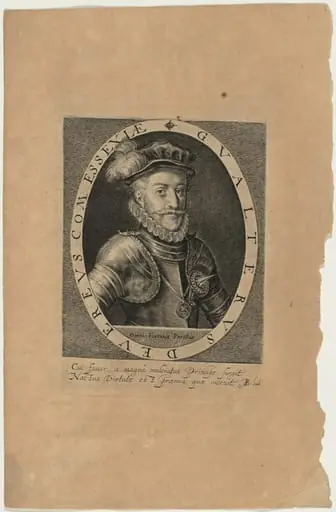 Walter Devereux, First Earl of Essex
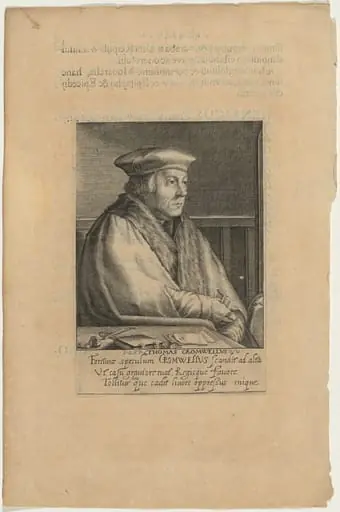 Thomas Cromwell, Earl of Essex
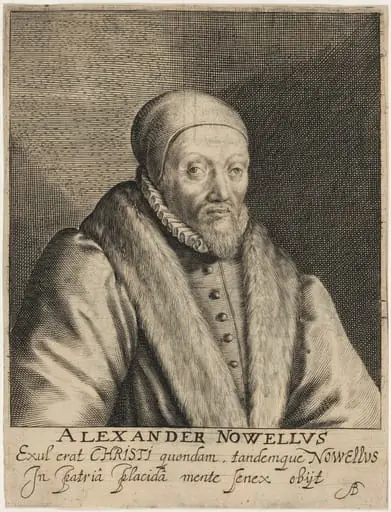 Alexander Nowell, Dean of Saint Paul's
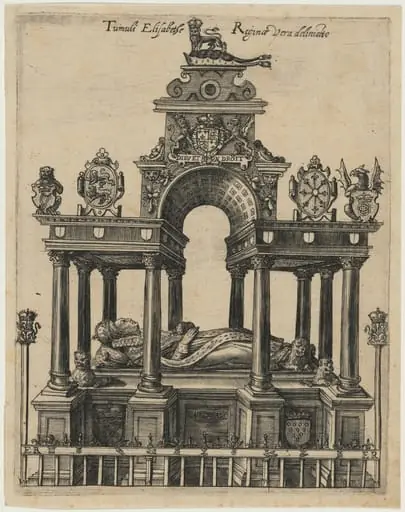 Elizabeth's Tomb
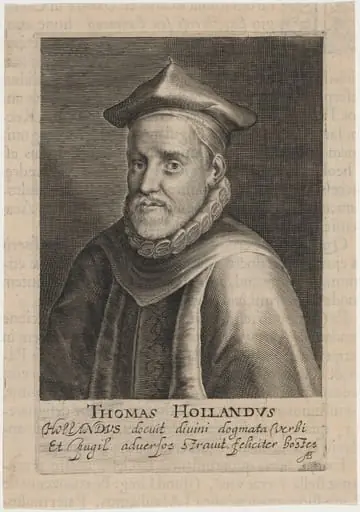 Thomas Holland, Regius Professor of Divinity at Oxford, and Rector of Exeter College
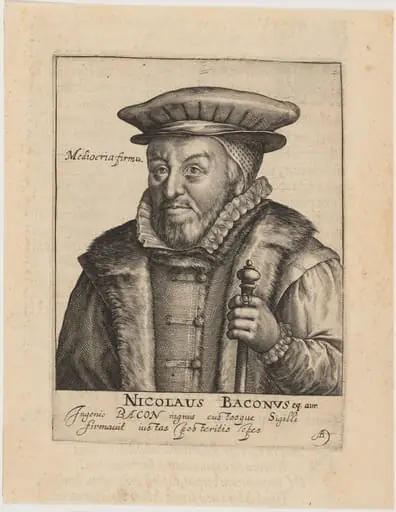 Sir Nicholas Bacon, Lord Keeper
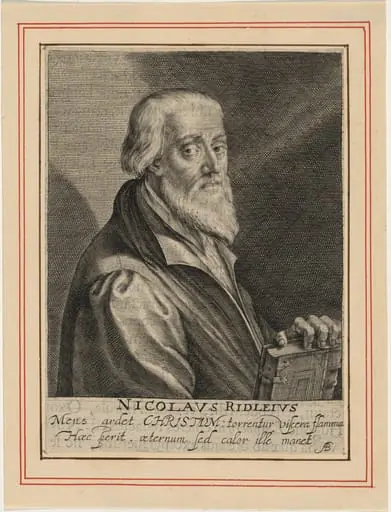 Nicholas Ridley, Bishop of London, Protestant Martyr
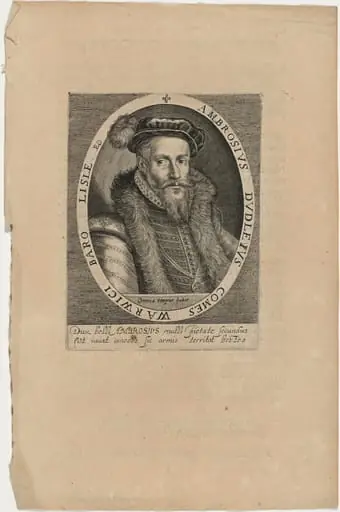 Ambrose Dudley, Earl of Warwick