Artwork
Nowshera, Kashmir (number 1000)
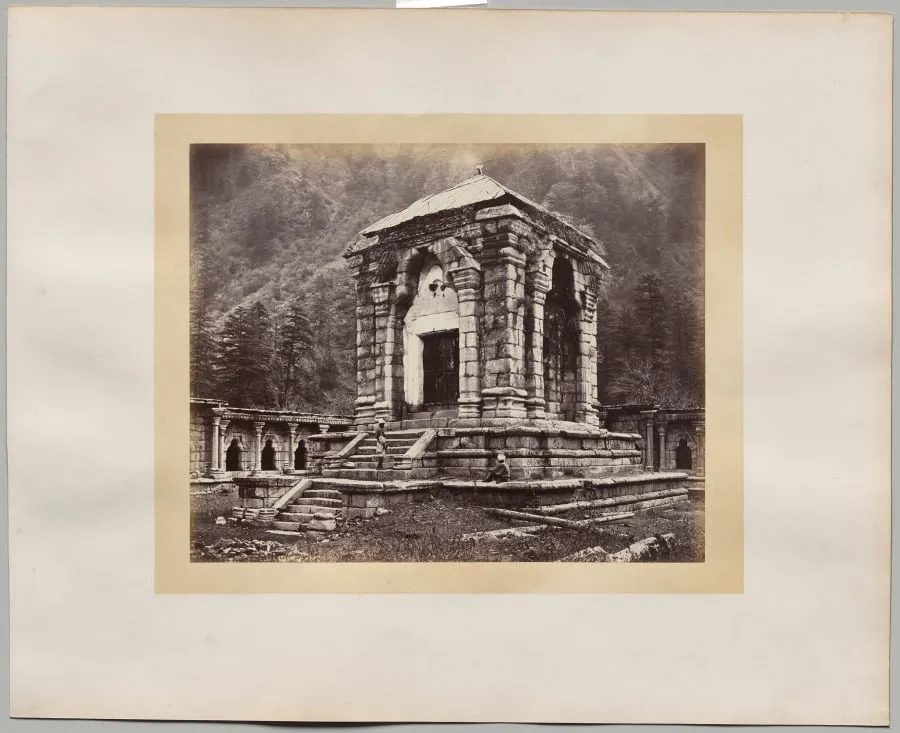
Nowshera, Kashmir (number 1000) is a photography by the Impressionist artist Samuel Bourne. It dates from 1864 and is held in the collection of the Cleveland Museum of Art. The photograph captures a modest stone temple emerging above a high wall in Nowshera, Kashmir, framed by trees and a clear sky.
About this work
The temple’s granite walls have stood since the 700s, making it one of the oldest buildings in the region.
This photo shows a small stone temple peeking over a high wall in Nowshera, Kashmir. Trees and a clear sky frame the scene.
Bourne lugged heavy camera gear up the Himalayas in 1864 to take this shot. The temple’s granite walls have stood since the 700s, making it one of the oldest buildings in the region. Bourne took two photos that day—this one and another that shows the temple roof.
To see how light and shadow shape old photos, look up the technique called *chiaroscuro*.
Overview
The photograph captures a modest stone temple emerging above a high wall in Nowshera, Kashmir, framed by trees and a clear sky. The image, taken in 1864, documents the structure’s enduring granite construction, which distinguishes it from the region’s more typical limestone edifices.
Subject & Meaning
The temple, known as the Buniyar Temple, exemplifies early Kashmiri religious architecture. Its placement behind a protective wall suggests a historic emphasis on seclusion and sanctity, while the surrounding natural landscape underscores the integration of built and natural environments in the region.
Technique & Style
Photographer Bourne employed a large-format camera, typical of mid‑19th‑century field work, to capture the scene with considerable depth of field. The interplay of light and shadow across the granite walls highlights the chiaroscuro effect, emphasizing the monument’s solid mass and the texture of its stone surfaces.
History & Provenance
The temple’s granite walls are dated to the 8th century, making it one of the oldest surviving structures in Kashmir. Bourne’s expedition up the Himalayas in 1864 resulted in two photographs of the site: this view of the temple’s façade and a companion image showing the roof.
Context
Granite was an uncommon building material in Kashmir, where limestone predominated, contributing to the temple’s exceptional preservation. Its construction during the early medieval period reflects the region’s architectural developments under local dynasties prior to later Islamic influences.
Legacy
The 1864 photographs provide rare visual documentation of the temple’s original appearance, informing contemporary conservation efforts and scholarly understanding of early Kashmiri stone architecture.
Artist & collection

Artist
Samuel Bourne was a British photographer known for his prolific seven years' work in India, from 1863 to 1870.

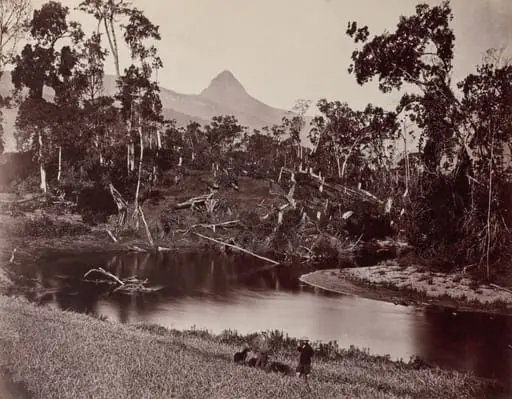 Ceylon Views to Adam's Tooth
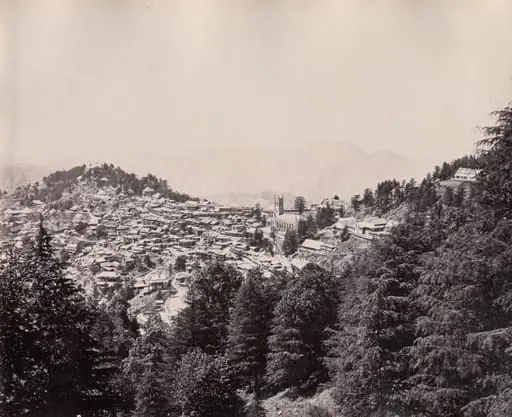 Shimla
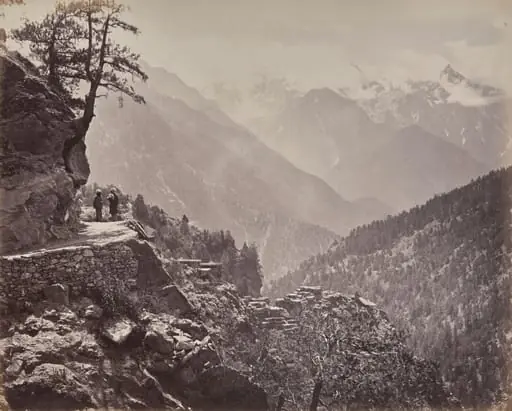 The Upper Himmalayahs. View on the New Road between India and China. Mt. Pangi with the Snowy Peaks of China in the Distance
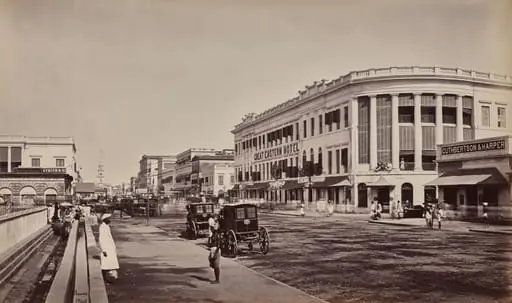 Calcutta. Old Court House Street
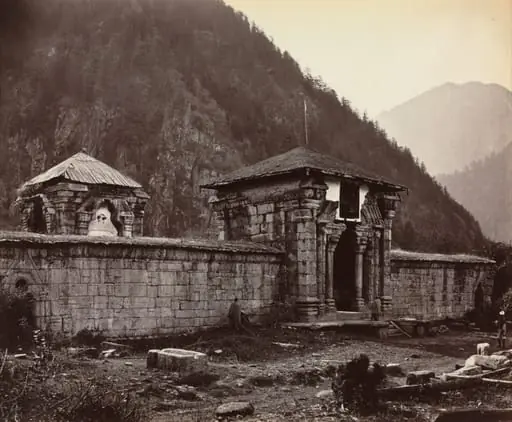 Temple at Naveshera, Kashmir, India
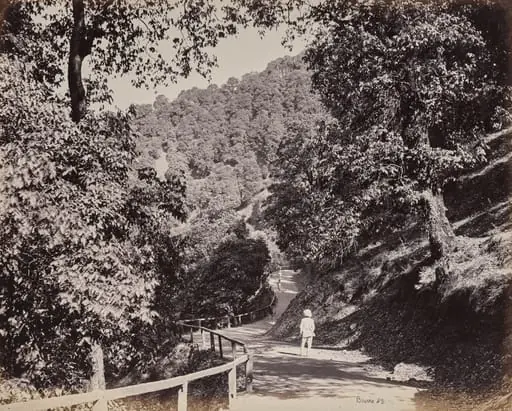 Shimla. The Mall near Rabq Lodge
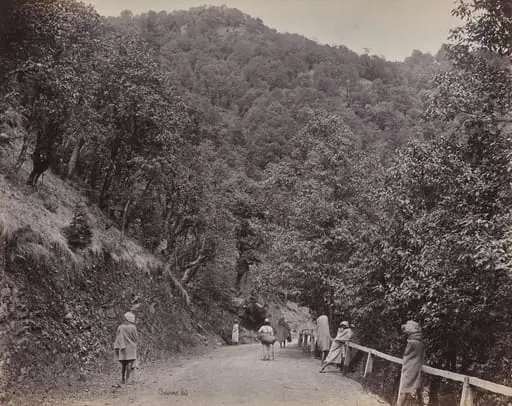 Shimla. The Mall or Principal
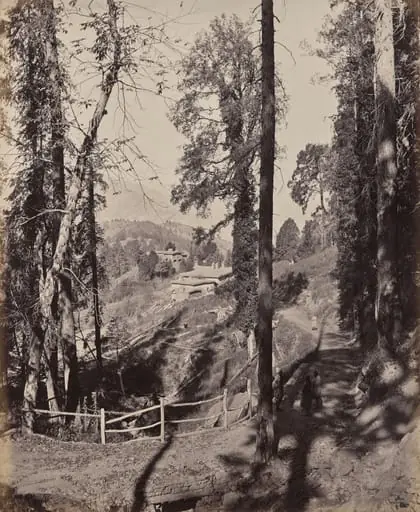 Murree. A Hill Station in the Himmalayahs, View Through the Forest
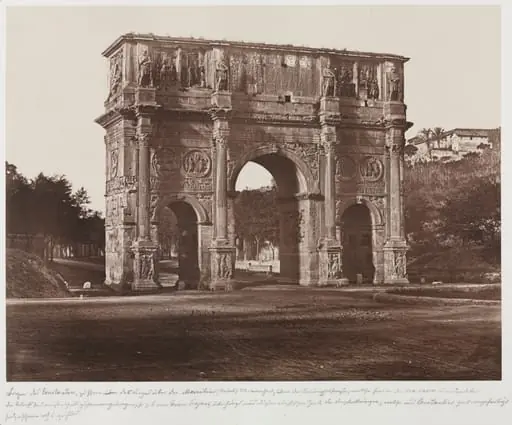 Arch of Constantine, Rome
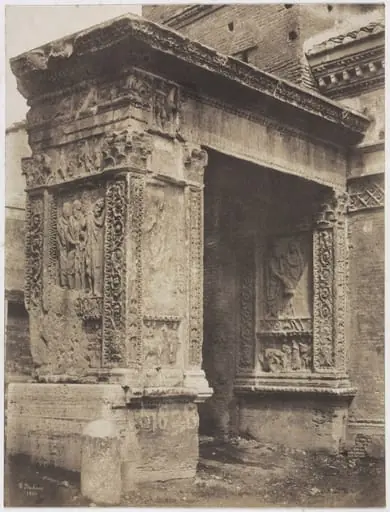 Goldsmith's Arch, Rome
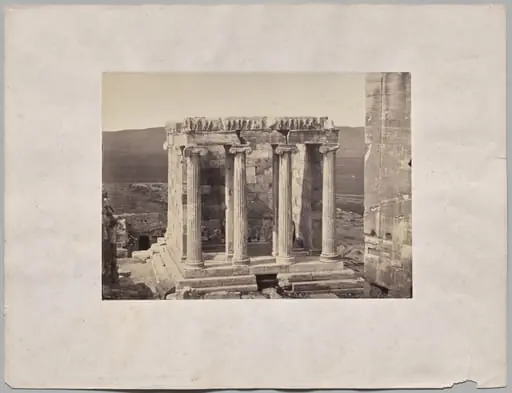 Temple of Athene Nike. Venus Victrix—Wingless Victory
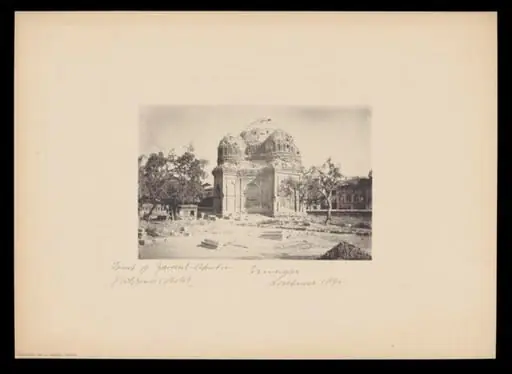 Tomb of Zainul-Abidin, Srinagar, Kashmir
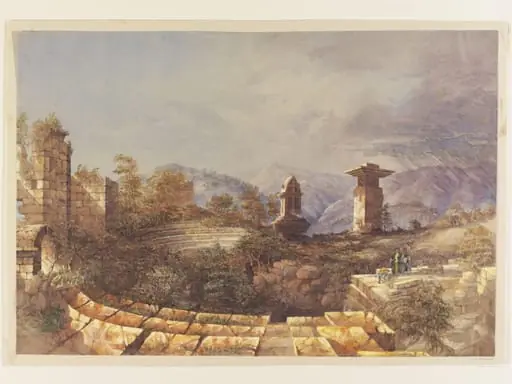 Theatre, with the Sarcophagus and Harpy Tombs, Xanthus
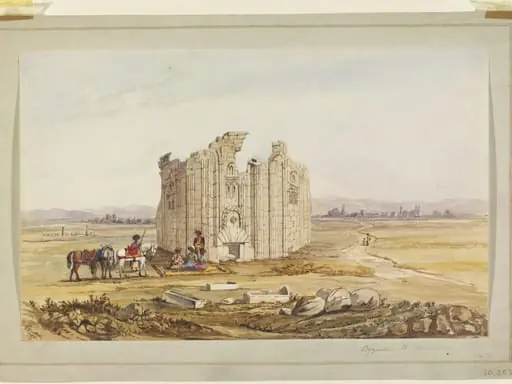 Ancient Armenian Church at Varzahan
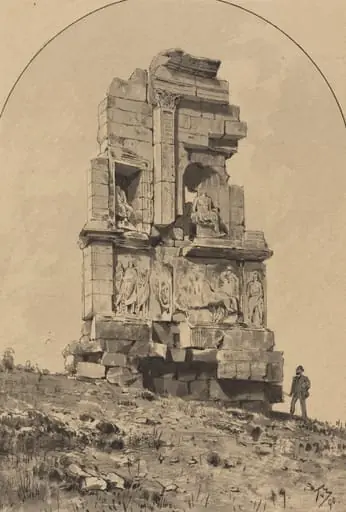 Monument of Philopappos
 Villa Sevillana on the Road from Bona to Constantine