Artwork
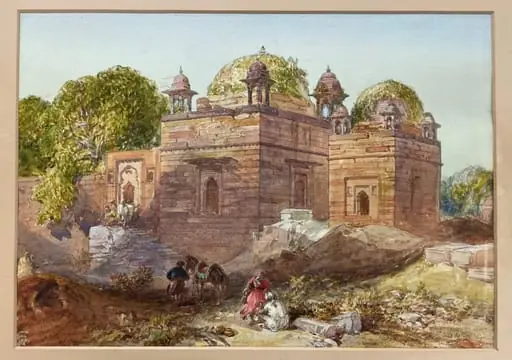
Mermaid gate, Kaiserbagh, Lucknow
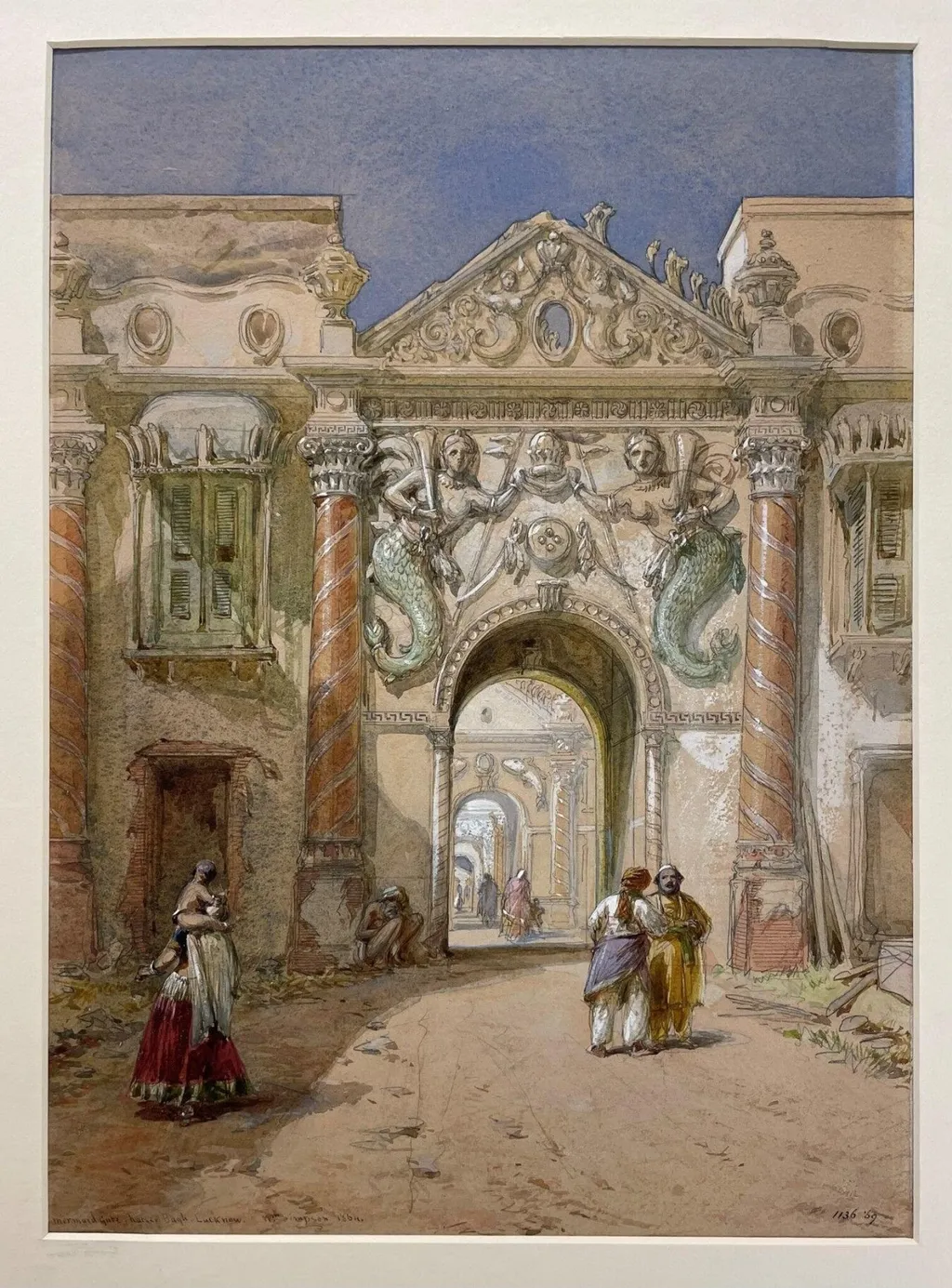
Mermaid gate, Kaiserbagh, Lucknow is a paint painting by the Impressionist artist William Simpson. It dates from 1864 and is held in the collection of the Victoria and Albert Museum.
About this work
This painting shows a grand gateway called Mermaid Gate in Lucknow. It was made in 1864 by William Simpson. He painted it in watercolour after trips to India.
Simpson was known for war scenes first. He then sketched Indian sites tied to the 1857 Revolt. His Indian work turned out rich and vivid.
Check out the Victoria and Albert Museum.
Overview
William Simpson, known initially for his war sketches during the Crimean War, turned his focus to India after arriving in Calcutta in 1859.
William Simpson, known initially for his war sketches during the Crimean War, turned his focus to India after arriving in Calcutta in 1859. Commissioned by Day and Sons, he documented architectural sites linked to the 1857 Revolt. His watercolour of the Mermaid Gate, completed in 1864, emerged from field sketches made during his travels, later refined in London. The work reflects his transition from documentary reporting to evocative landscape representation.
Subject & Meaning
The Mermaid Gate, or Jal Pari, served as the ceremonial entrance to the Kaiserbagh Palace complex in Lucknow. Its name, meaning 'water fairy,' alludes to the reflective pools and garden surroundings that framed the structure. The gateway marked the passage from public space into the private, ornate realm of Nawab Wajid Ali Shah’s court, symbolizing the fusion of local tradition and European-inspired design that defined the palace’s aesthetic.
Technique & Style
Simpson rendered the gate in watercolour with meticulous detail, capturing architectural elements such as arched openings, ornamental moldings, and the play of light on stonework. His brushwork balances precision with atmospheric softness, enhancing the structure’s romanticized grandeur. The palette, rich in earth tones and subtle blues, reflects his post-travel studio practice, where sketches were transformed into polished, idealized compositions.
History & Provenance
The Kaiserbagh Palace, constructed between 1848 and 1850 for Nawab Wajid Ali Shah, was largely destroyed after the 1857 Revolt. Simpson’s painting, completed in 1864, stands as a visual record of the gateway before its ruin. The work entered the Victoria and Albert Museum’s collection, preserving a fragment of a lost architectural ensemble and offering insight into the Nawab’s cultural ambitions.
Context
Nawab Wajid Ali Shah’s court embraced European architectural motifs, blending them with indigenous forms to create a distinctive Indo-European style. The Mermaid Gate led to Hazrat Bagh, a garden centered on the Chandi Wali Baradari, famed for its silver-clad surfaces. Simpson’s depiction captures this hybridity, reflecting a moment when Lucknow’s royal culture was both flourishing and under threat from colonial upheaval.
Legacy
Simpson’s watercolours of Indian sites, including the Mermaid Gate, contributed to British public perceptions of India’s architectural heritage in the post-Revolt era. While romanticized, they remain valuable historical documents, preserving the appearance of structures lost to conflict. His work helped establish watercolour as a medium for recording colonial landscapes beyond military documentation.
Artist & collection
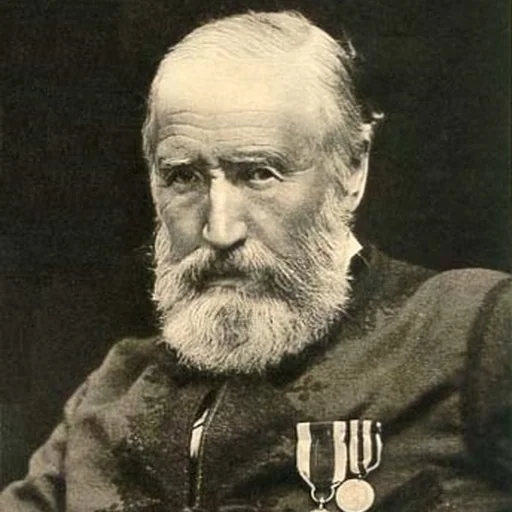

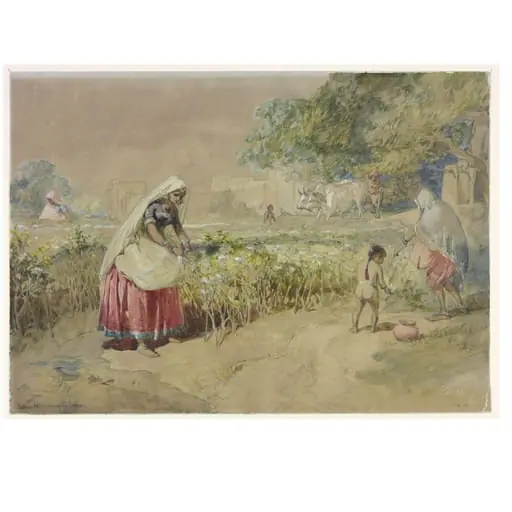
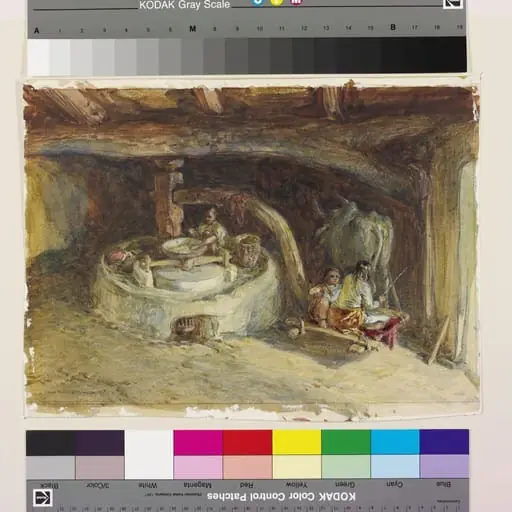
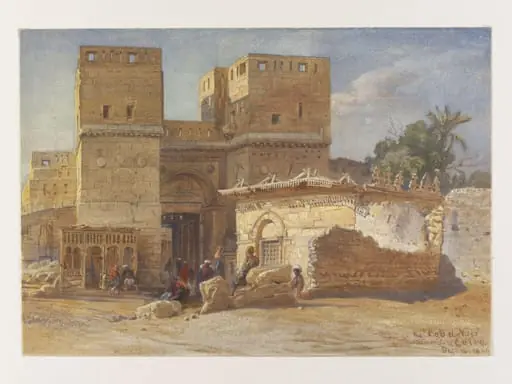 The Bab el Nasr. Cairo
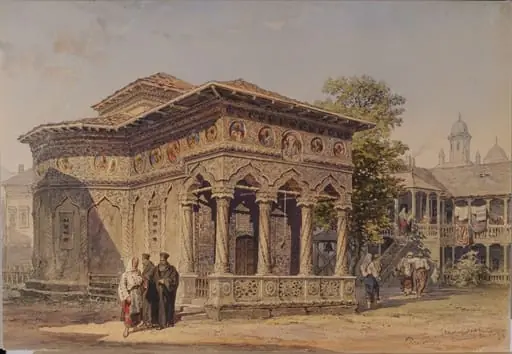 Biserica Stavropoleos
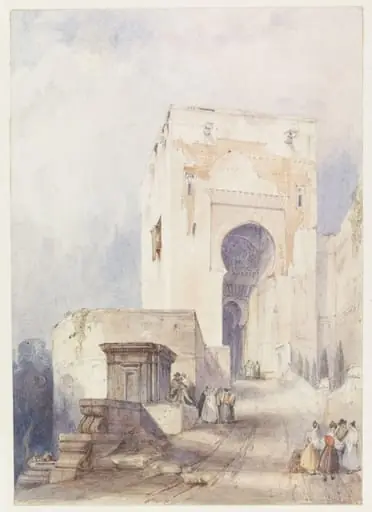 Gate of Justice Alhambra Granada
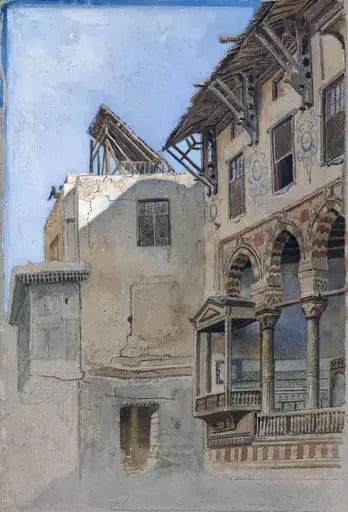 Loggia of the Summer Reception Room (Makad) in the House of the Memluk Raduan Bey, Cairo
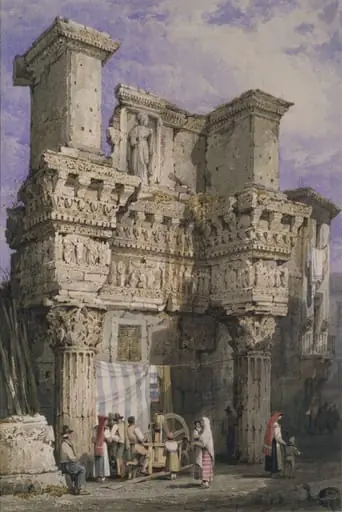 Forum of Nerva, Rome
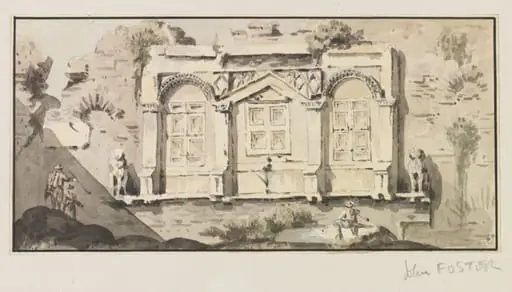 View of the Western facade of the Boukoleon Palace
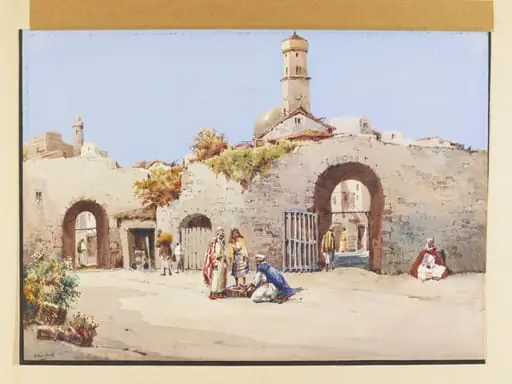 The City Walls, Jaffa, Palestine
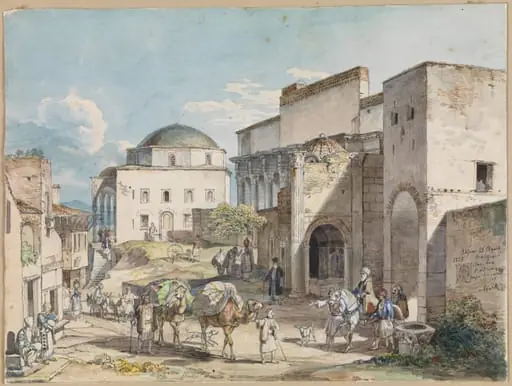 Gadeparti i Athen. Med Hadji Hazekis' palads og Tzistarakis Moskeen