Artwork
Untitled (Experiment—Wet Aquatint)
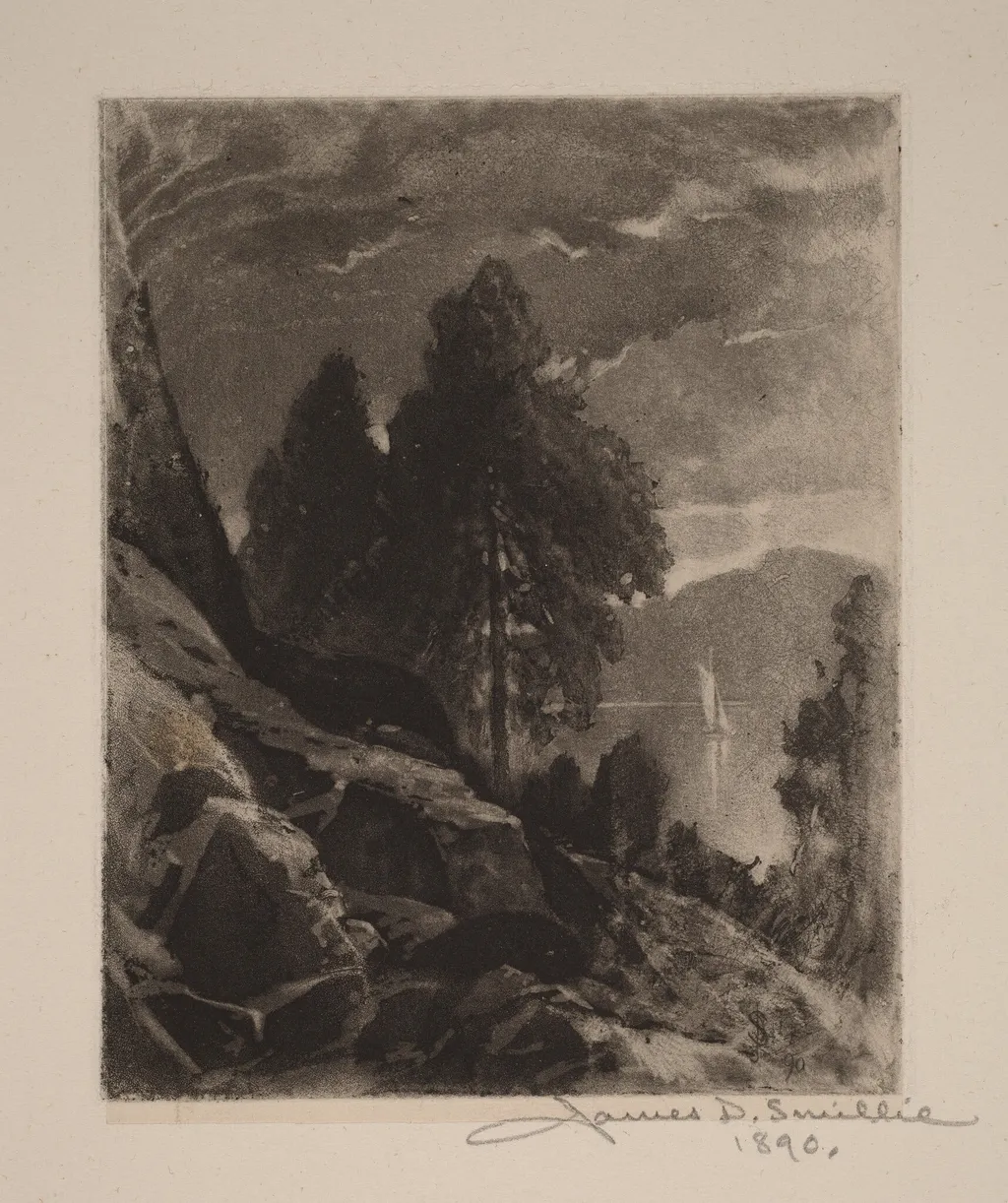
Untitled (Experiment—Wet Aquatint) is an ink print by the Impressionist artist James David Smillie. It dates from 1890 and is held in the collection of the National Gallery of Art.
About this work
Overview
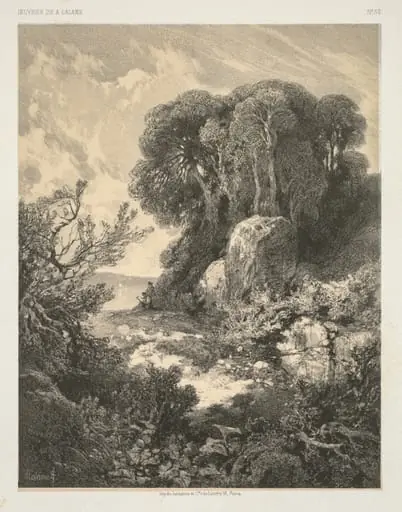
Untitled (Experiment—Wet Aquatint) is a black aquatint print executed by James David Smillie in 1890. The work measures a compact, atmospheric landscape rendered in dense, smudged tones that emphasize a sense of solitude and muted light.
Subject & Meaning
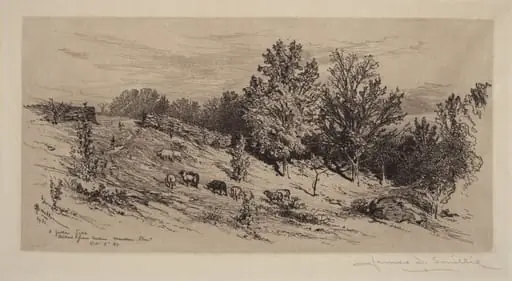
The composition presents a stark hillside where a solitary, twisted tree rises amid jagged rocks. The sky recedes into a veil of gray, suggesting an overcast or twilight setting that heightens the mood of quiet desolation.
Technique & Style
Smillie employed the wet aquatint process, a variation that involves keeping the resin-coated plate damp while applying acid. This allows ink to spread irregularly, producing soft, cloud‑like gradients and a sketch‑like quality that differs from the crisp lines of traditional dry aquatint.
History & Provenance
Created as a technical study, the print was not intended for commercial exhibition but to explore the possibilities of the wet aquatint method. It remains part of the artist’s experimental oeuvre, illustrating his interest in expanding printmaking techniques during the late nineteenth century.
Own this work as a print
Artist & collection

Artist
James David Smillie was an American artist, cofounder of the American Watercolor Society and New York Etching Club. His brother was painter George Henry Smillie.

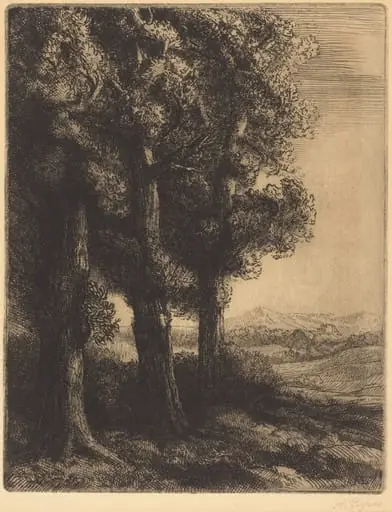 Corner of a Wood (Coin d'un bois)
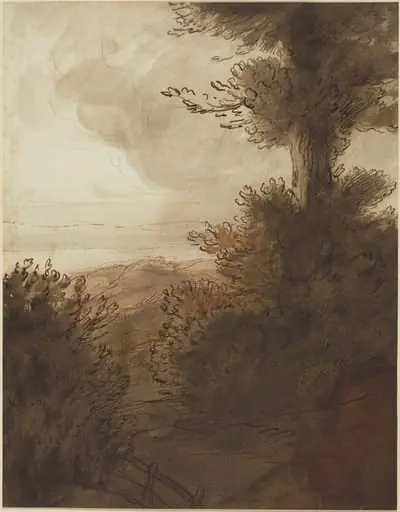 The Big Tree
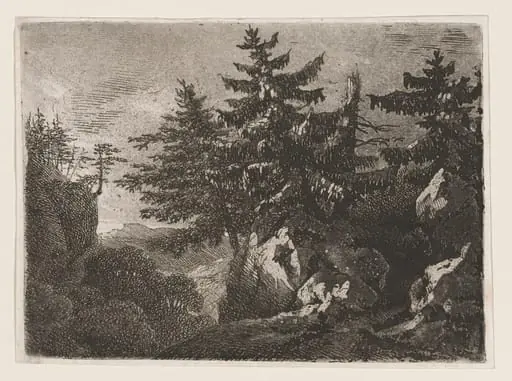 Pines on a Mountaintop at Night
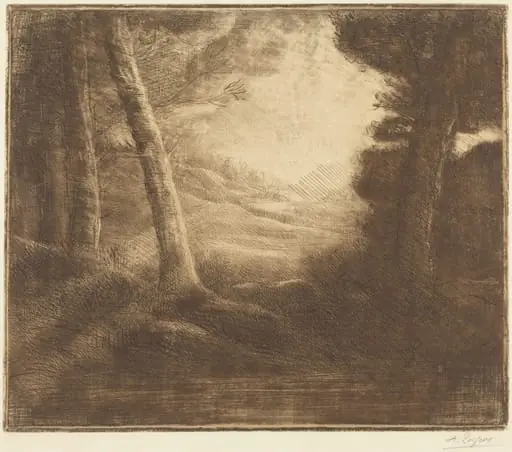 Water's Edge by Morning Light (Au bord de l'eau (Effet du matin))
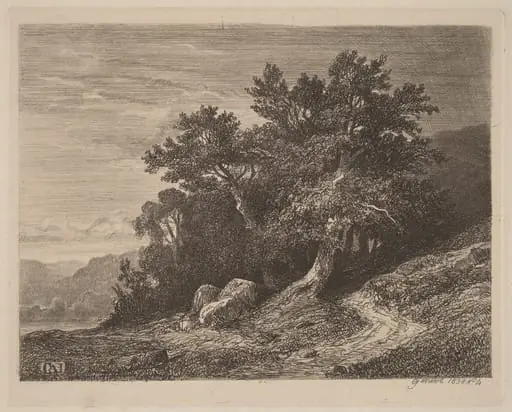 Ancient Trees on a Hillside
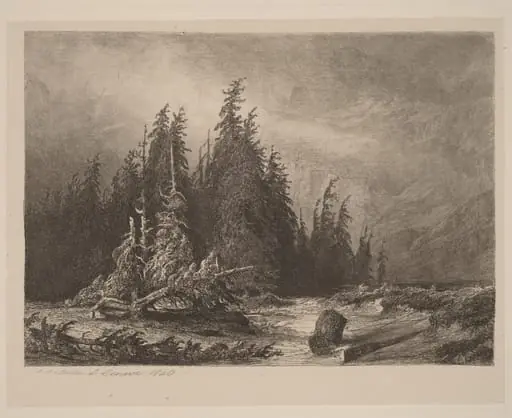 Mountain PInes
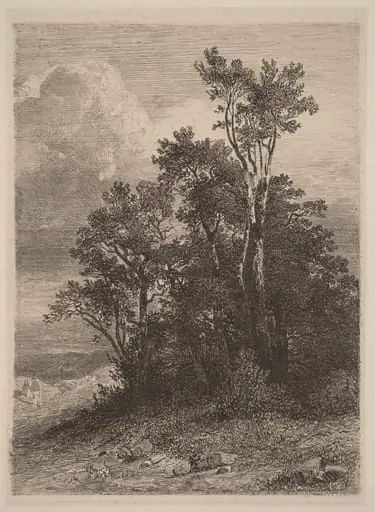 Grove of Trees
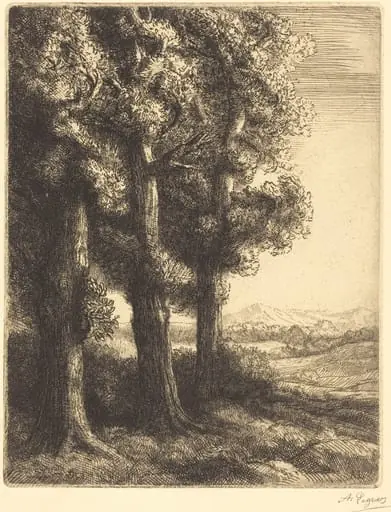 Corner of a Wood (Coin d'un bois)
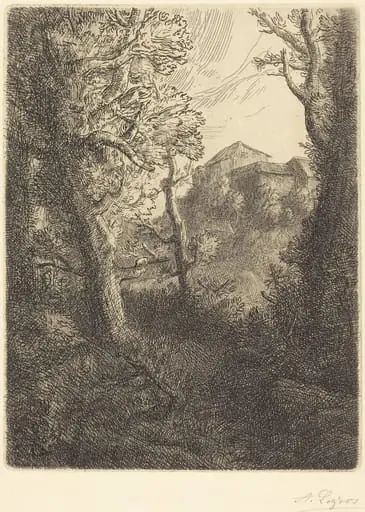 Landscape (Paysage)
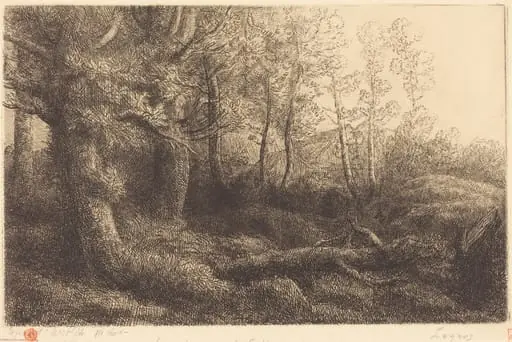 In the Forest (Lisiere de foret)
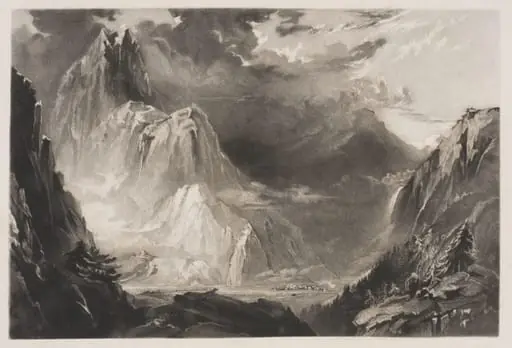 The Pass Between Dale and Dalsjed
 Oeuvres de A. Calame: No. 52