Artwork
Tapestries in the Vatican, after designs by Raphael
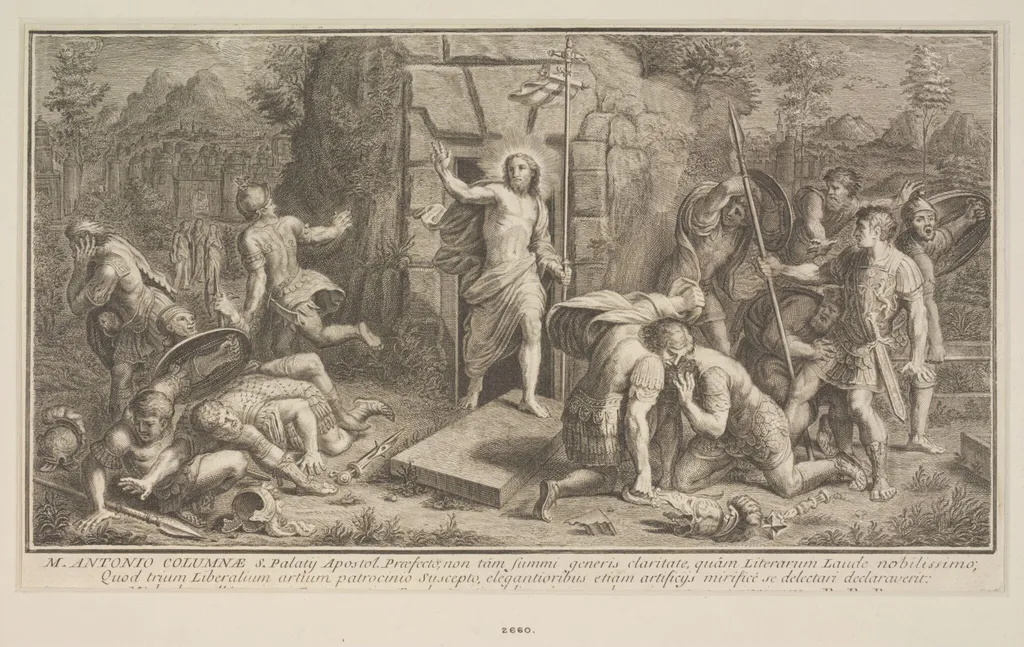
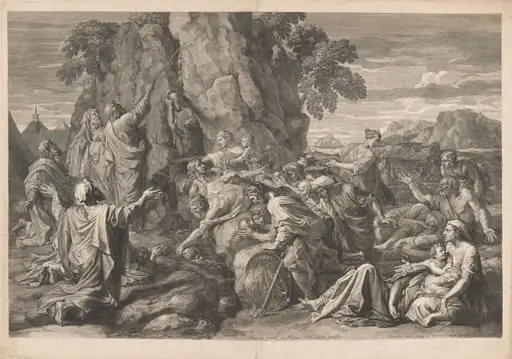
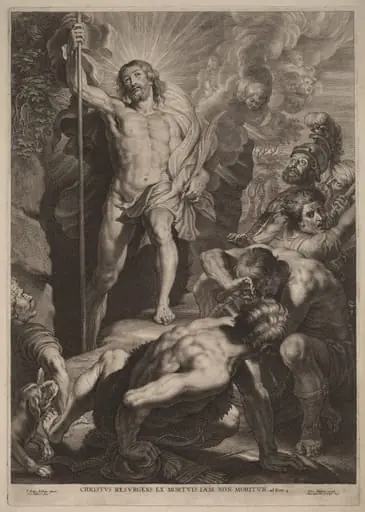
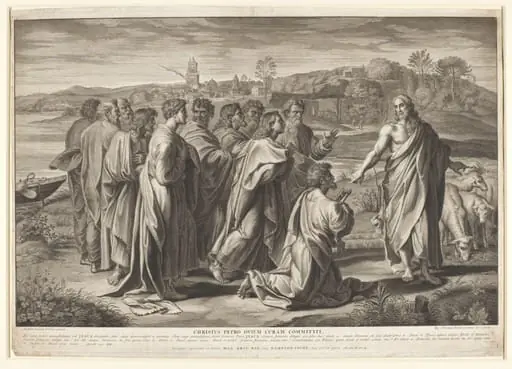
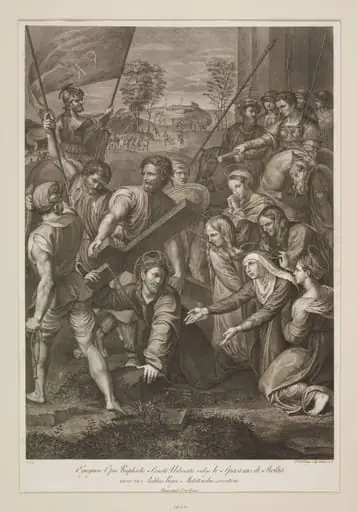
Tapestries in the Vatican, after designs by Raphael is a print by Miguel de Sorellò. It dates from 1750 and is held in the collection of the Victoria and Albert Museum. This print is one of eight in a series based on tapestries commissioned for the Sistine Chapel in the Vatican.
About this work
Overview
This print is one of eight in a series based on tapestries commissioned for the Sistine Chapel in the Vatican. Designed by Raphael in the early 16th century, the original woven works were later reproduced as printed impressions on paper. The print preserves the composition and emotional intensity of the tapestry, serving as a widely circulated record of Raphael’s vision for the papal chapel.
Subject & Meaning
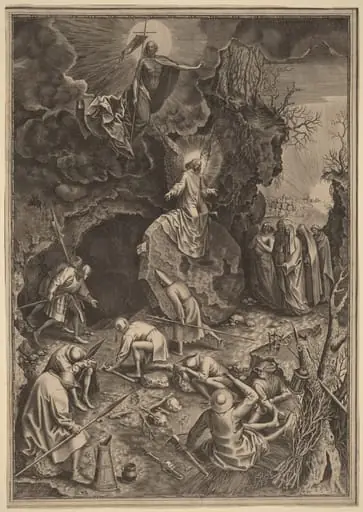
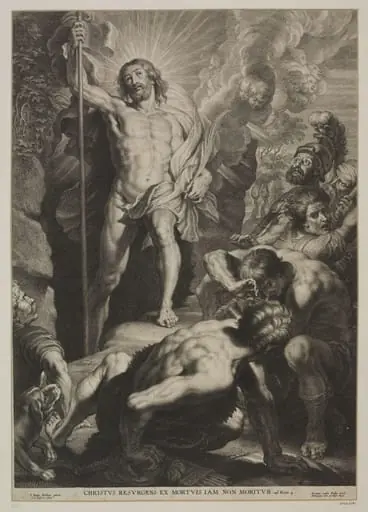
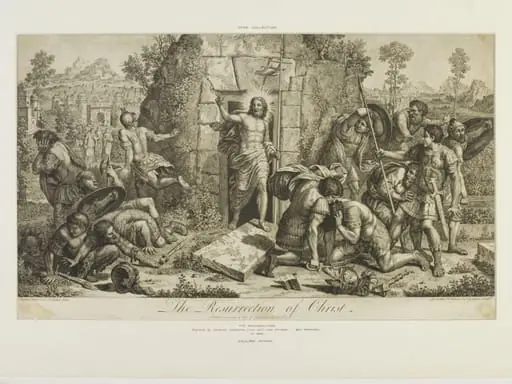
The scene illustrates the Resurrection of Christ, a pivotal moment in Christian theology. Christ emerges from the tomb, bathed in divine light, while Roman soldiers and witnesses react with terror and awe. The fallen armor and scattered weapons symbolize the defeat of earthly power, reinforcing the spiritual triumph conveyed by the central figure’s luminous presence and upward gaze.
Technique & Style
The composition is tightly controlled, guiding the viewer’s eye through gesture and light.
The artist employed chiaroscuro to heighten the drama, using stark contrasts between deep shadows and radiant highlights to direct focus toward Christ’s glowing form. Fine linework defines the folds of robes and the texture of stone, while the background recedes into muted tones, enhancing the central figure’s ethereal presence. The composition is tightly controlled, guiding the viewer’s eye through gesture and light.
History & Provenance
Raphael created the original cartoon designs between 1515 and 1516 for a series of tapestries woven in Brussels under the patronage of Pope Leo X. After the tapestries were installed, prints were made to disseminate the imagery. This particular print derives from the workshop of Agostino Veneziano, who translated the woven scenes into engraved compositions for wider distribution.
Context
The tapestry series was part of a broader effort to glorify the papacy through visual narratives of Christ’s life. Positioned in the Sistine Chapel, they complemented Michelangelo’s ceiling frescoes, reinforcing theological themes through complementary artistic media. The prints, made decades later, extended the influence of Raphael’s designs beyond the Vatican’s walls.
Legacy
These prints preserved Raphael’s compositions for future generations, influencing religious imagery well into the Baroque period. Their widespread circulation helped standardize the visual representation of the Resurrection in European art. Though the original tapestries remain in the Vatican, the prints ensured the enduring reach of the designs across continents and centuries.
Artist & collection


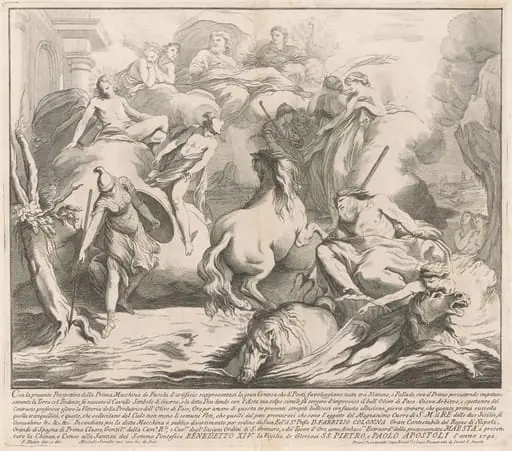 The Prima Macchina for the Chinea of 1742: The Contest of Neptune and Minerva
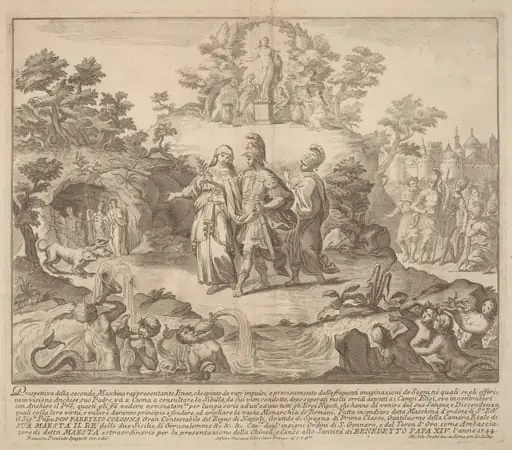 The Seconda Macchina for the Chinea of 1744: Aeneas and Cumaean Sibyl
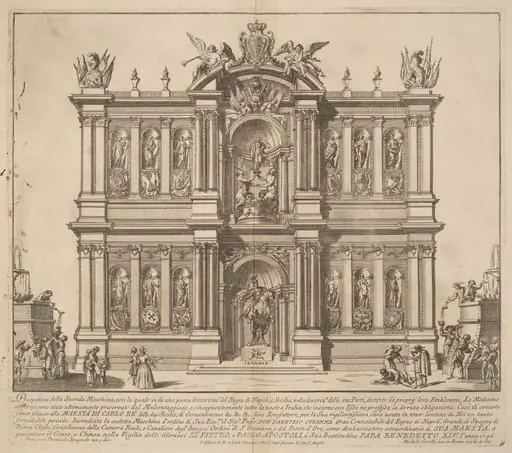 The Seconda Macchina for the Chinea of 1746: The Territories of the Kingdom of Naples
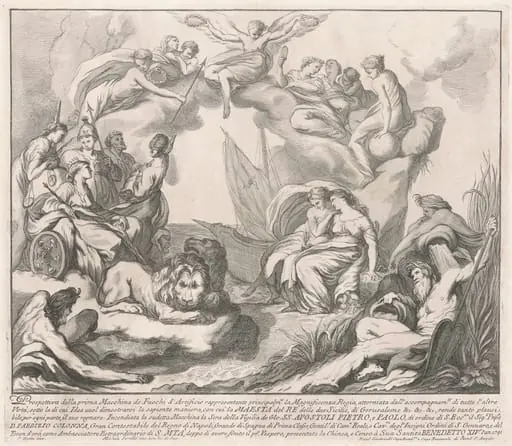 The Prima Macchina for the Chinea of 1741: Allegory of Regal Magnificence
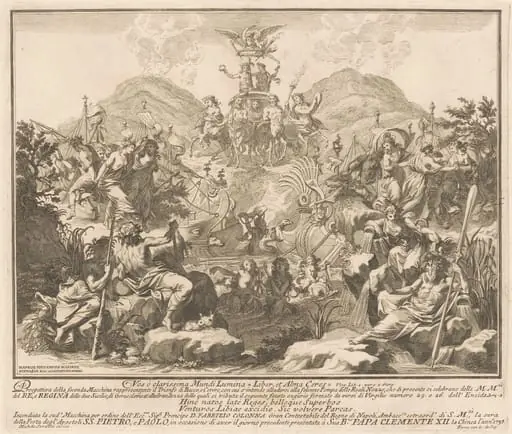 The Seconda Macchina for the Chinea of 1738: The Triumph of Bacchus and Ceres
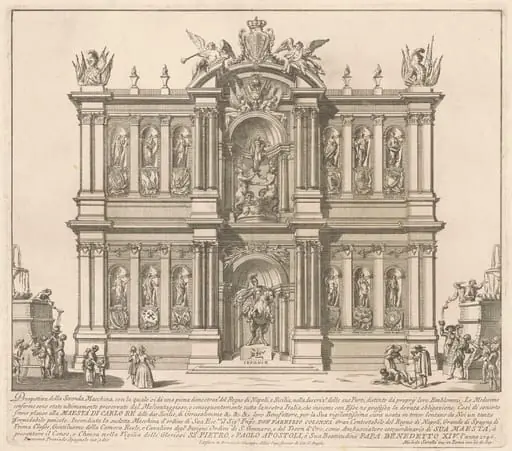 The Seconda Macchina for the Chinea of 1746: The Territories of the Kingdom of Naples
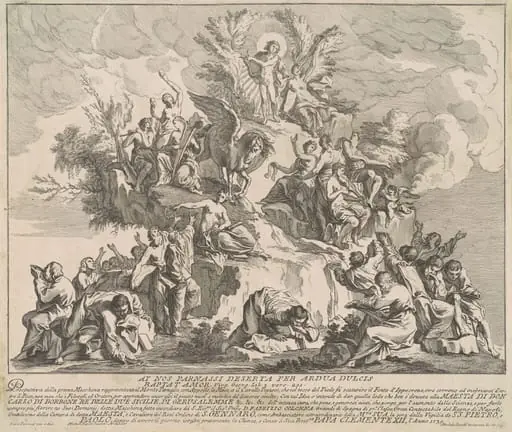 The Prima Macchina for the Chinea of 1739: Mount Parnassus with Apollo, the Muses, and Pegasus
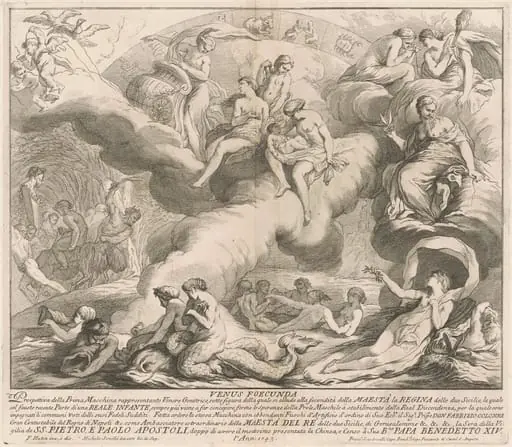 The Prima Macchina for the Chinea of 1743: Venus Genetrix