Artwork
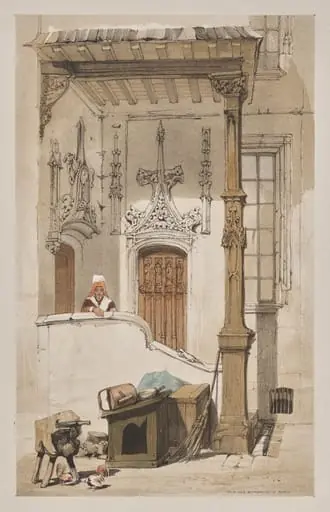
Picturesque Architecture in Paris, Ghent, Antwerp, Rouen: Tour de Remy, Dieppe, France
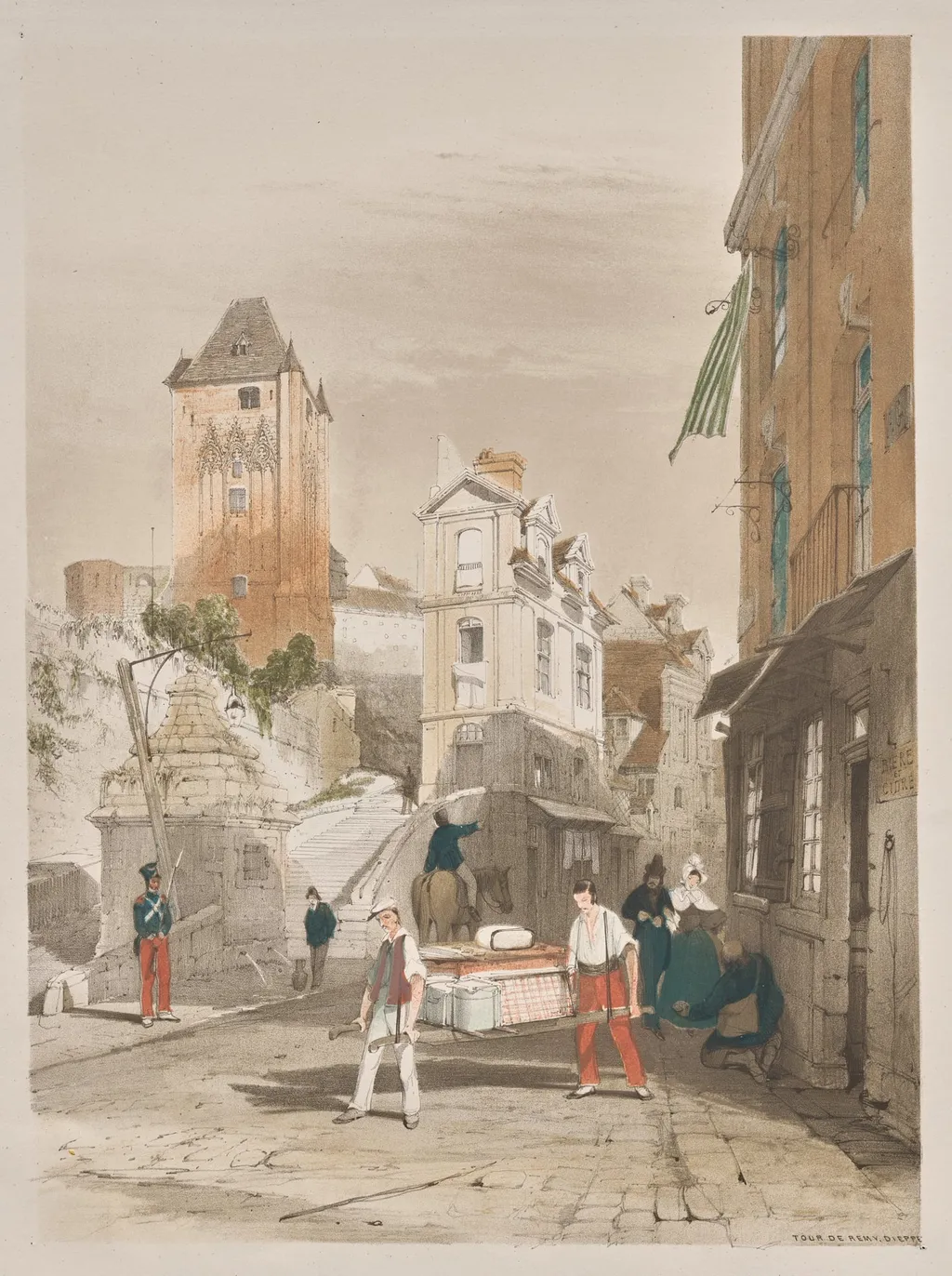
Picturesque Architecture in Paris, Ghent, Antwerp, Rouen: Tour de Remy, Dieppe, France is a work on paper by the Romanticist artist Thomas Shotter Boys. It dates from 1839 and is held in the collection of the Cleveland Museum of Art.
About this work
Overview
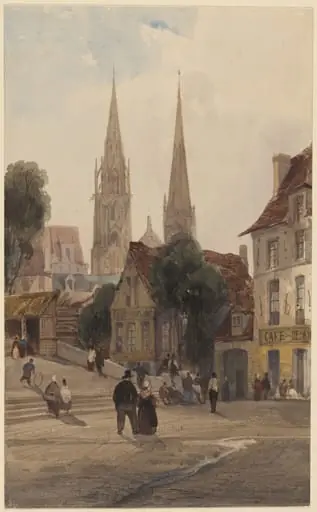
Thomas Shotter Boys, an English artist known for architectural watercolours, produced this lithographic print as part of a portfolio documenting urban scenes across northern France and the Low Countries. The work captures the Tour de Remy in Dieppe, a medieval tower rising above a lively street, reflecting his interest in recording the built environment with precision and atmospheric detail.
Subject & Meaning
The scene depicts everyday life in Dieppe around the Tour de Remy, with figures engaged in routine tasks: carrying bundles, holding poles, and tending to a horse. The tower, a relic of medieval fortification, stands as a silent witness to the town’s commercial activity. The composition juxtaposes enduring architecture with transient human motion, suggesting continuity amid change.
Technique & Style
Boys employed fine-line lithography to render architectural forms with clarity, complemented by subtle washes of colour that suggest light and texture.
Boys employed fine-line lithography to render architectural forms with clarity, complemented by subtle washes of colour that suggest light and texture. Warm ochres and browns ground the buildings, while cooler blues in the sky provide contrast. The careful arrangement of figures adds narrative depth without overwhelming the architectural focus, characteristic of topographical precision in early 19th-century British watercolour practice.
History & Provenance
Created in 1839, this print was part of a series intended for dissemination among British audiences interested in continental architecture. It was likely published as a lithograph for wider circulation, aligning with the period’s growing market for illustrated travel and topographical works. The portfolio reflects Boys’s travels and his collaboration with publishers seeking to document European urban landscapes.
Context
During the 1830s, British artists increasingly turned to watercolour and lithography to record architecture and urban life, influenced by Romantic ideals of observation and authenticity. Boys’s work emerged alongside a broader cultural interest in documenting historic structures threatened by modernization, positioning his prints as both aesthetic records and subtle acts of preservation.
Legacy
Boys’s portfolio contributed to the documentation of European towns before widespread industrial transformation. His precise renderings remain valuable for architectural historians studying 19th-century urban fabric. Though not widely celebrated today, his methodical approach helped establish watercolour lithography as a legitimate medium for topographical study in Britain.
Own this work as a print
Artist & collection
Artist
Thomas Shotter Boys (1803–1874) was an English watercolour painter and lithographer, mostly producing cityscapes and images of buildings, although he produced some rural landscapes and marine subjects.

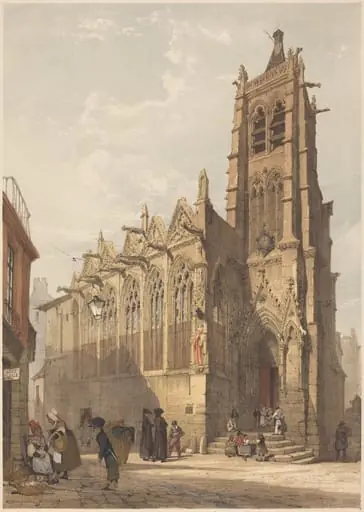
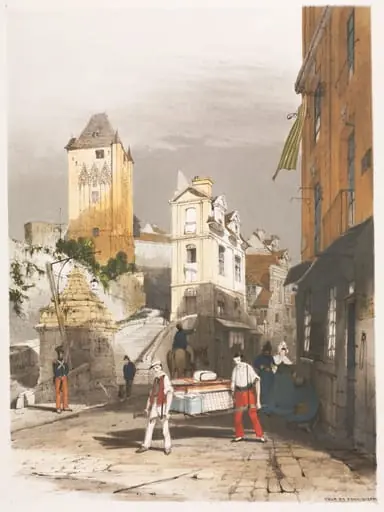 Picturesque Architecture in Paris, Ghent, Antwerp, Rouen, Etc.: Tour de Remy, Dieppe
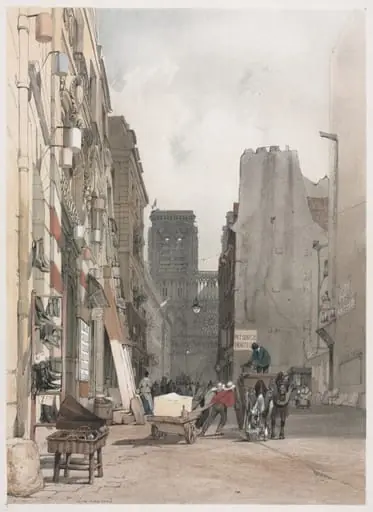 Picturesque Architecture in Paris, Ghent, Antwerp, Rouen: Nôtre Dame, Paris
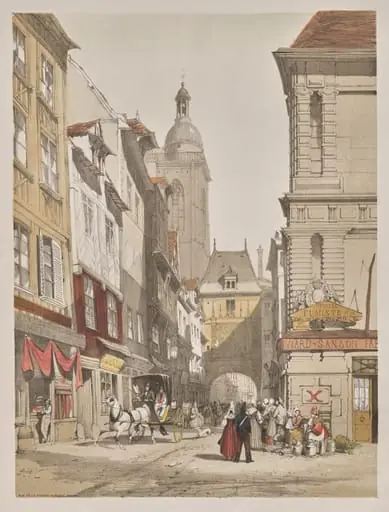 Picturesque Architecture in Paris, Ghent, Antwerp, Rouen: Rue de la Crosse Horlogue, Rouen, France
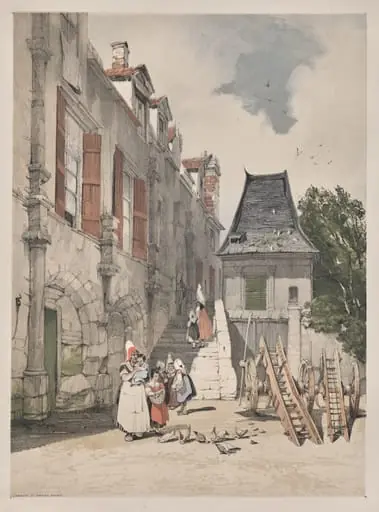 Picturesque Architecture in Paris, Ghent, Antwerp, Rouen: L'Abbaye St. Amand, Rouen, France
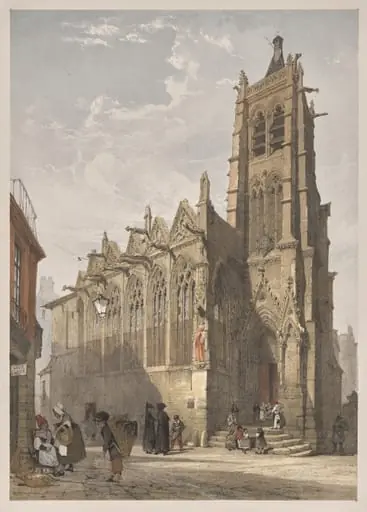 Picturesque Architecture in Paris, Ghent, Antwerp, Rouen: St. Severin, Paris
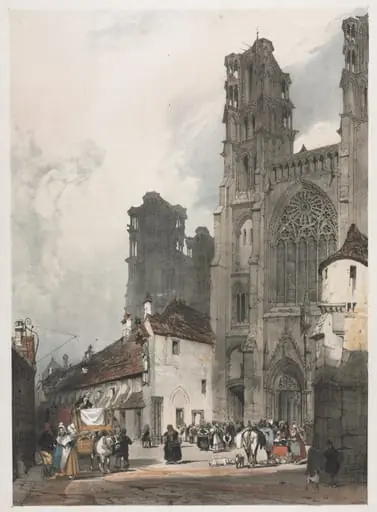 Picturesque Architecture in Paris, Ghent, Antwerp, Rouen: Laon, France
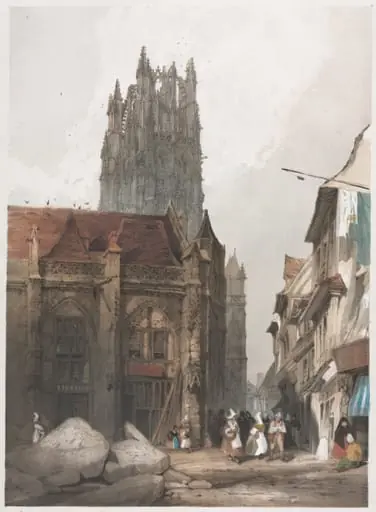 Picturesque Architecture in Paris, Ghent, Antwerp, Rouen: St. Laurent, Rouen, France
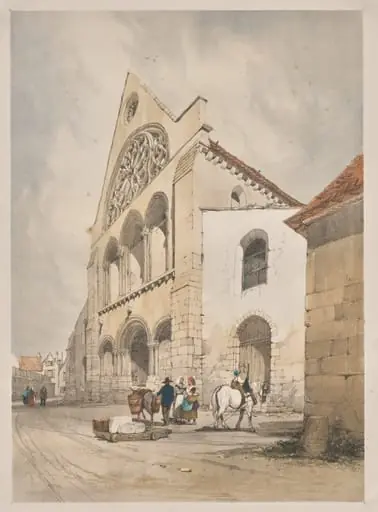 Picturesque Architecture in Paris, Ghent, Antwerp, Rouen: St. Andre, Chartres, France
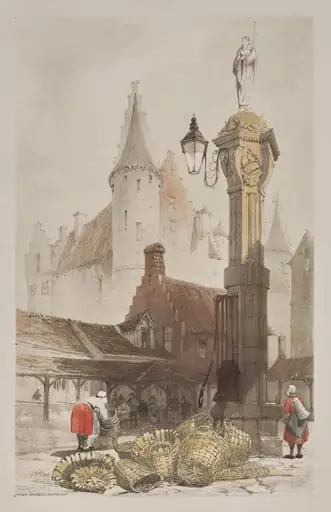 Picturesque Architecture in Paris, Ghent, Antwerp, Rouen: Fish Market, Antwerp, Belgium
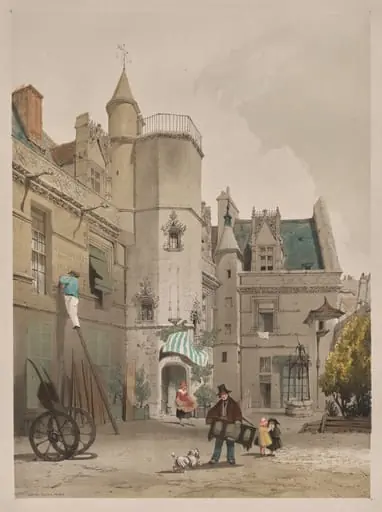 Picturesque Architecture in Paris, Ghent, Antwerp, Rouen: Hôtel Cluny, Paris
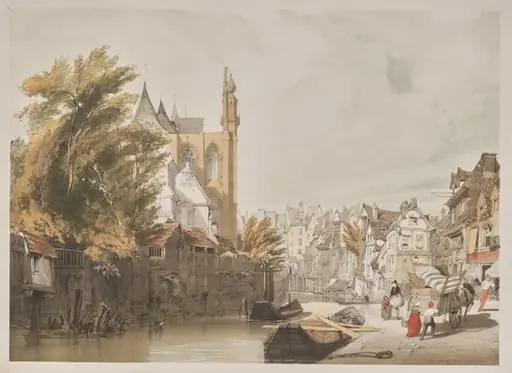 Picturesque Architecture in Paris, Ghent, Antwerp, Rouen: Rue du Rivage, Abbeville, France
 Picturesque Architecture in Paris, Ghent, Antwerp, Rouen: Rue des Marmousets, Paris