Artwork
東錦浮世稿談-幡随院長兵衛|Banzuiin Chōbei, from the series Story of Brocades of the East in the Floating World (Azuma no hana ukiyo kōdan - Banzuiin Chōbei)
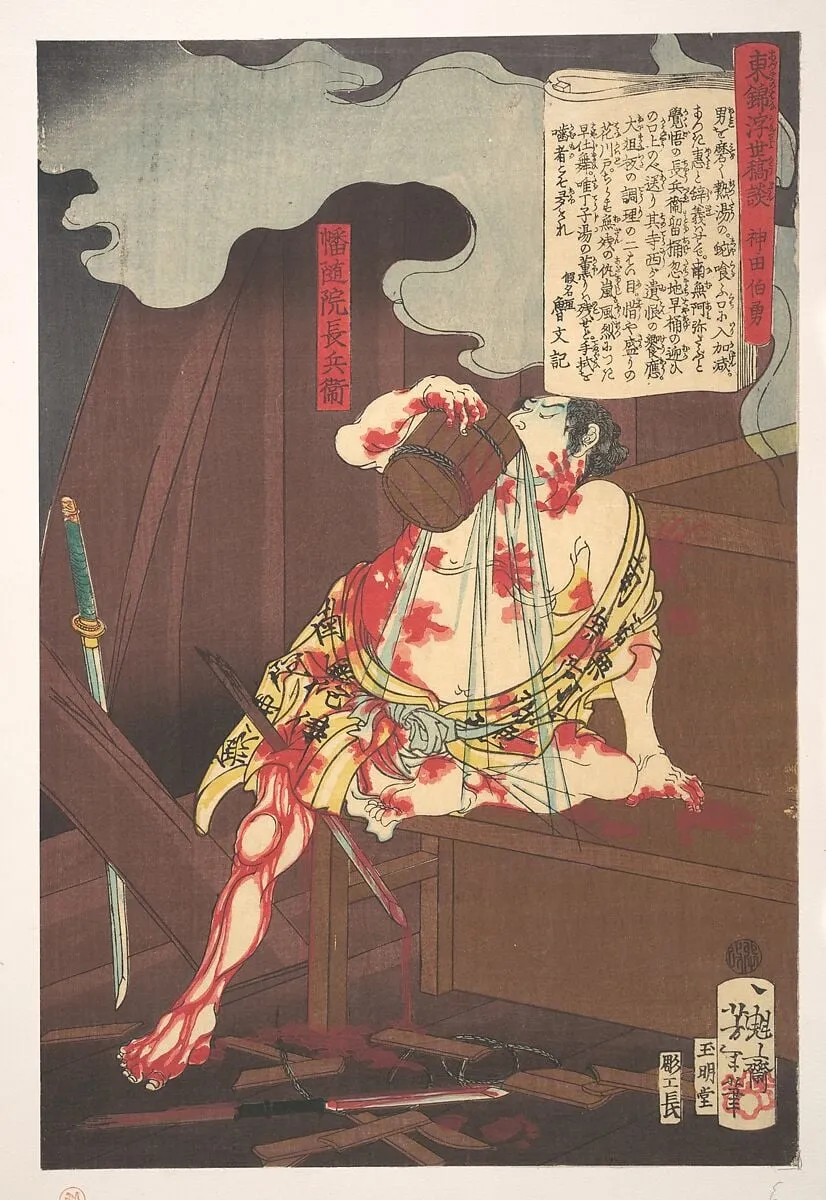
東錦浮世稿談-幡随院長兵衛|Banzuiin Chōbei, from the series Story of Brocades of the East in the Floating World (Azuma no hana ukiyo kōdan - Banzuiin Chōbei) is an ink print by the Impressionist artist Yoshitoshi. It dates from 10 and is held in the collection of the Metropolitan Museum of Art.
About this work
Overview
Rendered in ink and color on paper, the work exemplifies Yoshitoshi’s late Edo-period style, blending narrative intensity with technical precision.
This woodblock print is part of Tsukioka Yoshitoshi’s series Azuma no hana ukiyo kōdan, produced in 1870. It depicts the historical outlaw Banzuiin Chōbei in a moment of violent climax. Rendered in ink and color on paper, the work exemplifies Yoshitoshi’s late Edo-period style, blending narrative intensity with technical precision. The print is held in the collection of The Metropolitan Museum of Art.
Subject & Meaning
The figure is Banzuiin Chōbei, a notorious Edo-period rogue known for his defiance of authority. Shown wounded and isolated, he clutches a sake cup while a broken sword lies at his side—symbols of his fallen power and defiant spirit. The bloodstained garments and twisted posture suggest a final, desperate act. The accompanying scroll hints at a literary or folkloric account of his demise, grounding the image in a known tale of justice and retribution.
Technique & Style
Yoshitoshi employs strong, angular lines and high-contrast coloring to heighten emotional tension. The dark background isolates the figure, emphasizing his physical strain. Text in red and black ink frames the scene, a traditional device to anchor narrative context. The torn fabric and visceral details like blood and exposed skin are rendered with sharp clarity, showcasing the printer’s skill in layering colors and textures through woodblock techniques.
History & Provenance
Created in 1870, the print belongs to a series illustrating legendary figures from Edo’s underworld. Yoshitoshi drew from popular kabuki dramas and printed tales to craft these scenes. The work was likely distributed as a single-sheet print, common in the Meiji era’s thriving print market. It entered The Metropolitan Museum of Art’s collection through documented acquisition, preserving its original condition and provenance.
Context
During the 1870s, Japan underwent rapid modernization, and traditional stories of outlaws and samurai gained renewed interest as cultural anchors. Yoshitoshi’s series responded to this nostalgia, reimagining historical rogues as tragic heroes. The print reflects a transition in ukiyo-e—from idealized beauties and landscapes to psychologically charged, often violent narratives that mirrored societal upheaval.
Legacy
Yoshitoshi’s dramatic compositions influenced later generations of Japanese illustrators and manga artists. His ability to fuse historical subject matter with emotional intensity set a precedent for narrative visual storytelling. While ukiyo-e declined with industrial printing, this print endures as a testament to the medium’s capacity for psychological depth and cultural commentary.
Artist & collection
Artist
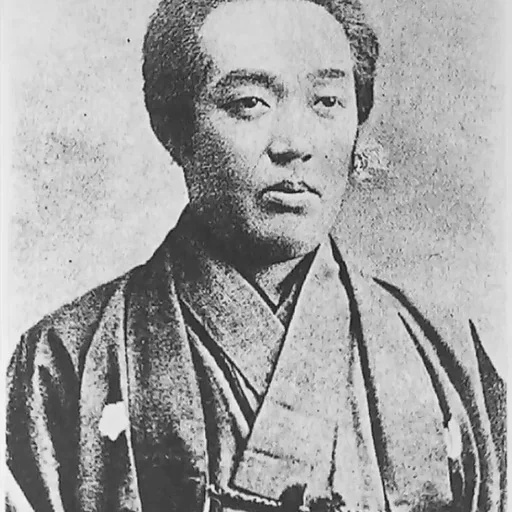
Tsukioka Yoshitoshi (Japanese: 月岡芳年; also named Taiso Yoshitoshi 大蘇芳年; 30 April 1839 – 9 June 1892) was a Japanese printmaker.

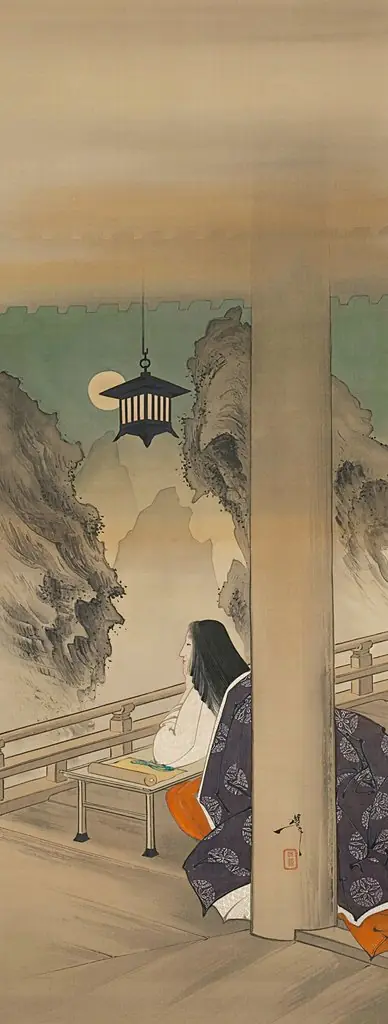 Murasaki Shikibu at Ishiyamadera Temple, based on the print “The Moon at Ishiyama,” from the series One Hundred Aspects of the Moon (Tsuki hyakushi: Ishiyama no tsuki)
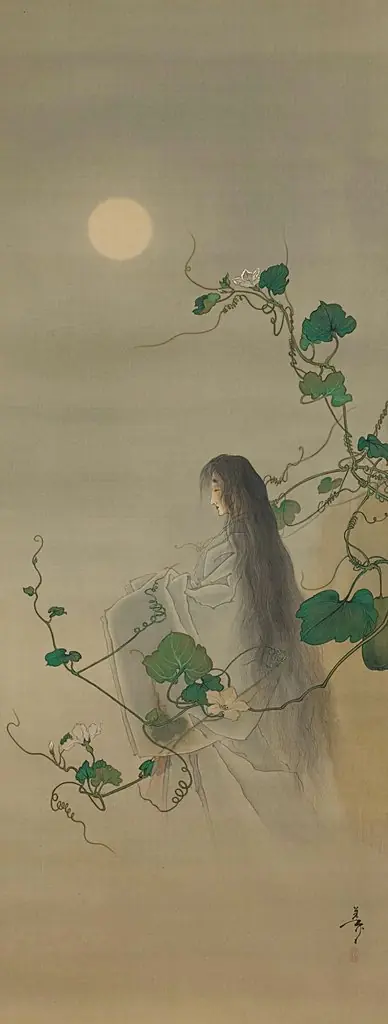 The Spirit of the Deceased Yūgao Entwined in Moonflower Vines, based on the print “The Lady of the Evening Faces,” from the series One Hundred Aspects of the Moon (Tsuki hyakushi: Genji Yūgao no maki)
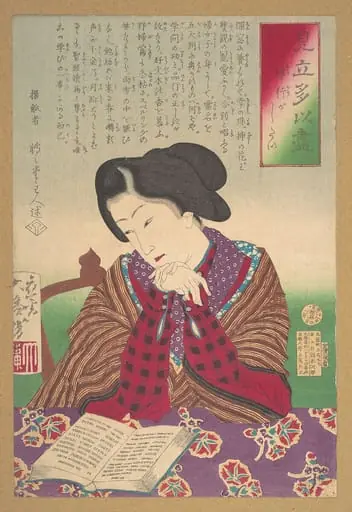 見立多以尽 - 洋行がしたい|Collection of Desires, Wish for Foreign Travel (Mitate Tai zukushi-yōkō ga shitai)
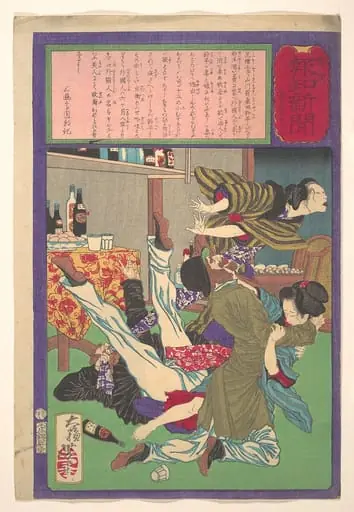 郵便報知新聞 645号|Postal Hōchi Newspaper no. 645, Englishman raping a wine shopkeeper's daughter (Yūbin Hōchi shinbun, roppyaku yonjū gogō)
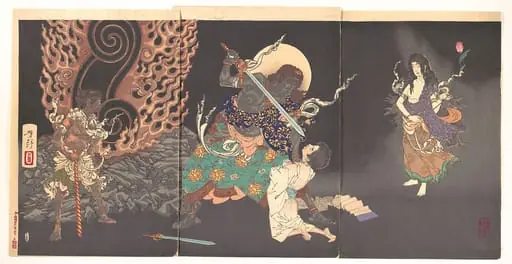 月岡芳年筆 不動明王∙祐天上人図|Fudō Myōō Threatening a Novice
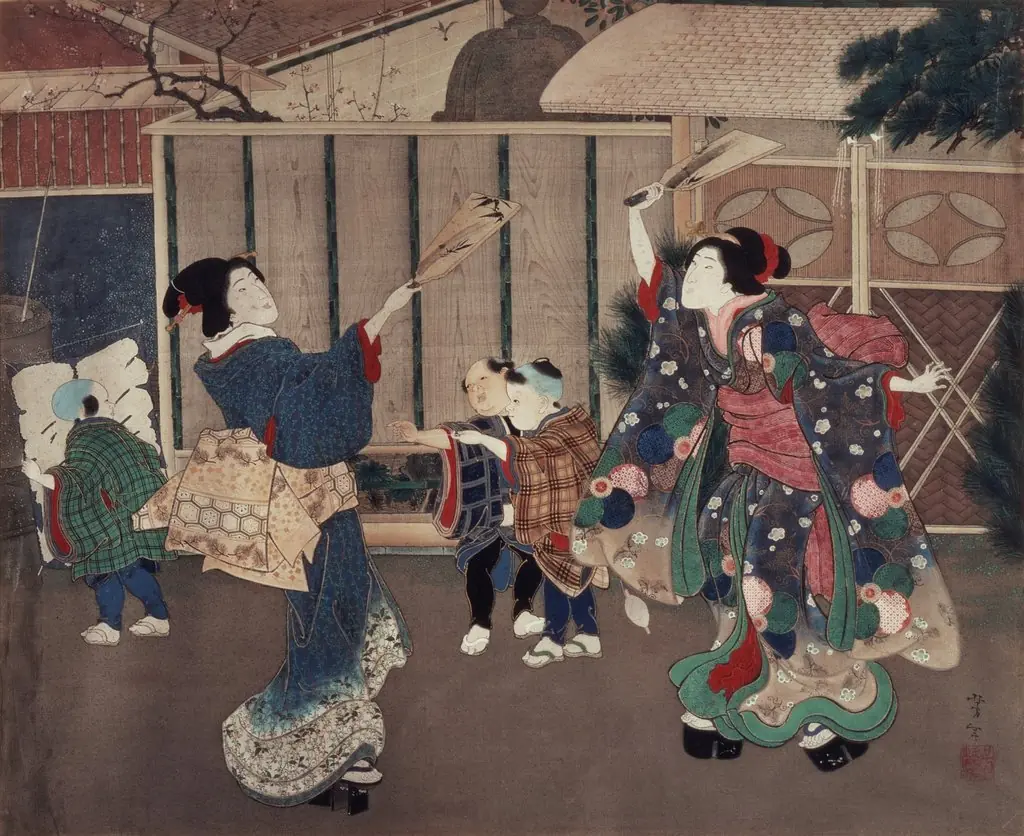 January: Celebrating the New Year
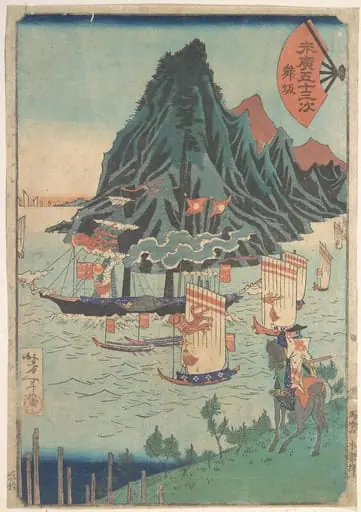 Untitled
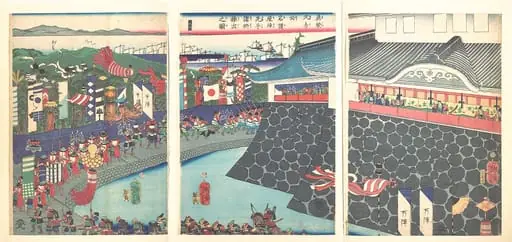 真柴秀吉公名護屋陣先手諸将繰出之図|Hideyoshi and His Troops Leaving Nagoya Camp (Mashiba Hideyoshi kō nagoya jin saki te no shoshō kuridashi no zu)
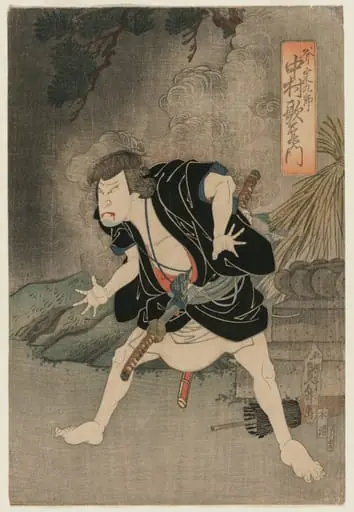 Nakamura Utaemon IV as Ono Sadakuro in Act Five of Kanadehon Chushingura, Naka Theater
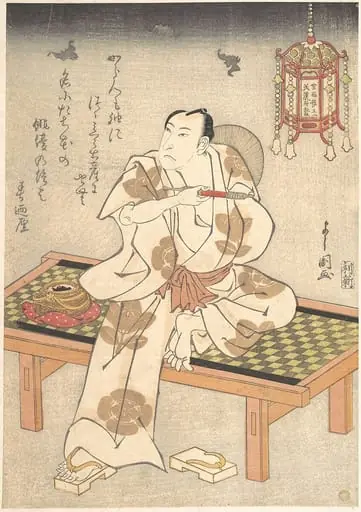 Untitled
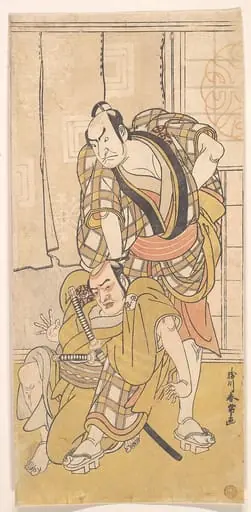 Untitled
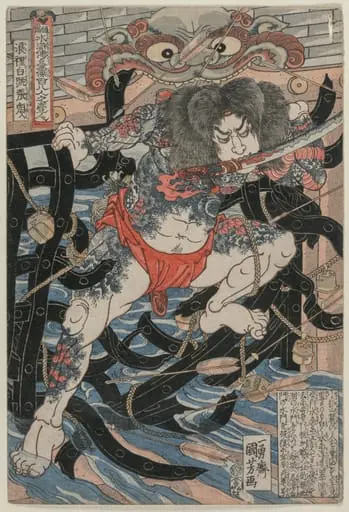 Rori Hakucho Chojun (from the series 108 Heroes of the Novel Shui Hu Chuan)
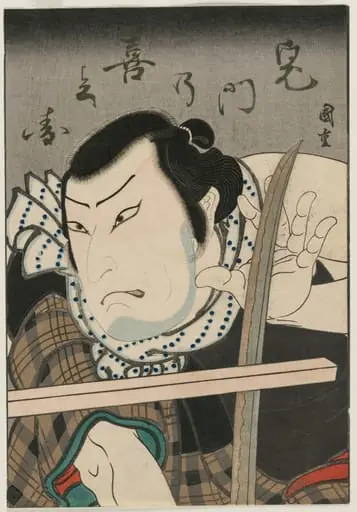 Actor as Kimon no Kihei
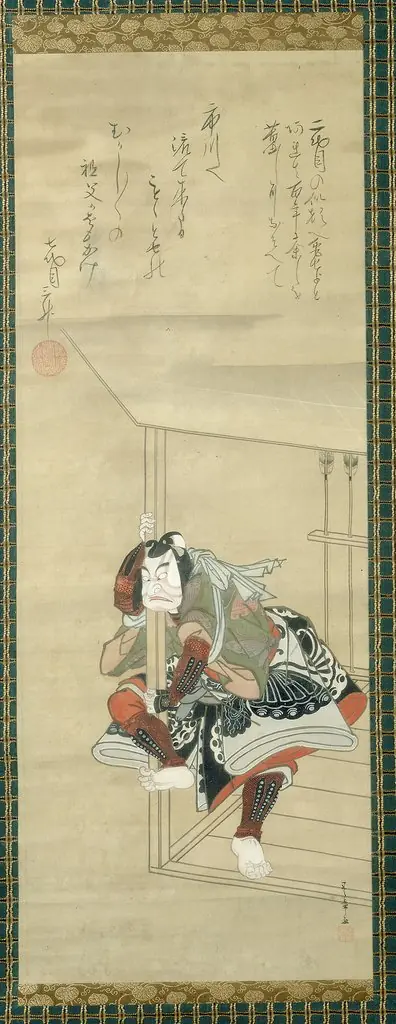 The Kabuki Actor Ichikawa Danjûrô II (1689-1758)
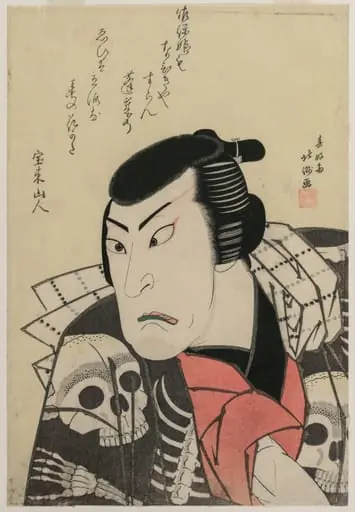 Actor Ichikawa Ebijūrō I as Tōken (China Dog) Jūbei, in the play Red and Purple, Rich Dyes of Osaka (Benimurasaki ai de someage)
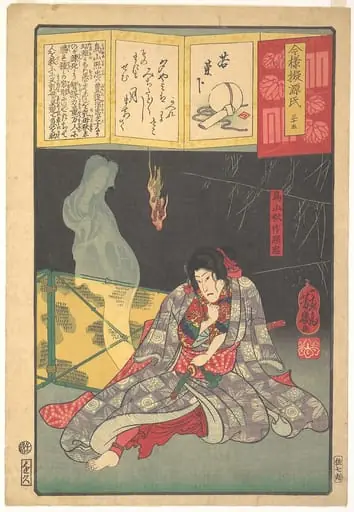 Untitled
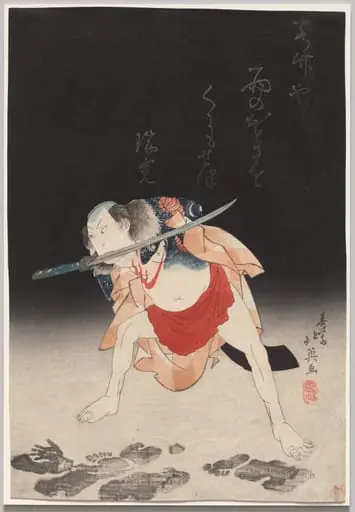 Arashi Rikan II as Danshichi Kurōbei in "Mirror of Naniwa: The Summer Festival"
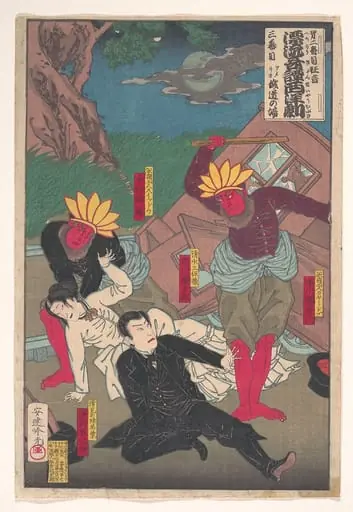 安達吟光画 第二番目狂言 漂流奇譚 西洋劇 三幕目 アメリカ鉄道の場|“Act II, Scene 2: Along Train Tracks in America,” from the series The Strange Tale of the Castaways: A Western Kabuki
 Untitled
 Untitled