Artwork
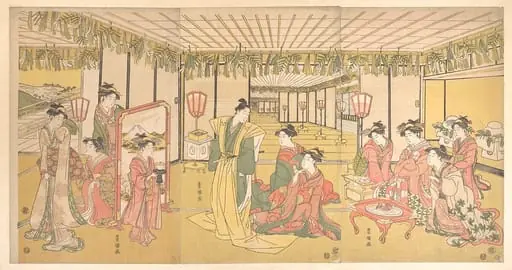
重陽後の月宴 十二月ノ内|Banquet of the Next Full Moon at the Chrysanthemum Festival, from the series The Twelve Months (Chōyō nochi no tsuki no en, Jūni tsuki no uchi)
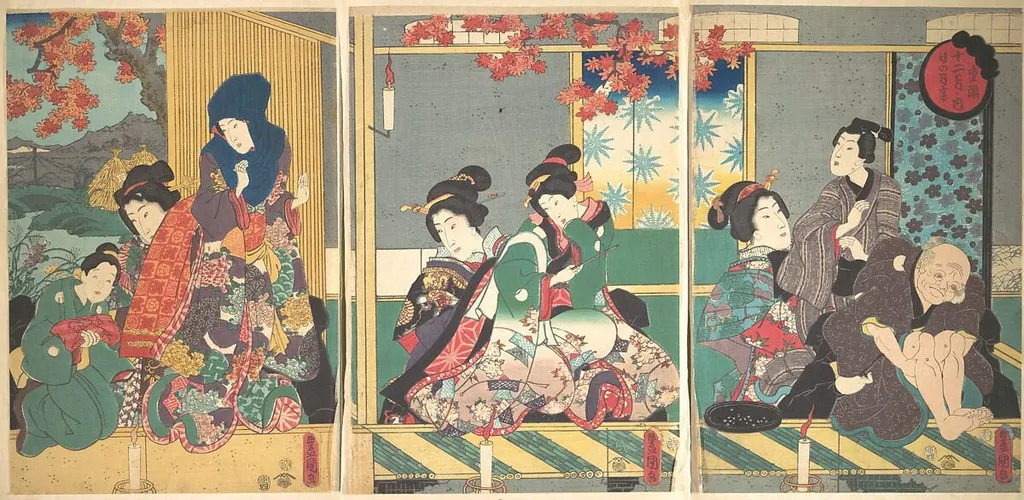
重陽後の月宴 十二月ノ内|Banquet of the Next Full Moon at the Chrysanthemum Festival, from the series The Twelve Months (Chōyō nochi no tsuki no en, Jūni tsuki no uchi) is an ink print by the Impressionist artist Utagawa Kunisada. It dates from 1854 and is held in the collection of the Metropolitan Museum of Art.
About this work
Overview
Created in 1854 by the prolific ukiyo‑e artist Utagawa Kunisada, this work is a three‑panel woodblock print forming a triptych. Executed with ink and color on paper, it depicts a modest indoor gathering set against the backdrop of the Chrysanthemum Festival. The piece belongs to Kunisada’s series The Twelve Months and is part of the collection of the Metropolitan Museum of Art.
Subject & Meaning
The composition suggests a seasonal celebration and domestic harmony typical of genre scenes in mid‑nineteenth‑century Japan.
The three panels portray a quiet banquet held under the next full moon after the Chrysanthemum Festival. A mother and child sit amidst floral motifs in the first scene, two women converse while looking out at a garden in the second, and a man in formal attire leans on a table in the third. The composition suggests a seasonal celebration and domestic harmony typical of genre scenes in mid‑nineteenth‑century Japan.
Technique & Style
Kunisada employed the traditional ukiyo‑e woodblock process, carving separate blocks for each color and printing them in succession. Bright pigments and bold patterns dominate the surface, while fine line work defines the figures’ kimono folds and interior details. The use of a round red seal in the corner identifies the series, and the inclusion of autumnal maple leaves outside the window reinforces the seasonal context.
History & Provenance
The print was produced during the late Edo period, a time when commercial printmaking flourished. After its initial circulation, the triptych entered private collections before being acquired by the Metropolitan Museum of Art, where it is displayed as part of the museum’s Japanese prints holdings.
Context
The Twelve Months series illustrates scenes associated with each month of the Japanese calendar, linking everyday life to seasonal festivals. This particular work reflects the cultural importance of the Chrysanthemum Festival, celebrated in autumn, and demonstrates Kunisada’s skill in rendering contemporary urban interiors alongside subtle references to nature.
Artist & collection

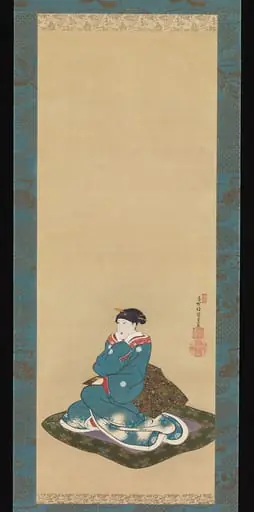 二代目岩井粂三郎の肖像|Portrait of Iwai Kumesaburō II
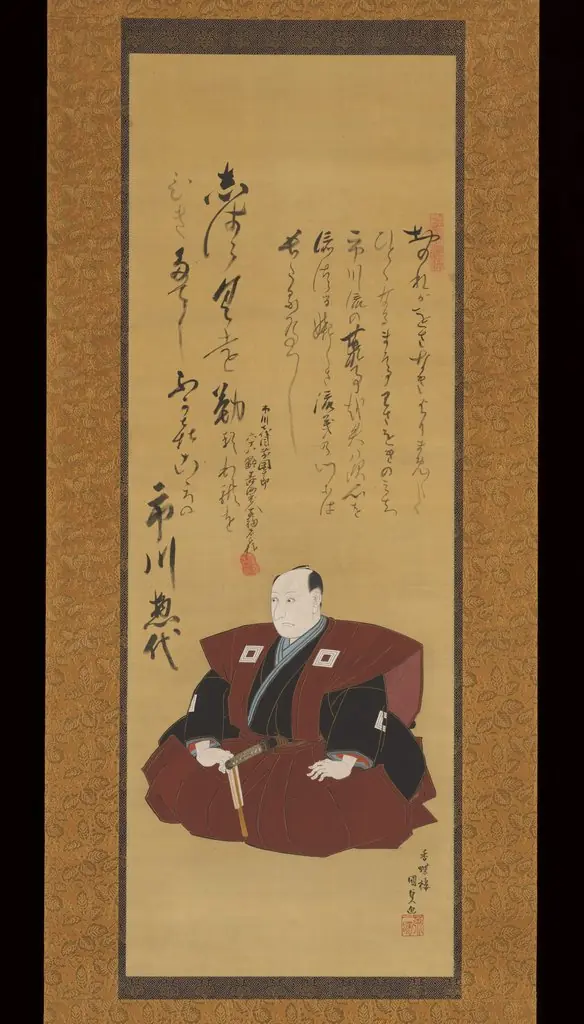 Memorial Portrait of the Actor Ichikawa Ōmezō I
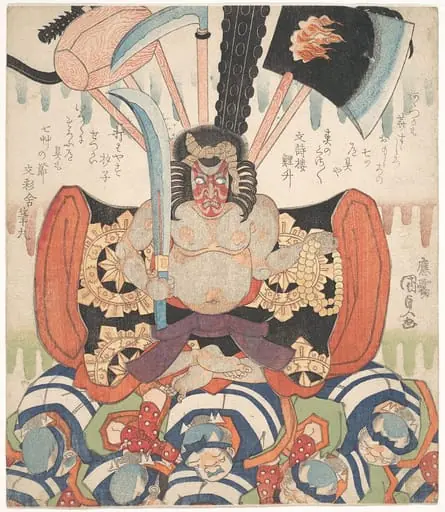 Untitled
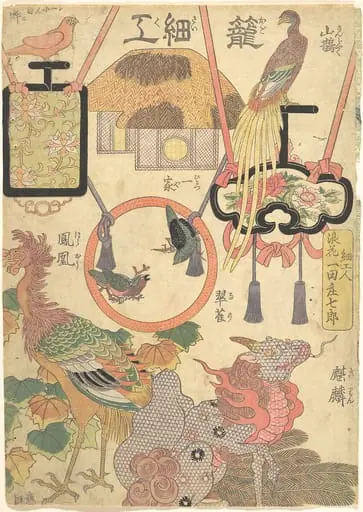 「籠細工 浪花細工人一田庄七郎」|Basketry Work: By the Craftsman Ichida Shōshichirō of Naniwa (Kagosaiku Naniwa saikujin Ichida Shōshichirō)
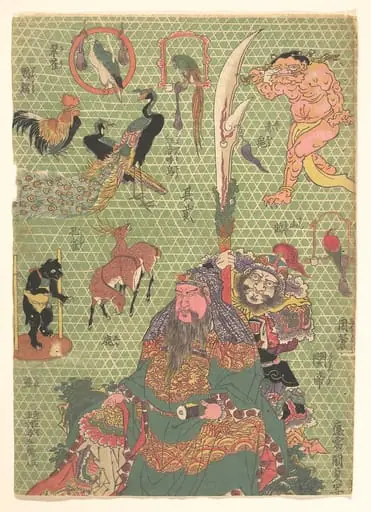 歌川国貞画 「籠細工 浪花細工人 一田庄七郎」|Basketry Work: By the Craftsman Ichida Shōshichirō of Naniwa (Kagozaiku Naniwa saikunin Ichida Shōshichirō)
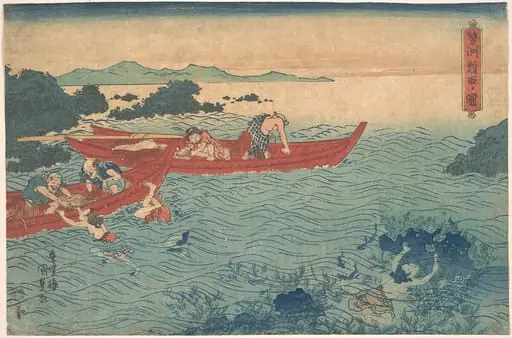 Untitled
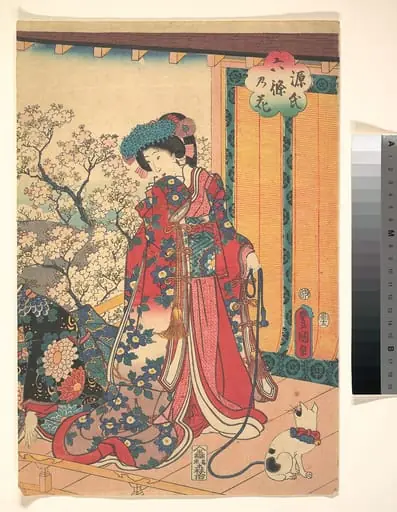 Untitled
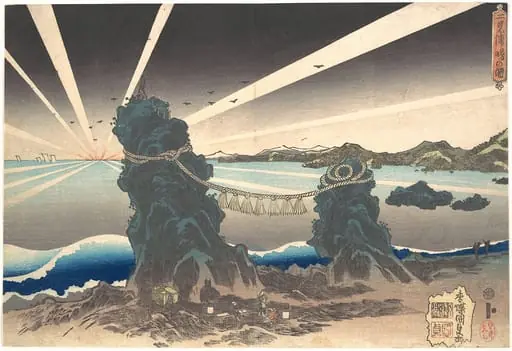 Futami-ga-ura akebono-no kuni|Futami-ga-ura Rocks at Ise, Land of Dawn
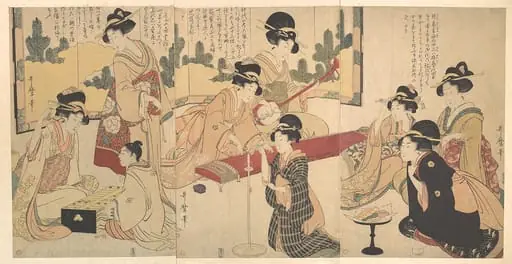 Untitled
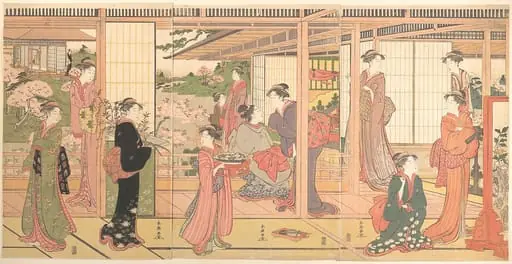 Untitled
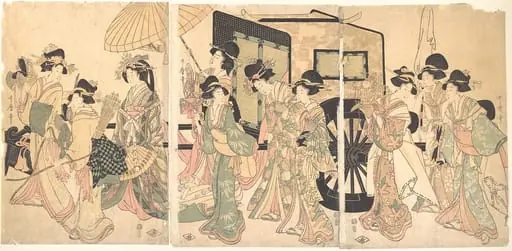 Untitled
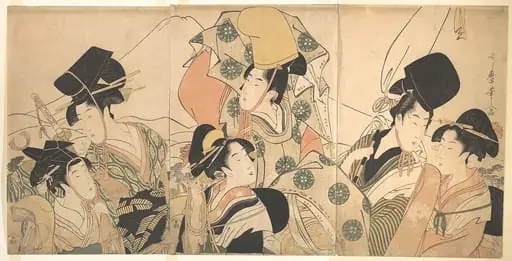 Untitled
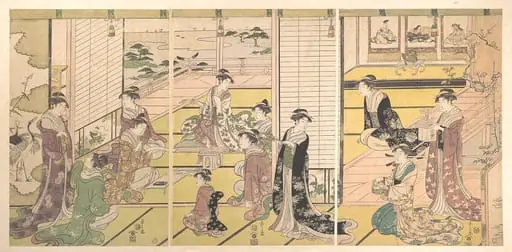 鳥文斎栄之画 和歌三神図|Honoring the Three Gods of Poetry: Women Composing Poems
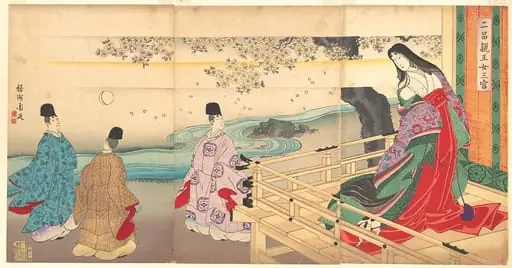 二品親王女三宮|The Third Princess and Kashiwagi, from Chapter 34, “New Herbs I (Wakana I)” (Nihon shinnō onna sannomiya)
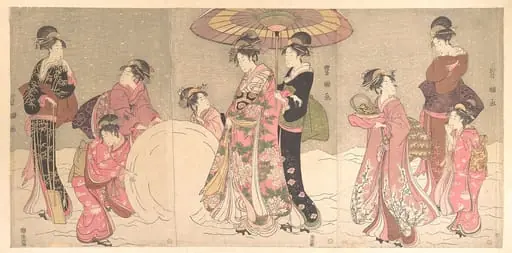 歌川豊国画 雪こかし|Courtesans and Attendants Making a Giant Snowball
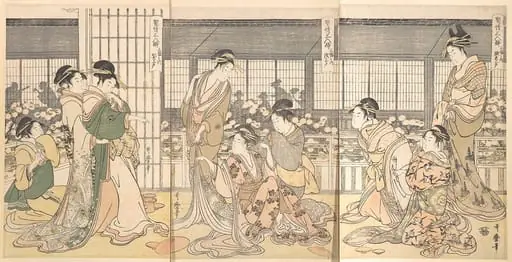 契情三人酔 三幅之内 腹立上戸 泣上戸 笑上戸|Three Intoxicated Courtesans
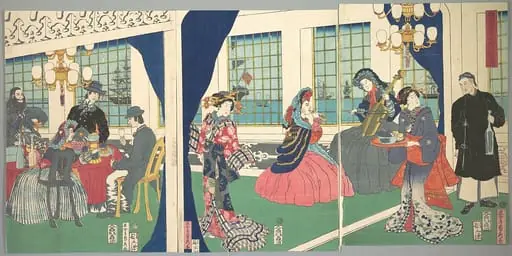 Untitled
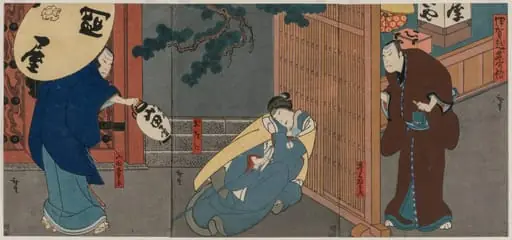 A Tale of Valor at Iga Pass
 Untitled
 Untitled