Artwork
Sepulcher for the Kings of France
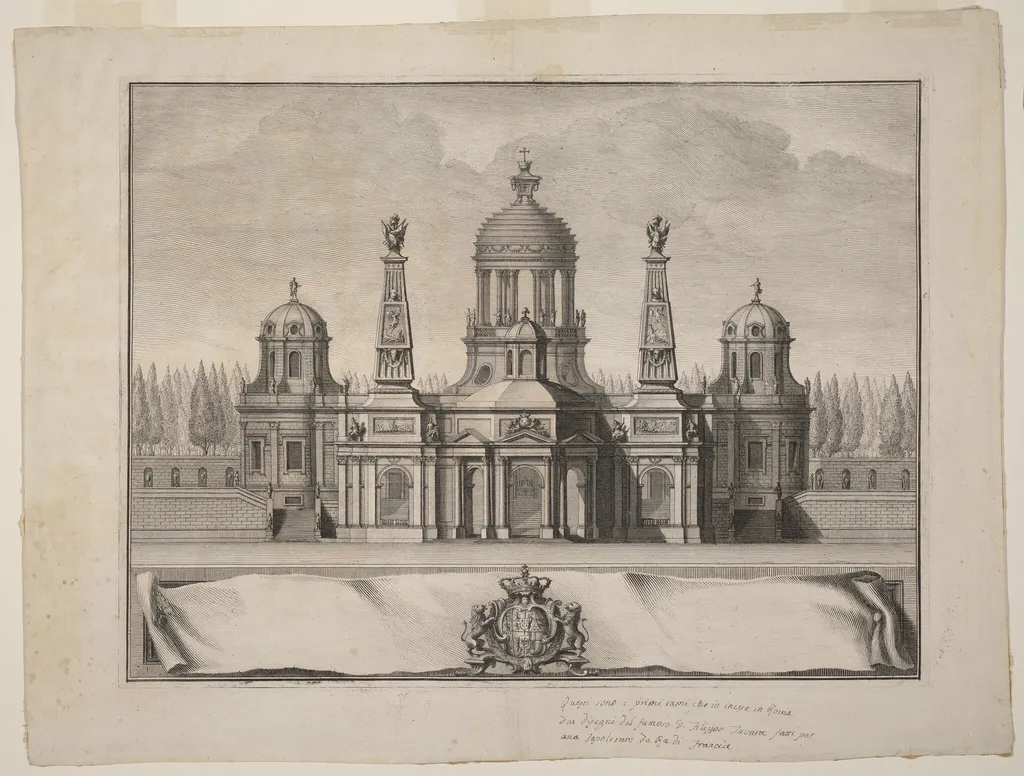
Sepulcher for the Kings of France is an ink print by the Baroque artist Giuseppe Vasi. It dates from 1739 and is held in the collection of the National Gallery of Art.
About this work
Overview
Created in 1739 by Giuseppe Vasi, this print is an etching and engraving on laid paper, depicting an imagined architectural monument.
Created in 1739 by Giuseppe Vasi, this print is an etching and engraving on laid paper, depicting an imagined architectural monument. Though styled as a royal sepulcher, it does not correspond to any actual burial site. Vasi’s work belongs to a tradition of topographical prints that blend observation with invention, serving both documentary and imaginative purposes for viewers interested in monumental architecture.
Subject & Meaning
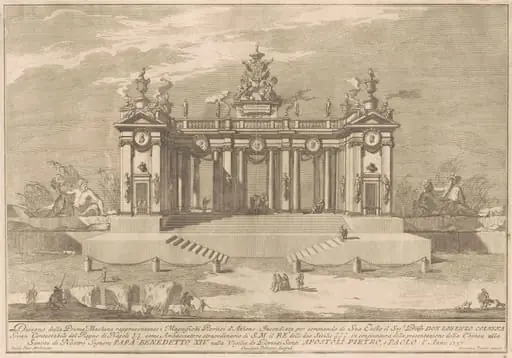
The composition presents a grand, church-like structure with three towers, centered by a domed spire adorned with statues. Flanking towers are slightly lower, all sharing ornate detailing. A wide staircase leads to an entrance framed by columns and arches, while a crowned coat of arms anchors the base. The design evokes royal solemnity and ecclesiastical authority, reflecting 18th-century ideals of dynastic legacy rather than recording a specific historical monument.
Technique & Style
Vasi employed fine-line etching and engraving to render intricate stonework, sculptural elements, and textural contrasts with precision. The meticulous handling of shadow and line emphasizes the weight and texture of marble, the delicacy of statuary, and the depth of architectural recesses. This technique allowed for reproducible detail, aligning with the period’s demand for accurate, publishable images of architectural forms, whether real or imagined.
History & Provenance
The print was produced during Vasi’s early career in Rome, where he gained recognition for his vedute and architectural studies. Though not a depiction of an existing site, it was likely intended for collectors and scholars interested in monumental design. Its survival in multiple institutional collections suggests it was circulated as part of broader 18th-century efforts to document and disseminate architectural ideals across Europe.
Context
In the mid-18th century, prints of imagined or idealized monuments were common among artists and patrons fascinated by classical revival and royal symbolism. Vasi’s work responds to this trend, merging Roman architectural vocabulary with French royal iconography. Such images served as visual references for architects and as status objects for collectors, reflecting a cultural appetite for grandeur rooted in historical precedent.
Legacy
Vasi’s sepulcher print remains a representative example of topographical printmaking that blurred fact and fantasy. While not tied to a specific historical monument, it influenced later architectural illustration by demonstrating how detailed engraving could convey authority and permanence. Its presence in museum collections underscores its role in shaping perceptions of monumental form during the Enlightenment era.
Artist & collection

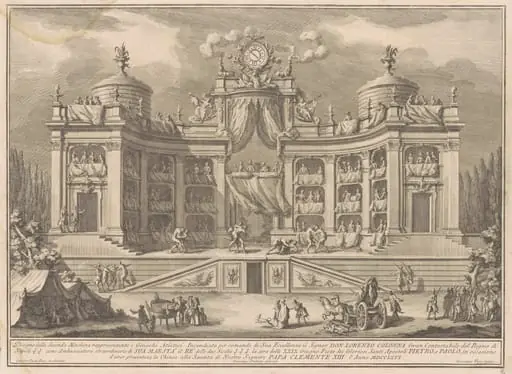 The Seconda Macchina for the Chinea of 1766: A Theater for Athletic Games
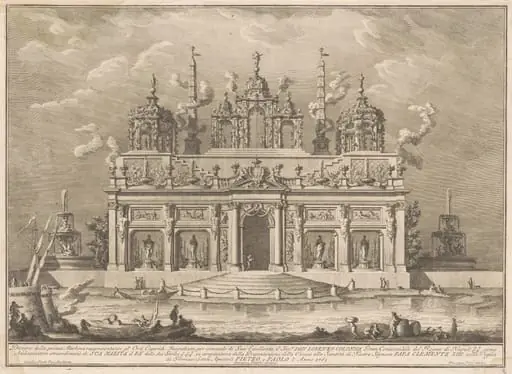 The Prima Macchina for the Chinea of 1765: The Garden of the Hesperides
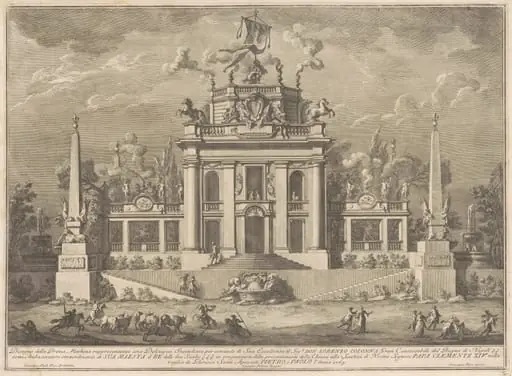 The Prima Macchina for the Chinea of 1769: A "Deliziosa"
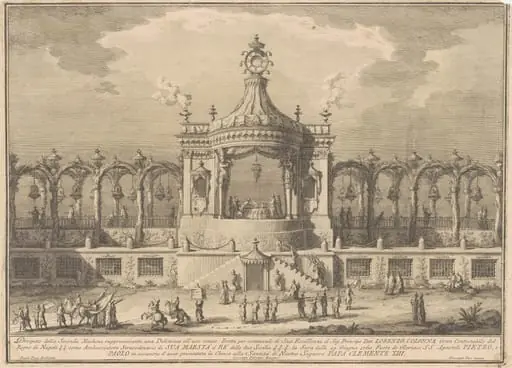 The Seconda Macchina for the Chinea of 1760: A Chinoiserie Pavilion
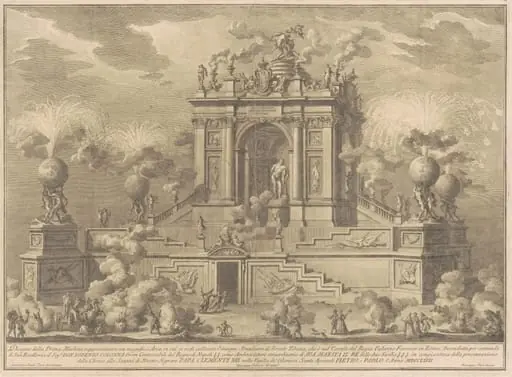 The Prima Macchina for the Chinea of 1767: A Triumphal Arch with the Farnese Hercules
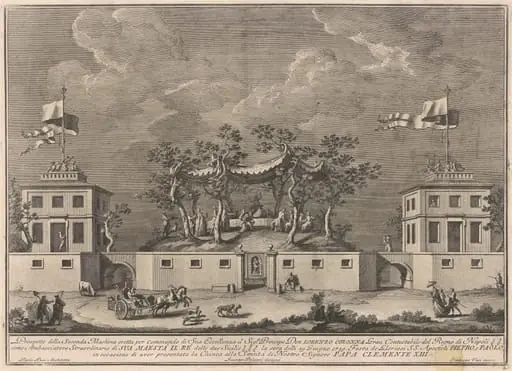 The Seconda Macchina for the Chinea of 1759: A "Deliziosa" with a Bacchanal
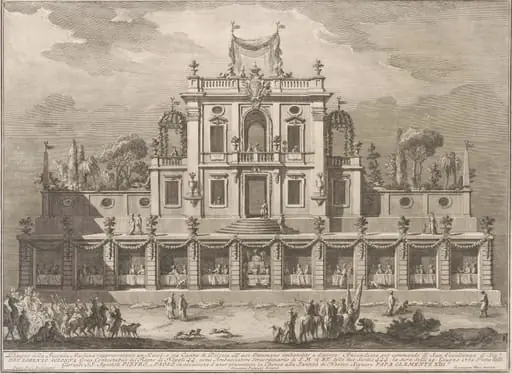 The Seconda Macchina for the Chinea of 1762: A Kiosk, or Pleasure-House in Ottoman Style
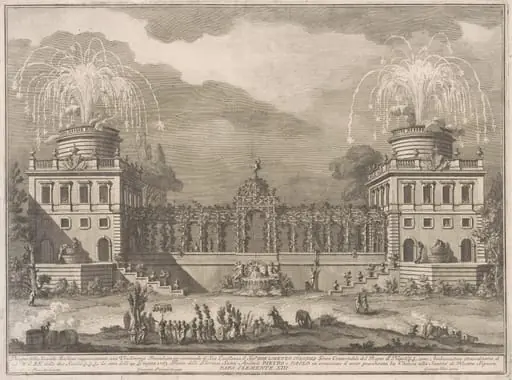 The Seconda Macchina for the Chinea of 1763: The Grape Harvest
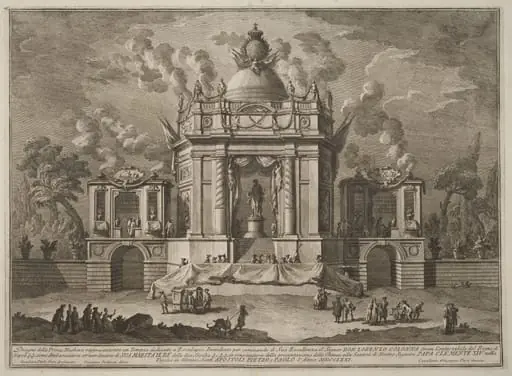 The Prima Macchina for the Chinea of 1771: The Temple of Asclepius
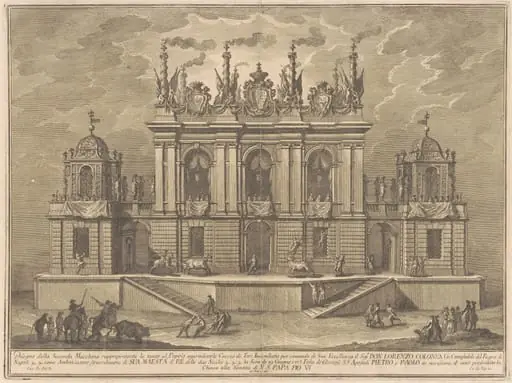 The Seconda Macchina for the Chinea of 1775: A Bull-fight
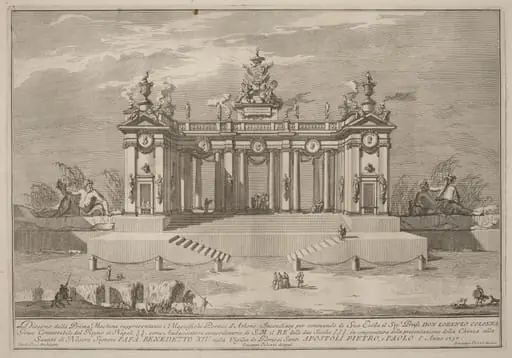 The Prima Macchina for the Chinea of 1757: The Colonnade of the Athenian Lyceum
![Orthographia Partis Interioris Templi Divi Petri [Interior View of Saint Peter's Basilica], by Étienne Dupérac](https://artifactworldgallery.com/img/etienne-duperac--orthographia-partis-interioris-templi-divi-petri-interior-vi--59b448ec2f3049cc-w320.webp) Orthographia Partis Interioris Templi Divi Petri [Interior View of Saint Peter's Basilica]
Orthographia Partis Interioris Templi Divi Petri [Interior View of Saint Peter's Basilica]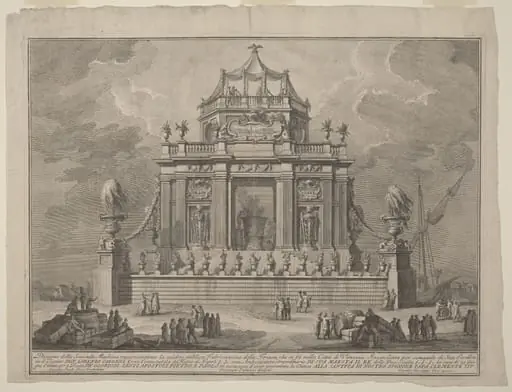 The Seconda Macchina for the Chinea of 1773: The Preparation of Theriac in Venice
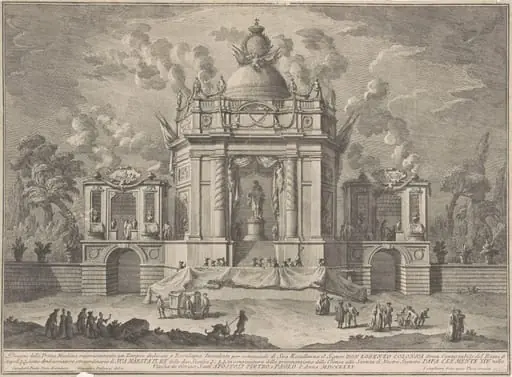 The Prima Macchina for the Chinea of 1771: The Temple of Asclepius
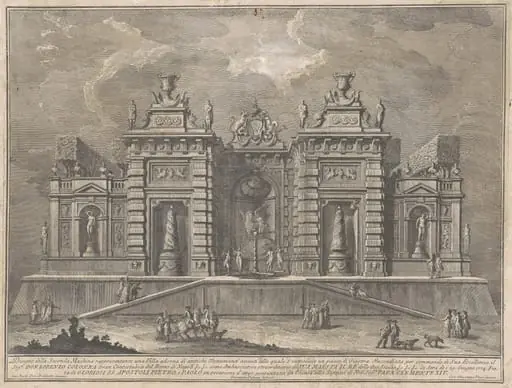 The Seconda Macchina for the Chinea of 1774: A Villa with Ancient Monuments and a Game of "Giostra"
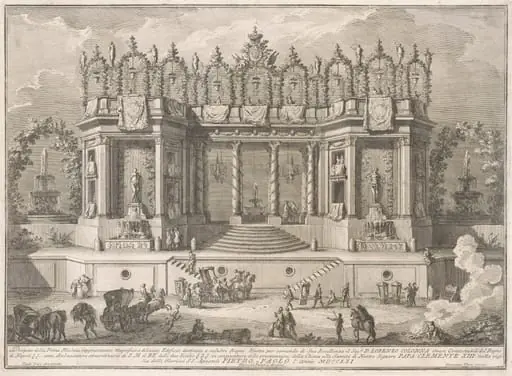 The Prima Macchina for the Chinea of 1761: The Salubrious Baths
 The Prima Macchina for the Chinea of 1757: The Colonnade of the Athenian Lyceum
 Louis XV, King of France