Artwork
The Prima Macchina for the Chinea of 1771: The Temple of Asclepius
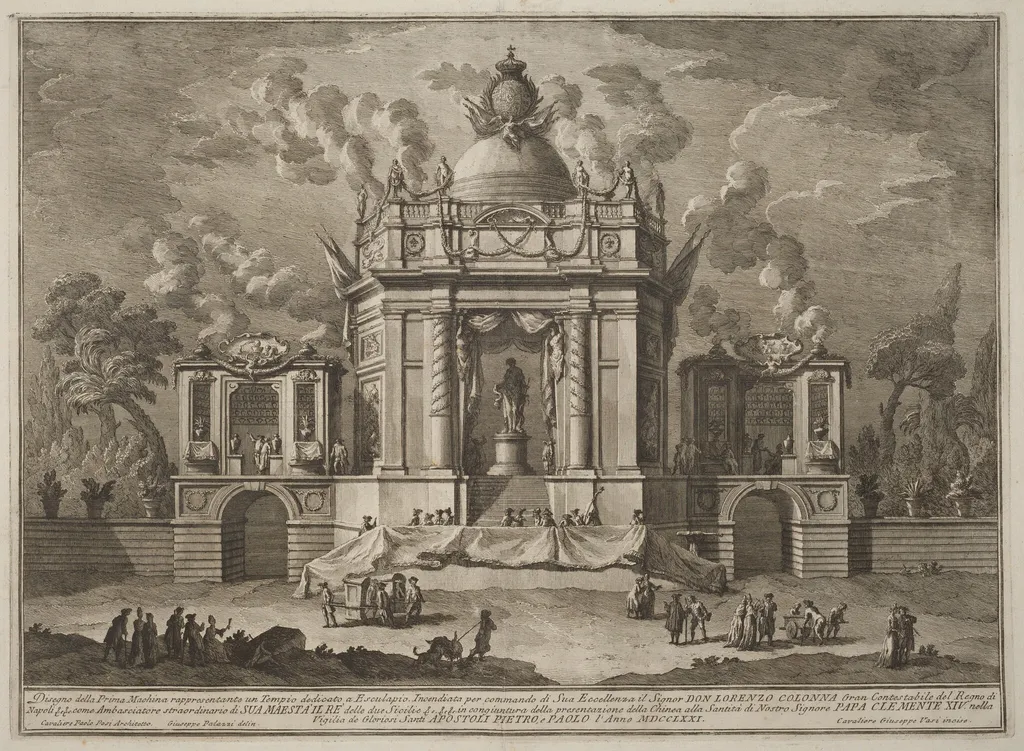
The Prima Macchina for the Chinea of 1771: The Temple of Asclepius is an ink print by the Romanticist artist Giuseppe Vasi. It dates from 1771 and is held in the collection of the National Gallery of Art.
About this work
The artist used a technique that lets them create fine lines and shading, making the print look almost like a drawing.
This print shows a grand, fake temple built for a big event. The structure has tall columns, statues on top, and a dome with a cross. People in old-fashioned clothes stand around a draped table in front of it, while others watch from the sides. The scene looks like a mix of a stage set and a real building, with detailed carvings and flags hanging around.
The temple is called the Temple of Asclepius, and it was made for a special ceremony in 1771. The artist used a technique that lets them create fine lines and shading, making the print look almost like a drawing.
If you like this, check out the technique: etching.
Overview
Giuseppe Vasi’s 1771 etching, titled *The Prima Macchina for the Chinea of 1771: The Temple of Asclepius*, depicts a temporary, monumental structure erected for a ceremonial occasion. Rendered on laid paper, the image combines architectural grandeur with a bustling crowd, presenting a stage‑like setting that merges the illusion of a permanent temple with the transitory nature of the event.
Subject & Meaning
The printed scene centers on a fabricated temple dedicated to Asclepius, the ancient god of healing, constructed for the 1771 Chinea ceremony—a diplomatic tribute involving the presentation of a horse to the Pope. Figures in period dress gather around a richly draped table before the edifice, while onlookers line the periphery, suggesting both the ritual’s public spectacle and its civic symbolism.
Technique & Style
Vasi employed the etching process, incising fine lines into a copper plate that were then transferred onto laid paper. The method allowed him to render delicate shading and intricate architectural details, from the fluted columns to the ornamental friezes and flags. The overall effect balances the precision of a drawing with the tonal depth characteristic of 18th‑century printmaking.
History & Provenance
Created specifically for the 1771 Chinea festivities, the print served as a visual record of the temporary temple’s design and the associated ceremony. Copies circulated among participants and patrons, documenting the event’s grandeur. The work now resides in several European print collections, reflecting Vasi’s role as a chronicler of Roman public spectacles.
Context
The Chinea tribute, a yearly diplomatic exchange between the Kingdom of Naples and the Papal States, often featured elaborate temporary architecture to underscore political ties. Vasi’s depiction aligns with a broader tradition of 18th‑century artists documenting such urban spectacles, providing insight into the interplay between architecture, ceremony, and public space in Rome.
Artist & collection

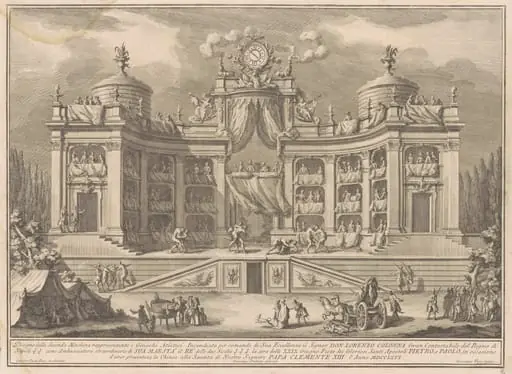 The Seconda Macchina for the Chinea of 1766: A Theater for Athletic Games
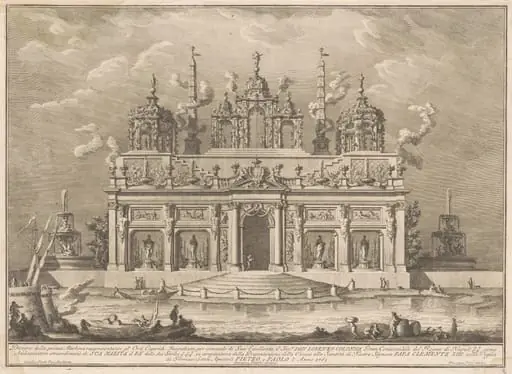 The Prima Macchina for the Chinea of 1765: The Garden of the Hesperides
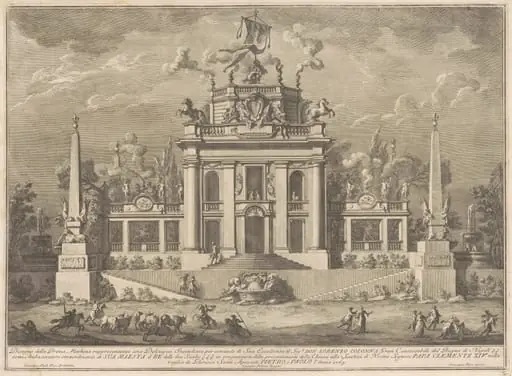 The Prima Macchina for the Chinea of 1769: A "Deliziosa"
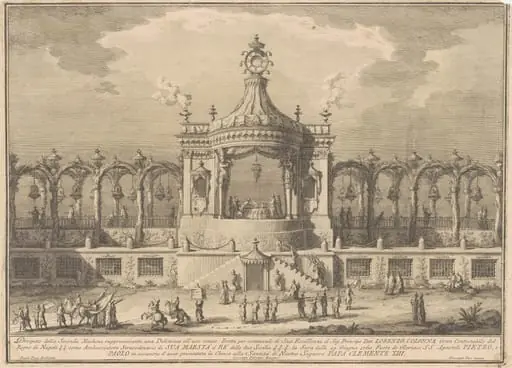 The Seconda Macchina for the Chinea of 1760: A Chinoiserie Pavilion
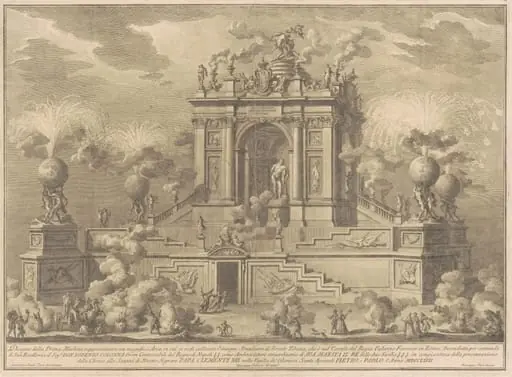 The Prima Macchina for the Chinea of 1767: A Triumphal Arch with the Farnese Hercules
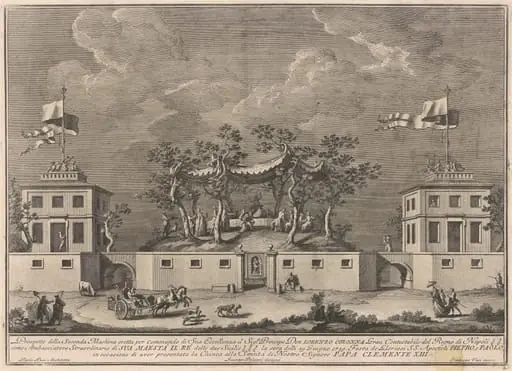 The Seconda Macchina for the Chinea of 1759: A "Deliziosa" with a Bacchanal
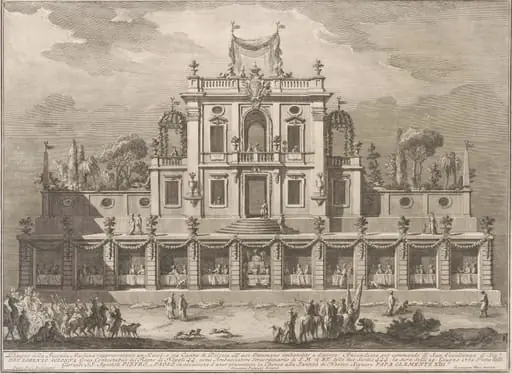 The Seconda Macchina for the Chinea of 1762: A Kiosk, or Pleasure-House in Ottoman Style
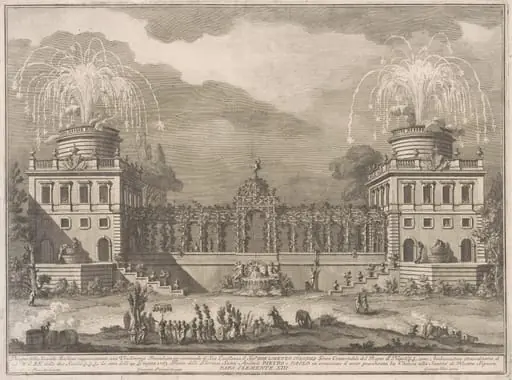 The Seconda Macchina for the Chinea of 1763: The Grape Harvest
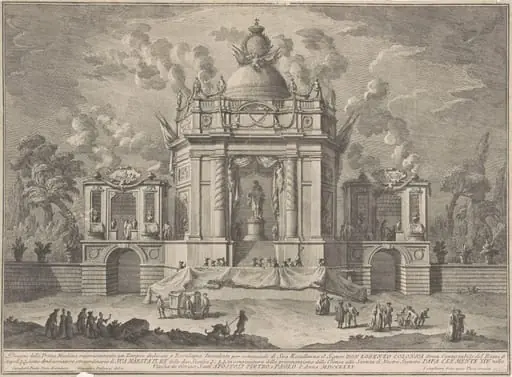 The Prima Macchina for the Chinea of 1771: The Temple of Asclepius
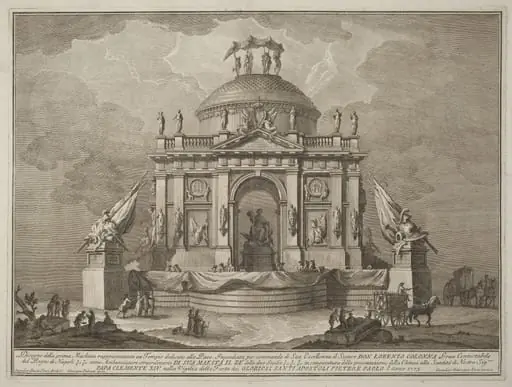 The Prima Macchina for the Chinea of 1773: The Temple of Peace
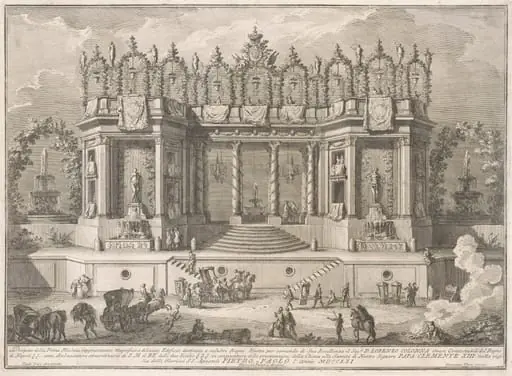 The Prima Macchina for the Chinea of 1761: The Salubrious Baths
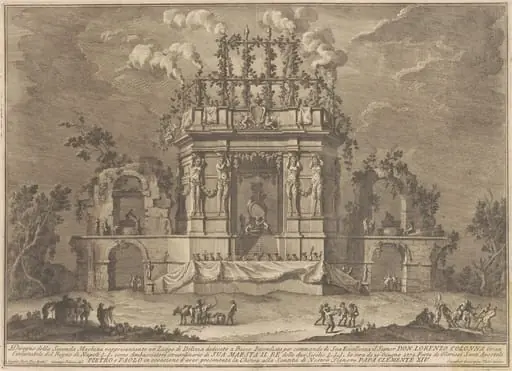 The Seconda Macchina for the Chinea of 1771: A Pleasure Palace Dedicated to Bacchus
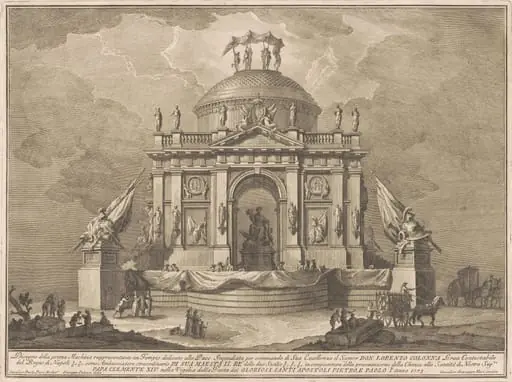 The Prima Macchina for the Chinea of 1773: The Temple of Peace
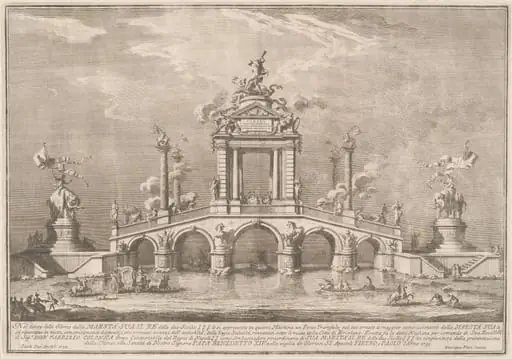 The Prima Macchina for the Chinea of 1755: A Triumphal Bridge with Antiquities from Herculaneum
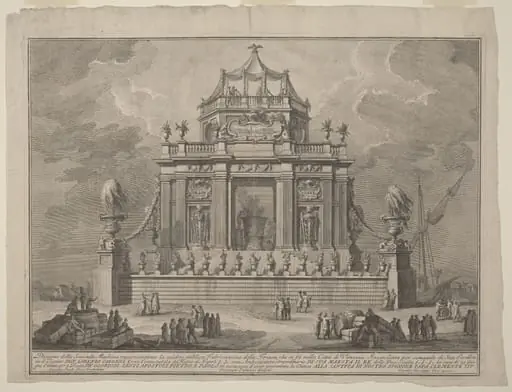 The Seconda Macchina for the Chinea of 1773: The Preparation of Theriac in Venice
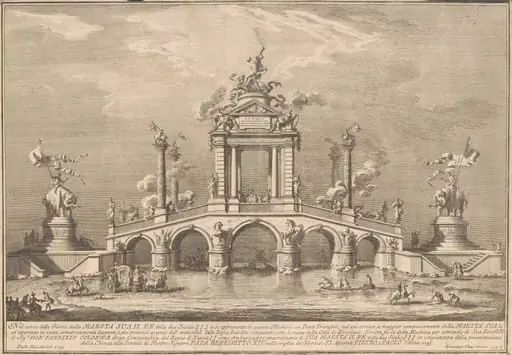 The Prima Macchina for the Chinea of 1755: A Triumphal Bridge with Antiquities from Herculaneum
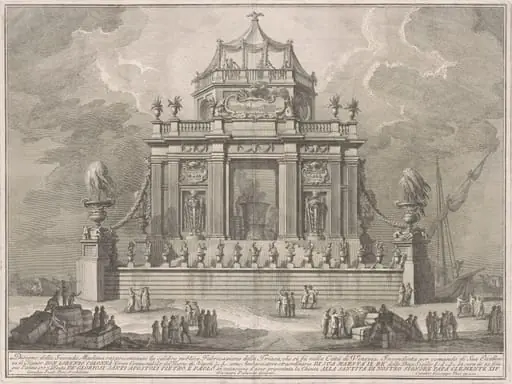 The Seconda Macchina for the Chinea of 1773: The Preparation of Theriac in Venice
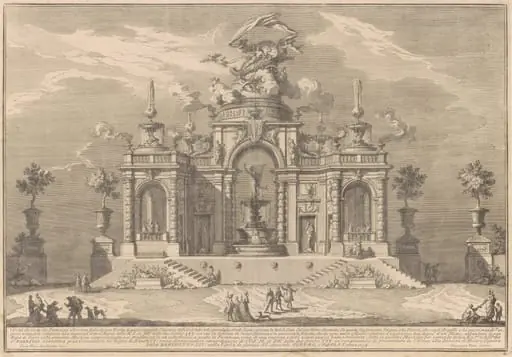 The Prima Macchina for the Chinea of 1754: The Palace of Venus in Cyprus