Artwork
The Prima Macchina for the Chinea of 1755: A Triumphal Bridge with Antiquities from Herculaneum
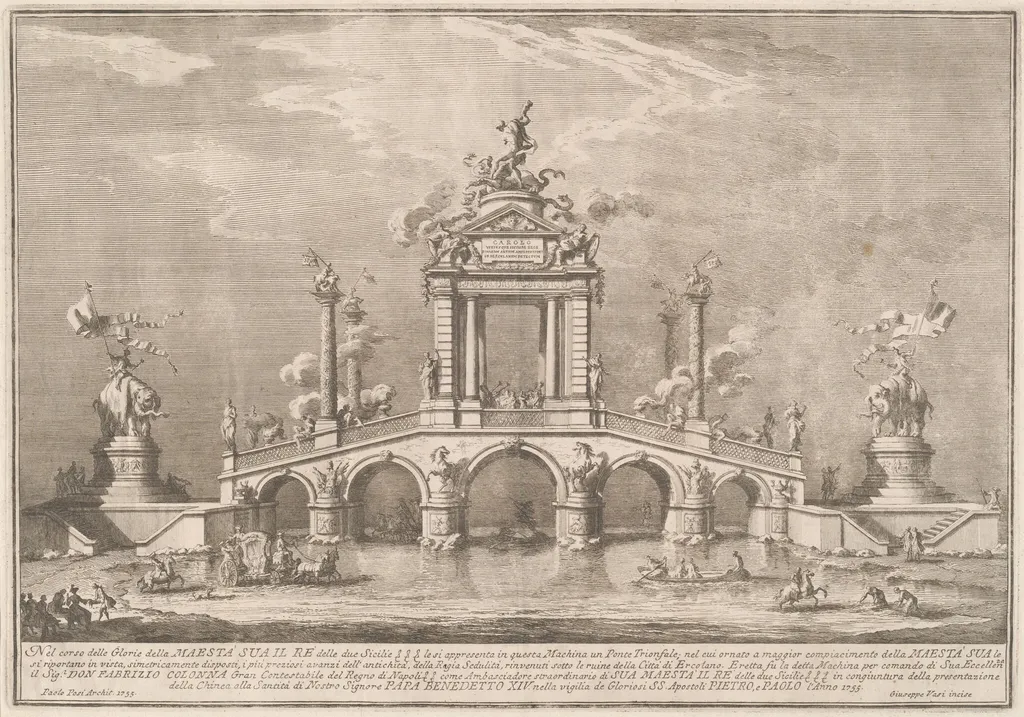
The Prima Macchina for the Chinea of 1755: A Triumphal Bridge with Antiquities from Herculaneum is an ink print by the Romanticist artist Giuseppe Vasi. It dates from 1755 and is held in the collection of the National Gallery of Art.
About this work
Overview
Giuseppe Vasi’s 1755 etching, titled *The Prima Macchina for the Chinea of 1755: A Triumphal Bridge with Antiquities from Herculaneum*, is a printed image on laid paper. The work records a temporary, theatrical bridge erected for the Chinea ceremony in Rome, a grand procession celebrating the Pope’s reception of a tribute from the Kingdom of Naples.
Subject & Meaning
The composition presents an exaggerated, artificial bridge crowded with Roman statues, fragments of classical architecture, and vivid banners. Though the structure never existed beyond the festival, Vasi’s rendering emphasizes the pageantry and the 18th‑century fascination with antiquity, juxtaposing contemporary celebration with imagined ruins from Herculaneum.
Technique & Style
Vasi employed fine etching lines on laid paper, achieving a crisp delineation of architectural detail and textile texture. Subtle chiaroscuro created depth, allowing the fabricated ruins to appear three‑dimensional. The precise rendering of shadows and surface relief reflects Vasi’s skill as a topographical printmaker.
History & Provenance
The print was produced as a record of the 1755 Chinea festivities and later entered the collection of the National Gallery of Art in Washington, D.C. Its survival in good condition demonstrates the durability of Vasi’s paper and ink choices, as well as the continued scholarly interest in his documentary prints.
Context
The Chinea ceremony, an annual tribute from the Neapolitan monarchy to the papacy, was marked by elaborate temporary architecture. Vasi’s etching captures this moment of civic spectacle, aligning with the broader 18th‑century trend of documenting public events and the burgeoning interest in the excavations of Herculaneum and Pompeii.
Artist & collection

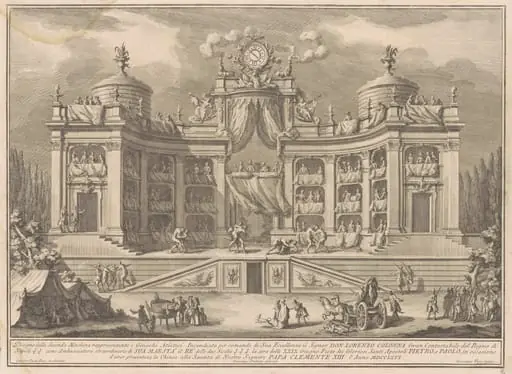 The Seconda Macchina for the Chinea of 1766: A Theater for Athletic Games
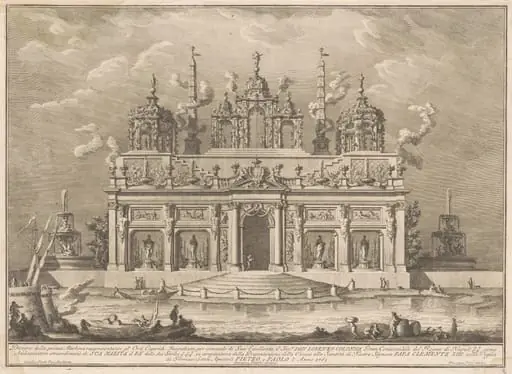 The Prima Macchina for the Chinea of 1765: The Garden of the Hesperides
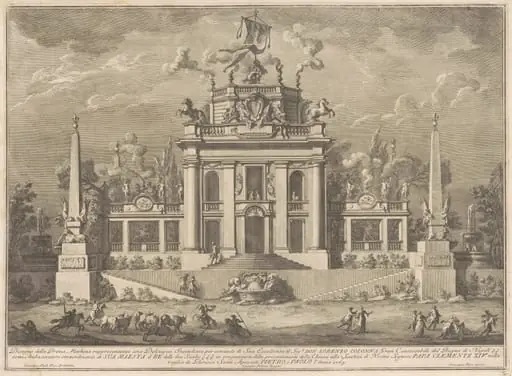 The Prima Macchina for the Chinea of 1769: A "Deliziosa"
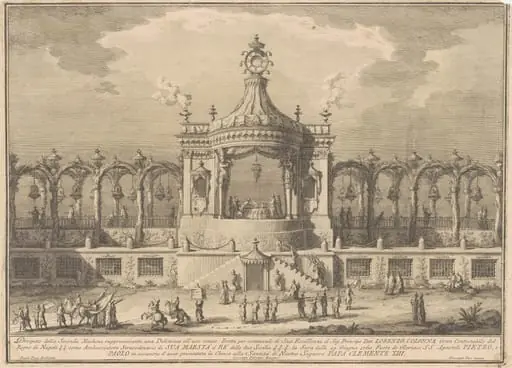 The Seconda Macchina for the Chinea of 1760: A Chinoiserie Pavilion
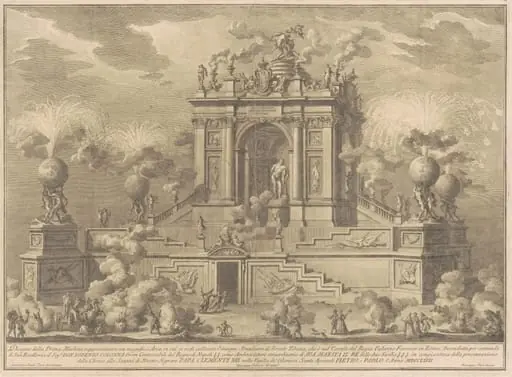 The Prima Macchina for the Chinea of 1767: A Triumphal Arch with the Farnese Hercules
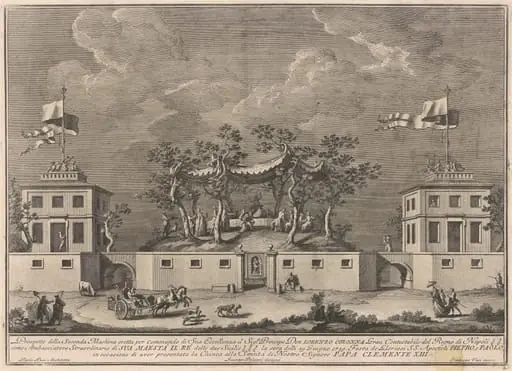 The Seconda Macchina for the Chinea of 1759: A "Deliziosa" with a Bacchanal
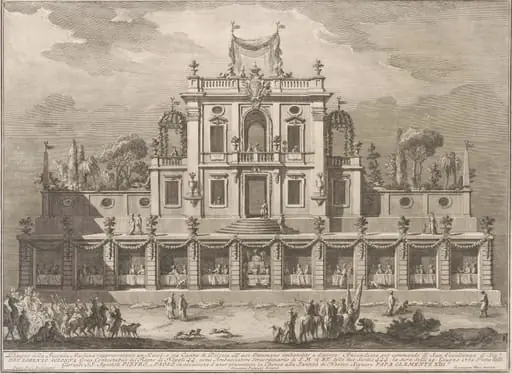 The Seconda Macchina for the Chinea of 1762: A Kiosk, or Pleasure-House in Ottoman Style
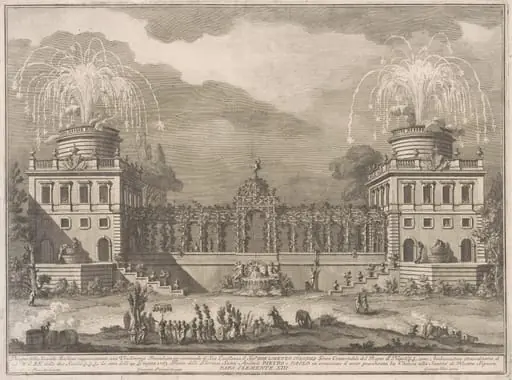 The Seconda Macchina for the Chinea of 1763: The Grape Harvest
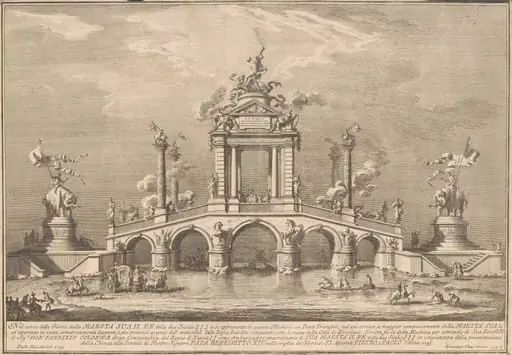 The Prima Macchina for the Chinea of 1755: A Triumphal Bridge with Antiquities from Herculaneum
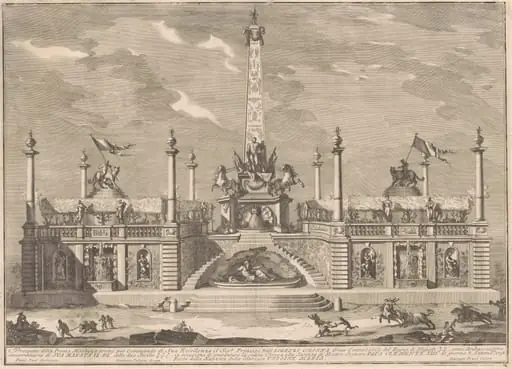 The Prima Macchina for the Chinea of 1758: A "Deliziosa" with Hanging Gardens
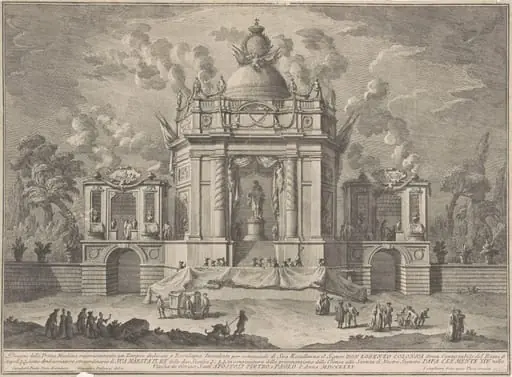 The Prima Macchina for the Chinea of 1771: The Temple of Asclepius
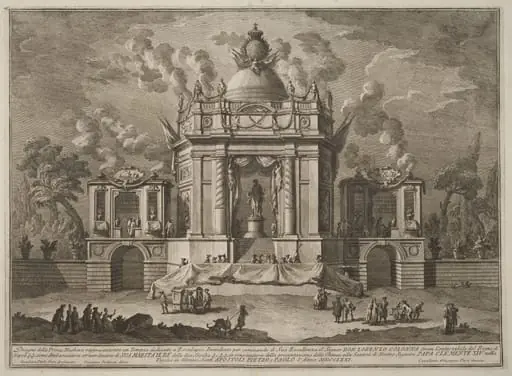 The Prima Macchina for the Chinea of 1771: The Temple of Asclepius
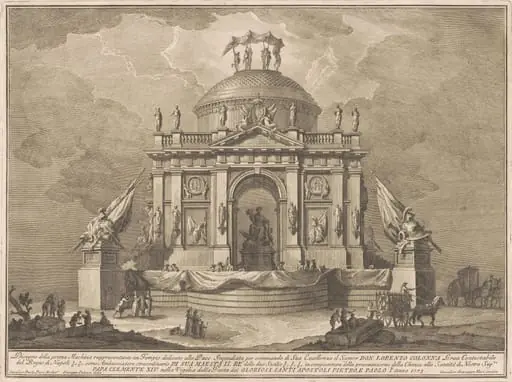 The Prima Macchina for the Chinea of 1773: The Temple of Peace
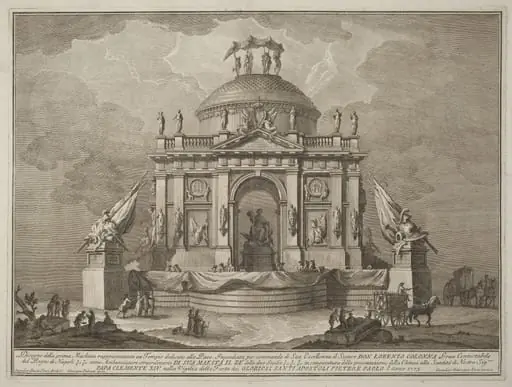 The Prima Macchina for the Chinea of 1773: The Temple of Peace
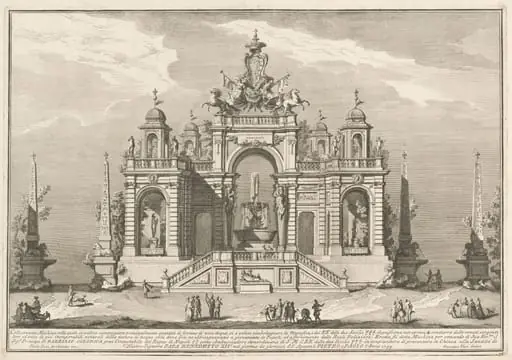 The Seconda Macchina for the Chinea of 1754: An Allegory of Waterworks
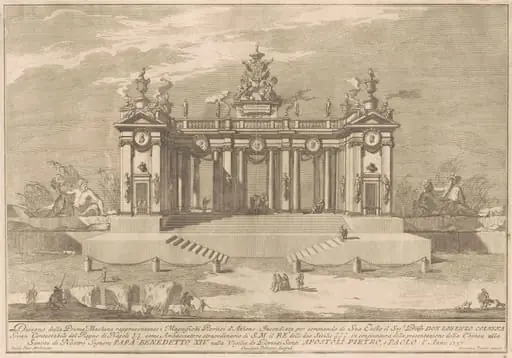 The Prima Macchina for the Chinea of 1757: The Colonnade of the Athenian Lyceum
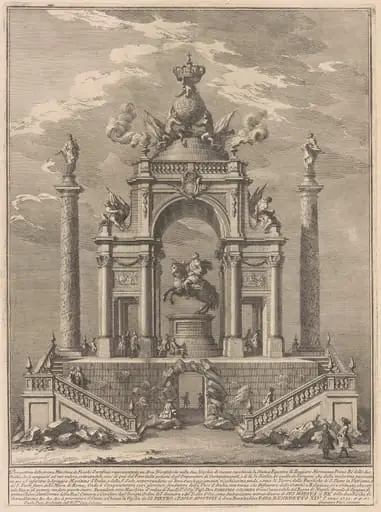 The Prima Macchina for the Chinea of 1751: Triumphal Arch for Roger I of Sicily