Artwork
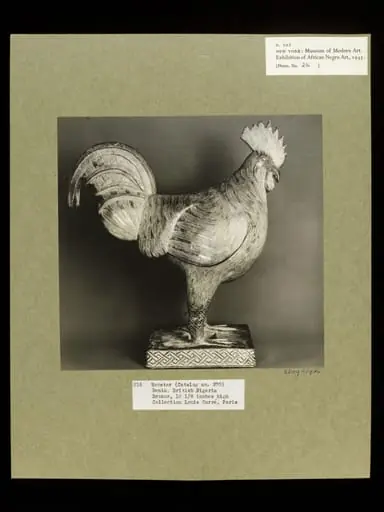
Bird. Benin.
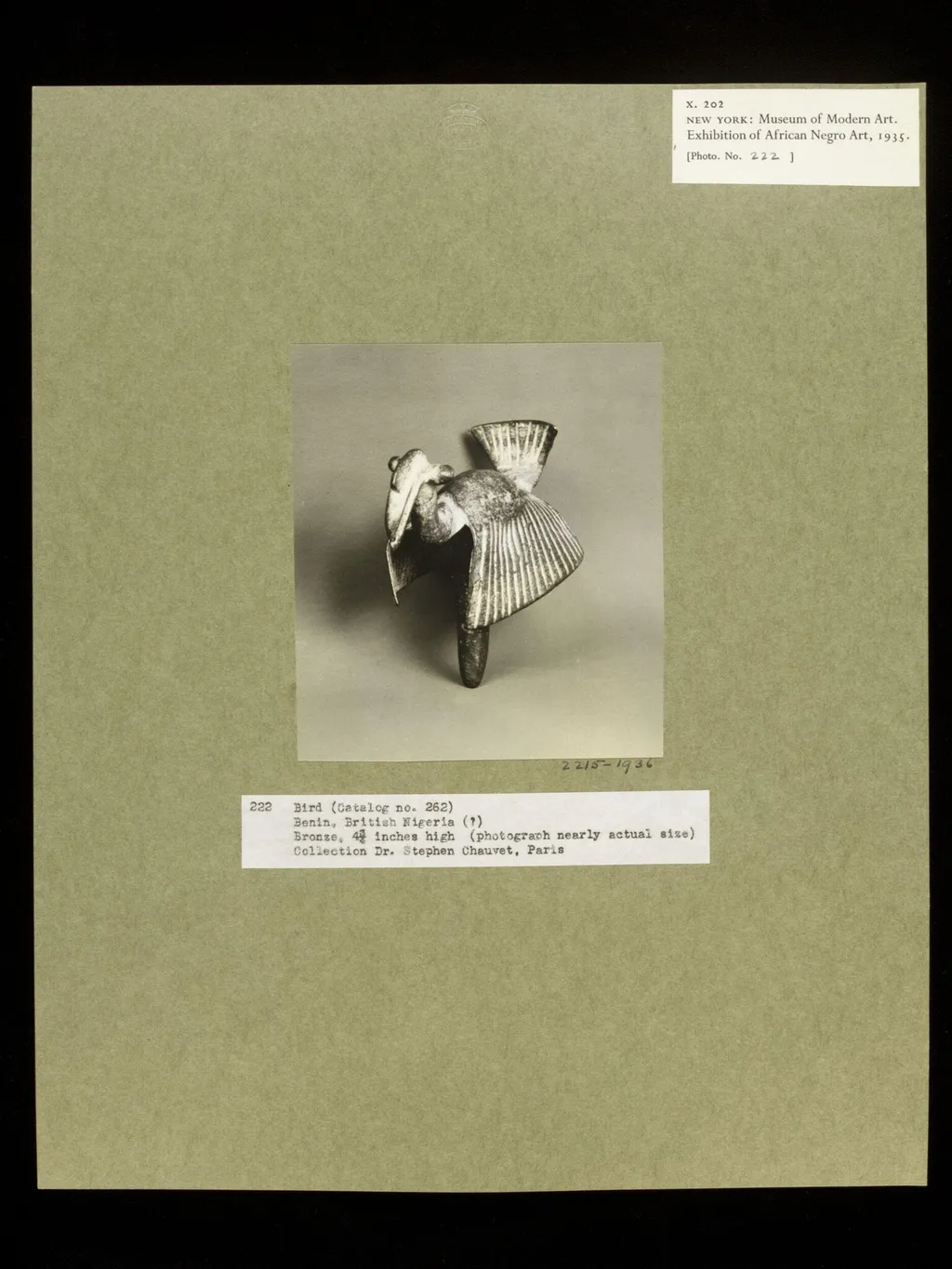
Bird. Benin. is a photographic photography by Walker Evans. It dates from 1935 and is held in the collection of the Victoria and Albert Museum.
About this work
Its wings are spread wide, with detailed patterns carved into the feathers.
This is a small bronze bird sculpture. Its wings are spread wide, with detailed patterns carved into the feathers. The bird sits on a simple base, facing slightly to the side. The material looks smooth but has texture in the feathers.
This piece was part of a 1935 exhibition of African art in New York. The label calls it "Bird" from Benin, British Nigeria, and notes it’s 4.25 inches tall.
Check out the Victoria and Albert Museum to see more works like this.
Overview
A small bronze bird sculpture, photographed in 1935 by Walker Evans, was included in a New York exhibition of African art. The image captures the object’s form and surface detail without contextualizing it within its original cultural setting. The photograph serves as a documentary record, preserving the appearance of the piece at a moment when Western institutions were beginning to systematically collect and display African artifacts.
Subject & Meaning
The sculpture represents a bird, likely symbolizing a messenger or spiritual intermediary in Benin culture. Its outstretched wings and alert posture suggest movement or readiness, qualities often associated with divine communication. While the exact ritual or ceremonial role of such figures is not recorded in the photograph’s metadata, similar objects in Benin royal contexts were linked to ancestral veneration and courtly symbolism.
Technique & Style
Crafted in bronze using the lost-wax method, the bird displays fine incised lines that define individual feathers across its wings and body. The surface exhibits a smooth polish interrupted by textured carving, creating contrast between broad planes and intricate detail. The posture is stylized rather than naturalistic, emphasizing symbolic presence over anatomical accuracy, consistent with Benin’s artistic conventions.
History & Provenance
The sculpture originates from the Kingdom of Benin, in what is now southern Nigeria, and was likely produced during the 16th to 18th centuries. It was among artifacts taken during the British punitive expedition of 1897 and later entered European and American collections. Walker Evans photographed it in 1935 during a curated exhibition in New York, marking one of the early efforts to present Benin art within a modern museum framework.
Context
In its original context, such bronze birds were placed on royal altars to honor deceased kings and serve as conduits between the living and ancestral spirits. They were part of elaborate ensembles including plaques and heads, all produced under royal patronage. The 1935 exhibition in New York, while introducing these works to a broader audience, detached them from their ritual significance, framing them instead as aesthetic objects.
Legacy
The photograph by Walker Evans contributed to the growing recognition of Benin art within modernist circles, influencing perceptions of African sculpture as formally sophisticated. Though the object’s cultural meaning was often overlooked in early Western displays, its inclusion in major exhibitions helped lay the groundwork for later scholarly efforts to restore its historical and spiritual context.
Artist & collection
Artist
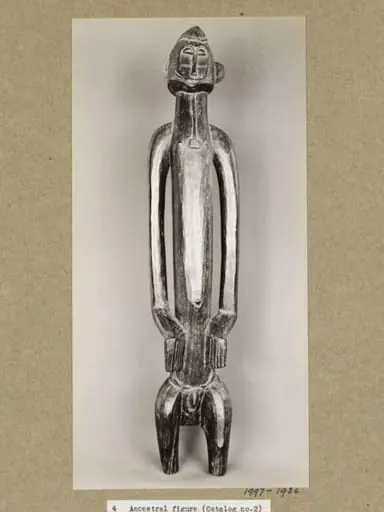
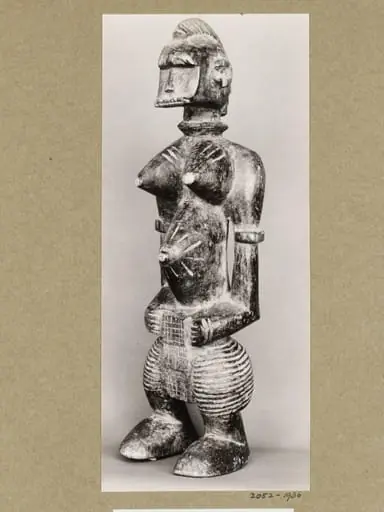
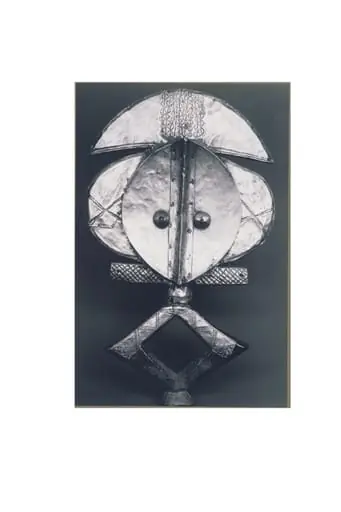
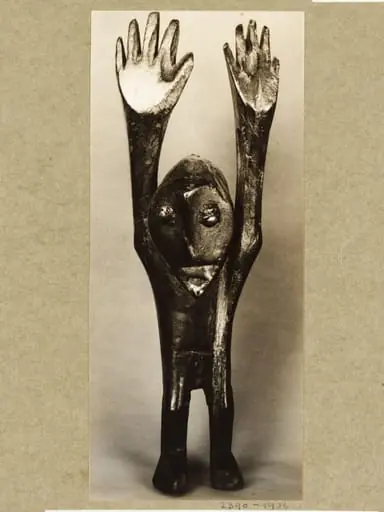
Walker Evans made stark black-and-white photos of carved wooden heads from Benin in 1935.

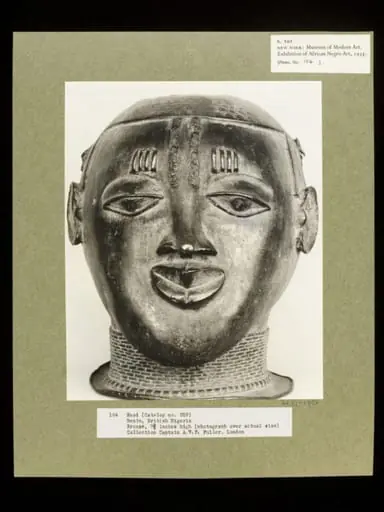
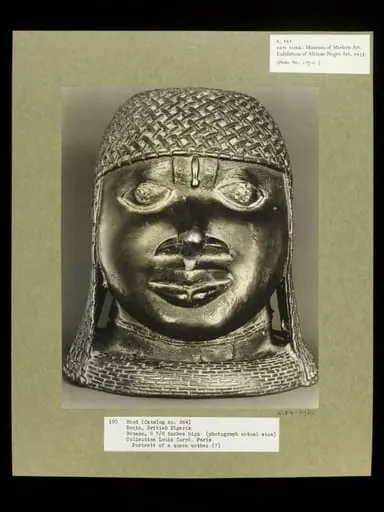
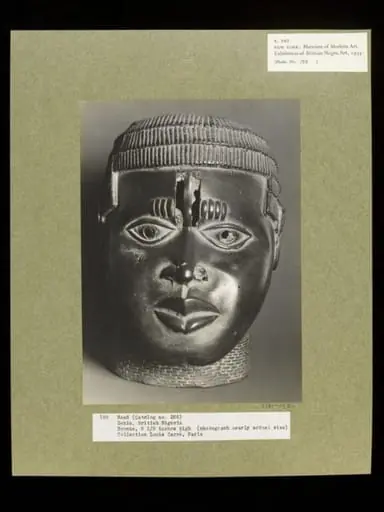
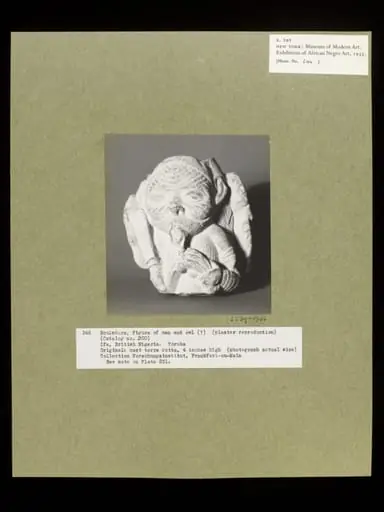 Plaster Cast of Terra Cotta Sculpture. Yoruba.
 Peisaj (cu stradă)
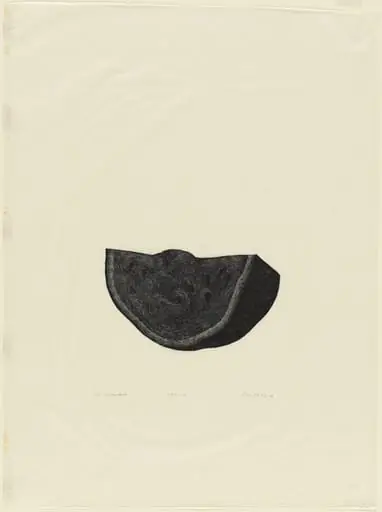 Untitled
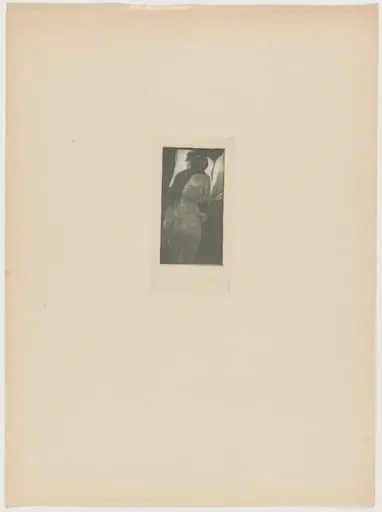 Départ pour le sabbat (Departure for the Sabbath)
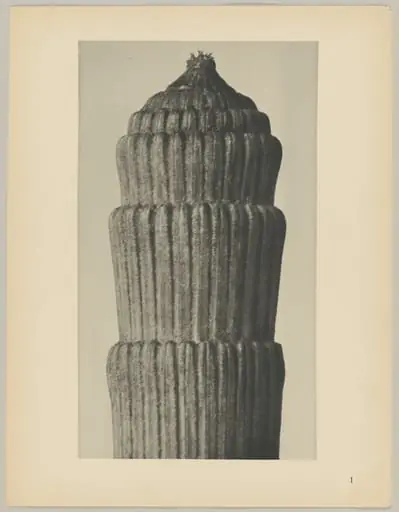 Equisetum hiemale
 Tablou, ulei pe pânză, „Omagiu de ziua femeii”. În centrul tabloului este reprezentat un coș cu flori de toarta căruia este legat un mărțișor. În partea de sus un portativ cu note pe care stau trei rândunele și inscripția ”De ziua femeii”. În partea stângă jos semnătura autorului G.V. Mihăilă, datat 1979. Oferit Elenei Ceaușescu de autor, 1979
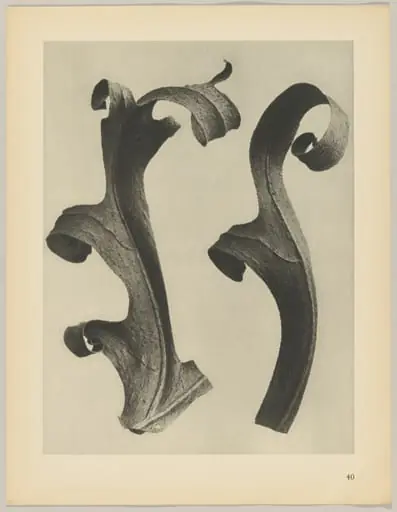 Silphium laciniatum
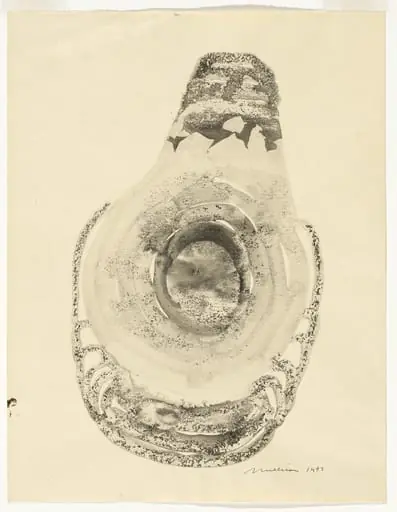 Untitled
 Întreprinderea de prelucrarea marmurei Tulcea
 Păsările