Artwork
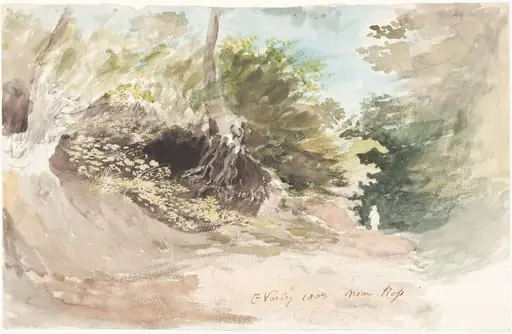
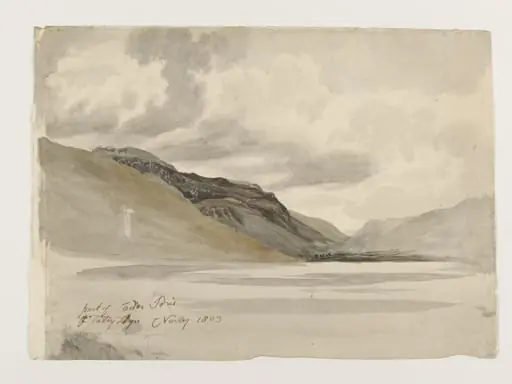
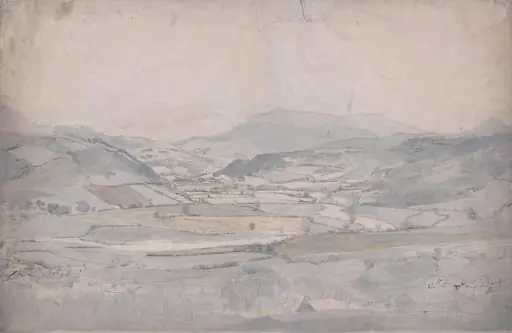
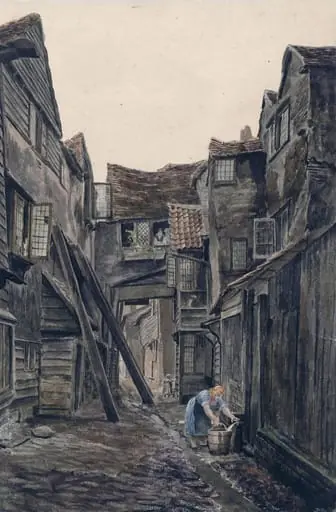
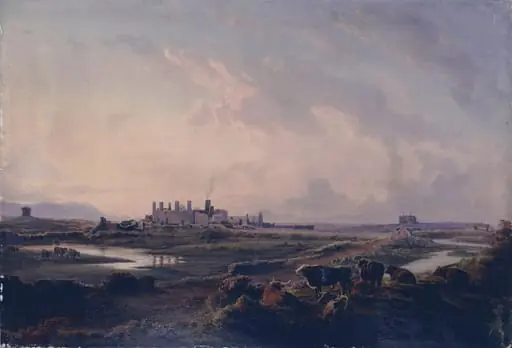
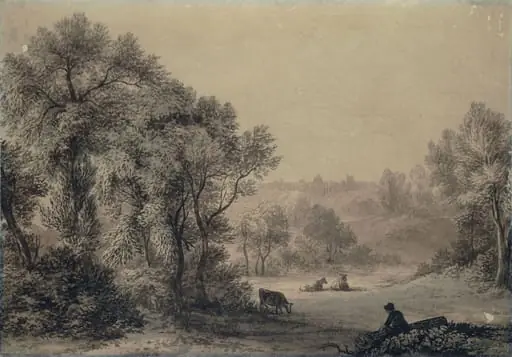
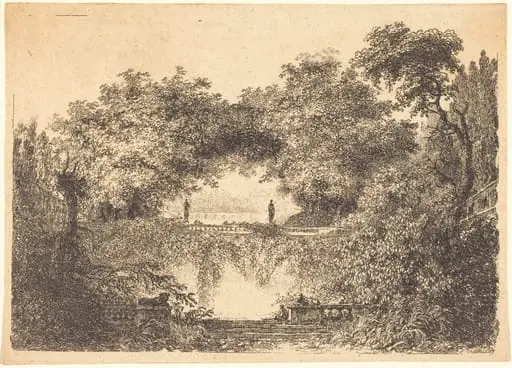
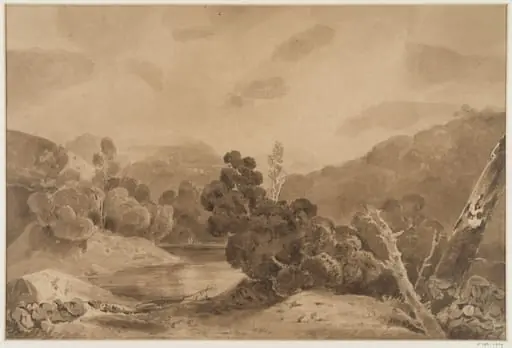
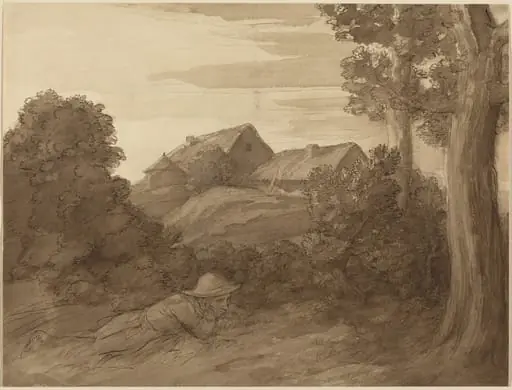
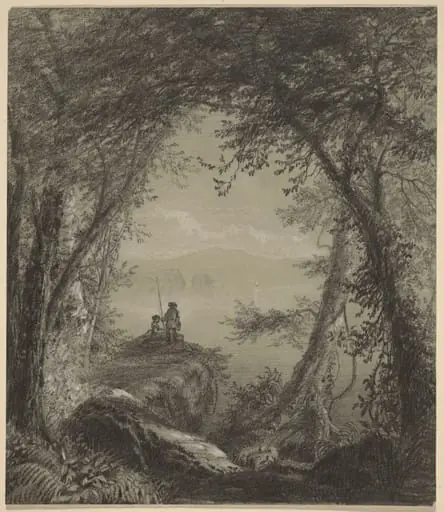
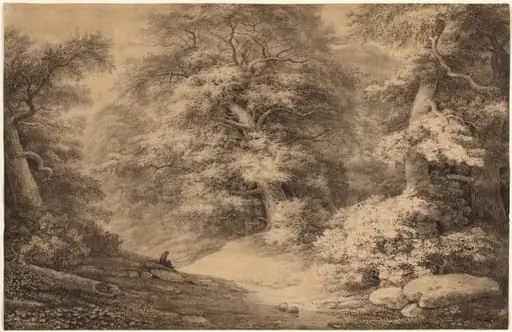
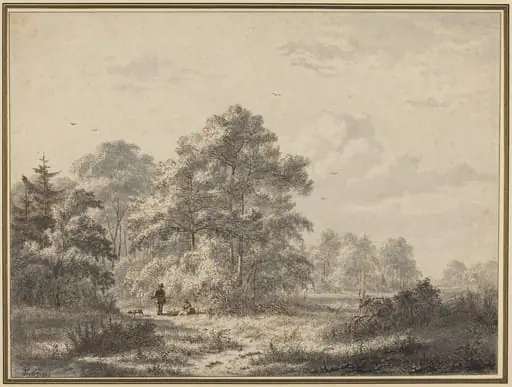
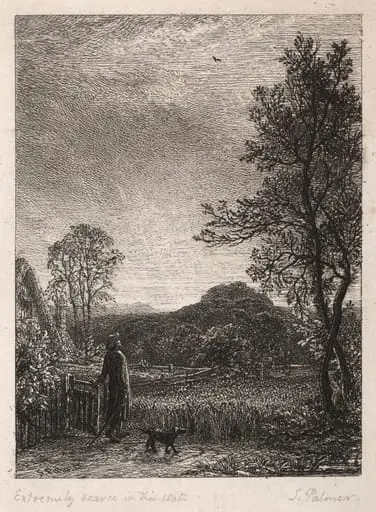
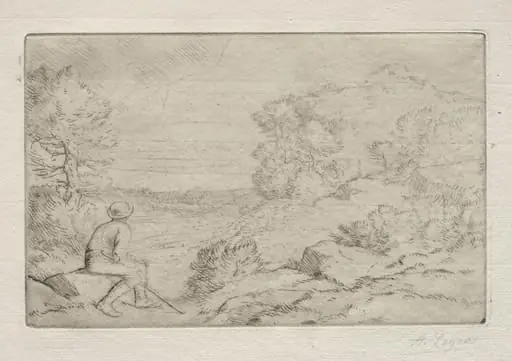
Landscape with Figure in Foreground
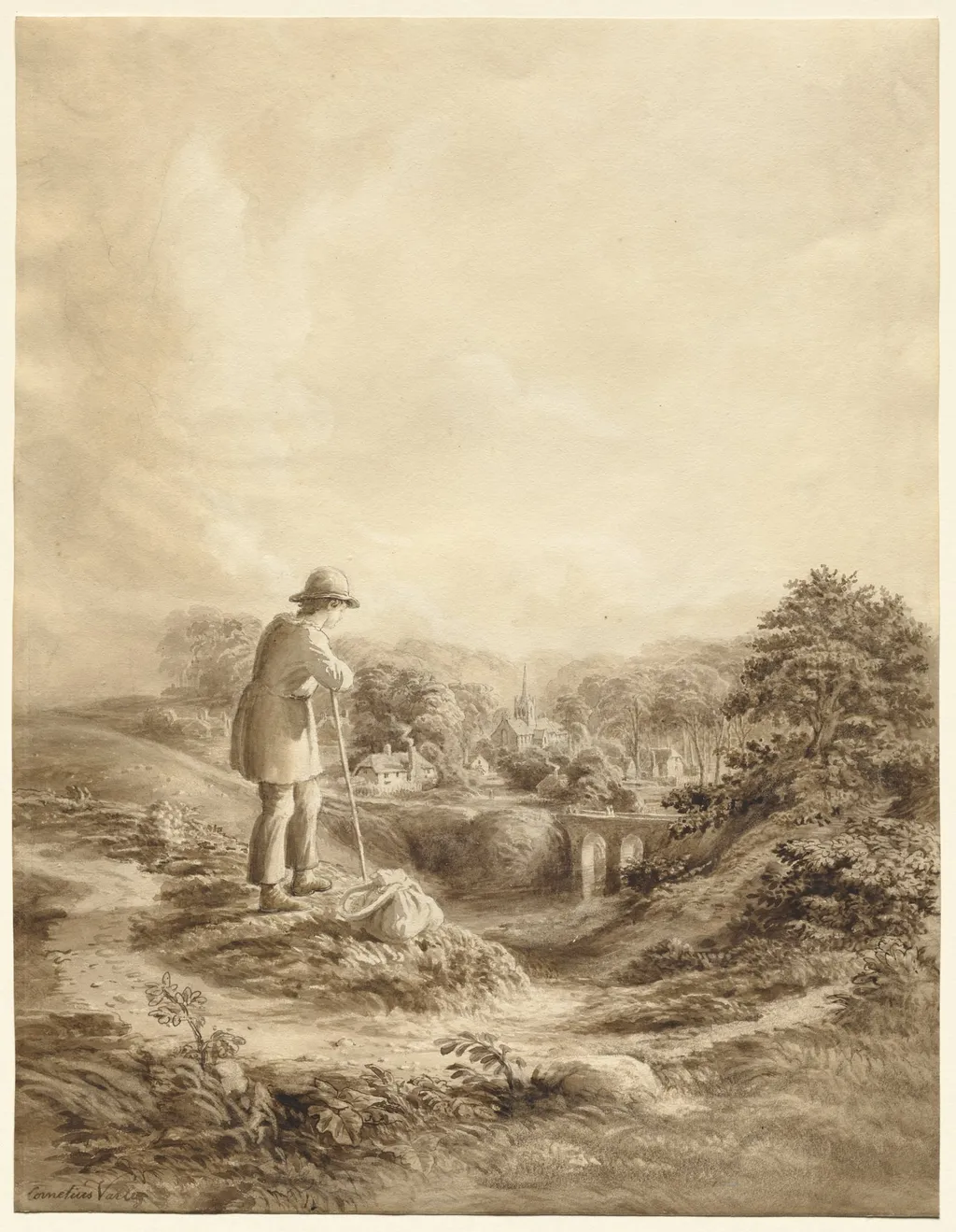
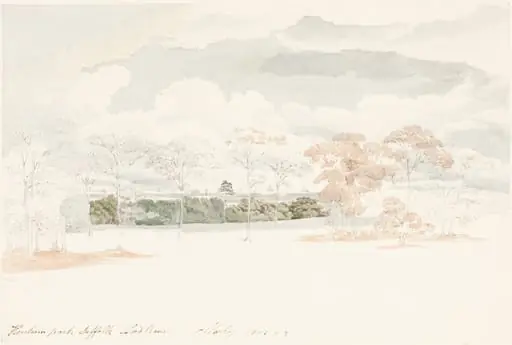
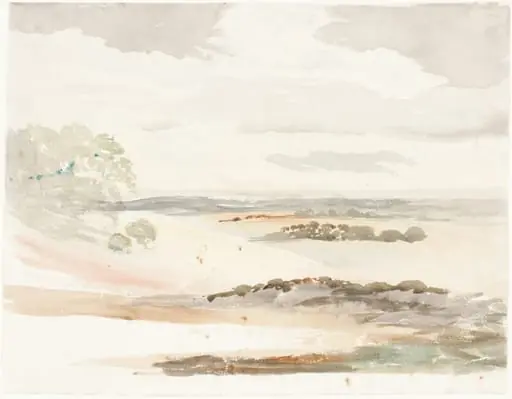
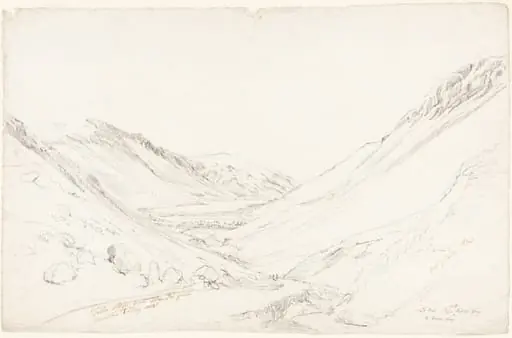
Landscape with Figure in Foreground is a drawing by the Romanticist artist Cornelius Varley. It dates from 1840 and is held in the collection of the Cleveland Museum of Art. John Varley, largely self-taught, emerged as a key figure in 19th-century English landscape drawing.
About this work
Overview
He prioritized direct observation of nature, producing numerous sketches outdoors that emphasized immediacy and atmospheric presence.
John Varley, largely self-taught, emerged as a key figure in 19th-century English landscape drawing. He prioritized direct observation of nature, producing numerous sketches outdoors that emphasized immediacy and atmospheric presence. His scientific curiosity led him to develop a drawing aid called the 'graphic telescope' in 1809, inspired by the camera obscura, reflecting his interest in bridging art and optical technology.
Subject & Meaning
The drawing visually interprets a passage from Samuel Rogers’ poem 'The Pleasures of Memory,' depicting a young traveler pausing on a hill to look back at his distant home. The figure’s stillness and the quiet landscape evoke nostalgia and emotional resonance, capturing the poem’s theme of longing for lost simplicity. Varley translates literary sentiment into visual form without overt drama, relying on composition and tone to convey melancholy reflection.
Technique & Style
Varley employed subtle chiaroscuro to model form and suggest depth, using graded washes and delicate ink lines to define hills, trees, and atmospheric haze. His hand is confident yet unpretentious, avoiding excessive detail in favor of suggestive marks that imply texture and distance. The drawing’s spontaneity reflects his commitment to plein air practice, where direct observation shaped his approach to light, shadow, and spatial recession.
History & Provenance
Created during a period when landscape drawing was gaining scholarly and artistic recognition, this work belongs to Varley’s extensive body of outdoor studies. Though not widely exhibited in his lifetime, his sketches were valued by contemporaries for their authenticity. The drawing likely remained in private hands until entering institutional collections, where its significance as a record of early English sketching practice became more widely acknowledged.
Context
Varley worked amid a cultural shift toward valuing personal experience in nature, influenced by Romanticism and the rise of topographical art. His practice stood apart from idealized studio compositions, aligning instead with emerging ideals of truth to nature. The integration of literary reference in his drawings reflects the period’s interplay between poetry and visual art, where emotional landscapes were as important as physical ones.
Legacy
Varley’s emphasis on direct observation helped legitimize sketching as a serious artistic discipline in England. His technical innovations and commitment to outdoor work influenced later generations of landscape artists. Though not a formal teacher, his example contributed to the broader acceptance of spontaneous, nature-based drawing as a foundation for artistic development in the 19th century.
Artist & collection

Artist
Cornelius Varley, FRSA (21 November 1781 – 2 October 1873) was a British painter, mostly in watercolour, printmaker and optical instrument-maker. He invented the graphic telescope and the graphic microscope.