Artwork
Hoc Tanta Moles Nititvr...
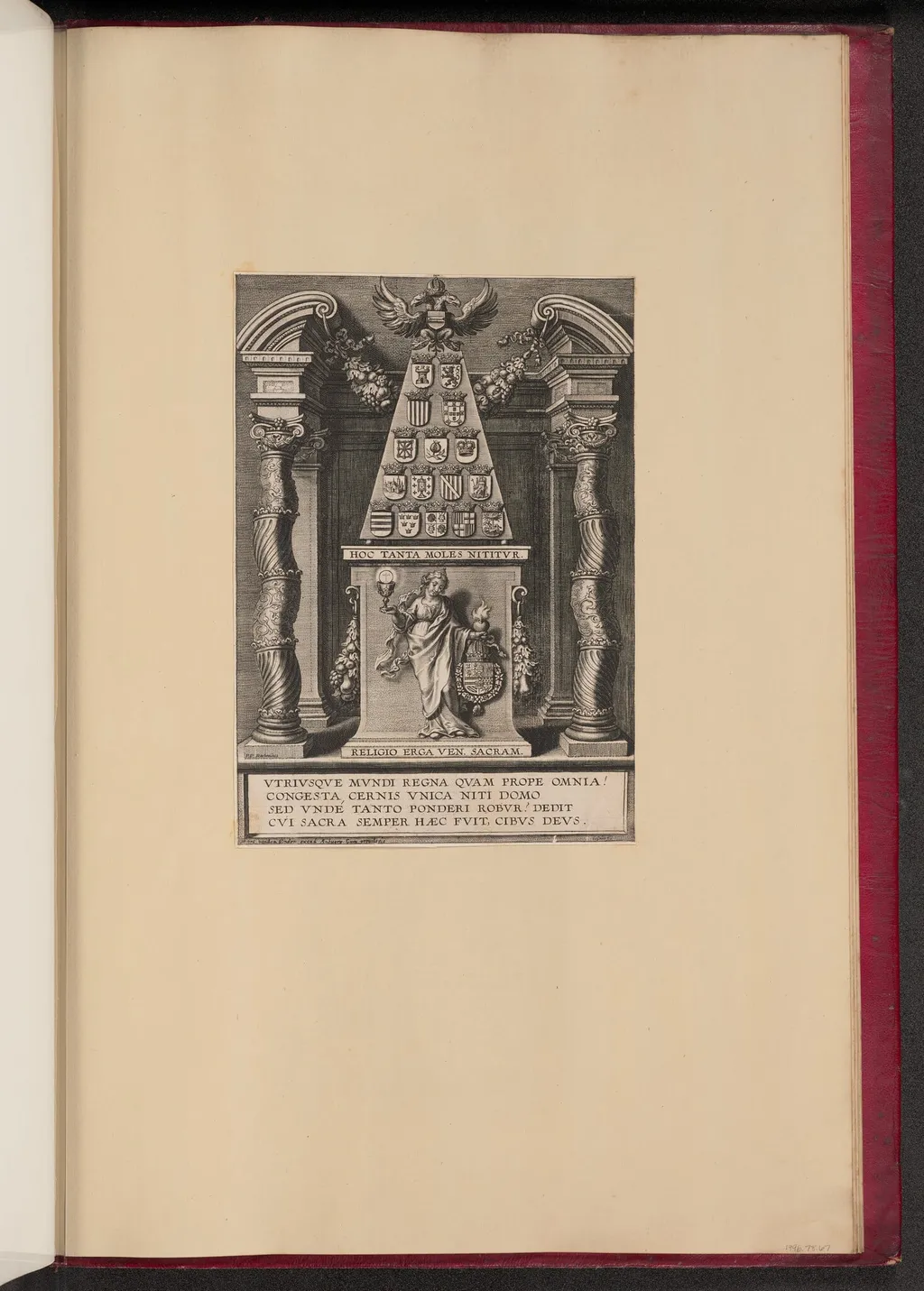
Hoc Tanta Moles Nititvr... is an ink print by the Baroque artist Cornelis Galle I. It dates from 1613 and is held in the collection of the National Gallery of Art.
About this work
Overview
Cornelis Galle the Elder, an Antwerp-born engraver active in the early seventeenth century, produced the print titled Hoc Tanta Moles Nititvr… in 1613. Executed on laid paper, the work exemplifies his proficiency in both composition and the technical demands of engraving.
Subject & Meaning
The composition centers on an elaborate stone arch flanked by paired columns, surmounted by a shield crowded with smaller escutcheons and a crown. A female figure stands beneath, bearing a globe and a shield bearing a cross, symbols that foreground themes of authority and Christian triumph.
Technique & Style
Galle employs fine, intersecting lines to model forms and suggest depth, creating a richly textured surface. The use of laid paper enhances the tactile quality of the print, while the intricate line work reflects the precise, controlled hand characteristic of his Roman training.
History & Provenance
Trained by his father Philip Galle, Cornelis spent a period in Rome before returning to Antwerp, where he worked as both an engraver and a printseller. The 1613 print was issued from his Antwerp workshop, likely intended for a market of collectors interested in allegorical and heraldic imagery.
Context
The early 1600s saw a flourishing of emblematic prints that combined classical architecture with religious iconography, catering to patrons who valued visual representations of power. Galle’s work aligns with this trend, integrating heraldic motifs and allegorical figures within a monumental architectural frame.
Legacy
While not as widely reproduced as some contemporaneous prints, Hoc Tanta Moles Nititvr… illustrates Galle’s role in transmitting the refined engraving techniques he acquired in Rome to the Antwerp print market, influencing subsequent generations of Northern European printmakers.
Artist & collection

Artist
Cornelis Galle the Elder (1576 – 29 March 1650), a younger son of Philip Galle, was born at Antwerp in 1576, and was taught engraving by his father.

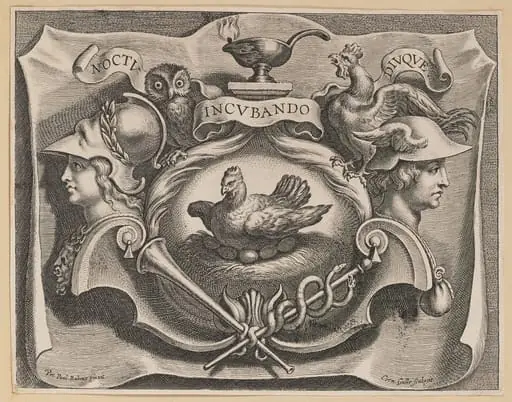 Vignette for the Title Page of Martinus Bonacina, Opera Omnia
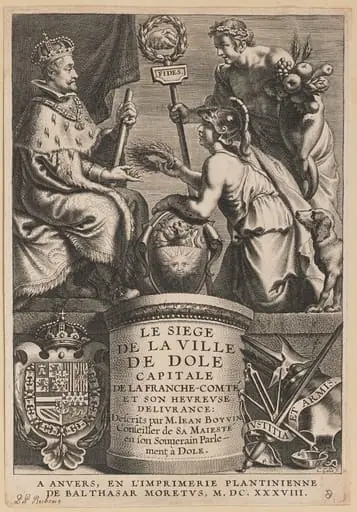 Title Page for Jean Boyvin, Le Siege de la Ville de Dole
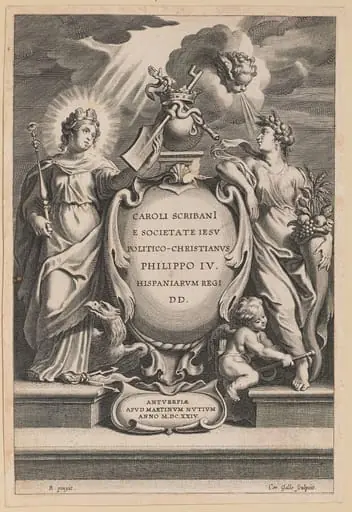 Title Page for Carolus Scribani, Politico-Christianus
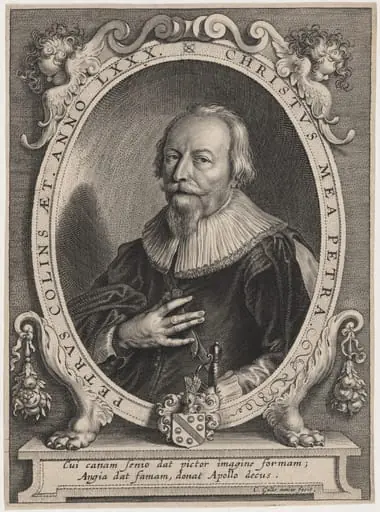 Petrus Collins
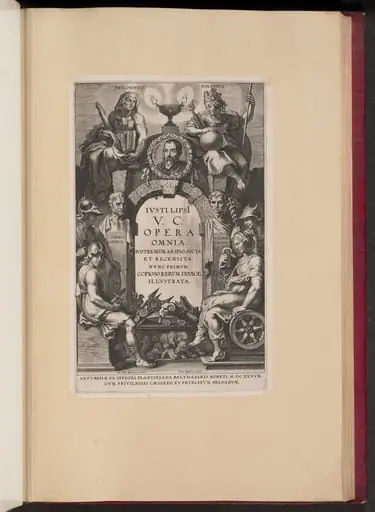 Title Page for Justus Lipsius, Opera Omnia, I
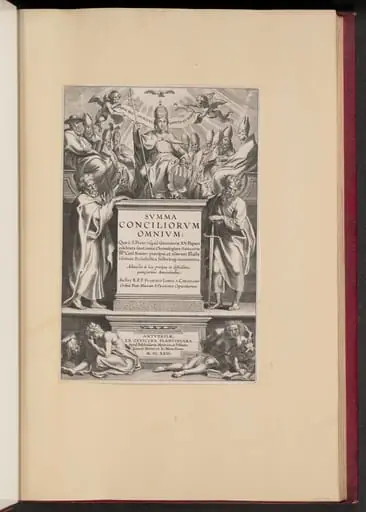 Title Page for F. Longo a Coriolano's "Svmma Conciliorvm Omnivm"
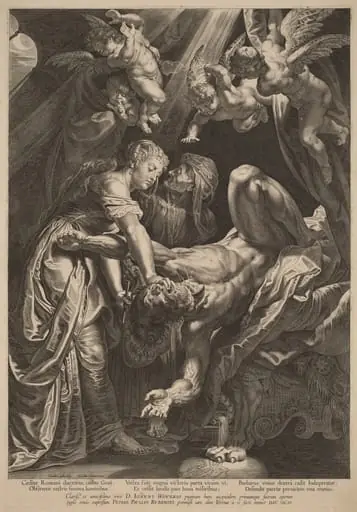 Judith Beheading Holofernes
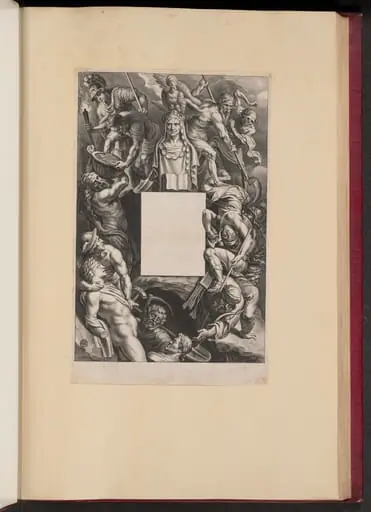 Title Page for Hubert Goltzius, Romanae et Graecae Antiqvitatis Monvmenta (Opera Omnia, I)
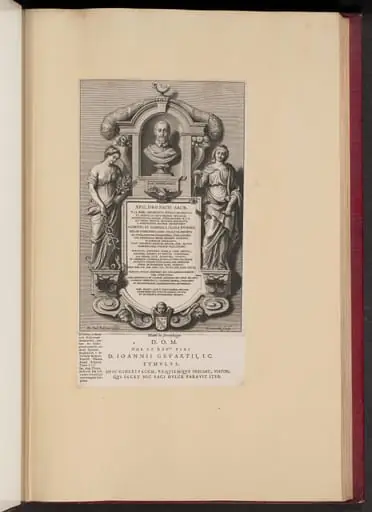 Epitaph of Claude Jean Gevaert
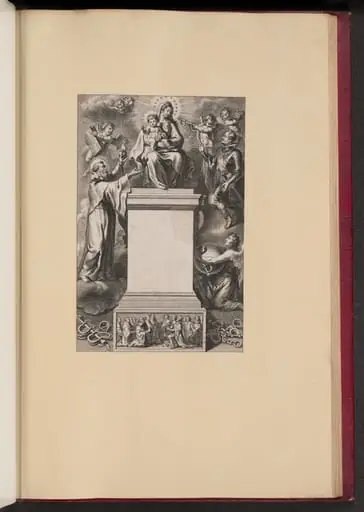 Title Page for B. De Los Rios, De Hierarchia Mariana Libri Sex
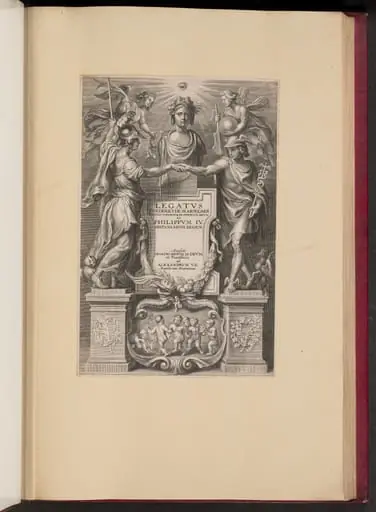 Title Page for Frederik de Marselaer, Legatvs
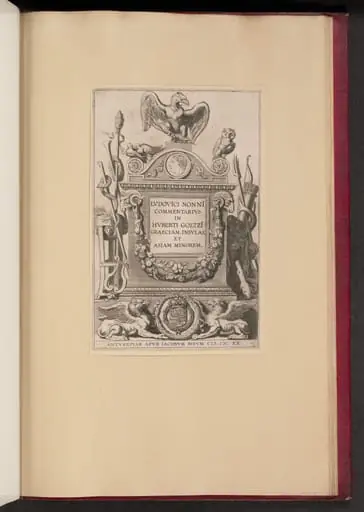 Title Page for Ludovicus Nonnius, Commentarius in Huberti Goltzi Graeciam, Insulas, et Asiam Minorem
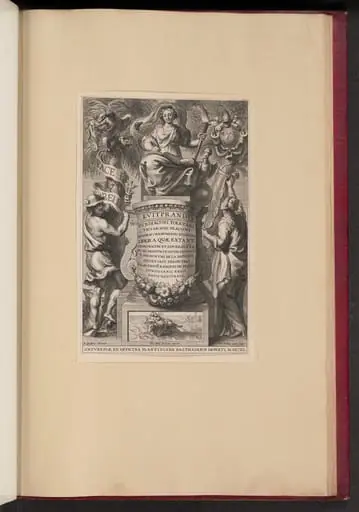 Title Page for Liutprand, Opera
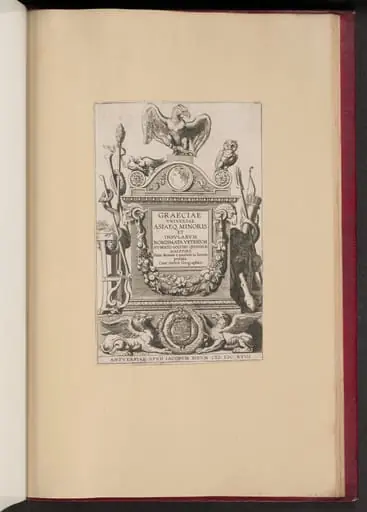 Title Page for Hubert Goltzius, Graeciae Vniversae Asiaeq. Minoris et Insularum Nomismata
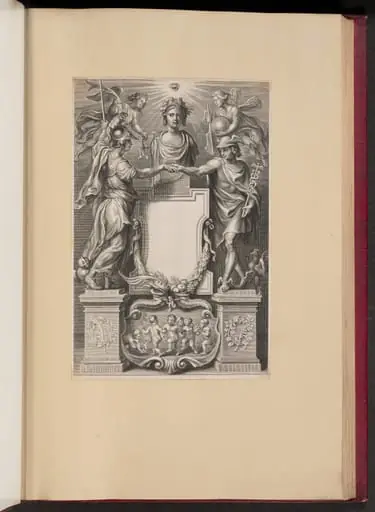 Title Page for Frederik de Marselaer, Legatvs
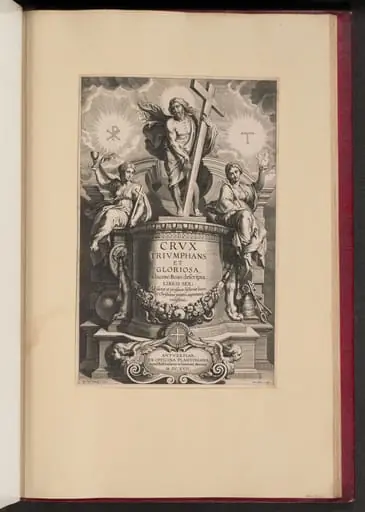 Title Page for Giacomo Bosio, Crux Triumphans et Gloriosa
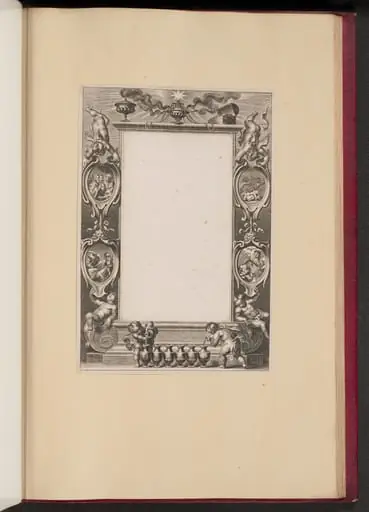 Border Illustration with Scenes from the Life of Christ and Putti Pouring Wine
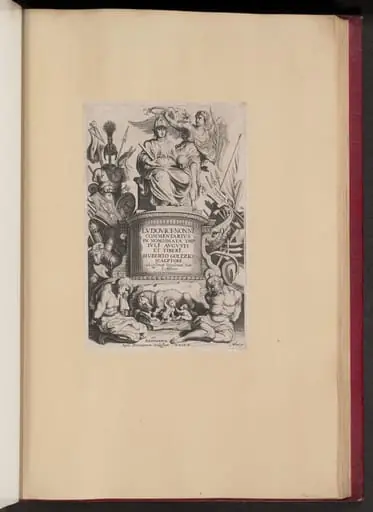 Title Page for Ludovicus Nonnius, Commentarius in Nomismata
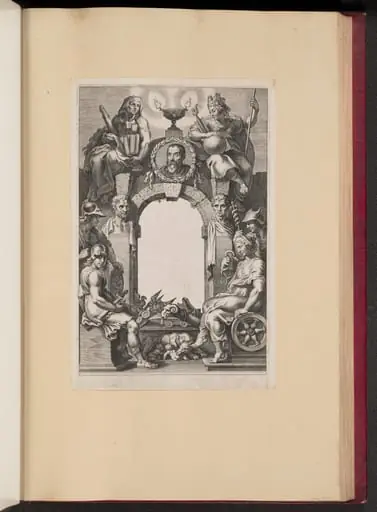 Title Page for Justus Lipsius, Opera Omnia, I
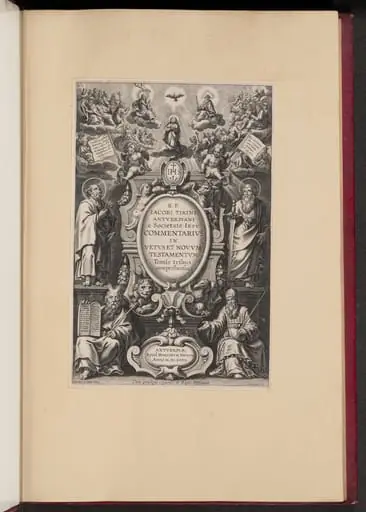 Title Page for R.P. Jacobi Tirini's "Commentarius in Vetvs et Novvm Testamentvm"