Artwork
Abraham Ortelius (Wortels)
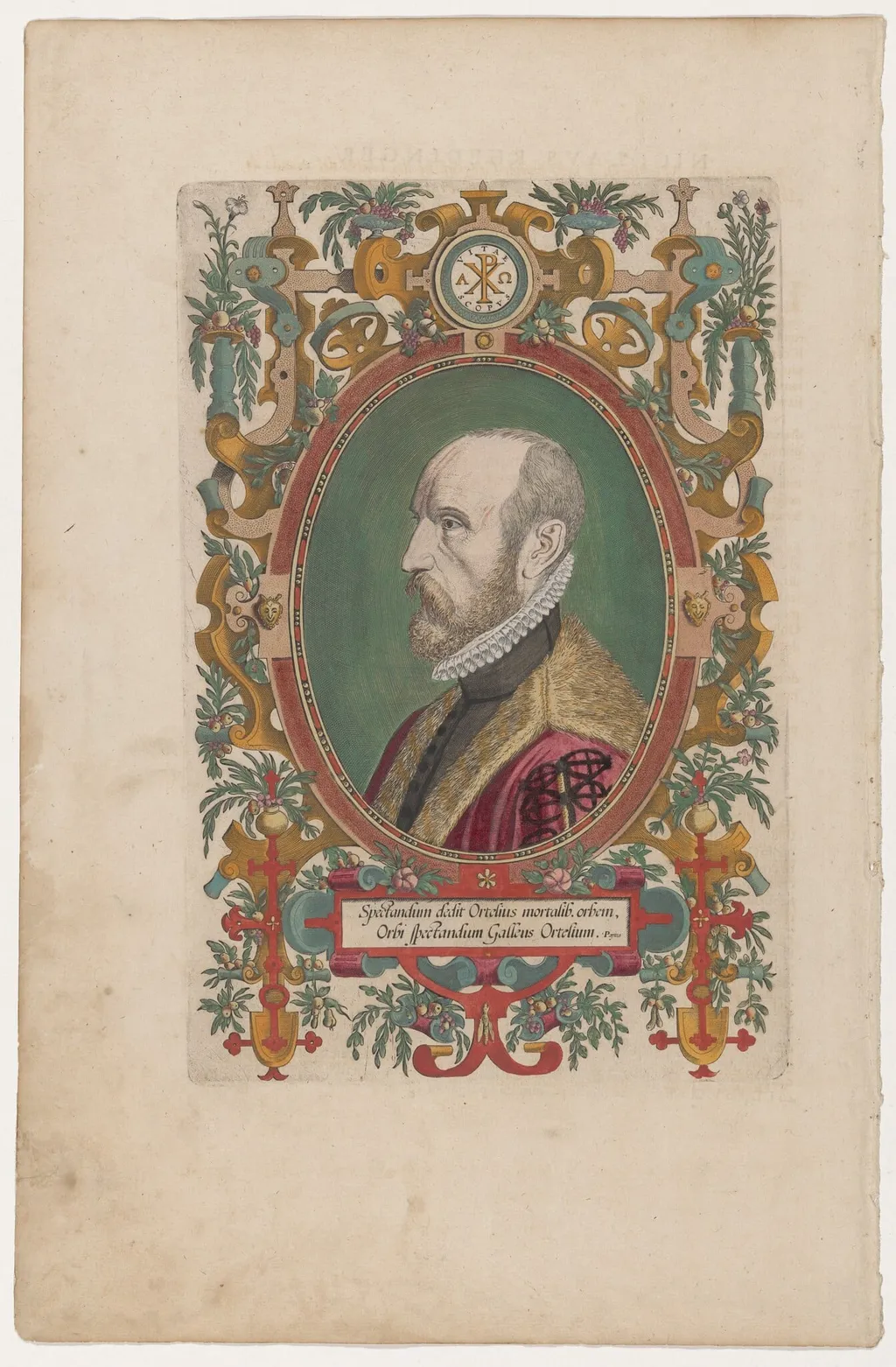
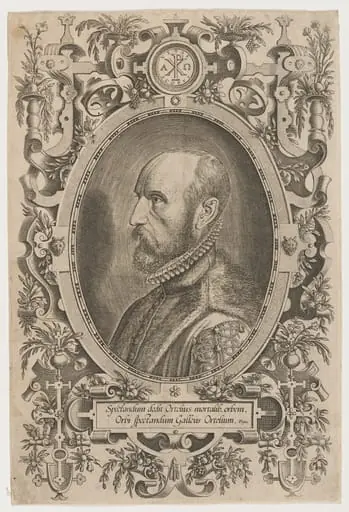
Abraham Ortelius (Wortels) is an ink print by the Renaissance artist Philip Galle. It dates from 1574 and is held in the collection of the National Gallery of Art.
About this work
Overview
This 1574 hand-colored engraving by Philip Galle portrays Abraham Ortelius, a Flemish scholar known for his pioneering work in cartography.
This 1574 hand-colored engraving by Philip Galle portrays Abraham Ortelius, a Flemish scholar known for his pioneering work in cartography. Created in the Netherlands, the print is a reproductive portrait, intended to circulate the likeness of a prominent intellectual. Galle, active as both engraver and publisher, used fine line work and subtle tonal variation to render the subject with precision, typical of Northern Renaissance printmaking traditions.
Subject & Meaning
Abraham Ortelius is depicted with a solemn, introspective gaze, reflecting his reputation as a meticulous scholar and compiler of geographic knowledge. His attire, though not contemporary to 1574, evokes the dignity of learned men of the previous generation, reinforcing his status as a keeper of antiquarian knowledge. The portrait functions less as a personal likeness and more as a symbolic representation of scholarly authority in an age of emerging scientific inquiry.
Technique & Style
Galle employed copperplate engraving, incising fine lines into metal to create detailed tonal gradations. The image was then hand-colored with water-based pigments to enhance texture and realism, particularly in the folds of Ortelius’s clothing and the contours of his face. The technique allowed for multiple impressions, enabling wide dissemination. The style prioritizes clarity and anatomical accuracy over ornamentation, aligning with Northern Renaissance ideals of observation and detail.
History & Provenance
Produced in Antwerp, a center of print publishing, the engraving was part of a broader effort to document and honor contemporary intellectuals. Galle’s workshop specialized in reproductive portraits of scholars and artists, often distributed through his network of booksellers. While the original ownership trail is unclear, such prints were commonly collected by humanists and institutions, ensuring their preservation in private and academic collections across Europe.
Context
In the late 16th century, printed portraits served as tools for intellectual networking and reputation-building. Ortelius’s fame stemmed from his 1570 atlas, the first modern compilation of world maps. Galle’s engraving capitalized on this rising prestige, contributing to the visual culture of the Republic of Letters. The portrait reflects a broader trend: the elevation of cartographers and antiquarians as figures of cultural authority through the medium of print.
Legacy
The engraving remains one of the most recognizable images of Ortelius, frequently reproduced in scholarly texts on the history of cartography. Though not an original likeness, its widespread circulation helped standardize his visual identity. Galle’s technique influenced later portrait engravers, and the work endures as a testament to the role of print in shaping the public image of early modern scholars.
Artist & collection
Artist
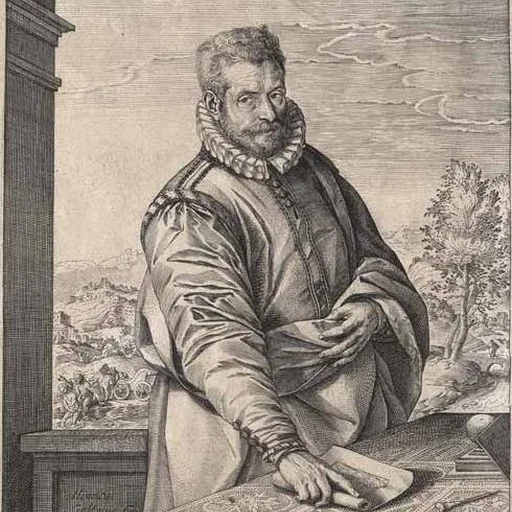
Philip (or Philips) Galle (1537 – March 1612) was a Dutch publisher, best known for publishing old master prints, which he also produced as designer and engraver. He is especially known for his reproductive engravings of paintings.

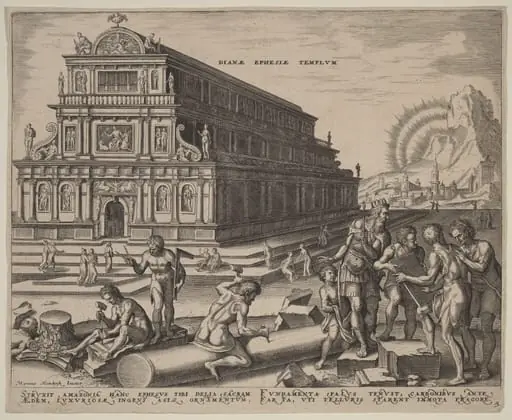 Dianae Ephesiae Templum (The Temple of Diana at Ephesus)
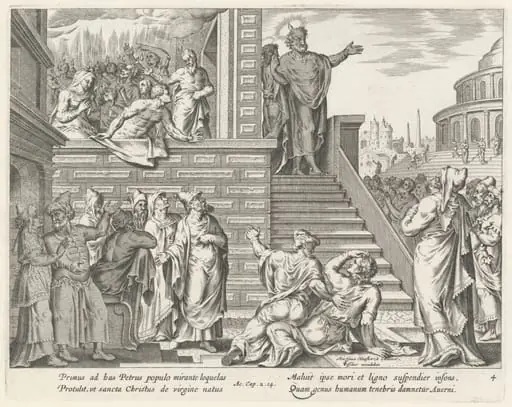 Saint Peter Speaks to the People about Christ
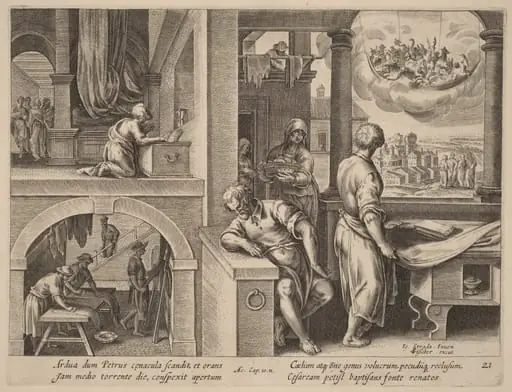 The Vision of Saint Peter
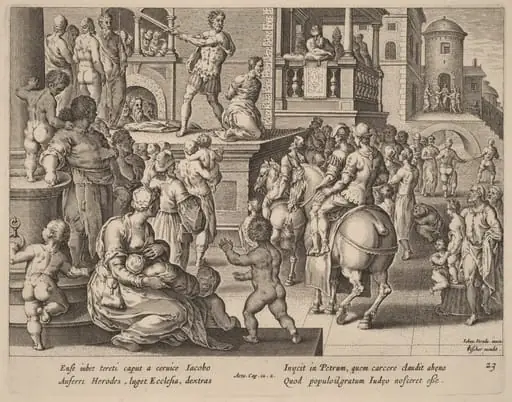 Beheading of Saint James
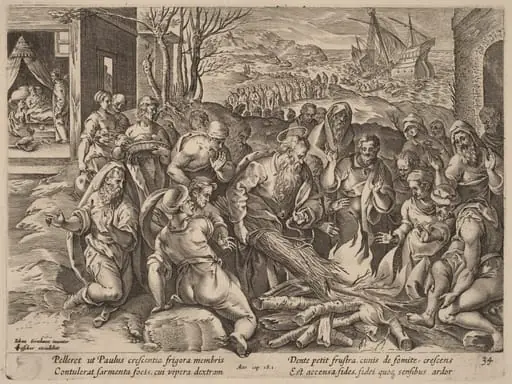 Saint Paul Shipwrecked on the Island of Melita
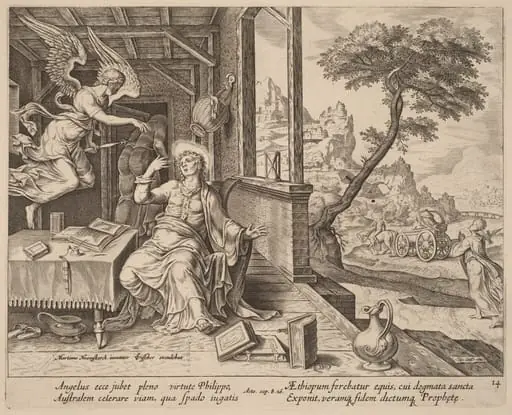 The Angel Orders Saint Philip to Accompany the Ethiopian Eunuch
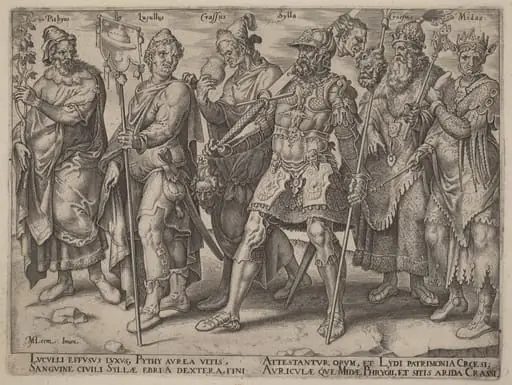 Notorious Examples of Wealth from Antiquity
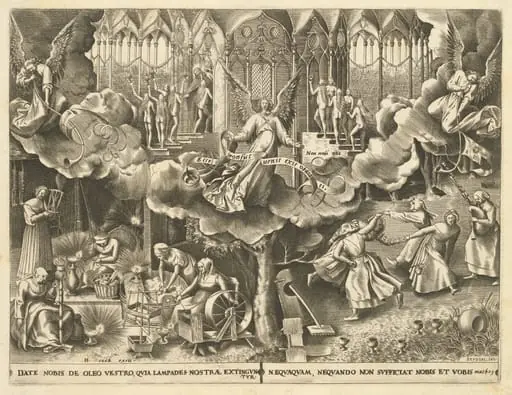 The Parable of the Wise and Foolish Virgins
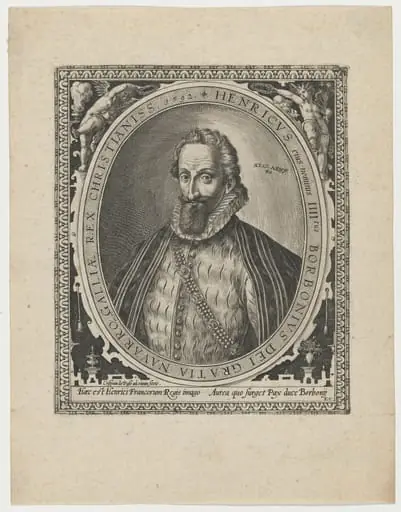 Henry IV, King of France
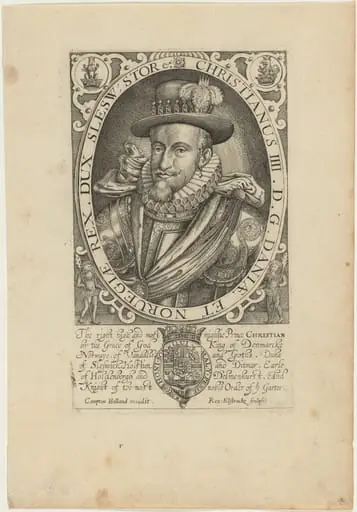 Christian IV of Denmark
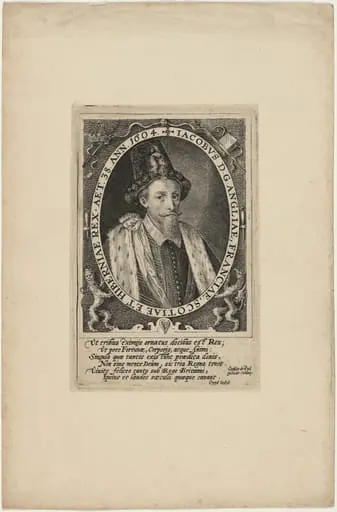 James I, King of England
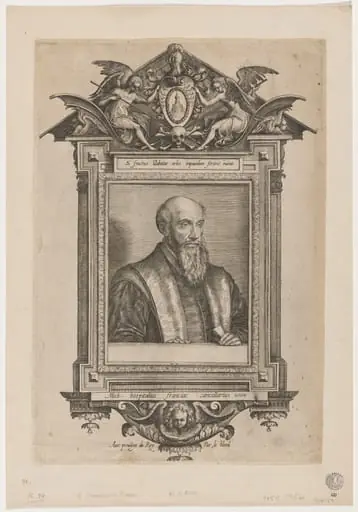 Portrait of a Man with a Long Beard
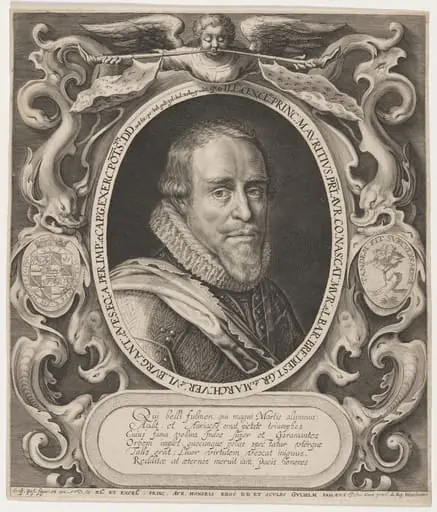 Maurice of Nassau, Prince of Orange
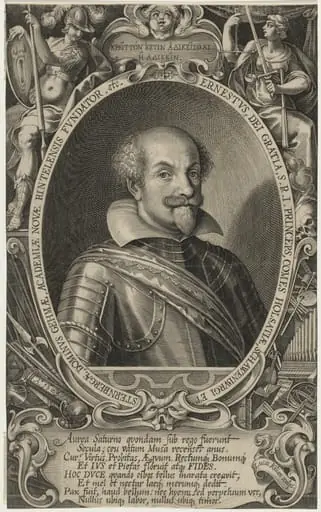 Ernest of Holstein, Schawenburg and Sternberg, Prince of Holy Roman Empire
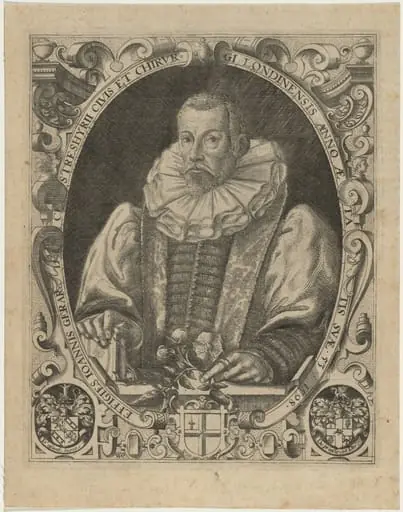 John Gerard, Herbalist
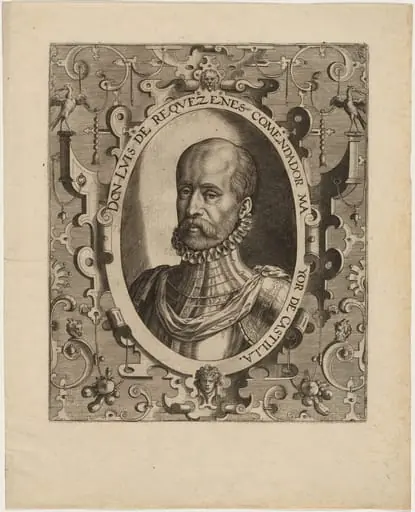 Don Luis de Requesens
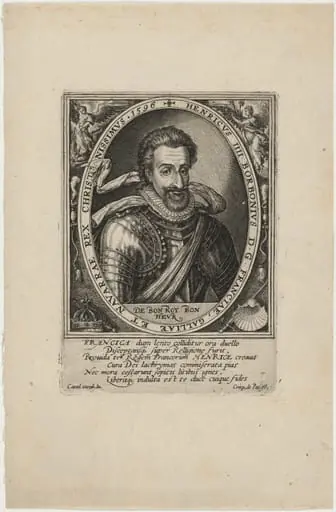 Henry IV, King of France
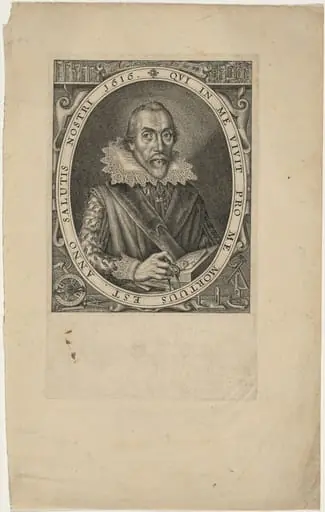 Aaron Rathborne
 Rumoldus Hogerbeets Hornanus
 Abraham Ortelius (Wortels)