Artwork
The Denial of Peter
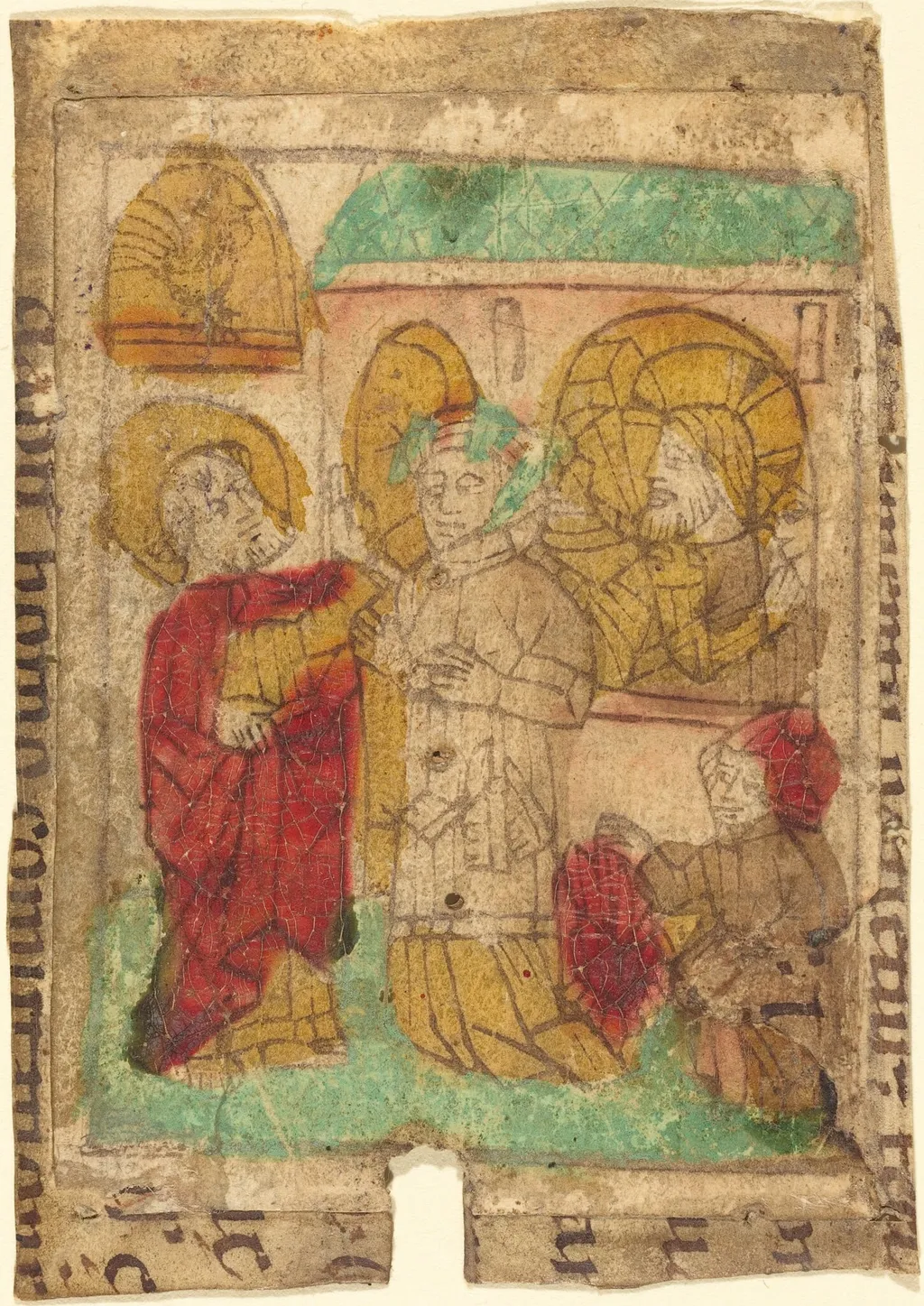
The Denial of Peter is an ink print by the Renaissance artist German 15th Century. It dates from 1460 and is held in the collection of the National Gallery of Art. The work is a woodcut print executed in brown tones and later hand‑colored with red lake, green, brown and ochre pigments.
About this work
Overview
The work is a woodcut print executed in brown tones and later hand‑colored with red lake, green, brown and ochre pigments.
The work is a woodcut print executed in brown tones and later hand‑colored with red lake, green, brown and ochre pigments. The image portrays a dimly lit interior where three figures are arranged: a robed man in red on the left, a bearded, haloed figure addressing a kneeling man identified as Peter. The composition is framed by simple arches and a muted greenish wall, and the overall palette appears faded from age.
Subject & Meaning
The scene illustrates the biblical episode in which Peter denies Christ. The central dialogue occurs between the bearded, haloed figure—representing Jesus—and Peter, who is shown kneeling in a corner, emphasizing his moment of weakness. The red‑clad figure on the left gestures toward the interaction, underscoring the narrative tension of denial and impending remorse.
Technique & Style
The image was produced by carving the design into woodblocks, which provided the linear framework of the composition. After printing the brown base, the artist applied color by hand using red lake and other earth pigments, creating a textured, slightly uneven surface that combines the precision of woodcut with the intimacy of manual coloration.
History & Provenance
The print belongs to the tradition of early modern religious woodcuts, a medium commonly used for devotional images. Its current condition shows wear, with the original pigments dulled by time, indicating that it has been handled or displayed for an extended period, though specific ownership details are not recorded.
Context
Woodcut prints served as accessible visual narratives for a largely illiterate audience, allowing biblical stories to be disseminated beyond the church. The hand‑coloring technique reflects a transitional phase when printers began enhancing monochrome prints to increase visual appeal and didactic clarity.
Artist & collection

Artist
This 15th-century German artist carved vivid religious scenes into metal and wood, then hand-painted them in bright, symbolic colors.

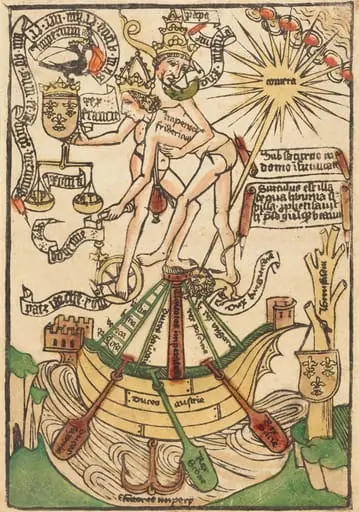 Allegory of the Meeting of Pope Paul II and Emperor Frederick III
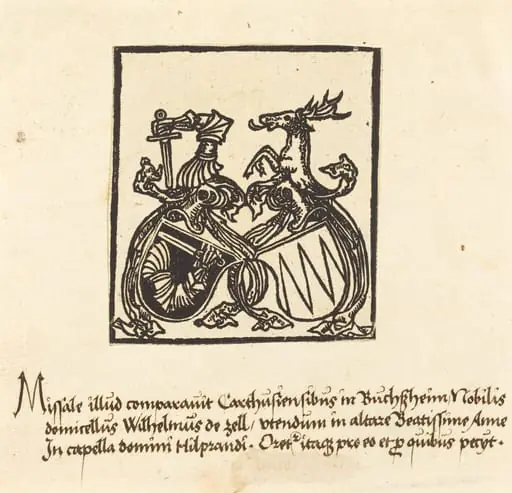 Bookplate of Wilhelm von Zell
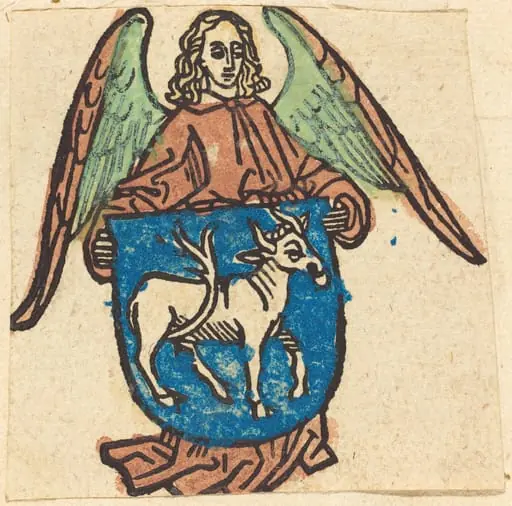 Bookplate of Hilprand Brandenburg of Bibrach
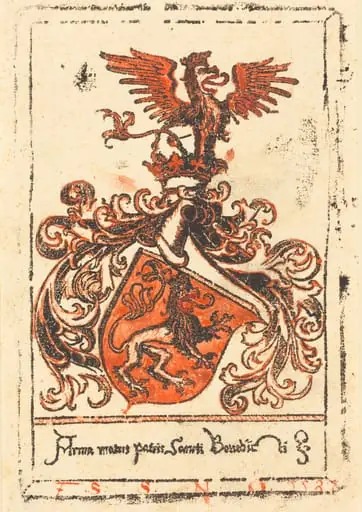 Bookplate of the Abbey of Ottobeuren
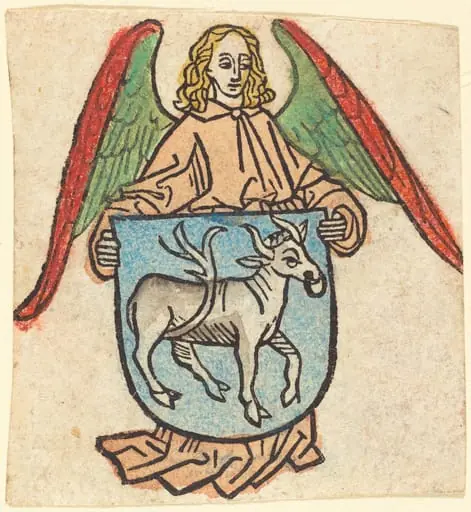 Bookplate of Hilprand Brandenburg of Bibrach
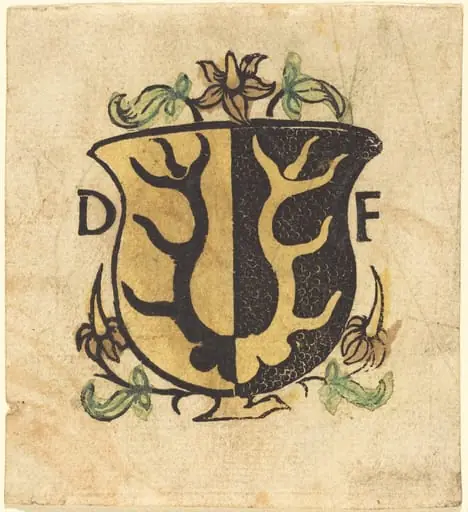 Bookplate of Dominicus Frauenfelder
![Studies for Six Figures (sheet from a model book) [recto], by German 15th Century](https://artifactworldgallery.com/img/german-15th-century--studies-for-six-figures-sheet-from-a-model-book-recto--4837429e0755bc3f-w320.webp) Studies for Six Figures (sheet from a model book) [recto]
Studies for Six Figures (sheet from a model book) [recto]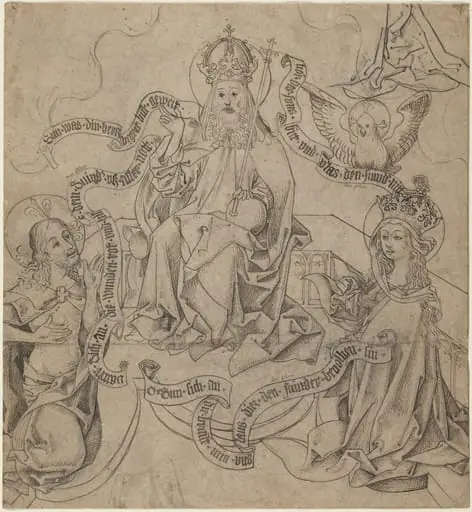 Christ and Mary Interceding with God the Father
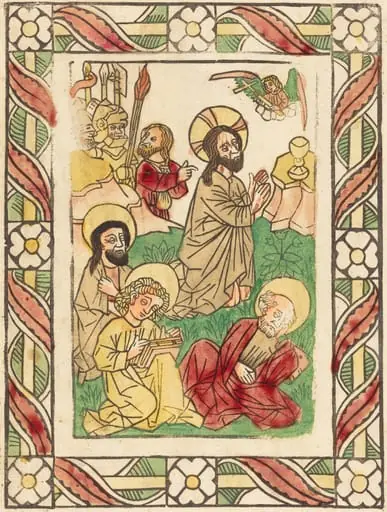 Christ on the Mount of Olives
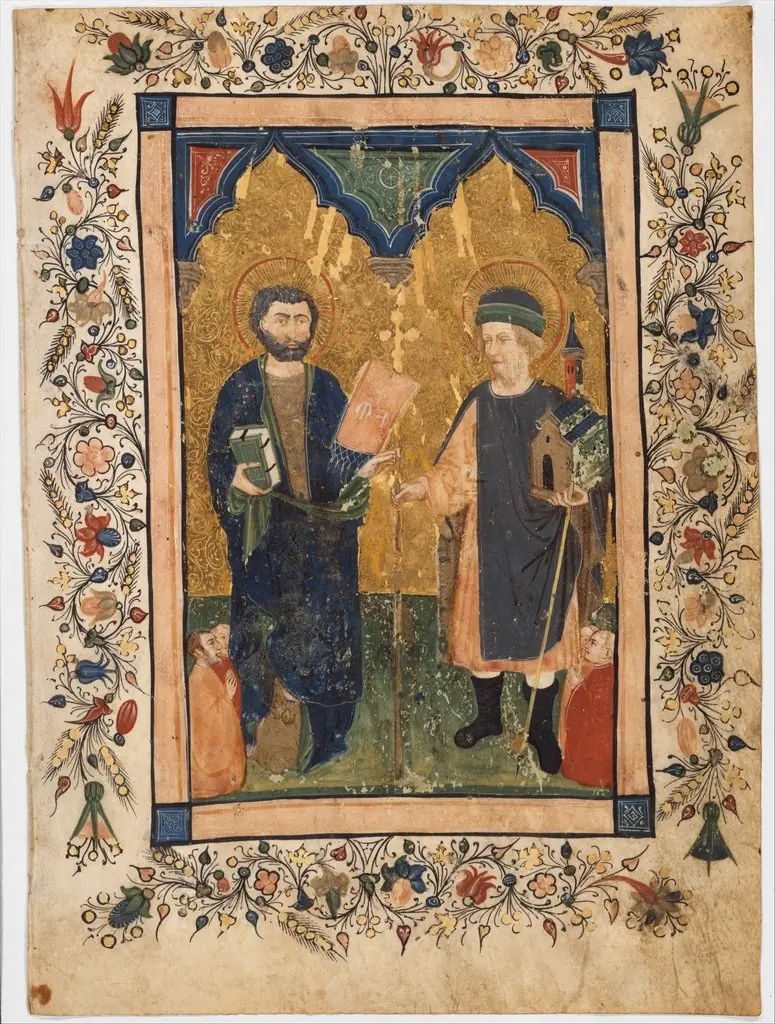 Saint Mark the Evangelist and Saint Sinibaldus Venerated by Members of a Lay Confraternity
![Christ in Majesty [recto], by French 12th Century](https://artifactworldgallery.com/img/french-12th-century--christ-in-majesty-recto--312aa8dd5634bdac-w320.webp) Christ in Majesty [recto]
Christ in Majesty [recto]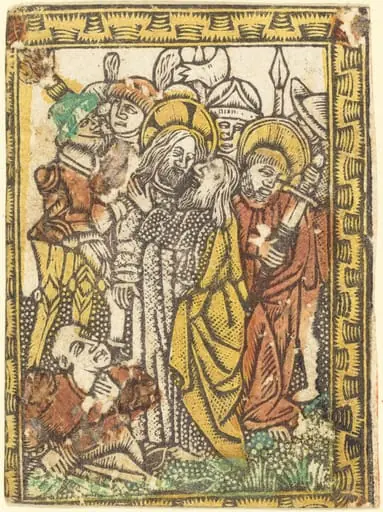 The Betrayal
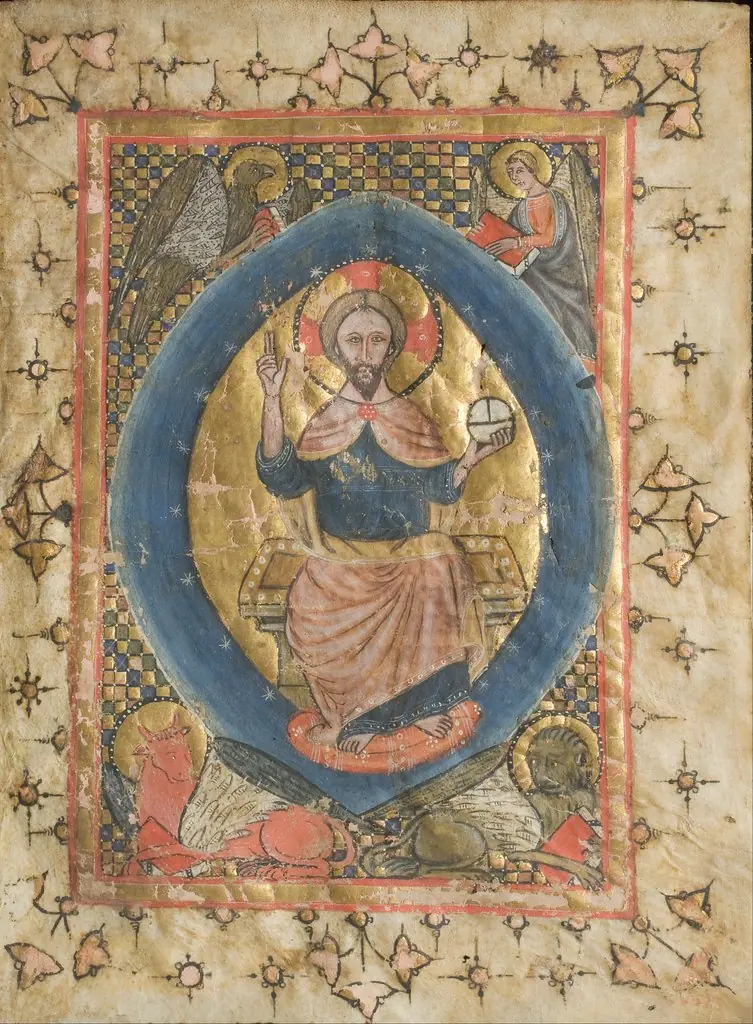 Christ in Majesty with the Symbols of the Evangelists
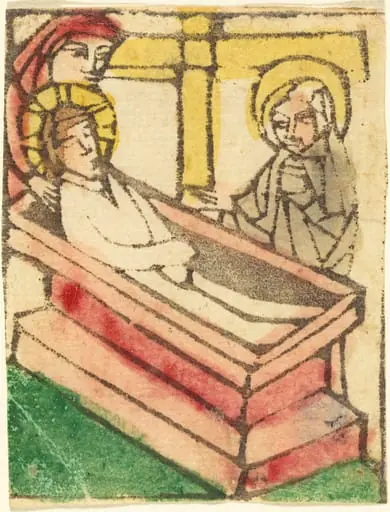 The Entombment
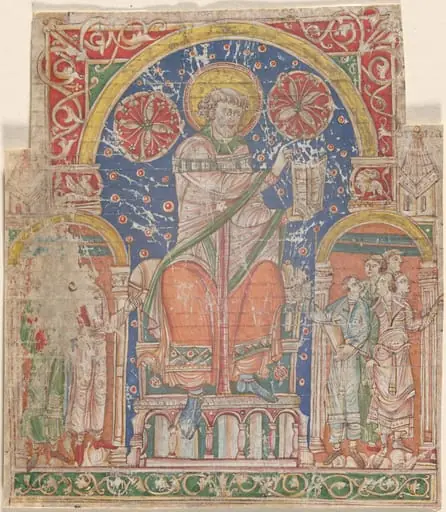 Saint Augustine
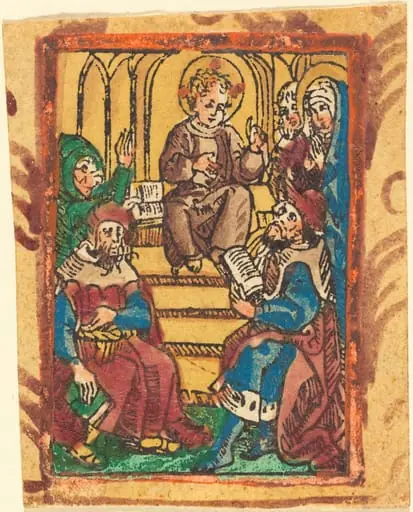 The Twelve Year Old Jesus in the Temple
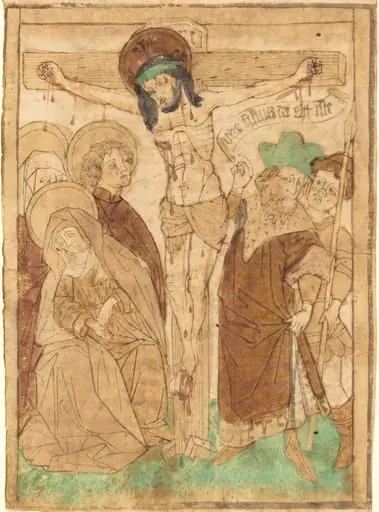 Christ on the Cross
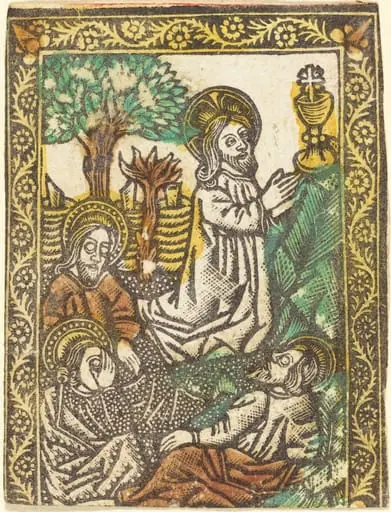 Christ on the Mount of Olives
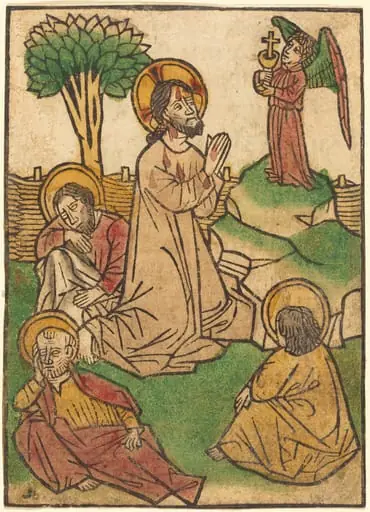 The Agony in the Garden
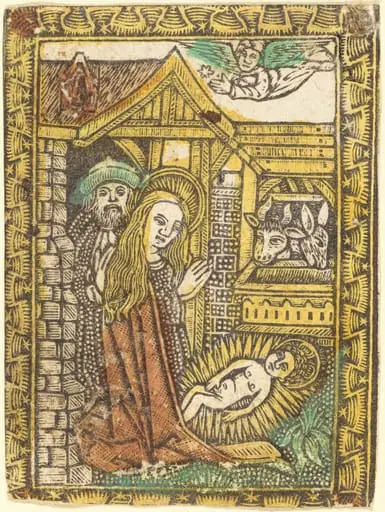 The Nativity