Artwork
American Green-Winged Teal
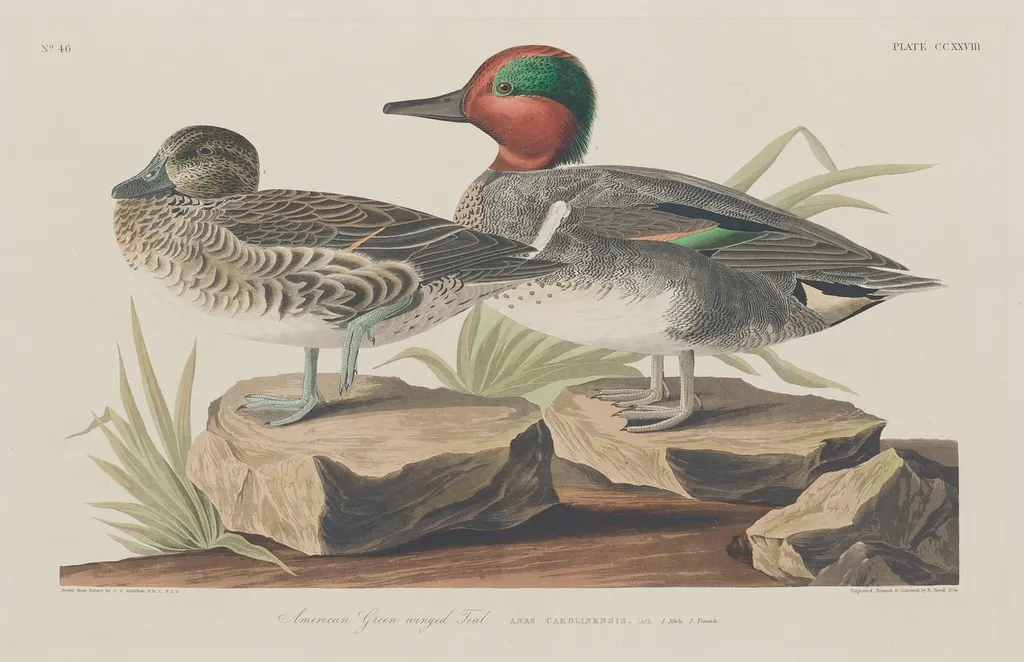
American Green-Winged Teal is an ink print by the Romanticist artist Robert Havell Jr.. It dates from 1834 and is held in the collection of the National Gallery of Art.
About this work
Overview
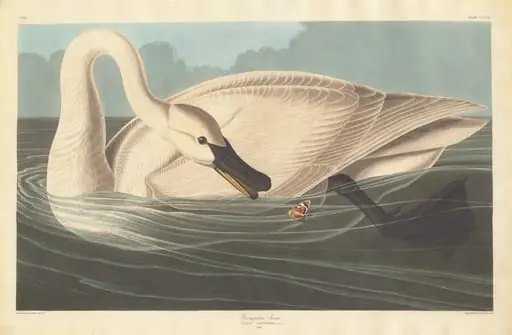
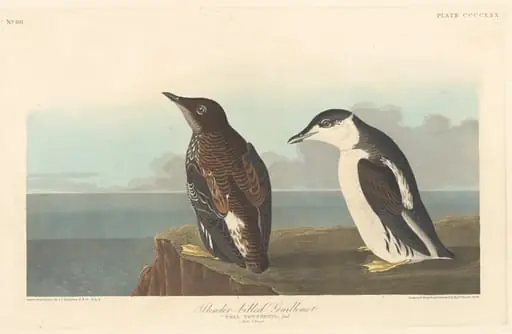
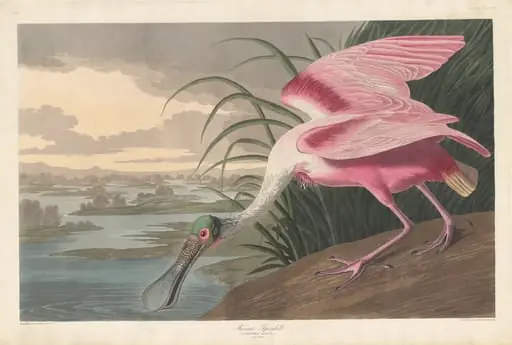
American Green-Winged Teal is a hand‑colored print produced in 1834 by Robert Havell Jr. The work combines engraving with aquatint on a sheet of Whatman wove paper, presenting a naturalistic rendering of a green‑winged teal duck.
Subject & Meaning
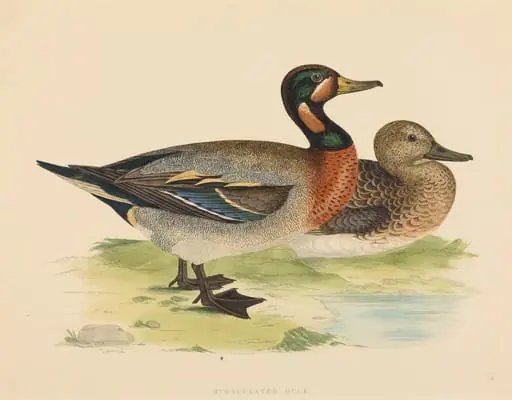
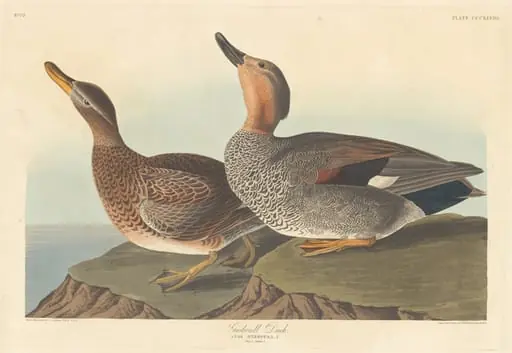
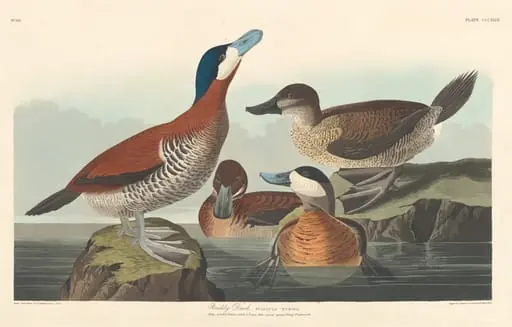
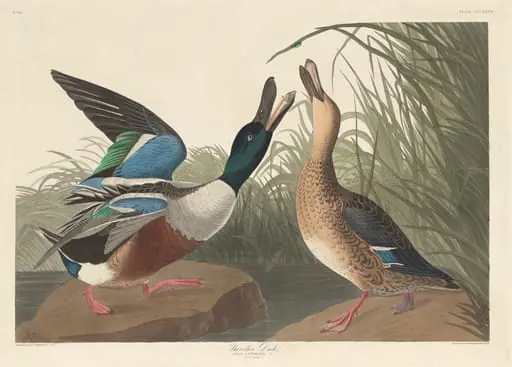
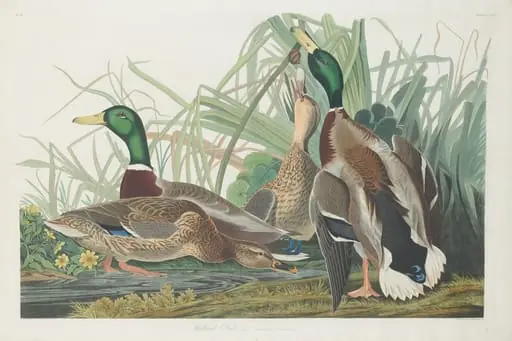
The image shows a male and female green‑winged teal perched on a rocky bank amid aquatic vegetation. The male is distinguished by a vivid green head, red eyes and a pattern of brown, white and black plumage, while the female displays muted brown tones with speckled markings, emphasizing sexual dimorphism in the species.
Technique & Style
Havell employed fine line engraving to delineate feather texture and scale detail, while aquatint provided subtle tonal washes that model the water, rocks and plant life. The hand‑coloring adds realistic hues, a method typical of early‑19th‑century scientific illustration.
History & Provenance
Robert Havell Jr. belonged to the Havell family of engravers based in Reading, Berkshire. The family were noted practitioners of aquatint and had long been involved in publishing works on Indian art and natural history, situating this print within their broader commercial output.
Context
Produced during a period when accurate visual documentation of wildlife was essential for naturalists, the print reflects the era’s emphasis on precision and educational value in printed media, aligning with contemporary ornithological studies and field guides.
Artist & collection

Artist
The Havell family of Reading, Berkshire, England, included a number of notable engravers, etchers and painters, as well as writers, publishers, educators, and musicians.