Artwork
Worm-eating Warbler
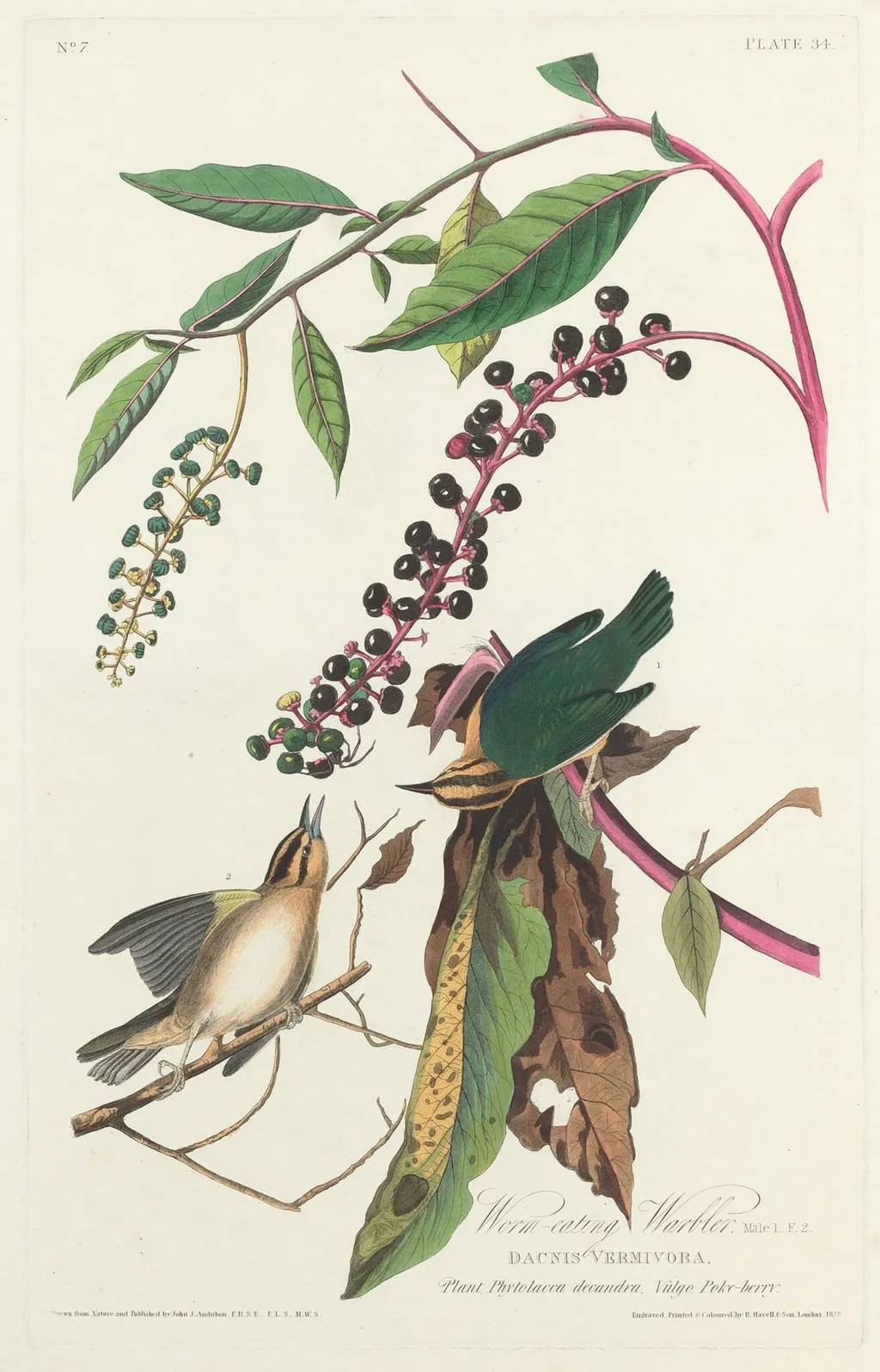
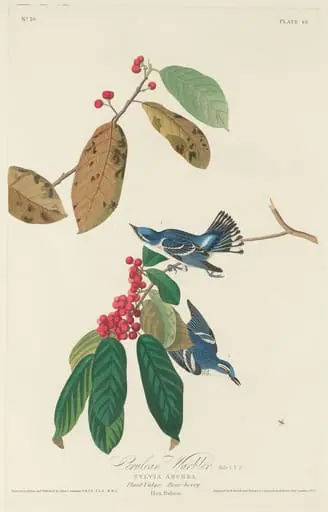
Worm-eating Warbler is an ink print by the Romanticist artist Robert Havell Jr.. It dates from 1828 and is held in the collection of the National Gallery of Art.
About this work
Overview
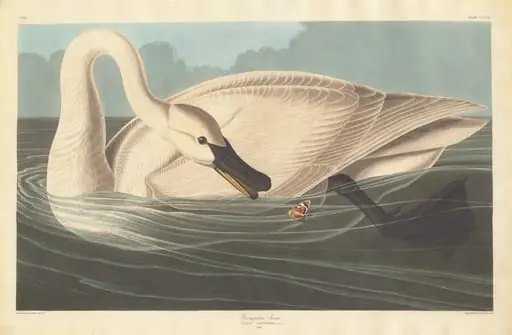
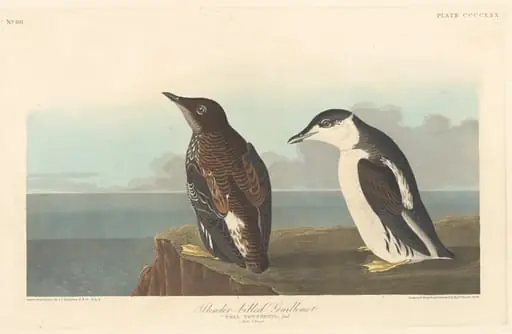
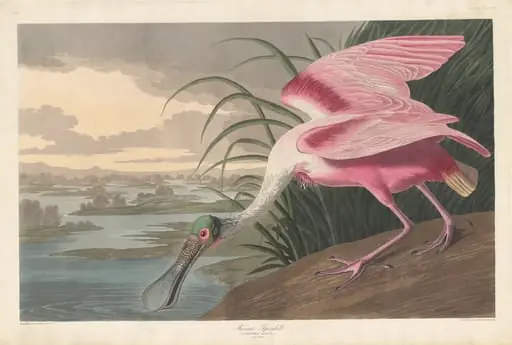
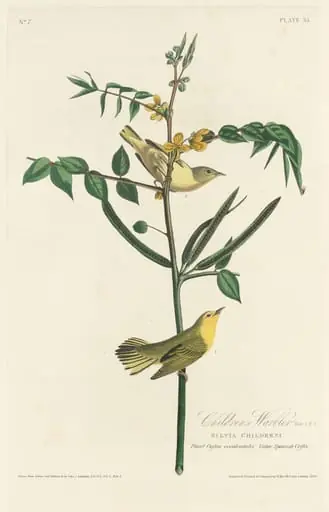
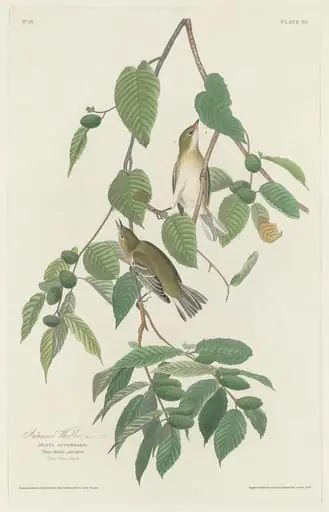
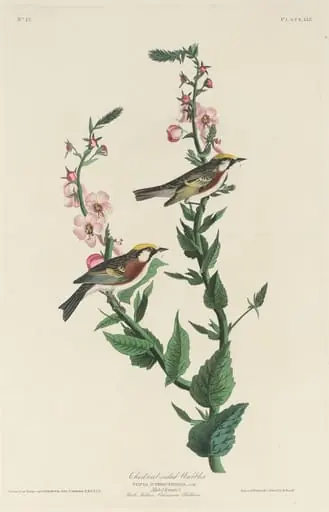
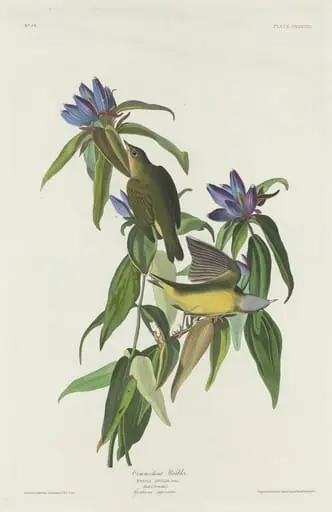
Worm-eating Warbler is a hand-colored engraving and aquatint print on Whatman wove paper, created by Robert Havell Jr. in 1828. It is a detailed representation of the bird species, characteristic of the natural history illustration style prevalent during that era.
Subject & Meaning
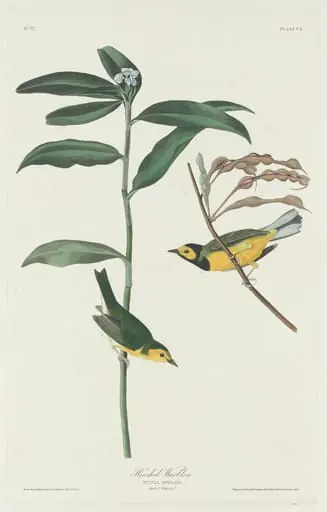
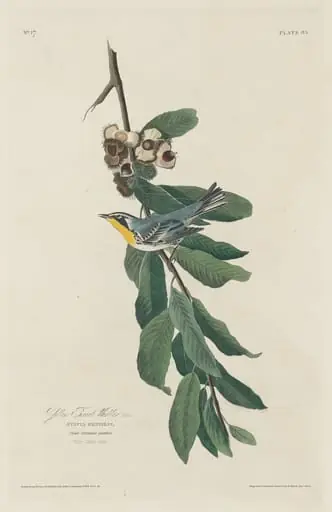
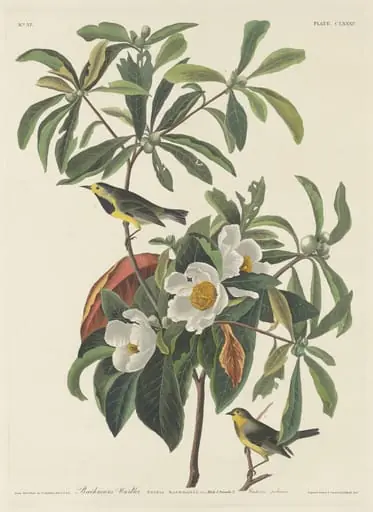
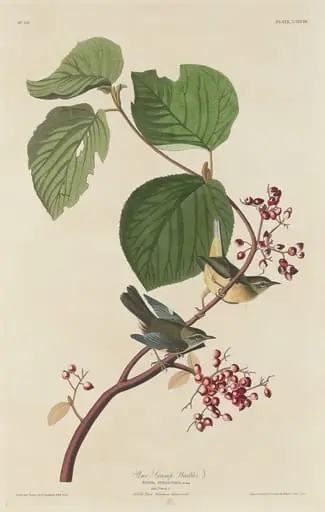
The print depicts a Worm-eating Warbler in a natural setting, perched on a branch amidst green leaves, berries, and delicate flowers. The focus is on accurate, scientific representation rather than artistic interpretation.
Technique & Style
Havell employed hand-colored engraving and aquatint techniques, highlighting his adherence to the traditional methods of his family, known for their work in aquatint. The style is marked by meticulous attention to detail, particularly in the bird's plumage and surrounding foliage.
History & Provenance
Created in 1828 by Robert Havell Jr., a member of a renowned family of engravers and artists from Reading, Berkshire, with noted connections to Indian art and culture. Specific provenance details are not provided.
Context
This work reflects the early 19th-century emphasis on scientific accuracy in natural history illustrations, where precision in depicting species was paramount. The use of aquatint, a technique well-suited for capturing subtle tonal variations, was characteristic of the period's illustrative practices.
Legacy
While specific legacy details of *Worm-eating Warbler* are not provided, it contributes to the broader legacy of meticulous natural history illustrations of its time, influencing subsequent scientific and artistic depictions of wildlife.
Artist & collection

Artist
The Havell family of Reading, Berkshire, England, included a number of notable engravers, etchers and painters, as well as writers, publishers, educators, and musicians.