Artwork
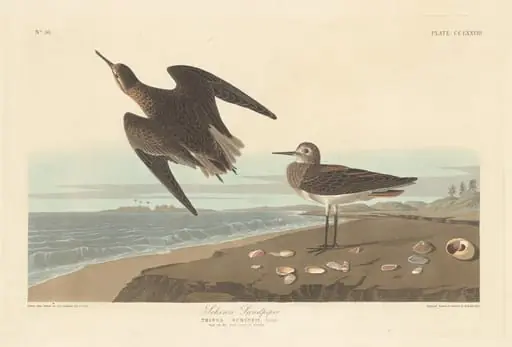
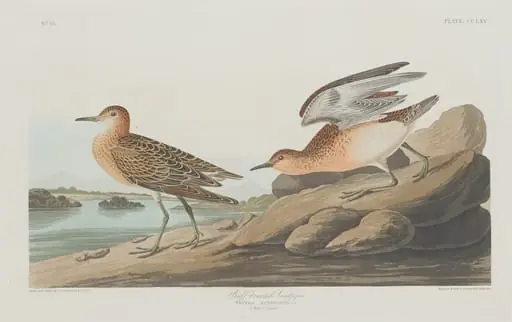
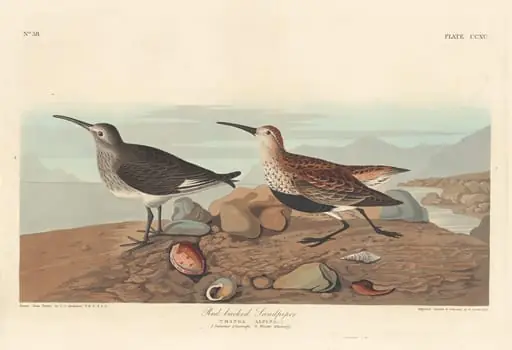
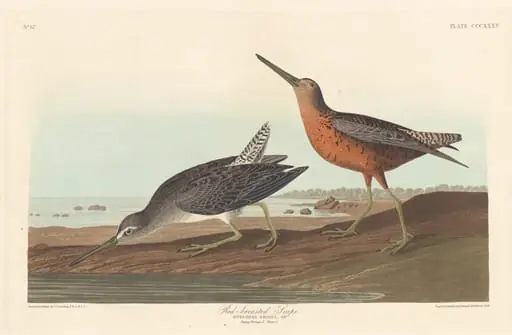
Red-breasted Sandpiper
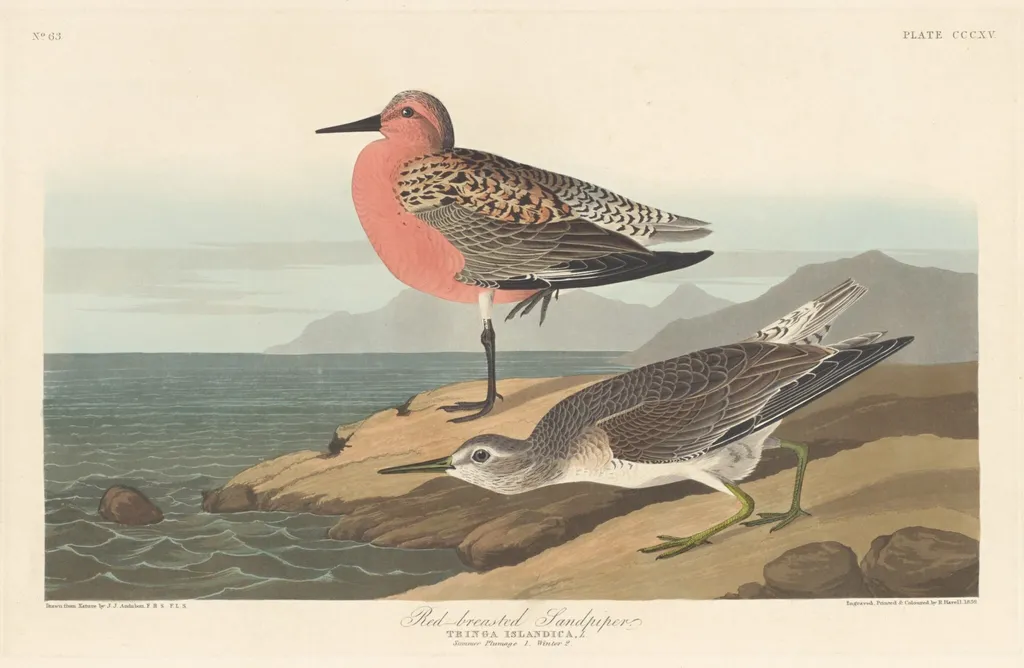
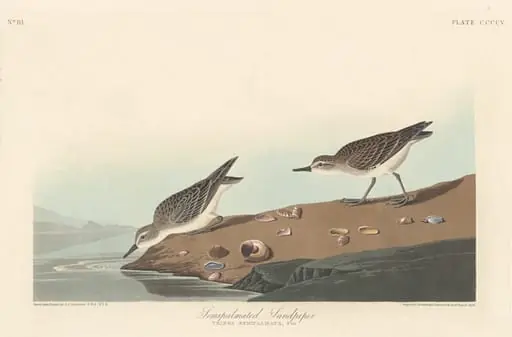
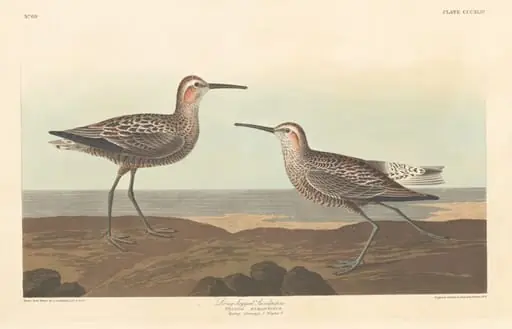
Red-breasted Sandpiper is an ink print by the Romanticist artist Robert Havell Jr.. It dates from 1836 and is held in the collection of the National Gallery of Art.
About this work
Overview
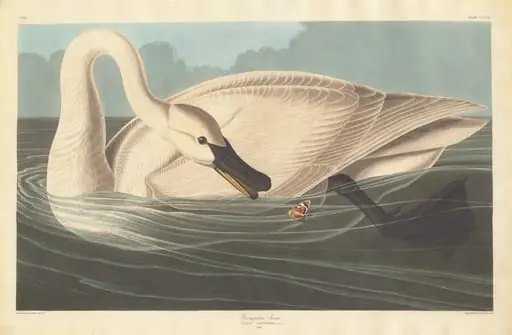
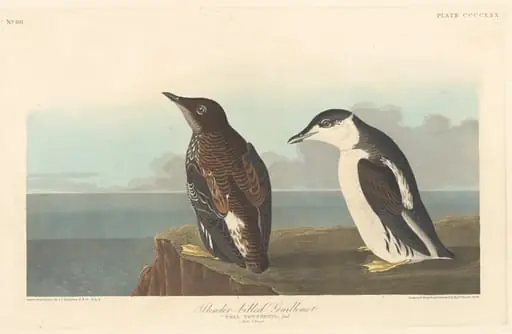
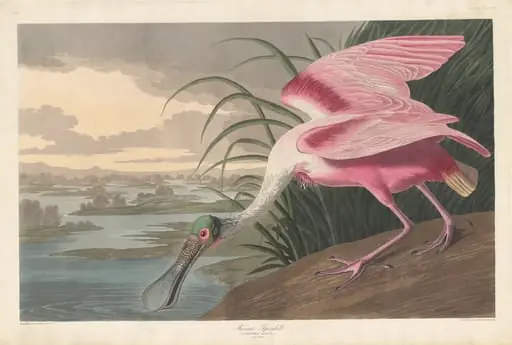
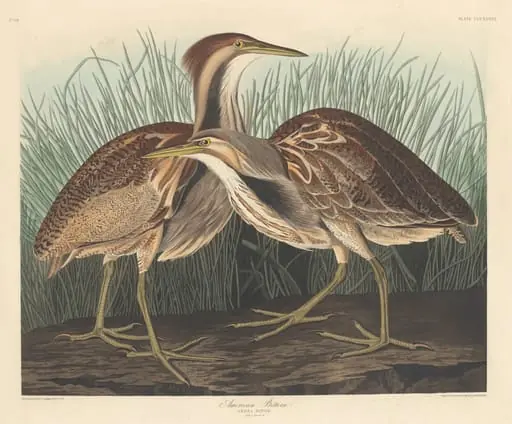
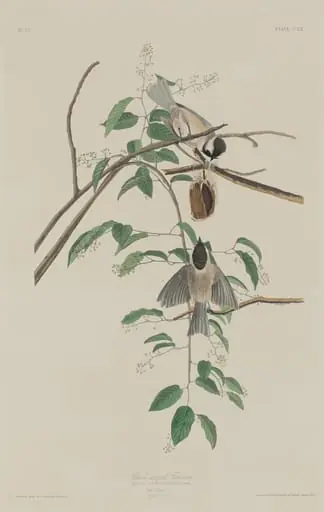
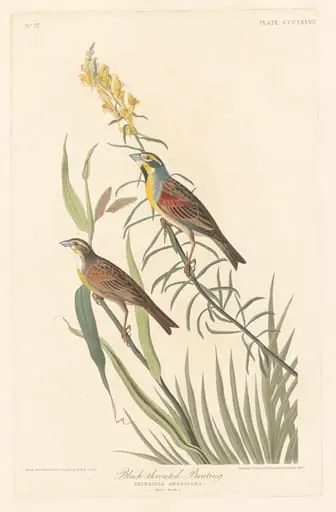
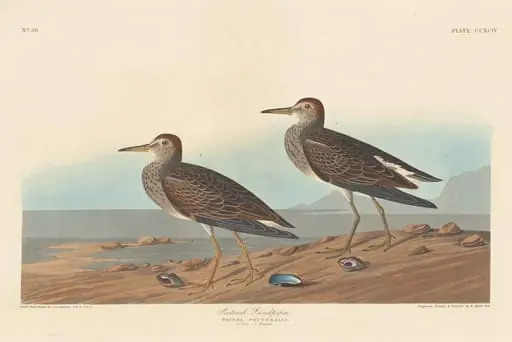
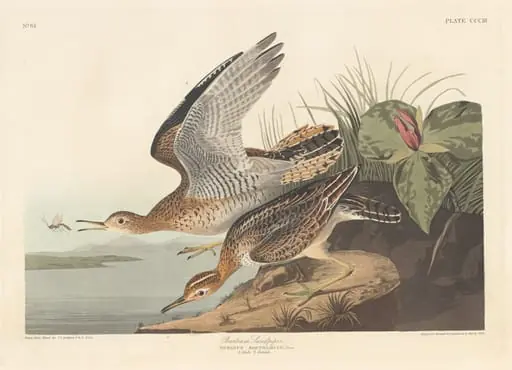
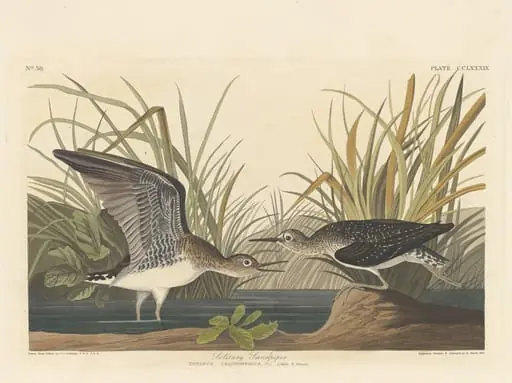
Created in 1836 by Robert Havell Jr., this hand-colored engraving and aquatint depicts a Red-breasted Sandpiper on Whatman wove paper. Part of a broader tradition of ornithological illustration, the work exemplifies the Havell family’s technical mastery in printmaking, particularly their skill in combining precise line work with delicate, manual color application to achieve lifelike detail.
Subject & Meaning
The bird is rendered in isolation against a neutral background, emphasizing its form and plumage without narrative distraction. This compositional choice reflects the scientific intent of the era: to document species accurately for study and identification. The focus on a single, unposed subject underscores the artist’s commitment to observational fidelity over artistic embellishment.
Technique & Style
The result is a harmonious blend of technical precision and naturalistic color, characteristic of high-quality 19th-century natural history prints.
Havell employed engraving for fine linear definition and aquatint to achieve subtle tonal gradations in the bird’s feathers. Each element was then hand-colored with water-based pigments, requiring meticulous control to preserve detail while layering hues. The result is a harmonious blend of technical precision and naturalistic color, characteristic of high-quality 19th-century natural history prints.
History & Provenance
Robert Havell Jr. belonged to a family of engravers with longstanding ties to British and Indian artistic circles. His work on ornithological publications, including those linked to John James Audubon, positioned him at the center of transatlantic naturalist illustration. This print likely originated from a larger series intended for scholarly or affluent private collections.
Context
In the 1830s, detailed bird illustrations were in demand among naturalists, collectors, and institutions seeking visual records of newly classified species. The absence of landscape detail in this print aligns with contemporary scientific priorities, where clarity and anatomical accuracy outweighed aesthetic embellishment, distinguishing such works from decorative art.
Legacy
Havell’s prints contributed to the standardization of ornithological imagery in print. His technique influenced subsequent generations of natural history illustrators, particularly in the use of aquatint for texture and the integration of hand-coloring as a means of enhancing scientific value. These works remain referenced in studies of 19th-century biological documentation.
Artist & collection

Artist
The Havell family of Reading, Berkshire, England, included a number of notable engravers, etchers and painters, as well as writers, publishers, educators, and musicians.