Artwork
Smew or White Nun
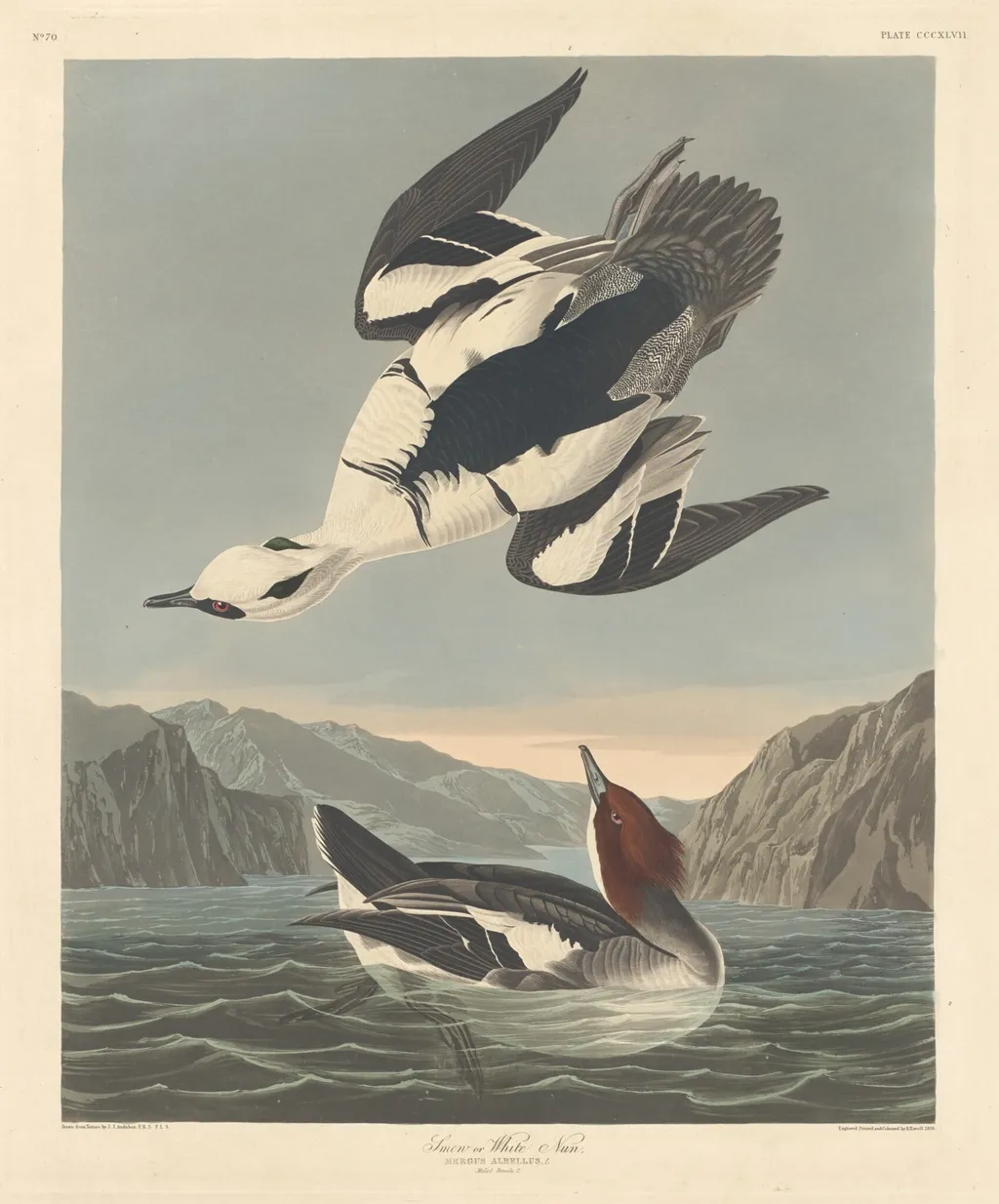
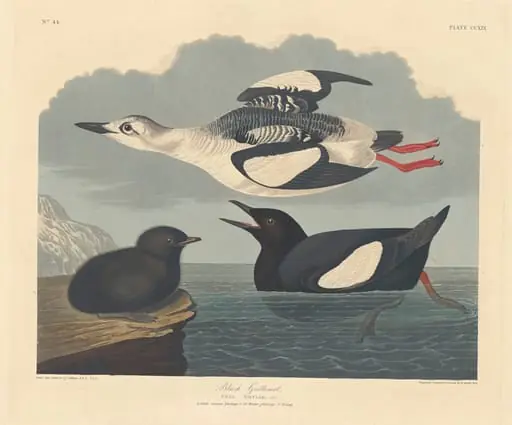
Smew or White Nun is an ink print by the Romanticist artist Robert Havell Jr.. It dates from 1836 and is held in the collection of the National Gallery of Art.
About this work
Overview
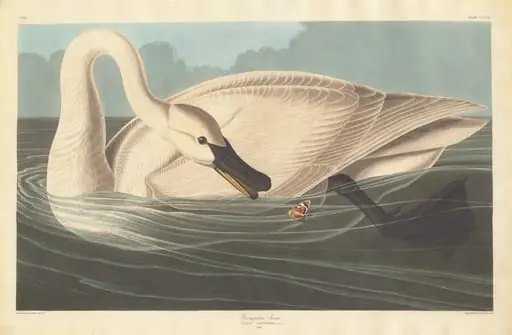
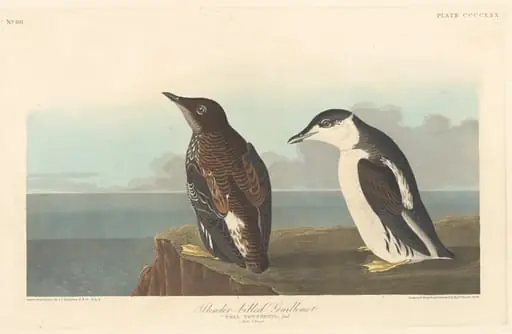
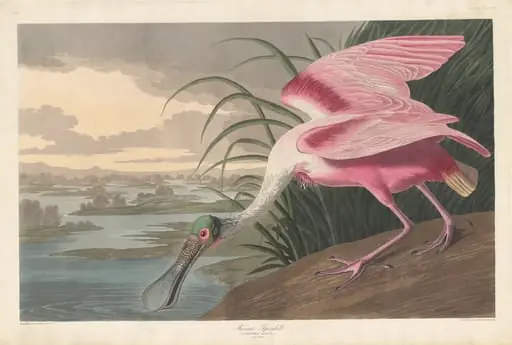
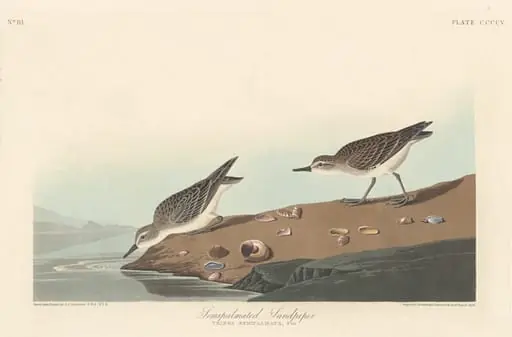
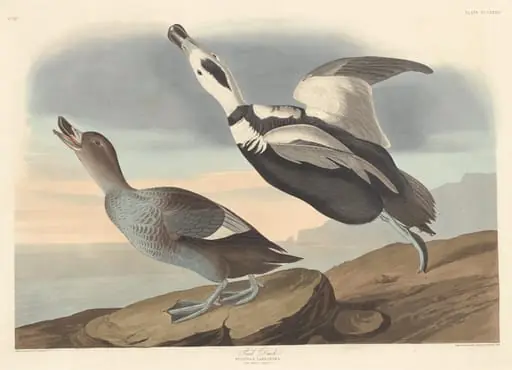
Created in 1836, *Smew or White Nun* is a hand‑colored engraving combined with aquatint, printed on fine Whatman wove paper. The image presents a small diving duck, known as a smew, in flight above a rocky shore, with a second bird gliding on the water below. The work exemplifies the detailed natural‑history prints popular in the early nineteenth century.
Subject & Meaning
The print focuses on the smew, a modest waterfowl sometimes called a white nun because of its pale plumage. By portraying the bird in both aerial and aquatic settings, the image highlights the species’ dual habitat and its graceful movement, reflecting contemporary interest in documenting wildlife with scientific accuracy.
Technique & Style
Havell employed a combination of line engraving for precise feather detail and aquatint to render tonal washes that suggest water and sky. Hand‑coloring adds subtle hues to the bird’s plumage and the surrounding landscape, a method typical of natural‑history illustrations of the period.
History & Provenance
The print was produced by Robert Havell Jr., a member of the Havell family of engravers based in Reading, Berkshire. The Havells were noted for their expertise in aquatint and for publishing works that engaged with Indian art and natural history, situating this piece within a broader family oeuvre.
Context
During the 1830s, British interest in ornithology and exotic fauna grew alongside expanding scientific societies. Prints like Havell’s served both as educational tools and as decorative objects for collectors, bridging art and emerging scientific documentation.
Artist & collection

Artist
The Havell family of Reading, Berkshire, England, included a number of notable engravers, etchers and painters, as well as writers, publishers, educators, and musicians.