Artwork
Yellow Shank
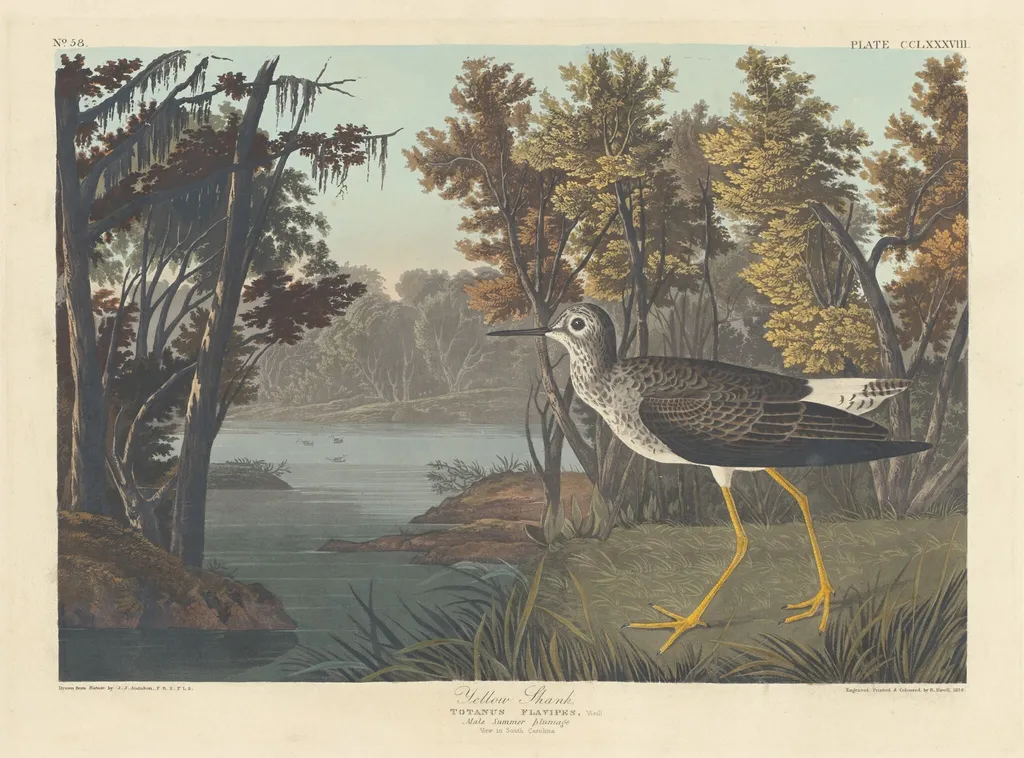
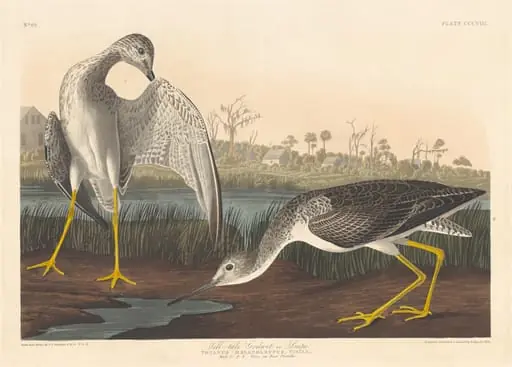
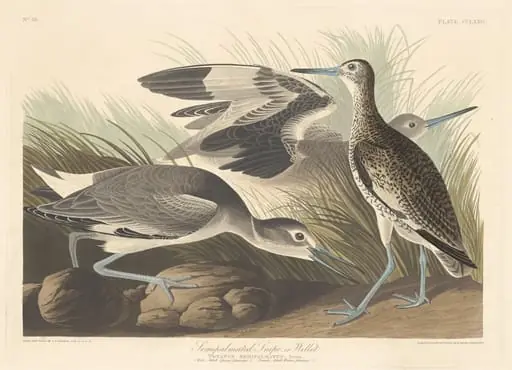
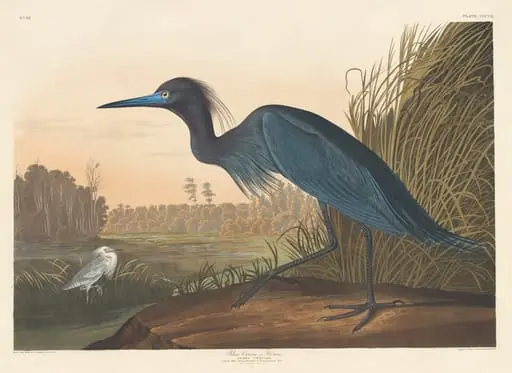
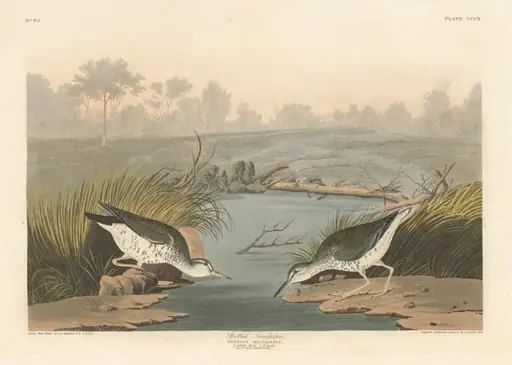
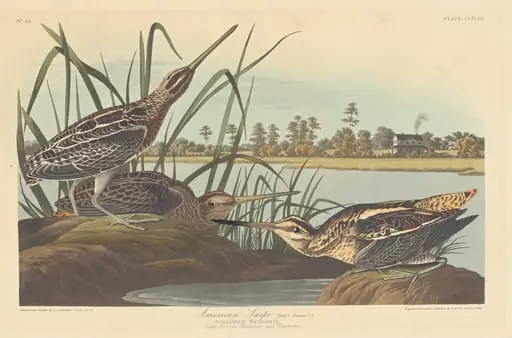
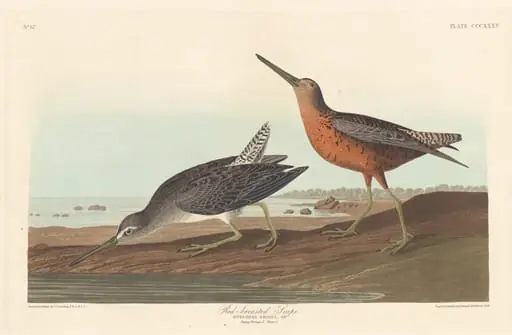
Yellow Shank is an ink print by the Romanticist artist Robert Havell Jr.. It dates from 1836 and is held in the collection of the National Gallery of Art.
About this work
Its yellow legs and beak stand out against a brown background.
This is a precise yellow shank bird perched on a branch. Its yellow legs and beak stand out against a brown background. The feathers are detailed in soft browns and whites.
Robert Havell Jr. made this in 1836. He colored it by hand after an engraving. Aquatint gives the print a watery texture, like ink spreading.
See how he used cross-hatching? Fine lines create shadows and depth in the bird's wings. Look up Havell, Jr., Robert to find more of his work.
Overview
Yellow Shank, executed in 1836 by Robert Havell Jr., is a hand‑coloured engraving combined with aquatint on a sheet of Whatman wove paper. The print presents a small bird with vivid yellow legs and beak, perched against a muted brown backdrop, its plumage rendered in delicate shades of brown and white.
Subject & Meaning
The image depicts a yellow‑shank, a waterbird known for its bright yellow limbs. By isolating the creature on a simple branch, the work emphasizes the bird’s anatomical features and natural posture, inviting close observation of its form and coloration without narrative distraction.
Technique & Style
Havell employed a traditional engraving to outline the figure, then applied aquatint to achieve tonal washes that suggest the fluid spread of ink. After printing, the image was finished by hand‑applying watercolor, accentuating the yellow of the legs and beak. Fine cross‑hatching supplies subtle shadows, especially on the wings, creating a sense of depth.
History & Provenance
Robert Havell Jr. belonged to a prominent family of British engravers and publishers; his father, Robert Havell the Elder, and uncle, Luke Havell, were noted for their work in the same media. The Havell workshop was renowned for its expertise in aquatint and for producing images that reflected contemporary interest in Indian natural history, a context in which this bird study was likely circulated.
Artist & collection

Artist
The Havell family of Reading, Berkshire, England, included a number of notable engravers, etchers and painters, as well as writers, publishers, educators, and musicians.