Artwork
Cabulese
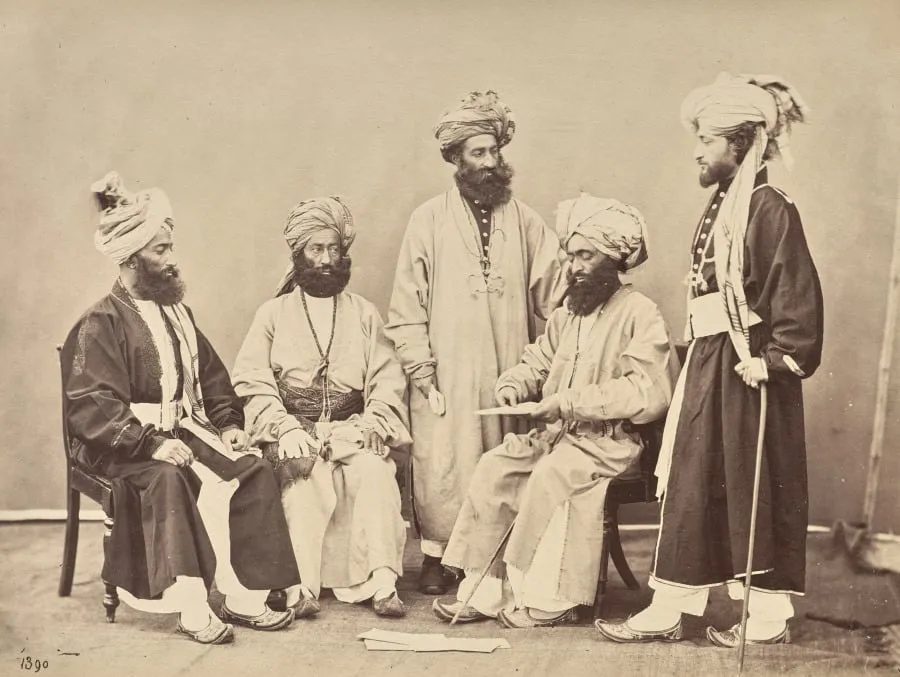
Cabulese is a photography by the Impressionist artist John Burke. It dates from 1879 and is held in the collection of the Cleveland Museum of Art.
About this work
The men look stiff because the camera needed long exposure times; no one could move or the picture would blur.
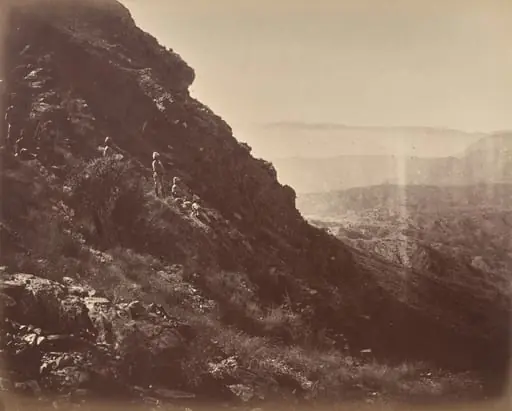
You see soldiers in red coats standing beside a dusty road, with low hills and a few tents in the background.
Burke wasn’t painting—he was using a camera. This is one of the first photographs ever taken in Afghanistan during a war. The men look stiff because the camera needed long exposure times; no one could move or the picture would blur.
If you want to see more early war photography, look up John Burke (Irish, 1845–1915).
Overview
This photograph, taken by John Burke during the Second Anglo-Afghan War (1878–1880), is among the earliest known images captured in Afghanistan under wartime conditions. Burke, an Irish photographer, documented the conflict with a portable darkroom and heavy glass-plate equipment, producing a visual record constrained by the technical limits of mid-19th-century photography.
Subject & Meaning
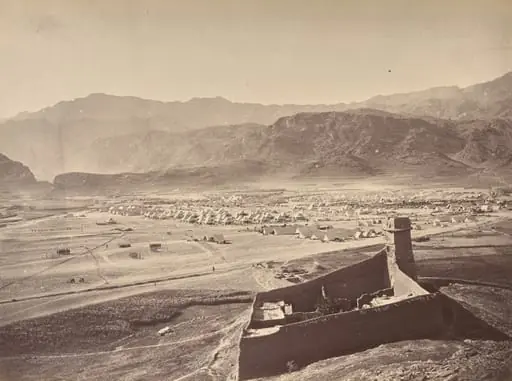
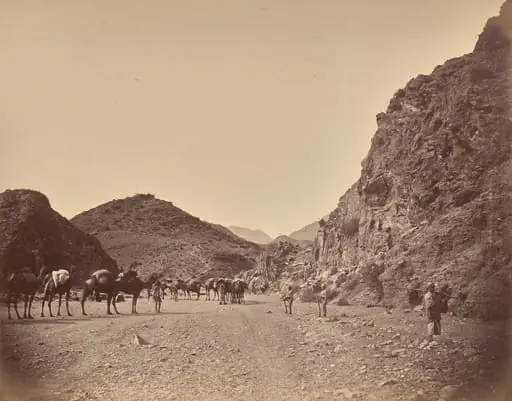
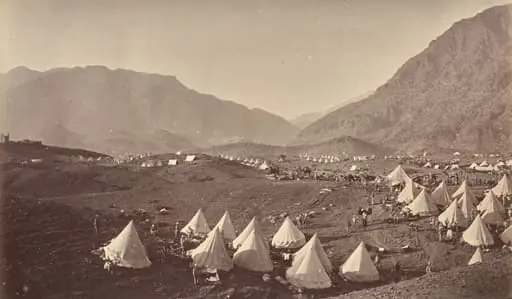
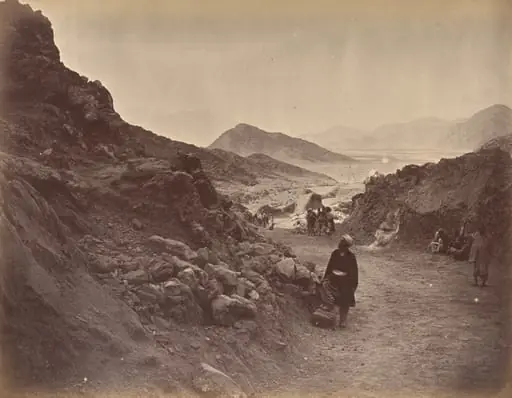
The image depicts British soldiers in red coats positioned along a barren road, flanked by tents and low hills. Rather than capturing combat, it records the static presence of military forces in the landscape—emphasizing occupation, logistics, and the human element of war. The stillness of the figures reflects the long exposure times required, transforming movement into silence and presence into monument.
Technique & Style
Burke used wet-plate collodion photography, a process demanding precise timing and on-site chemical development. The resulting images exhibit sharp detail in static elements but blur any motion, explaining the rigid postures of the soldiers. His compositions favor wide, documentary views over dramatic angles, prioritizing spatial context over emotional intensity.
History & Provenance
Burke traveled with British military units, producing hundreds of images that were later compiled into albums distributed in Britain and India. This photograph likely originated from one such collection, preserved as both a military record and a colonial artifact. Its survival reflects the institutional interest in visual documentation of imperial campaigns.
Context
At the time, photography was a novel tool for recording war, replacing earlier illustrative methods. In Afghanistan’s rugged terrain, logistical challenges limited photographers to static scenes. Burke’s work filled a gap in visual reporting, offering audiences at home a tangible, if limited, connection to distant conflicts.
Legacy
Burke’s photographs established a precedent for war documentation in Central Asia. Though not widely exhibited in his lifetime, his archive became a critical resource for later historians and ethnographers. His images remain among the foundational visual records of British military activity in Afghanistan.
Artist & collection

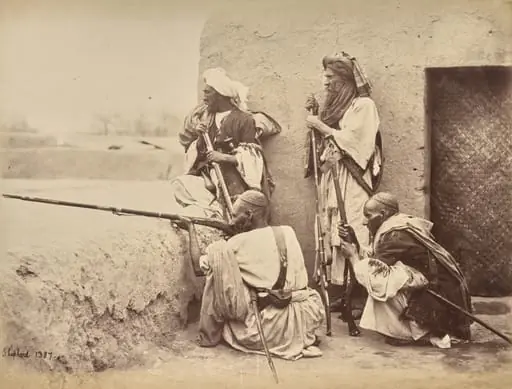
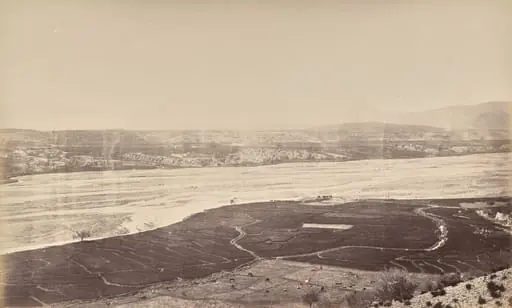
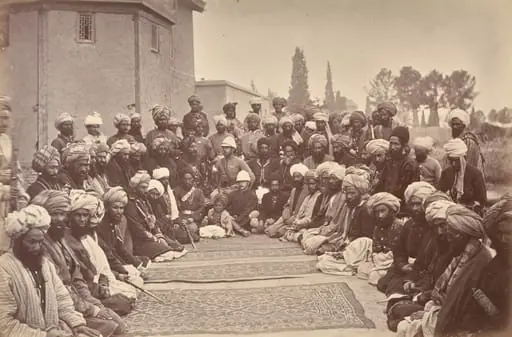
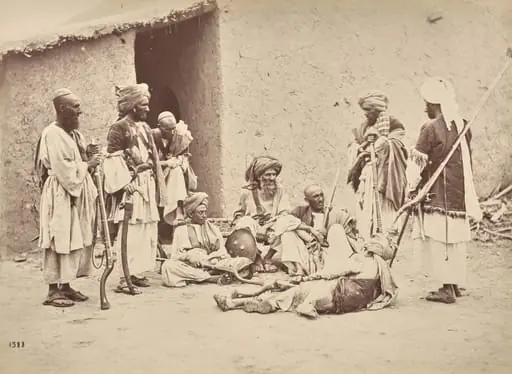 Group of Natives from Near Khyber Pass
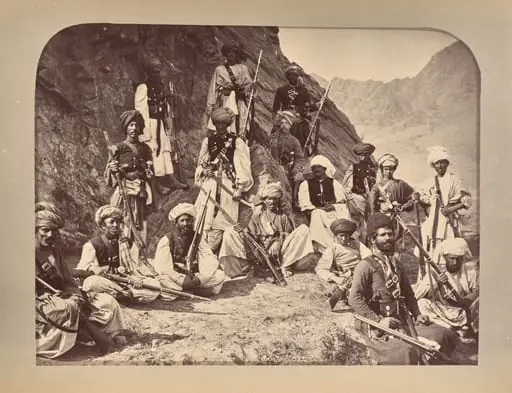 The Khan of Lalpura and Officers
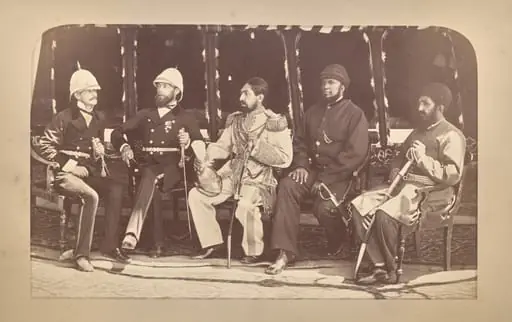 The Amir Yakub Khan, General Daod Shah, Habeebula Moustafi, Major Cavagnari, Mr. Jenkyns
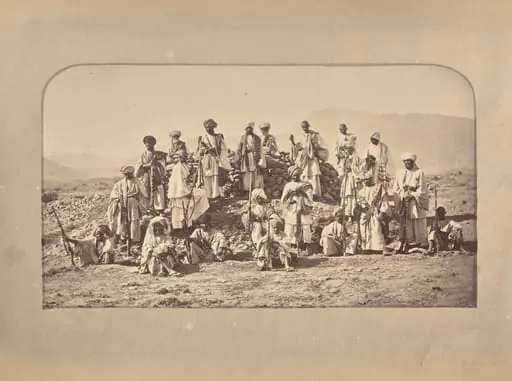 Afridi Picket near Jumrood
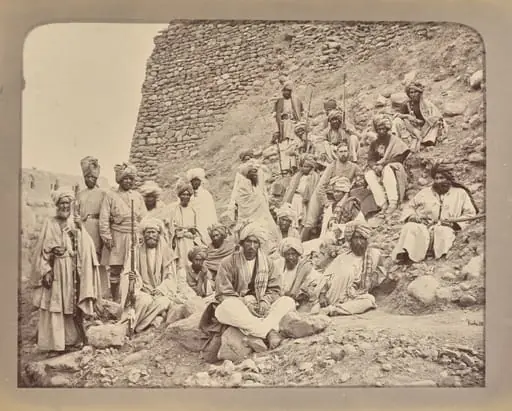 Khyber Chiefs with Captain Tucker
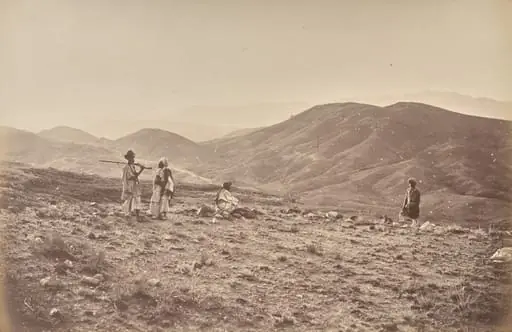 The 44th Hill, Looking Towards Jugdalluck
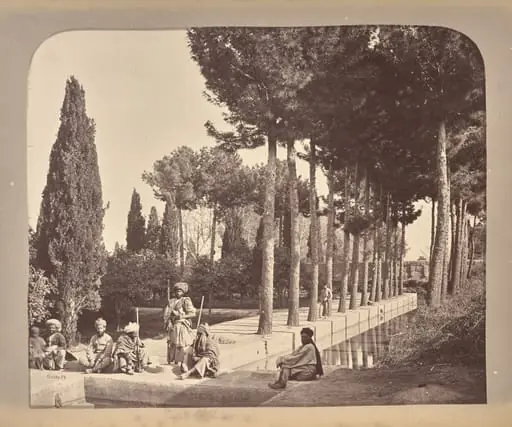 View in the Large Garden, Jellalabad
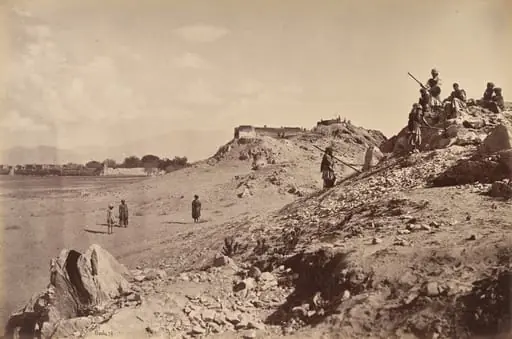 Jellalabad, Pipers Hill
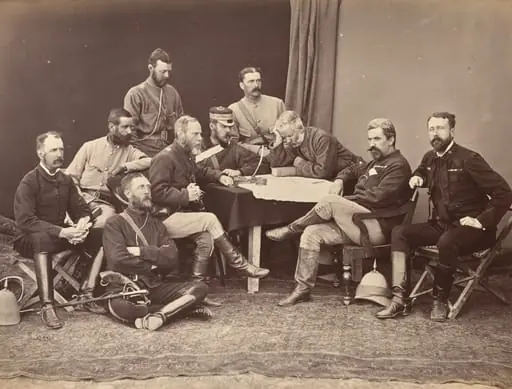 General Roberts and Staff