Artwork
Sibylla Erythraea
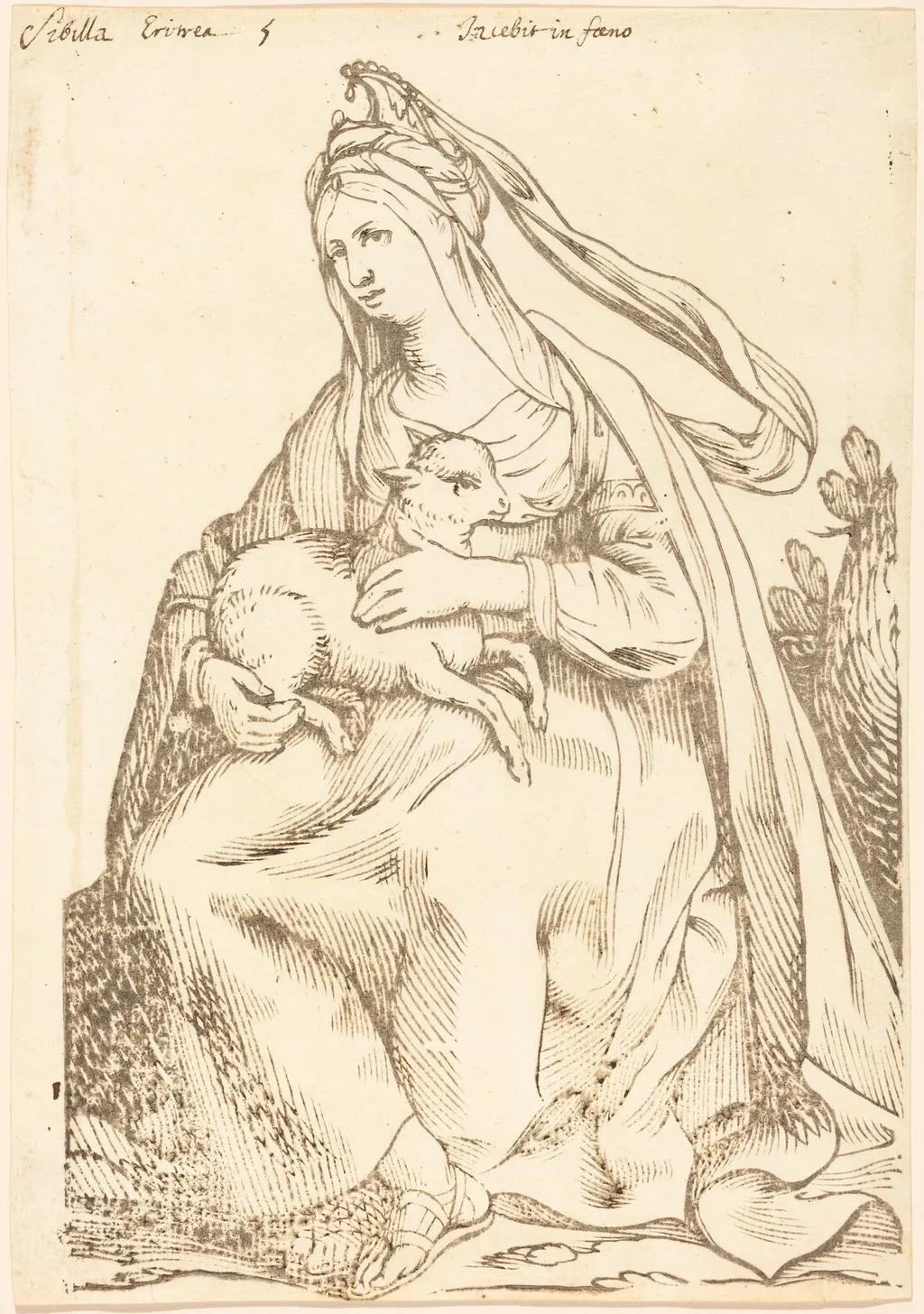
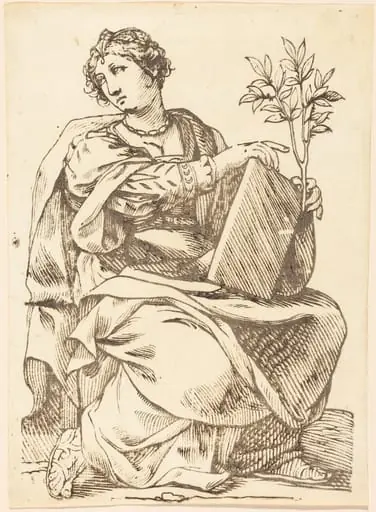
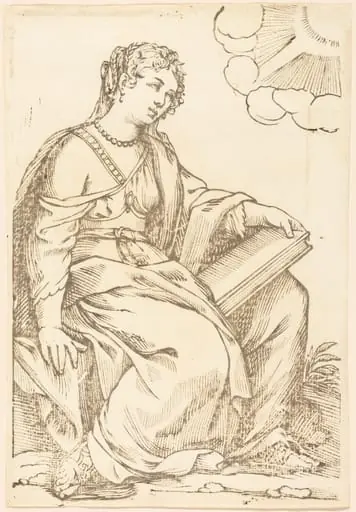
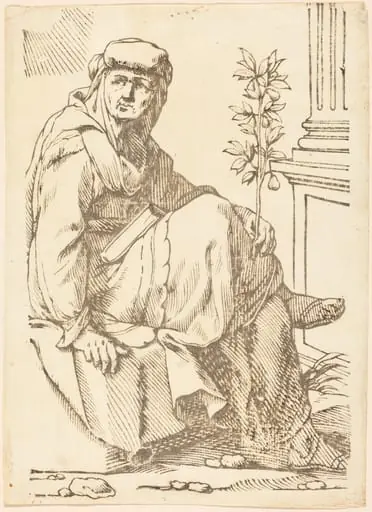
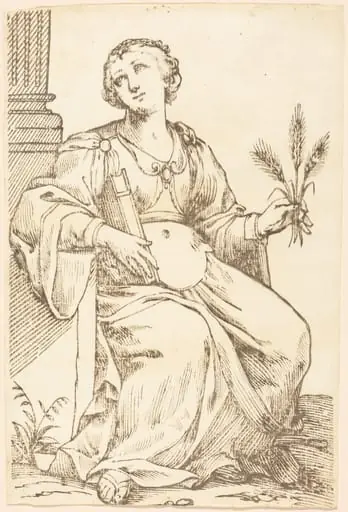
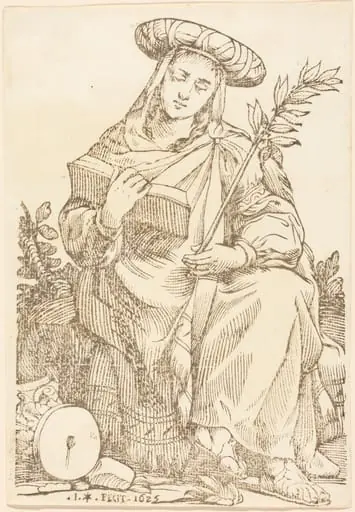
Sibylla Erythraea is an ink print by the Baroque artist Paul Maupin. It dates from 1625 and is held in the collection of the National Gallery of Art.
About this work
Overview
Sibylla Erythraea is a woodcut print created by Paul Maupin around 1625. The work depicts a woman, identified as Sibylla Erythraea, holding an infant and a small animal, possibly a lamb, set against a simple natural background.
Subject & Meaning
The subject, Sibylla Erythraea, is adorned in flowing robes and a crown of foliage, suggesting a figure of ancient prophetic or noble significance. The inclusion of a child and lamb may imply themes of nurturing, prophecy, or sacredness, though specific interpretation depends on the artistic and cultural context of the time.
Technique & Style
Maupin utilized woodcut techniques to achieve soft shadows and textured effects, evident in the folds of the subject's clothing. The print's execution on laid paper, with its slightly rough texture, is characteristic of woodcut prints from this period.
History & Provenance
Created circa 1625, the print's history and ownership timeline before its current location are not detailed in the provided information.
Context
Emerging in the early 17th century, this work reflects the continued influence of woodcut in European art, often used for religious, mythological, or allegorical subjects during this time.
Legacy
The lasting impact or influence of 'Sibylla Erythraea' on subsequent art or its representation in broader cultural narratives is not specified in the given details.
Artist & collection


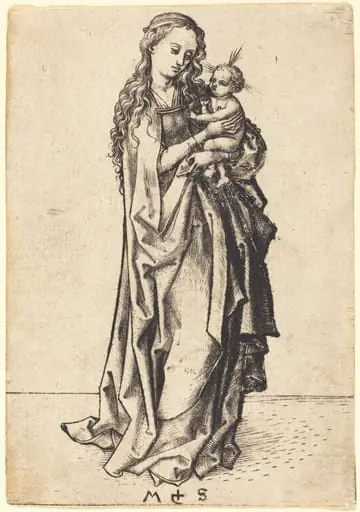 The Small Madonna and Child
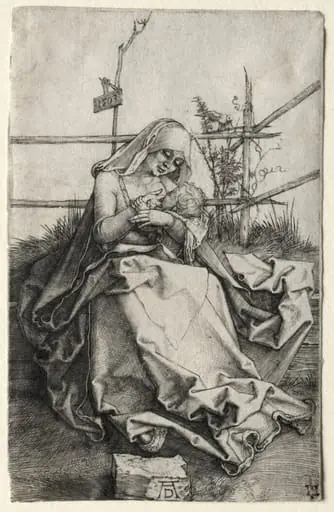 The Virgin and Child on a Grassy Bench
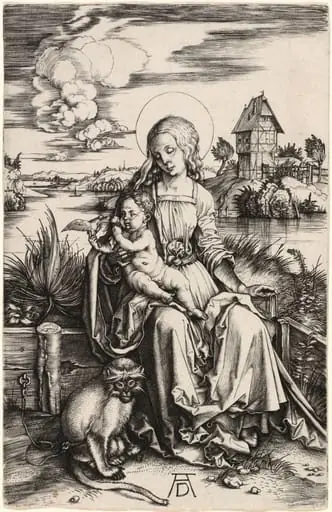 The Virgin and Child with the Monkey
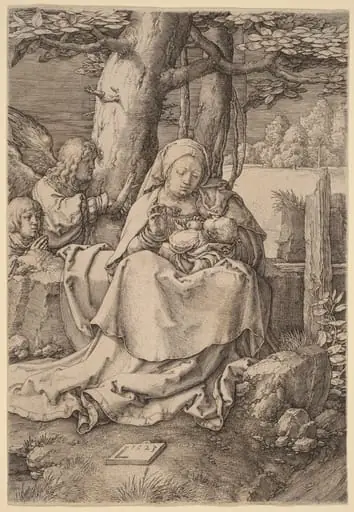 The Virgin and Child with Two Angels
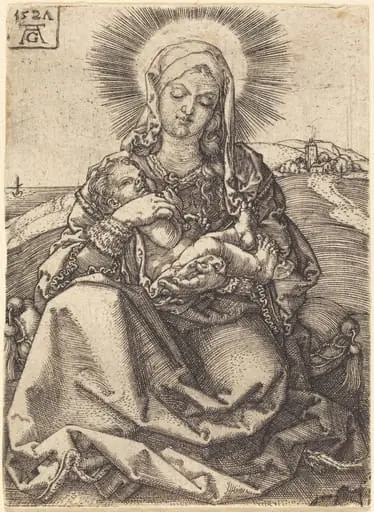 Madonna in a Landscape Sitting on a Cushion
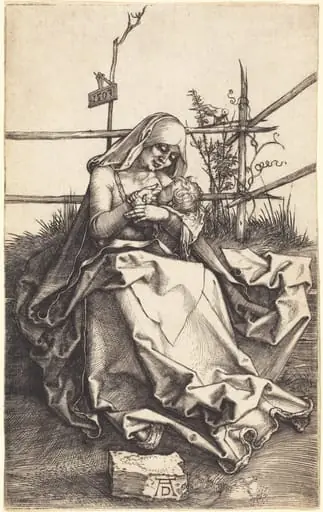 The Virgin and Child on a Grassy Bench
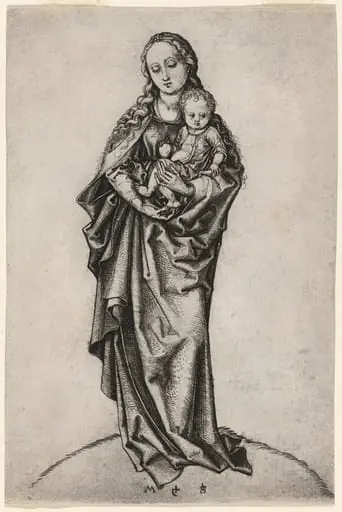 Virgin and Child with the Apple
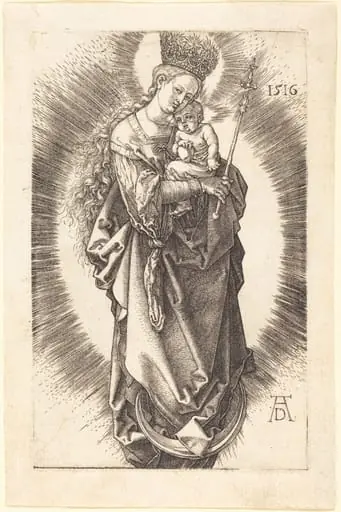 The Virgin and Child on a Crescent with a Sceptre and a Starry Crown
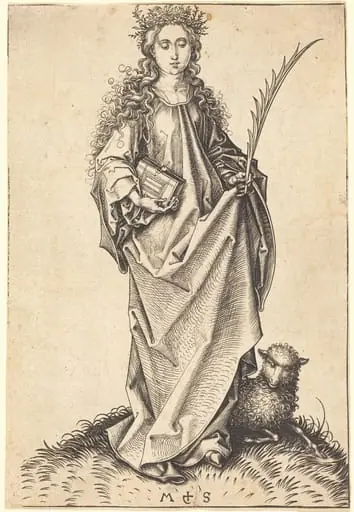 Saint Agnes
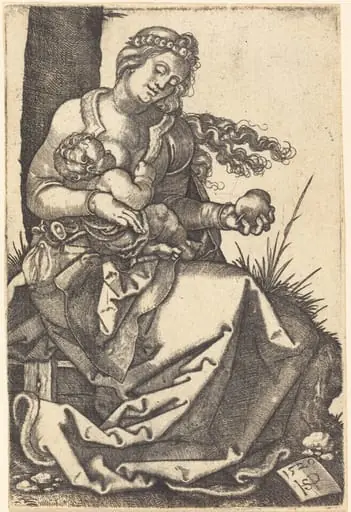 The Virgin, Holding a Pear, with the Child