Artwork
Adrienne Sophie Marquise de ***
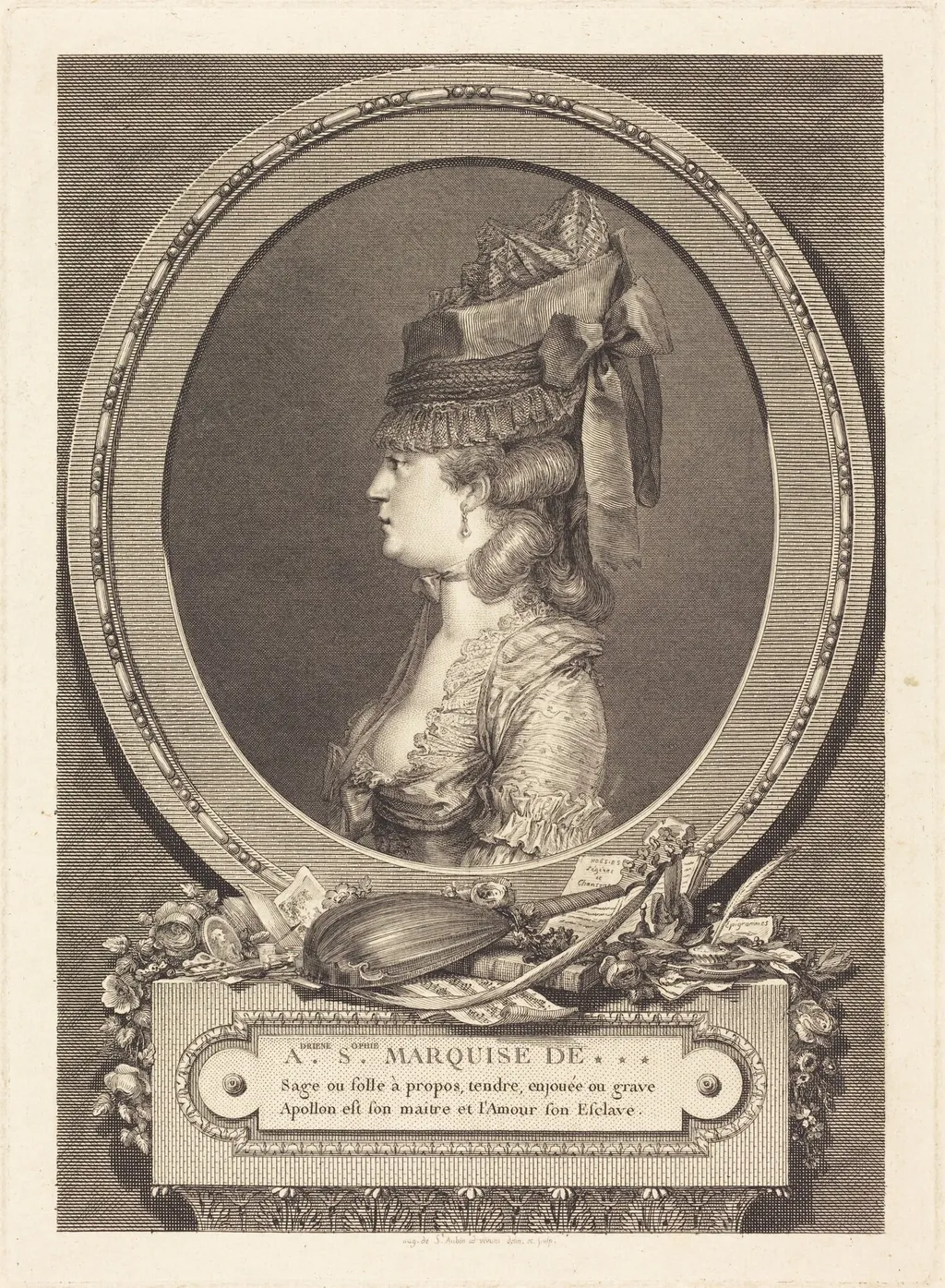
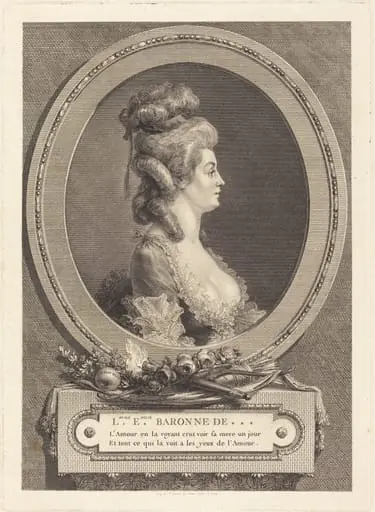
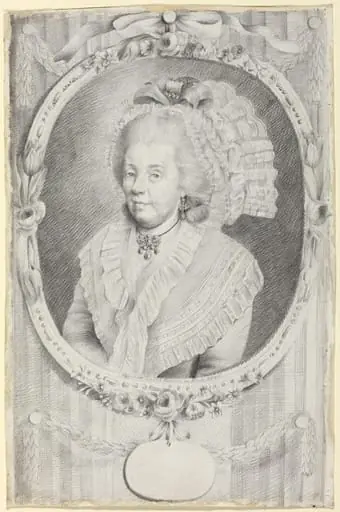
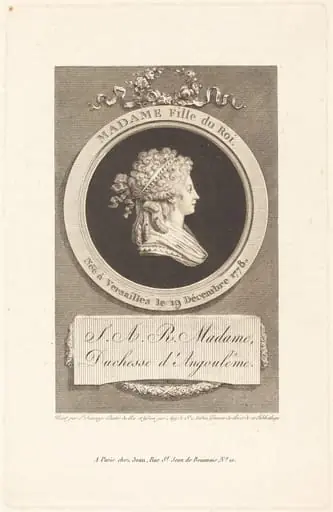
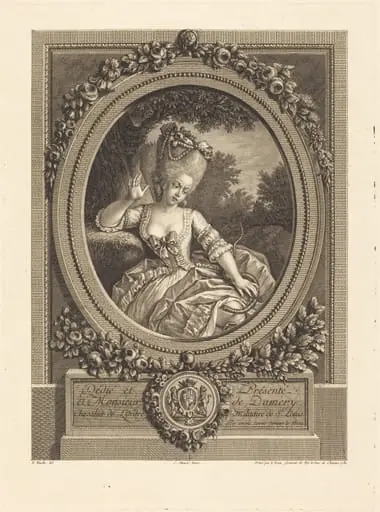
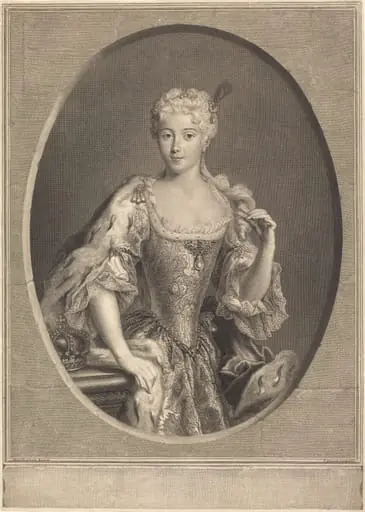
Adrienne Sophie Marquise de *** is an ink print by the Romanticist artist Augustin de Saint-Aubin. It dates from 1779 and is held in the collection of the National Gallery of Art.
About this work
Overview
As part of a family renowned for French decorative arts, Saint-Aubin specialized in reproductive prints that circulated among elite collectors.
Created in 1779 by Augustin de Saint-Aubin, this print is a combined etching and engraving depicting Adrienne Sophie, Marquise de ***. As part of a family renowned for French decorative arts, Saint-Aubin specialized in reproductive prints that circulated among elite collectors. The work belongs to a tradition of portraiture designed for private ownership, offering a refined visual record of aristocratic identity in the years preceding the French Revolution.
Subject & Meaning
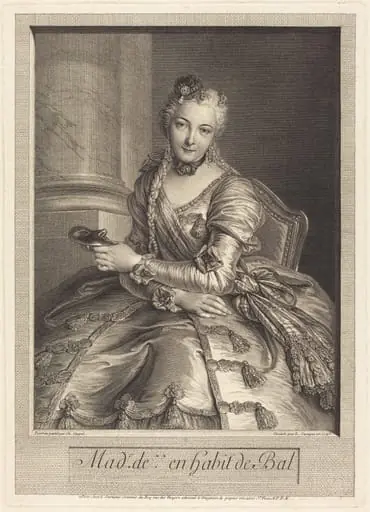
The portrait presents Adrienne Sophie, Marquise de ***, in formal attire typical of late 18th-century French nobility. Her poised posture, adorned with a wide-brimmed hat, ribbons, and a decorative fan, signals social status and refined demeanor. The poetic inscription beneath her name follows a customary practice of the era, blending literary elegance with visual representation to elevate the sitter’s public image and cultural capital.
Technique & Style
Saint-Aubin employed fine, controlled lines in both etching and engraving to render texture and detail—curls of hair, lace trim, and the folds of fabric are meticulously articulated. The background remains unadorned, directing focus to the figure, while the ornate border features floral motifs and scrollwork, framing the portrait as a decorative object. The monochrome palette emphasizes tonal gradation and linear precision over color, characteristic of high-quality reproductive prints of the time.
History & Provenance
The print was produced during a period when the Saint-Aubin family dominated French printmaking circles, supplying illustrations for books and portraits for private collections. Though specific early ownership records are sparse, such works were commonly distributed through print dealers in Paris. Its survival reflects its value as both a likeness and a specimen of skilled craftsmanship within aristocratic visual culture.
Context
In the decades before the Revolution, portraiture in print form served as a means of preserving and disseminating the likenesses of nobility. Unlike painted portraits, etchings allowed for multiple copies, making them accessible to a wider, though still elite, audience. This print aligns with broader trends in French graphic arts, where elegance, textual embellishment, and technical mastery converged to reinforce social hierarchies through imagery.
Legacy
Augustin de Saint-Aubin’s work, including this portrait, remains a key reference for understanding the role of print in pre-revolutionary French society. His precise technique and attention to aristocratic detail influenced later generations of engravers. While the Marquise herself is less documented, the print endures as an artifact of a cultural moment when image, text, and craft intersected to define public identity among the French elite.
Artist & collection
Artist
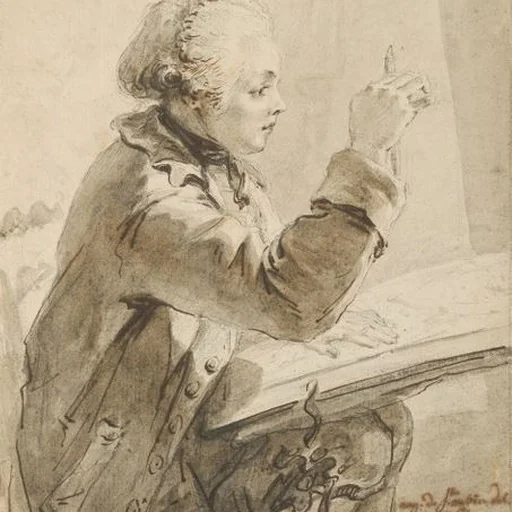
Augustin de Saint-Aubin sometimes styled Auguste de Saint-Aubin (3 January 1736 – 9 November 1807), belongs to an important dynasty of French designers and engravers.

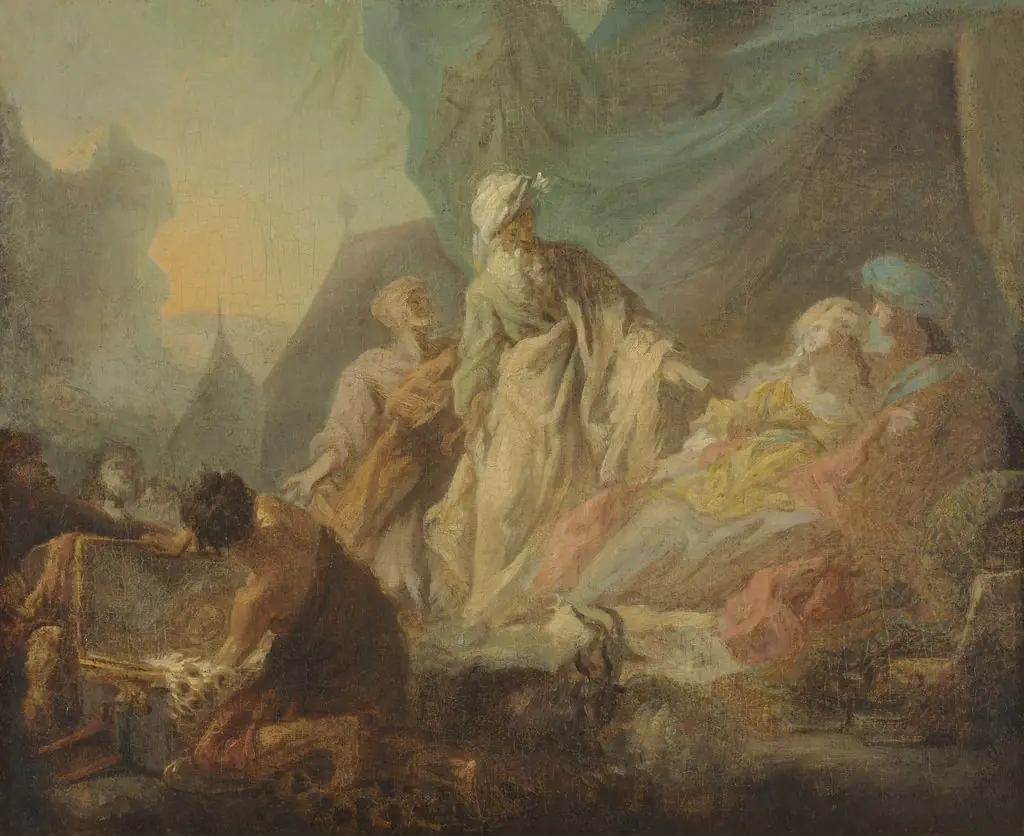 Laban Searching for His Stolen Gods
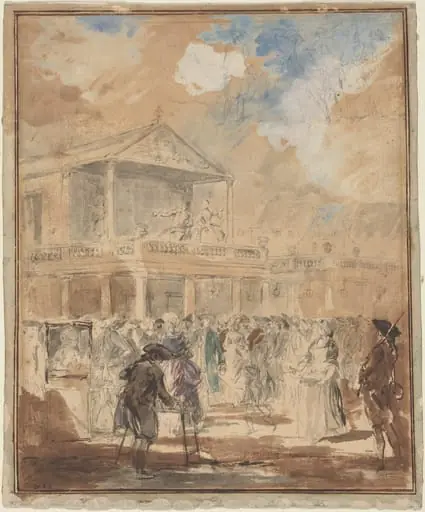 Parade (A Theatrical Procession in Paris)
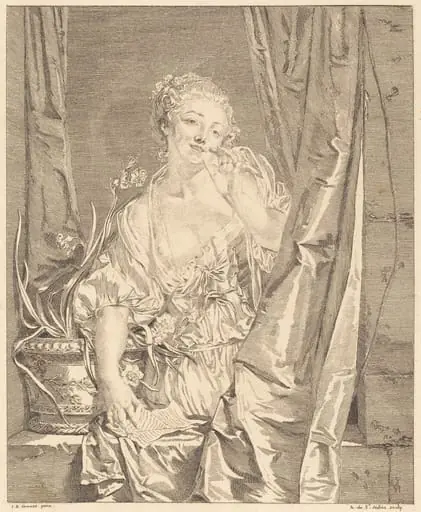 Le baiser envoyé
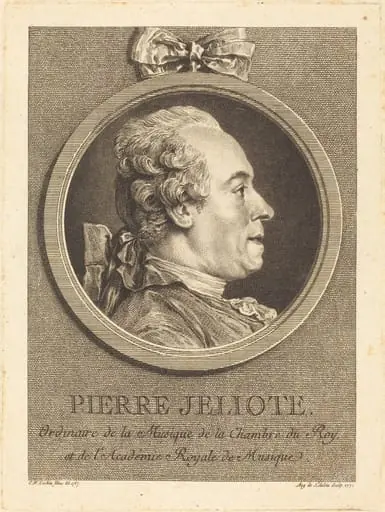 Pierre Jeliote
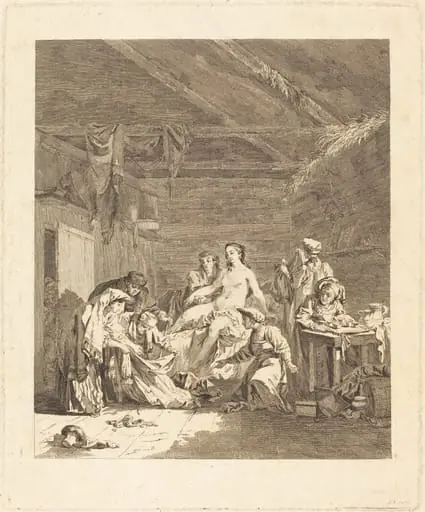 Le lever de la mariée russe (Custom of the Russians after the Marriage Ceremony and before the Wedding Feast)
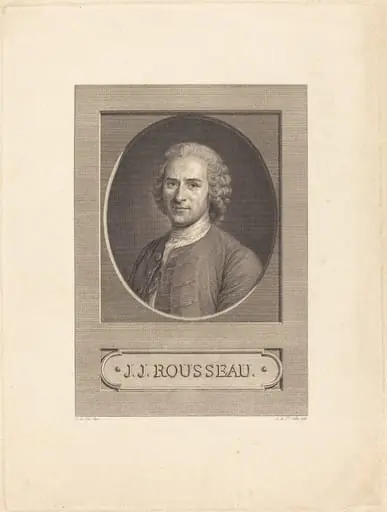 J.J. Rousseau
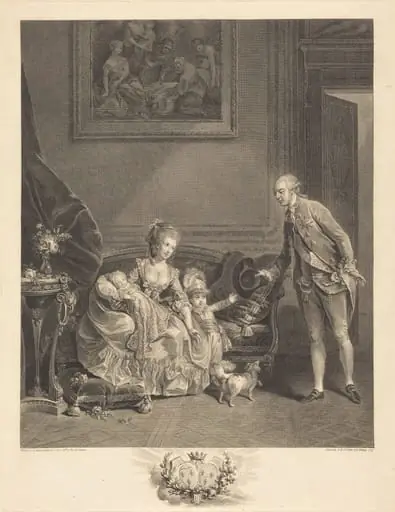 Le duc de Chartres, son epouse et ses enfants
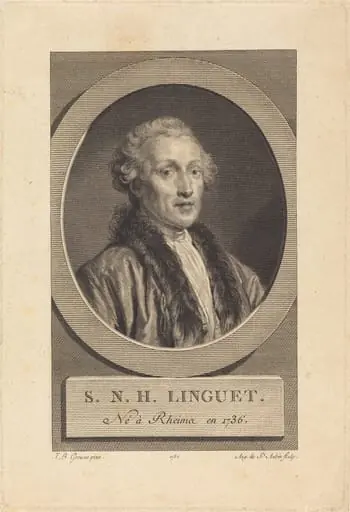 Simon-Nicolas-Henri Linguet