Artwork
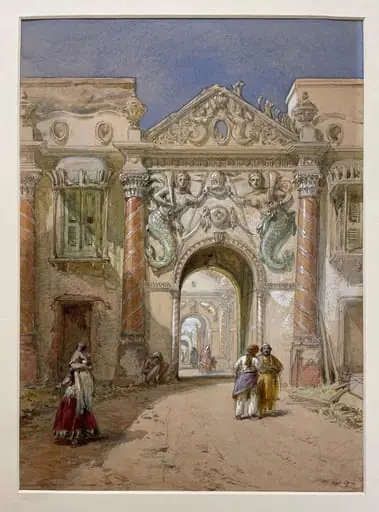
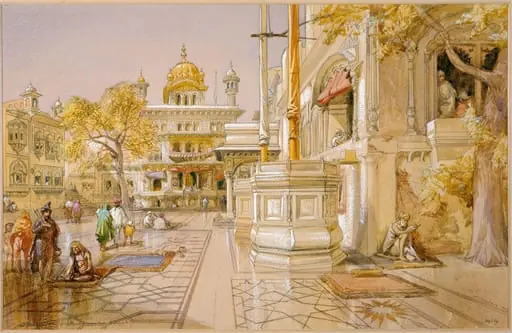
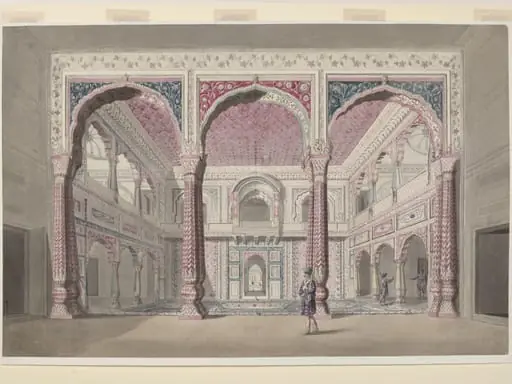
View of the Kaiser Bagh in Lucknow
View of the Kaiser Bagh in Lucknow is a paint painting by the Impressionist artist William Simpson. It dates from 1864 and is held in the collection of the Victoria and Albert Museum.
About this work
William Simpson painted "View of the Kaiser Bagh in Lucknow" in 1864. This watercolor shows a famous spot in India with bright colors and careful detail.
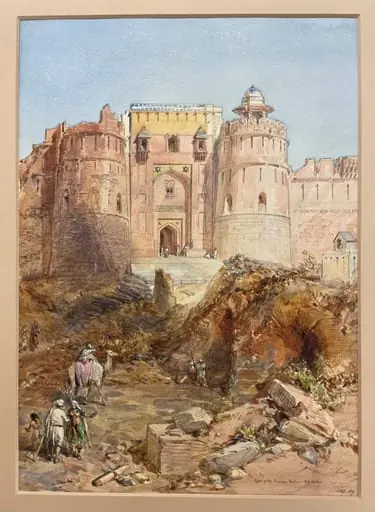
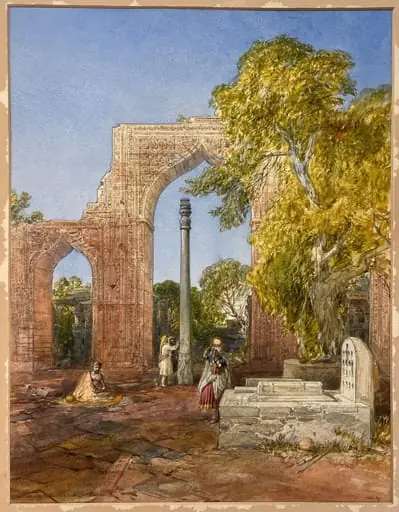
Simpson was already known for his war art from the Crimean War. The British East India Company paid him to sketch sites tied to the 1857 revolt in India. His sketches became watercolors back in London.
Check out more by Simpson, William.
Overview
View of the Kaiser Bagh in Lucknow is a watercolor painting created by William Simpson in 1864. It depicts a scene from the Kaiserbagh Palace Complex in Lucknow, India.
Subject & Meaning
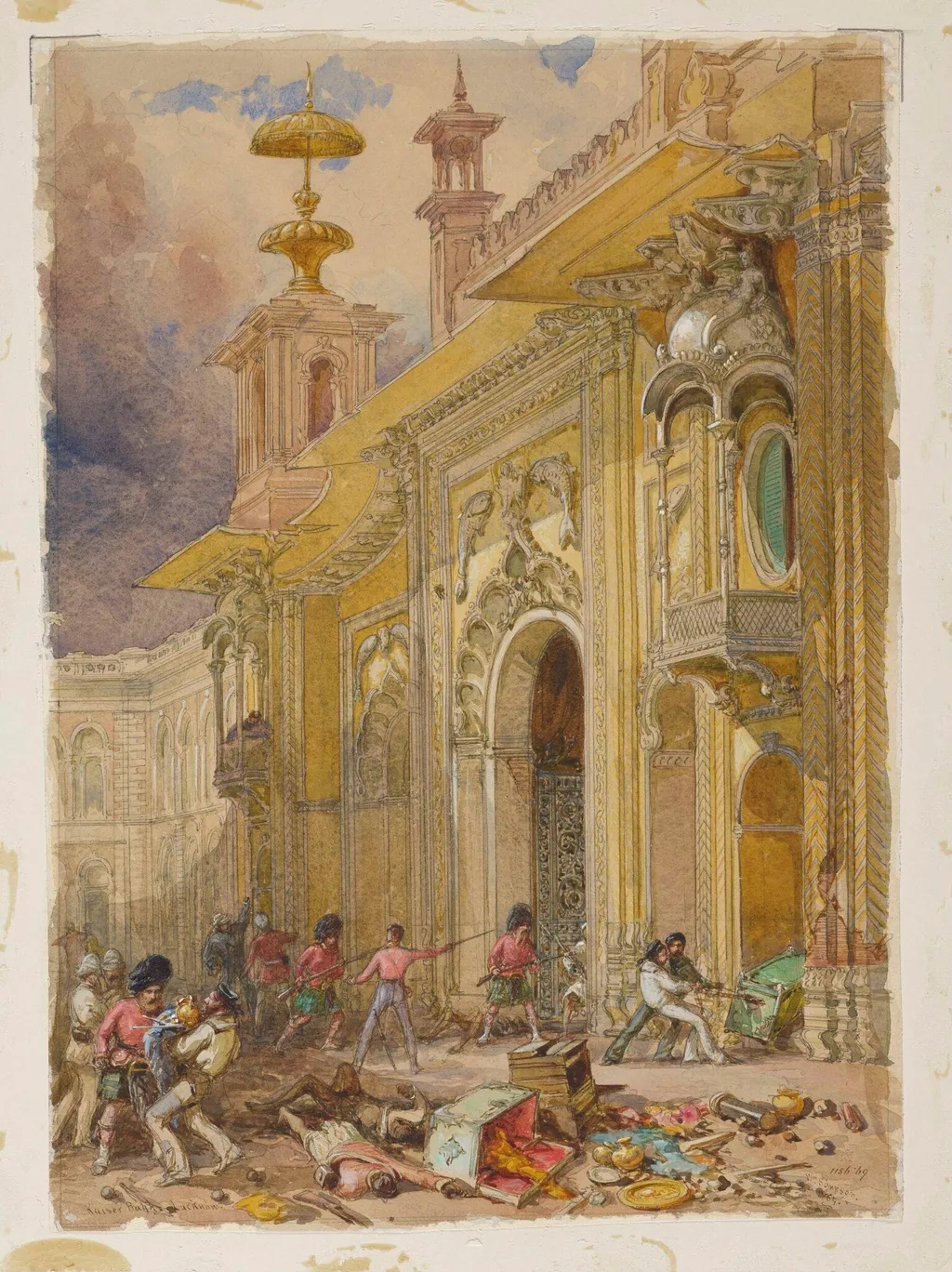
The painting shows an imaginary scene at the Chaulakhi Kothi within the Kaiserbagh Palace Complex, which was built for Nawab Wajid Ali Shah between 1848 and 1850. Much of the complex was destroyed by the British during the Indian Mutiny of 1857-58.
Technique & Style
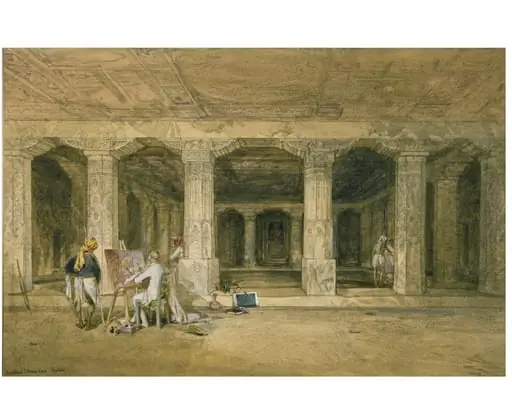
Simpson's watercolor is characterized by bright colors and careful detail, reflecting his skill as a watercolorist and war artist. The painting was based on preparatory sketches made during his travels in India from 1859 to 1862.
History & Provenance
Simpson was commissioned by Day and Sons to document sites associated with the 1857 revolt in India. He traveled extensively in India, making pencil drawings that later became finished watercolors in London.
Artist & collection
Artist
William Simpson drew what he saw during the Crimean War in the 1850s, including sketches of battles and camps in Crimea and Constantinople.