Artwork
The Prima Macchina for the Chinea of 1760: The Temple of Neptune
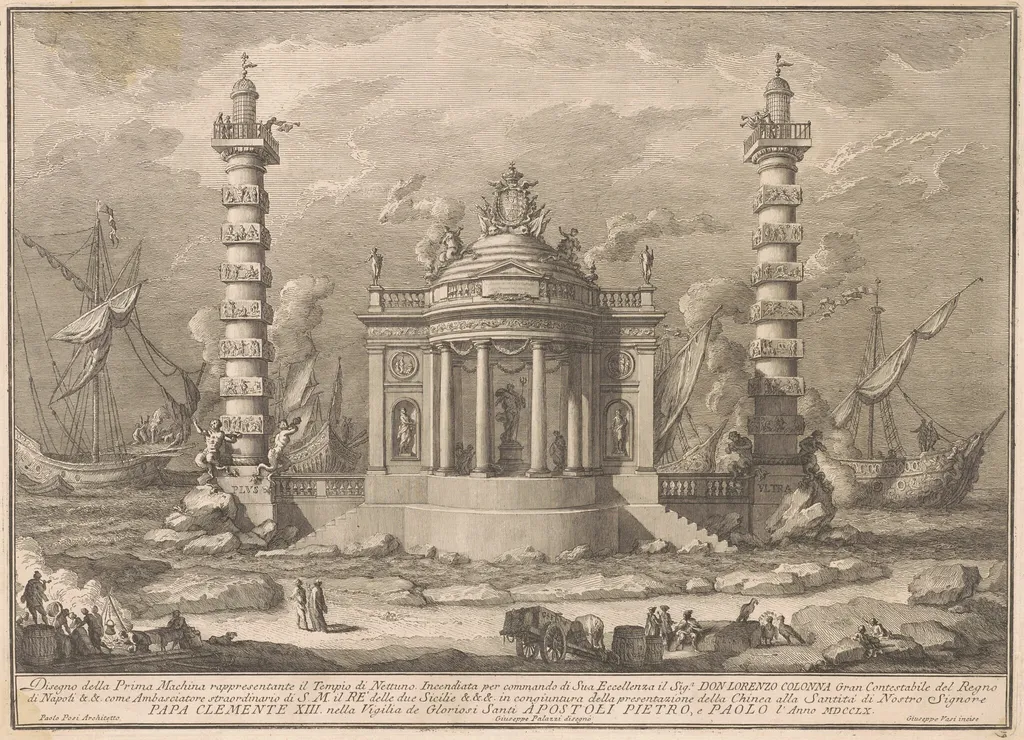
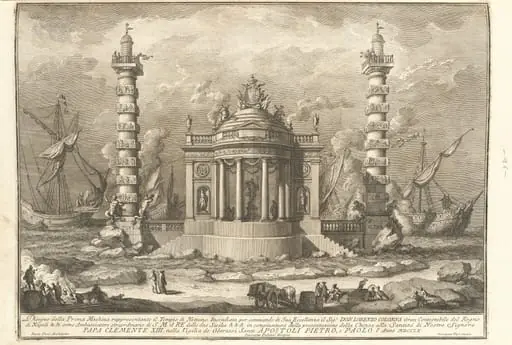
The Prima Macchina for the Chinea of 1760: The Temple of Neptune is an ink print by the Romanticist artist Giuseppe Vasi. It dates from 1760 and is held in the collection of the National Gallery of Art.
About this work
Overview
Around it a bustling harbor unfolds, with numerous sailing vessels and figures loading and unloading cargo, while waves lap at the rocky shore.
Giuseppe Vasi’s 1760 etching, titled The Prima Macchina for the Chinea of 1760: The Temple of Neptune, depicts an imagined monumental temple perched on a rugged coastline. Flanked by twin columns, the structure is crowned with elaborate statuary and ornamental detailing. Around it a bustling harbor unfolds, with numerous sailing vessels and figures loading and unloading cargo, while waves lap at the rocky shore.
Subject & Meaning
The print merges a fanciful architectural fantasy with a realistic port scene, suggesting a ceremonial or celebratory function linked to the Chinea—a traditional tribute presented to the Pope. By placing the Temple of Neptune, the Roman god of the sea, at the center, Vasi underscores the maritime theme of the tribute and the importance of naval power in mid‑eighteenth‑century Rome.
Technique & Style
Executed in the etching medium, Vasi employed fine incised lines to render intricate architectural ornamentation and the delicate rigging of ships. The contrast between the crisp, linear rendering of the temple’s façade and the more fluid, atmospheric treatment of water and sky demonstrates his skill in balancing precise draftsmanship with a sense of movement.
History & Provenance
Created as part of the Prima Macchina series documenting the annual Chinea procession, the print was likely circulated among officials and patrons associated with the papal court. Original impressions remain in several European print collections, reflecting the work’s role as both a visual record of a specific ritual and a decorative print for contemporary audiences.
Context
The Chinea tribute, a yearly horse and cavalry gift from the Kingdom of Naples to the Pope, was a significant diplomatic event in the 1700s. Vasi’s depiction situates the ceremony within a mythic maritime setting, aligning the political act with the protective symbolism of Neptune, thereby reinforcing the connection between papal authority and the sea‑borne trade routes that sustained Rome.
Artist & collection

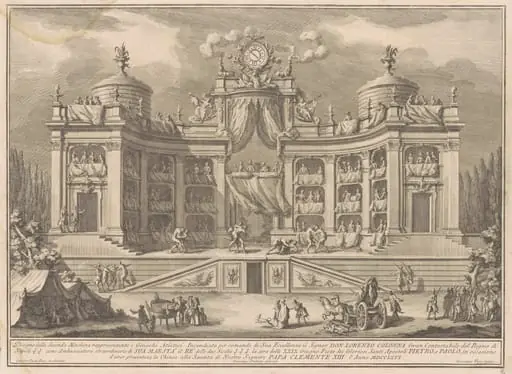 The Seconda Macchina for the Chinea of 1766: A Theater for Athletic Games
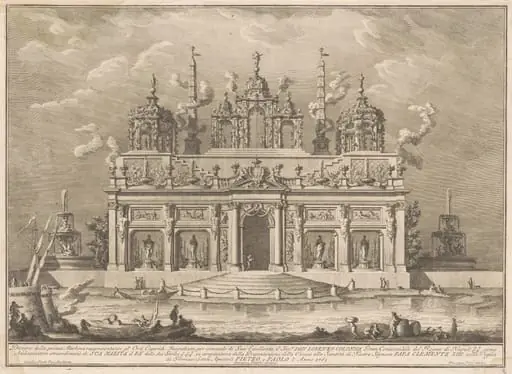 The Prima Macchina for the Chinea of 1765: The Garden of the Hesperides
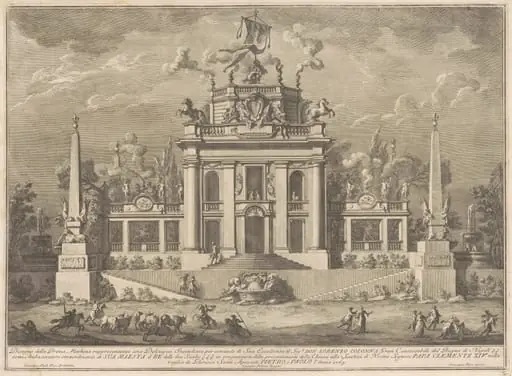 The Prima Macchina for the Chinea of 1769: A "Deliziosa"
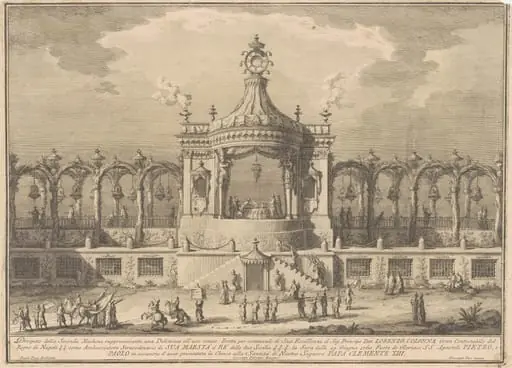 The Seconda Macchina for the Chinea of 1760: A Chinoiserie Pavilion
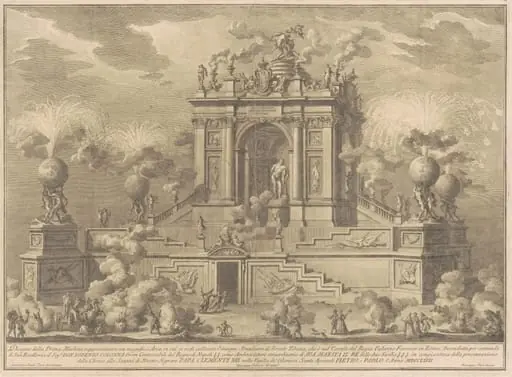 The Prima Macchina for the Chinea of 1767: A Triumphal Arch with the Farnese Hercules
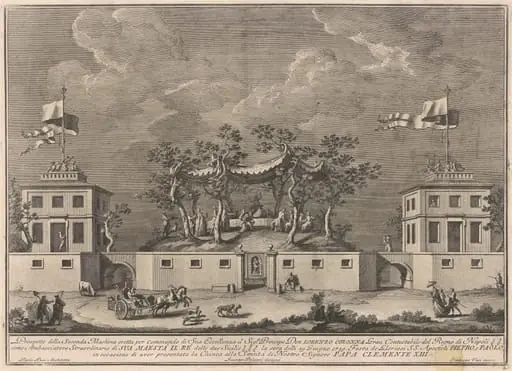 The Seconda Macchina for the Chinea of 1759: A "Deliziosa" with a Bacchanal
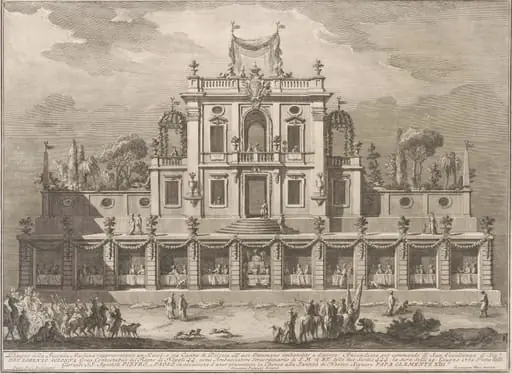 The Seconda Macchina for the Chinea of 1762: A Kiosk, or Pleasure-House in Ottoman Style
 The Seconda Macchina for the Chinea of 1763: The Grape Harvest
 The Prima Macchina for the Chinea of 1760: The Temple of Neptune
 The Prima Macchina for the Chinea of 1771: The Temple of Asclepius
 The Prima Macchina for the Chinea of 1771: The Temple of Asclepius
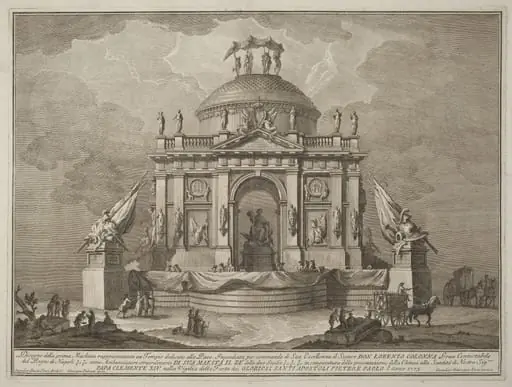
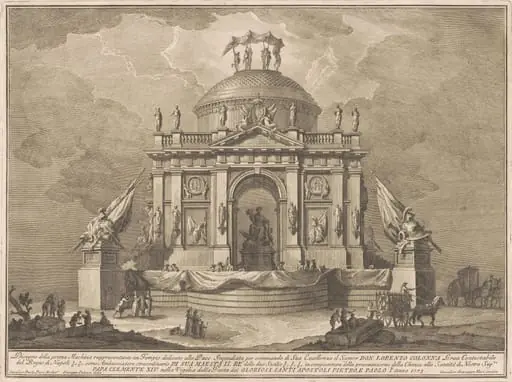 The Prima Macchina for the Chinea of 1773: The Temple of Peace
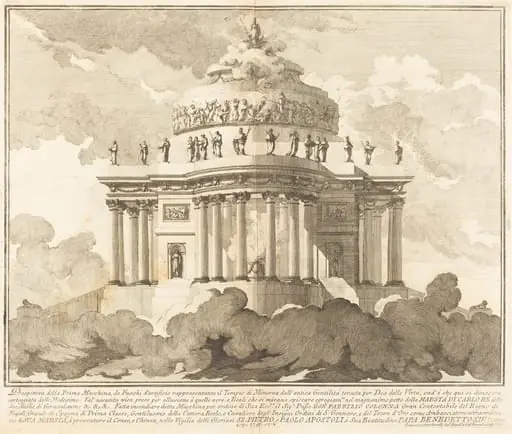 The Prima Macchina for the Chinea of 1746: The Temple of Minerva
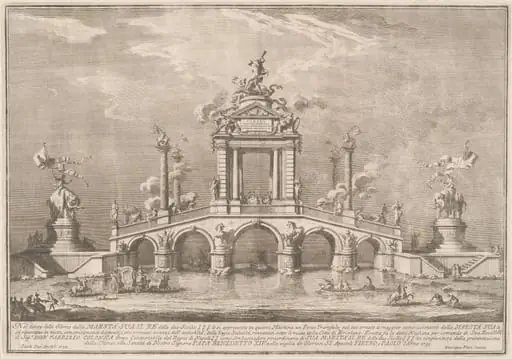 The Prima Macchina for the Chinea of 1755: A Triumphal Bridge with Antiquities from Herculaneum
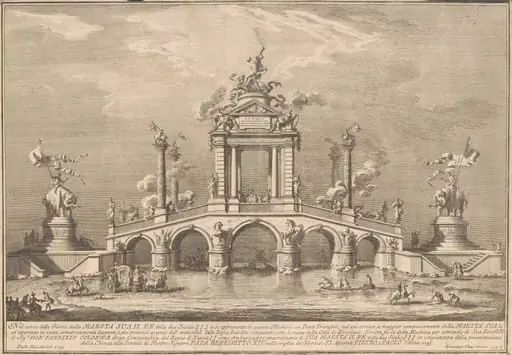 The Prima Macchina for the Chinea of 1755: A Triumphal Bridge with Antiquities from Herculaneum
 The Prima Macchina for the Chinea of 1773: The Temple of Peace
 The Prima Macchina for the Chinea of 1758: A "Deliziosa" with Hanging Gardens