Artwork
Title Page for Histoire Cvrievse de Tovt Ce Qui C'est Passé a l'Entree de La Reyne Mere dv Roy Treschrestien...
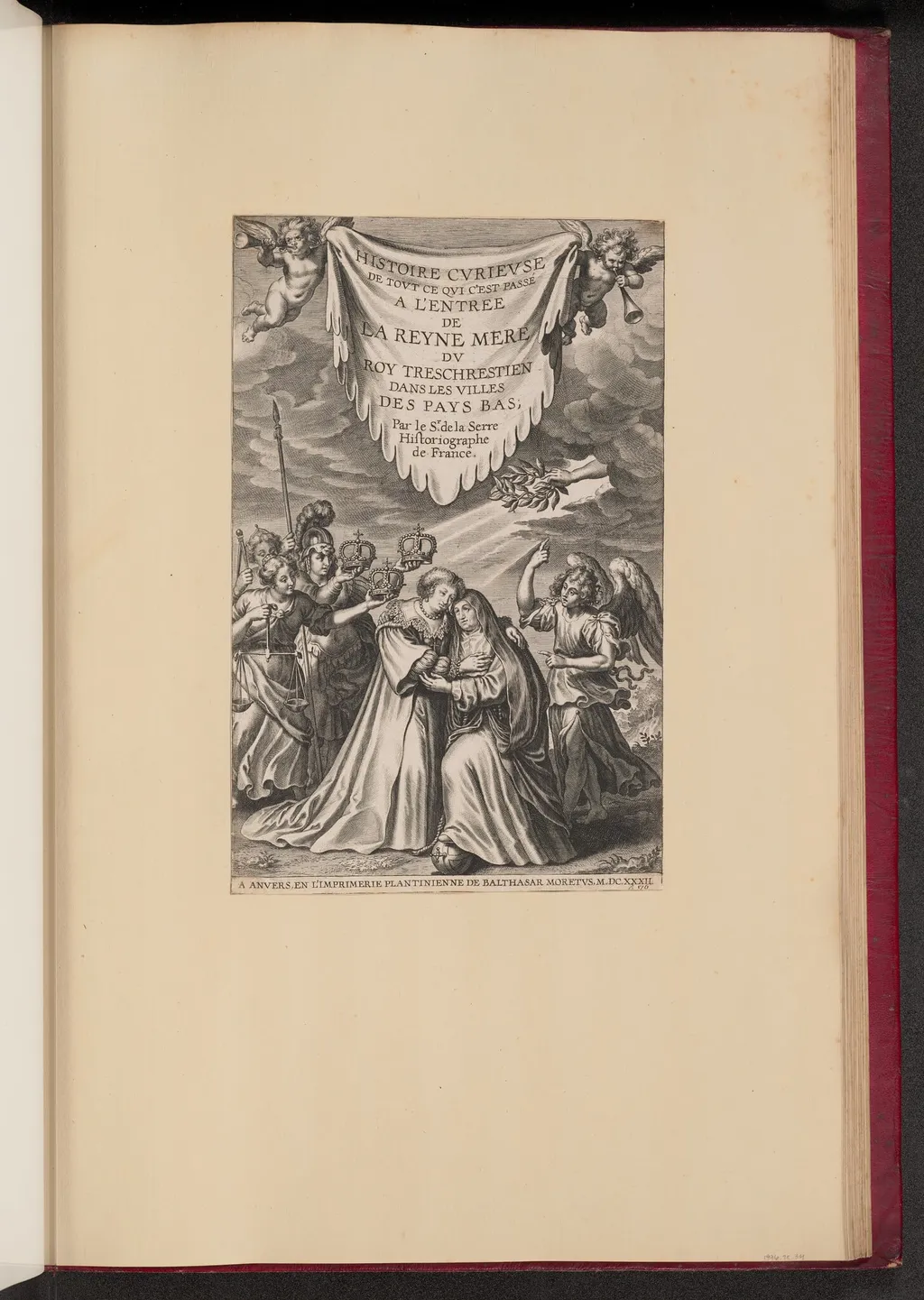
Title Page for Histoire Cvrievse de Tovt Ce Qui C'est Passé a l'Entree de La Reyne Mere dv Roy Treschrestien... is an ink print by the Baroque artist Cornelis Galle I. It dates from 1632 and is held in the collection of the National Gallery of Art.
About this work
A woman in a long robe kneels, holding a child, while another woman in armor stands beside her.
This engraving shows a group of figures gathered under a banner with fancy French text. A woman in a long robe kneels, holding a child, while another woman in armor stands beside her. Angels with wings float above, and a crown sits on a pedestal. The scene looks dramatic, with swirling clouds in the background.
The text at the top is the title of a book about a queen’s visit to the Netherlands. The print was made in 1632, and the artist used fine lines to create shadows and details.
Look up engraving to see how artists like this carved images into metal plates.
Overview
Cornelis Galle the Elder, a Flemish engraver from Antwerp, produced a title page for a 1632 publication concerning a queen’s entry into the Netherlands. Executed on laid paper, the print combines text and imagery to announce the work’s subject, employing the fine line work characteristic of early‑17th‑century engraving.
Subject & Meaning
The composition depicts a kneeling woman in a long robe cradling a child, accompanied by a armored female figure, both gathered beneath a banner bearing ornate French lettering. Above them, winged angels hover and a crown rests on a pedestal, suggesting a ceremonial or royal theme linked to the queen’s arrival.
Technique & Style
Galle’s engraving displays delicate, cross‑hatching and precise line work to render shadows, textures, and the swirling clouds that form the background. The use of laid paper enhances the tonal contrast, while the balanced arrangement of figures reflects the influence of his Italian training on his Flemish printmaking practice.
History & Provenance
Born in 1576, Galle was taught by his father Philip and later by his brother Theodoor. After a period of study in Rome, he returned to Antwerp, where he operated both as a printmaker and a dealer. The title page was created shortly after his Italian sojourn, marking a mature phase in his career.
Context
The engraving served as the frontispiece for a book documenting the queen’s entrance, a politically significant event in the Dutch Republic. Such illustrated title pages were common in the early modern period, functioning both as decorative elements and as visual summaries of the text’s content.
Legacy
Galle’s work exemplifies the cross‑cultural exchange between Flemish and Italian engraving traditions in the early 1600s. The title page remains a valuable example of how printmakers combined narrative illustration with typographic design to convey historical events.
Artist & collection

Artist
Cornelis Galle the Elder (1576 – 29 March 1650), a younger son of Philip Galle, was born at Antwerp in 1576, and was taught engraving by his father.

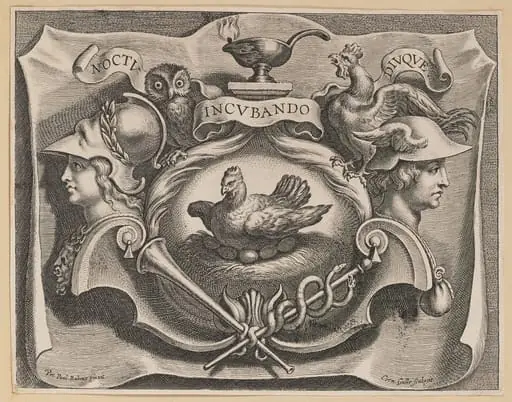 Vignette for the Title Page of Martinus Bonacina, Opera Omnia
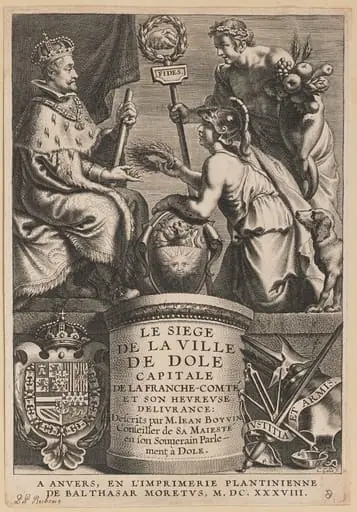 Title Page for Jean Boyvin, Le Siege de la Ville de Dole
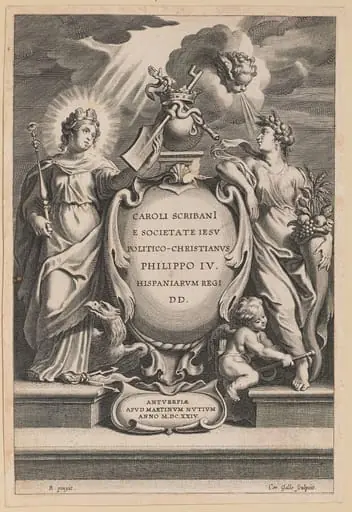 Title Page for Carolus Scribani, Politico-Christianus
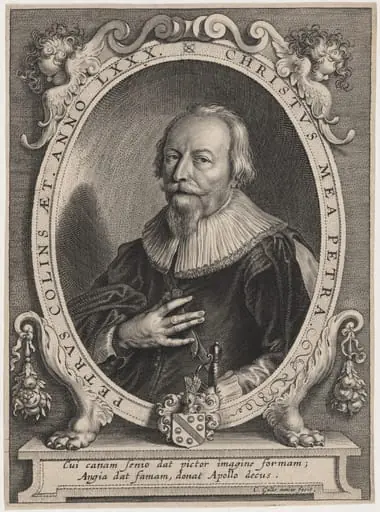 Petrus Collins
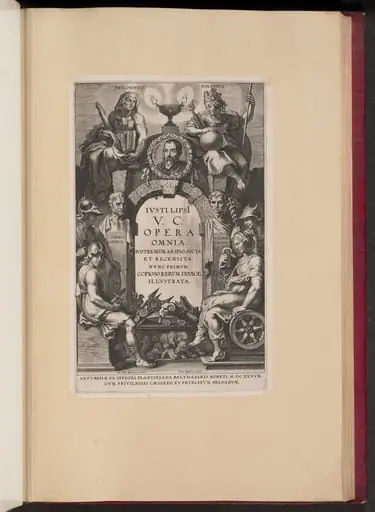 Title Page for Justus Lipsius, Opera Omnia, I
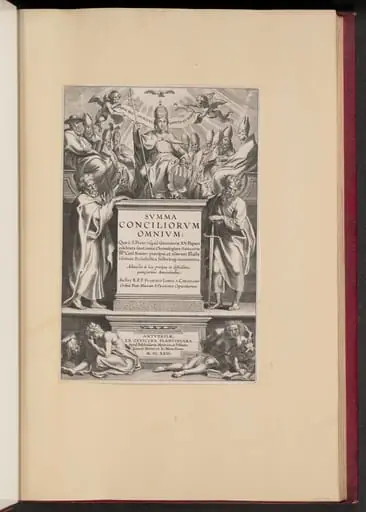 Title Page for F. Longo a Coriolano's "Svmma Conciliorvm Omnivm"
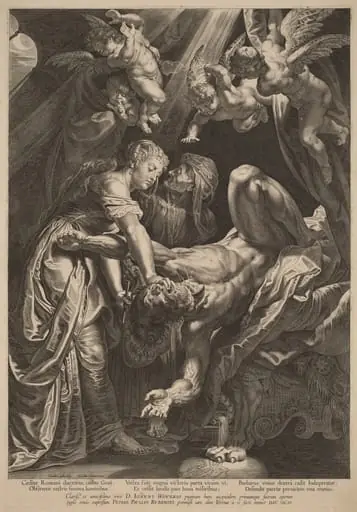 Judith Beheading Holofernes
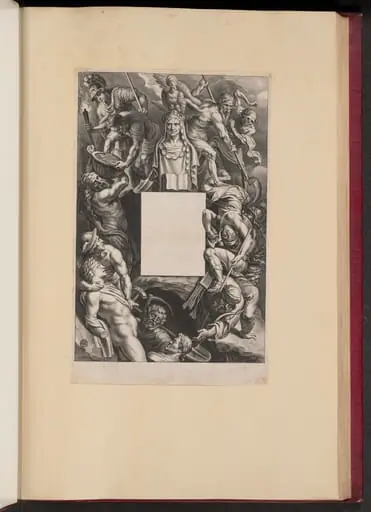 Title Page for Hubert Goltzius, Romanae et Graecae Antiqvitatis Monvmenta (Opera Omnia, I)
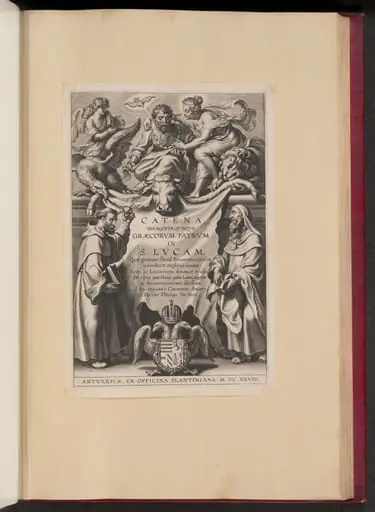 Title Page for Balthasar Cordier, Catena Sexaginta Qvinqve Graecorvm Patrvm in S. Lvcam...
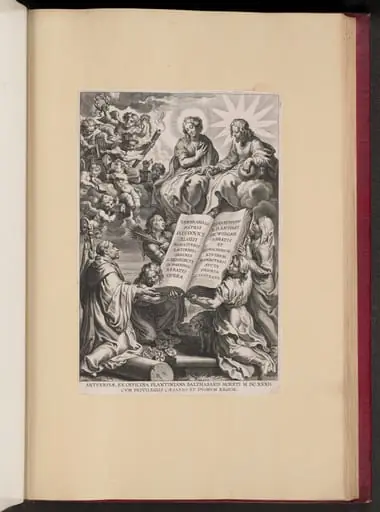 Title Page for Ludovicus Blosius, Opera
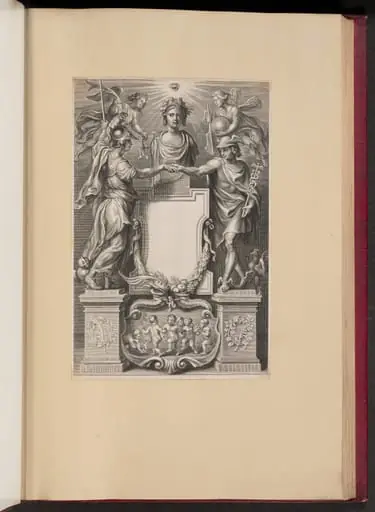 Title Page for Frederik de Marselaer, Legatvs
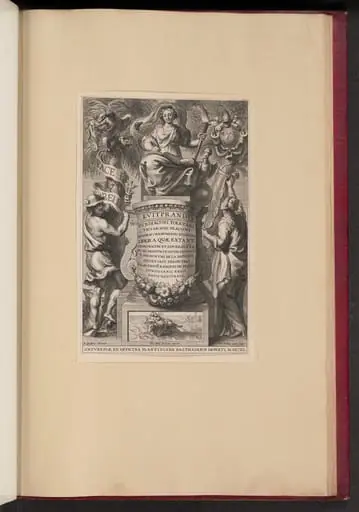 Title Page for Liutprand, Opera
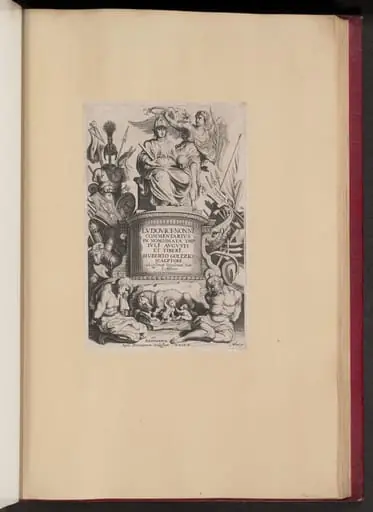 Title Page for Ludovicus Nonnius, Commentarius in Nomismata
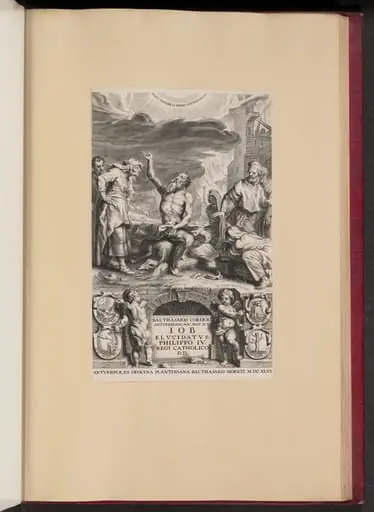 Title Page for Balthasar Cordier, Iob Elvcidatvs
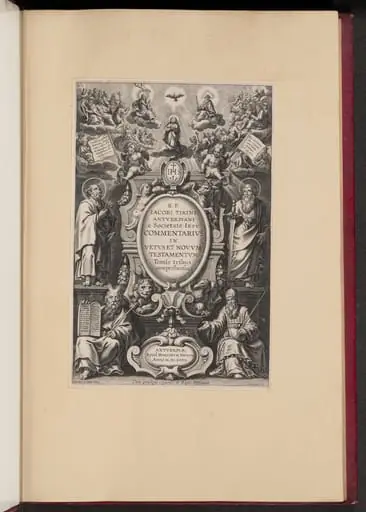 Title Page for R.P. Jacobi Tirini's "Commentarius in Vetvs et Novvm Testamentvm"
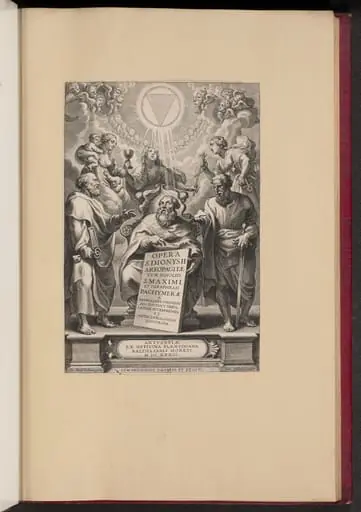 Title Page for Balthasar Cordier's "Opera S. Dionysii Areopagitae, I"
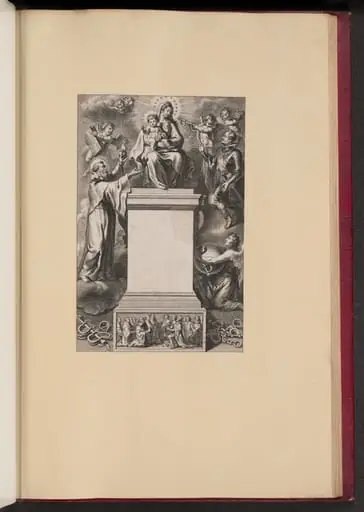 Title Page for B. De Los Rios, De Hierarchia Mariana Libri Sex
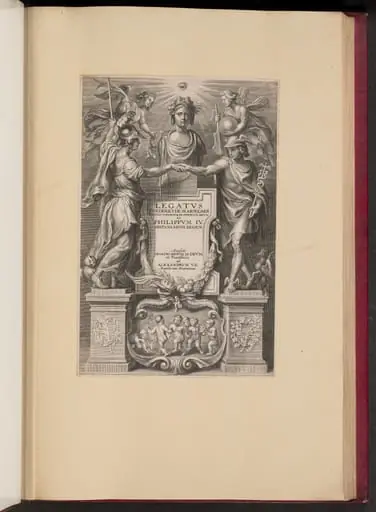 Title Page for Frederik de Marselaer, Legatvs