Artwork
L'Enlèvement d'Europe
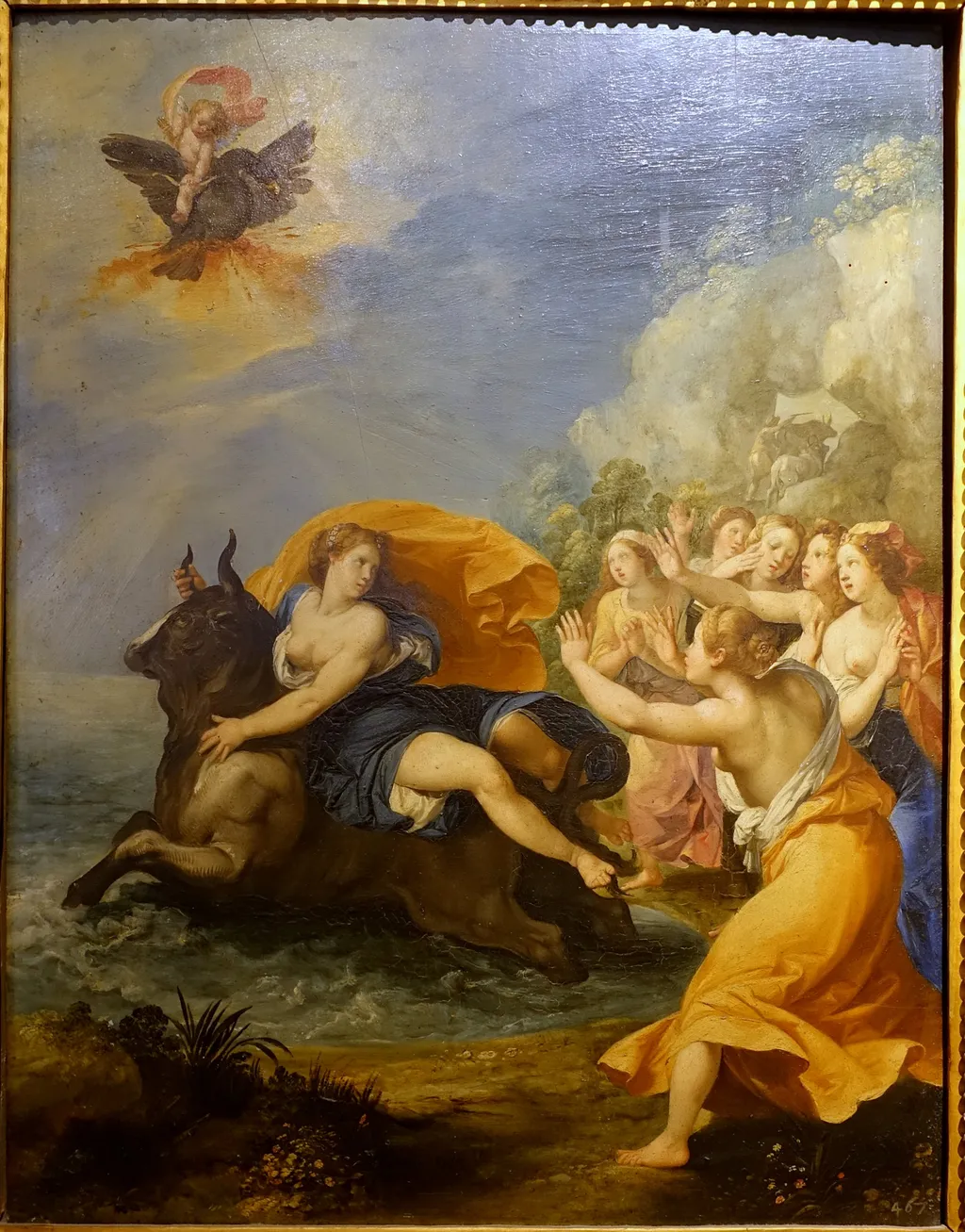
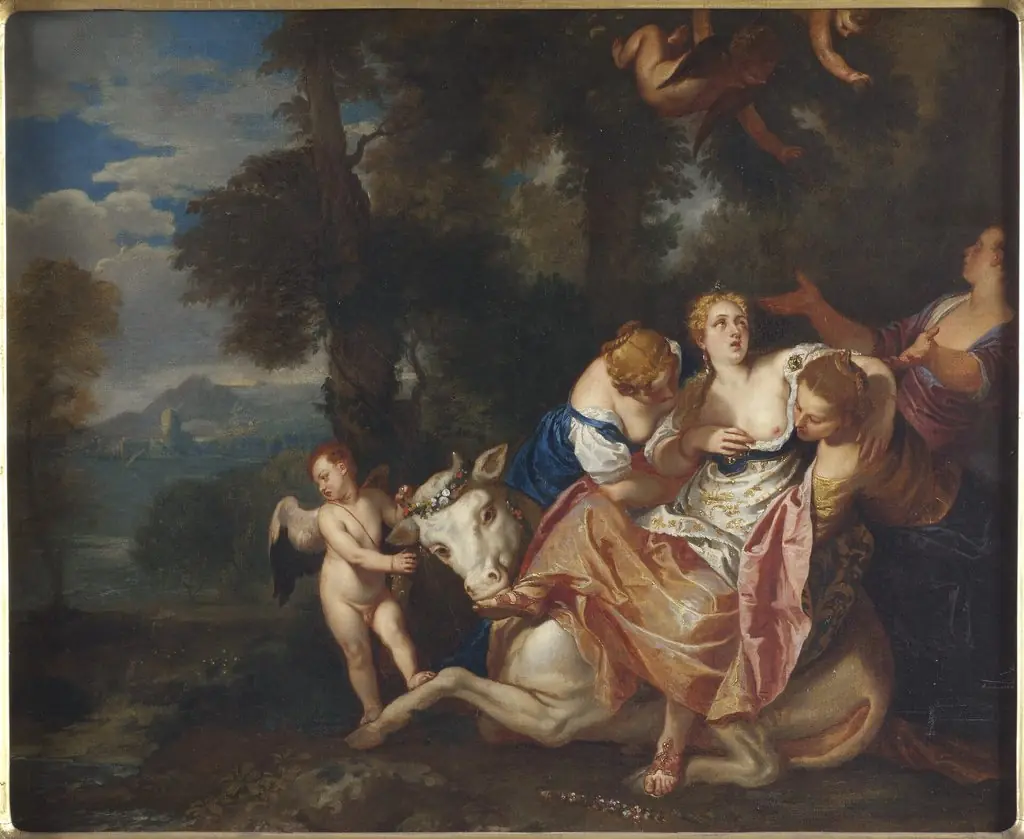
L'Enlèvement d'Europe is an oil painting by the Early Baroque Italian artist Giuseppe Cesari. It dates from 1603 and is held in the collection of the Galleria Borghese.
About this work
Overview
Giuseppe Cesari, an Italian painter active in the early 17th century, completed the oil painting *L'Enlèvement d'Europe* in 1603. Executed during the transition from Mannerism to early Baroque, the work is part of the collection of the Galleria Borghese in Rome.
Subject & Meaning
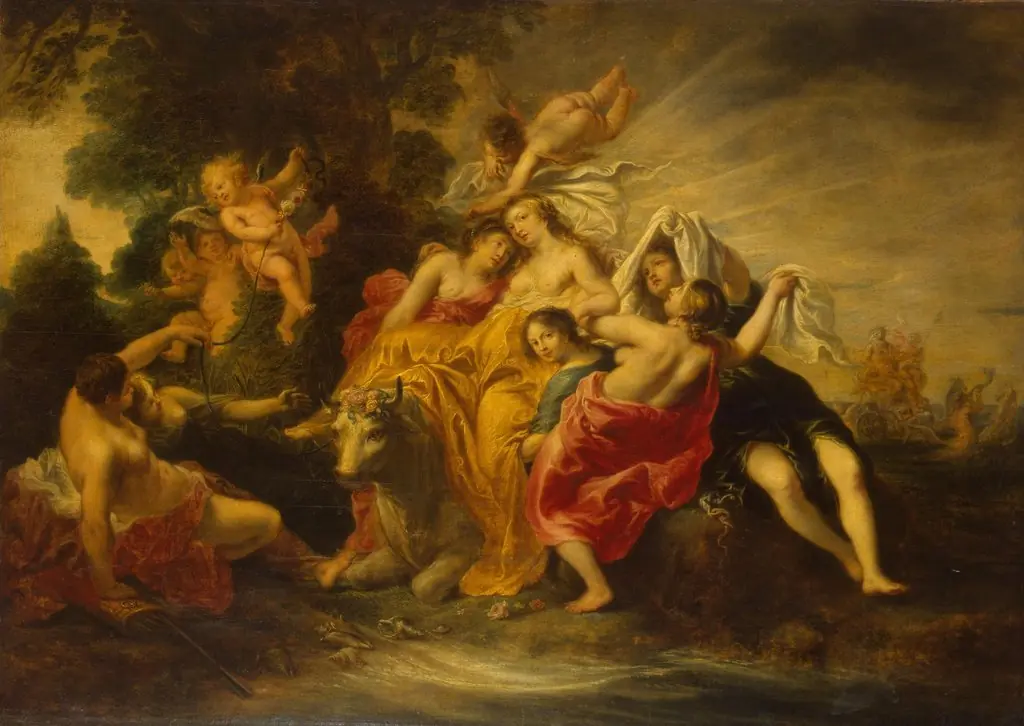
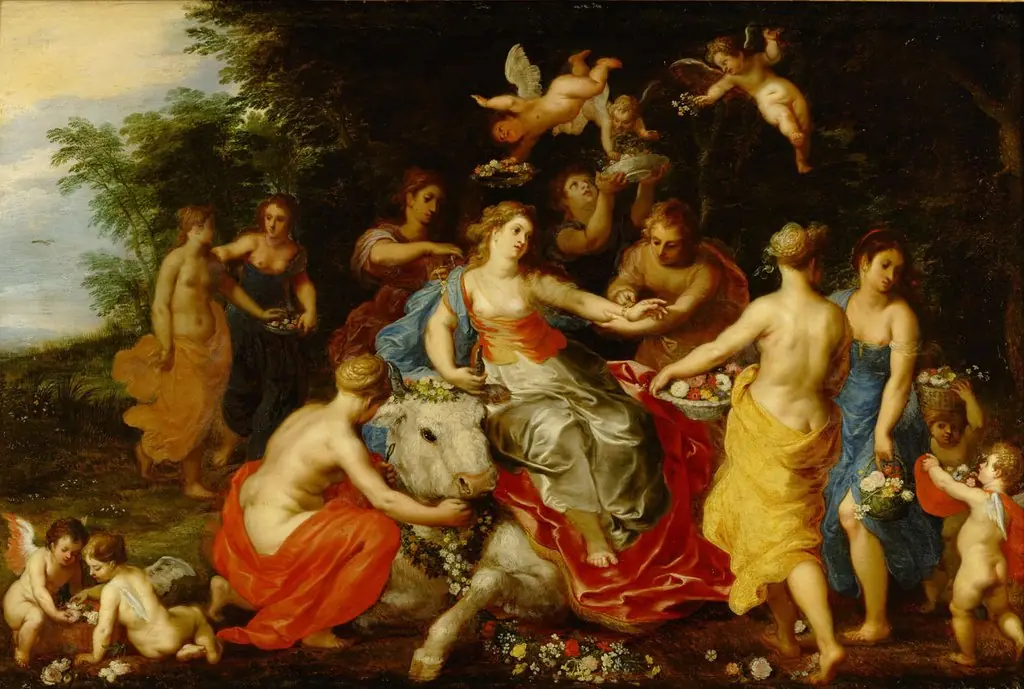
The canvas illustrates the classical myth in which Europa is seized by Zeus, who has taken the form of a bull. Europa is shown astride the animal, her garments fluttering as she leans forward, while a second female figure reaches toward her, suggesting the narrative’s dramatic tension.
Technique & Style
Cesari employs a vivid palette of blues, oranges, and yellows, combined with strong contrasts of light and shadow that hint at his interest in chiaroscuro. The composition is dynamic, with the bull and figures arranged diagonally, creating a sense of motion across the watery foreground.
History & Provenance
The artist, knighted by Pope Clement VIII and known as Il Giuseppino, was a leading figure in Roman artistic circles. His workshop later trained Caravaggio. *L'Enlèvement d'Europe* entered the Galleria Borghese collection, where it remains on public display.
Context
Created at a time when Roman patrons favored mythological subjects rendered with theatrical vigor, the painting reflects the early Baroque fascination with dramatic narrative and naturalistic detail, bridging the ornamental Mannerist tradition and the emerging realism of the 17th century.
Artist & collection
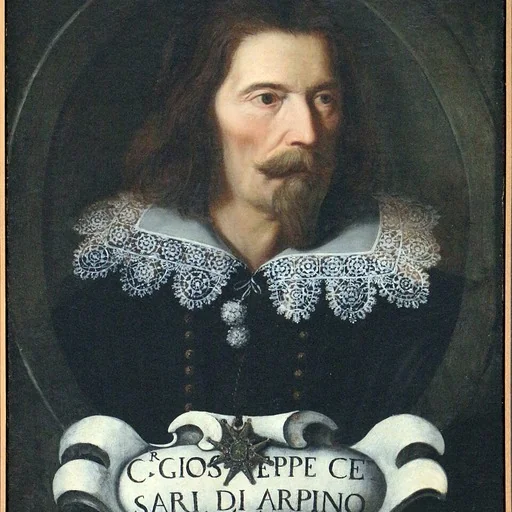
Artist
Giuseppe Cesari (14 February 1568 – 3 July 1640) was an Italian Mannerist painter, also named Il Giuseppino and called Cavaliere d'Arpino, because he was created Knight of the Supreme Order of Christ by his patron Pope Clement VIII.