Artwork
Turn-stone
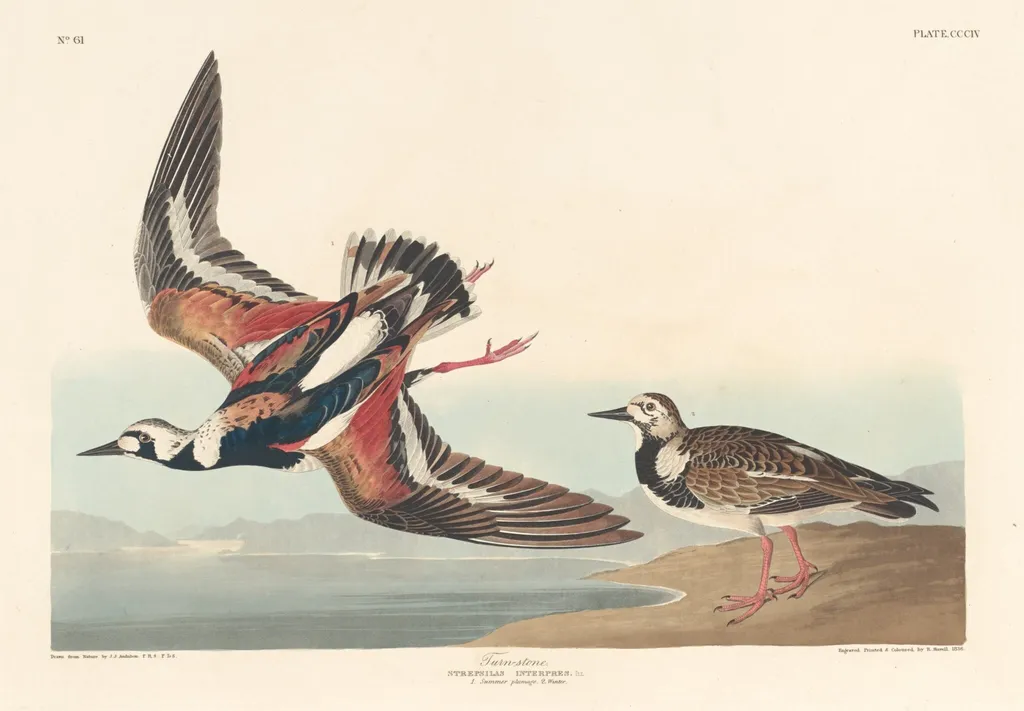
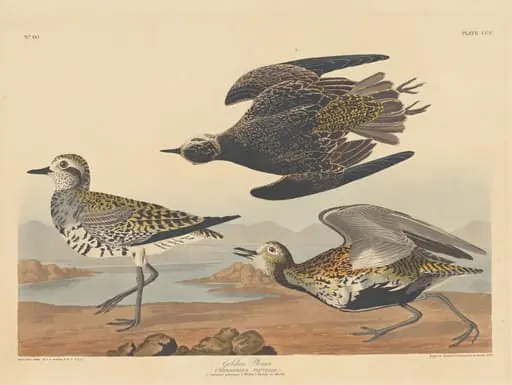
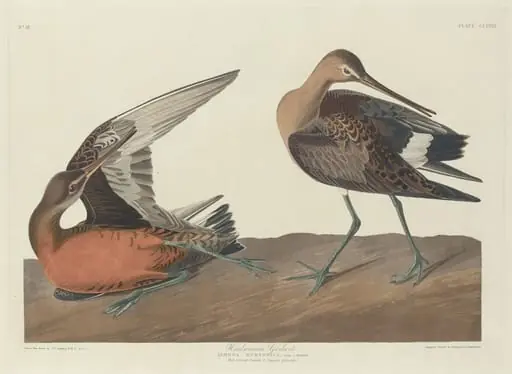
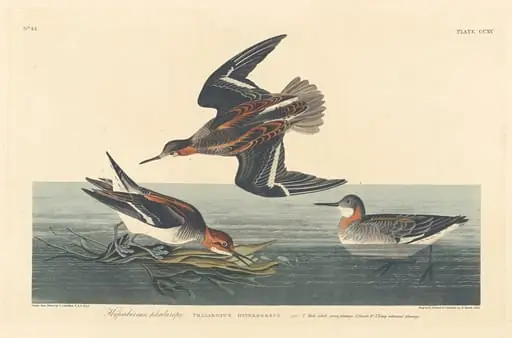
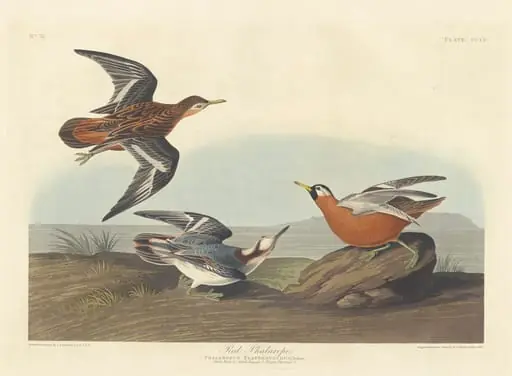
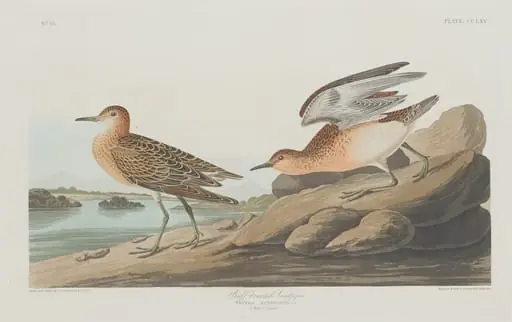
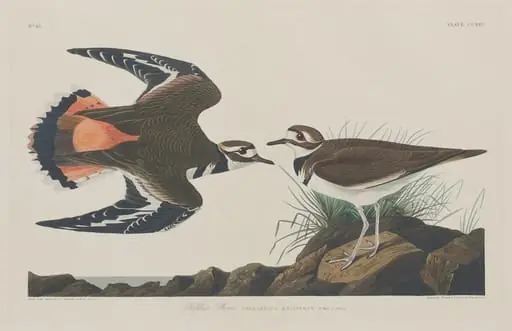
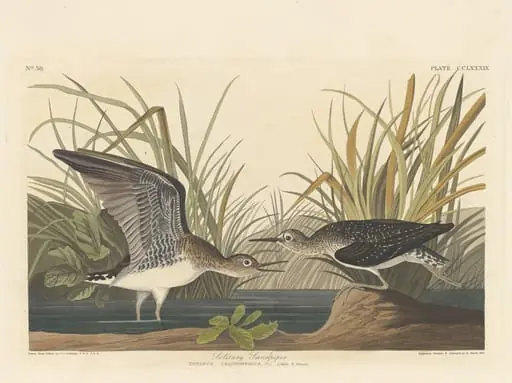
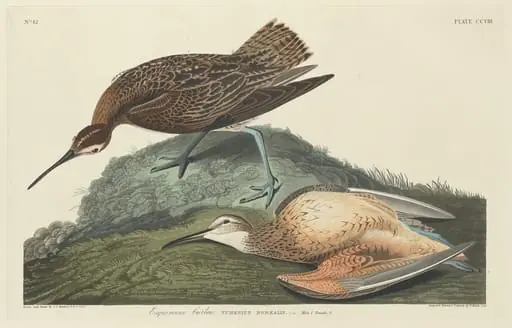
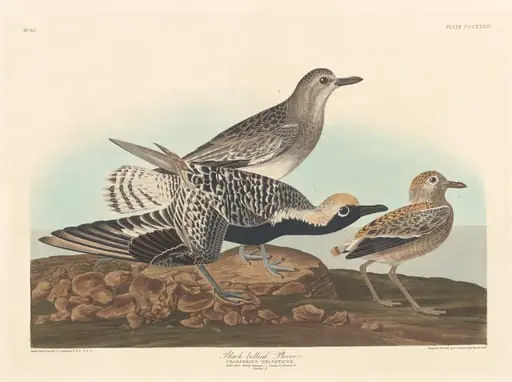
Turn-stone is an ink print by the Romanticist artist Robert Havell Jr.. It dates from 1836 and is held in the collection of the National Gallery of Art. Turn‑stone, executed in 1836, is a hand‑coloured print that combines engraving with aquatint on fine Whatman wove paper.
About this work
Overview
Turn‑stone, executed in 1836, is a hand‑coloured print that combines engraving with aquatint on fine Whatman wove paper. The image presents a natural landscape of rocks and water, rendered with a delicate balance of line and tone. The work exemplifies the meticulous craft of early‑nineteenth‑century printmaking, where colour was applied by hand after the plate had been printed.
Subject & Meaning
The composition depicts a rocky outcrop beside a flowing stream, suggesting a tranquil, perhaps contemplative, view of the countryside. While no explicit narrative accompanies the scene, the emphasis on texture and atmosphere invites viewers to consider the interplay of stone, water, and light, reflecting a modest reverence for the natural world.
Technique & Style
Havell employed a dual process: a fine engraving to delineate outlines, followed by aquatint to achieve broad, tonal washes. The aquatint, a method in which powdered resin is fused to a metal plate and then etched, allows for subtle gradations of colour. After printing, the artist applied hand‑colours, enhancing depth and realism while preserving the print’s original tonal structure.
History & Provenance
Turn‑stone likely originated as part of a series intended for illustration or private collection, though its early ownership records remain limited.
Created by Robert Havell Jr., a member of the distinguished Havell family of engravers, the print reflects the workshop’s long‑standing expertise in aquatint. The Havells, based in Reading, Berkshire, were known for their collaborations on natural history and travel publications. Turn‑stone likely originated as part of a series intended for illustration or private collection, though its early ownership records remain limited.
Context
The early 1830s saw a surge in interest in detailed landscape prints, driven by expanding travel literature and scientific illustration. The Havell workshop contributed to this trend, applying their technical skill to both British and Indian subjects. Turn‑stone, while modest in scale, demonstrates the period’s convergence of artistic craftsmanship and the growing demand for reproducible, coloured images.
Artist & collection

Artist
The Havell family of Reading, Berkshire, England, included a number of notable engravers, etchers and painters, as well as writers, publishers, educators, and musicians.