Artwork
The Holy Family Returns from Egypt
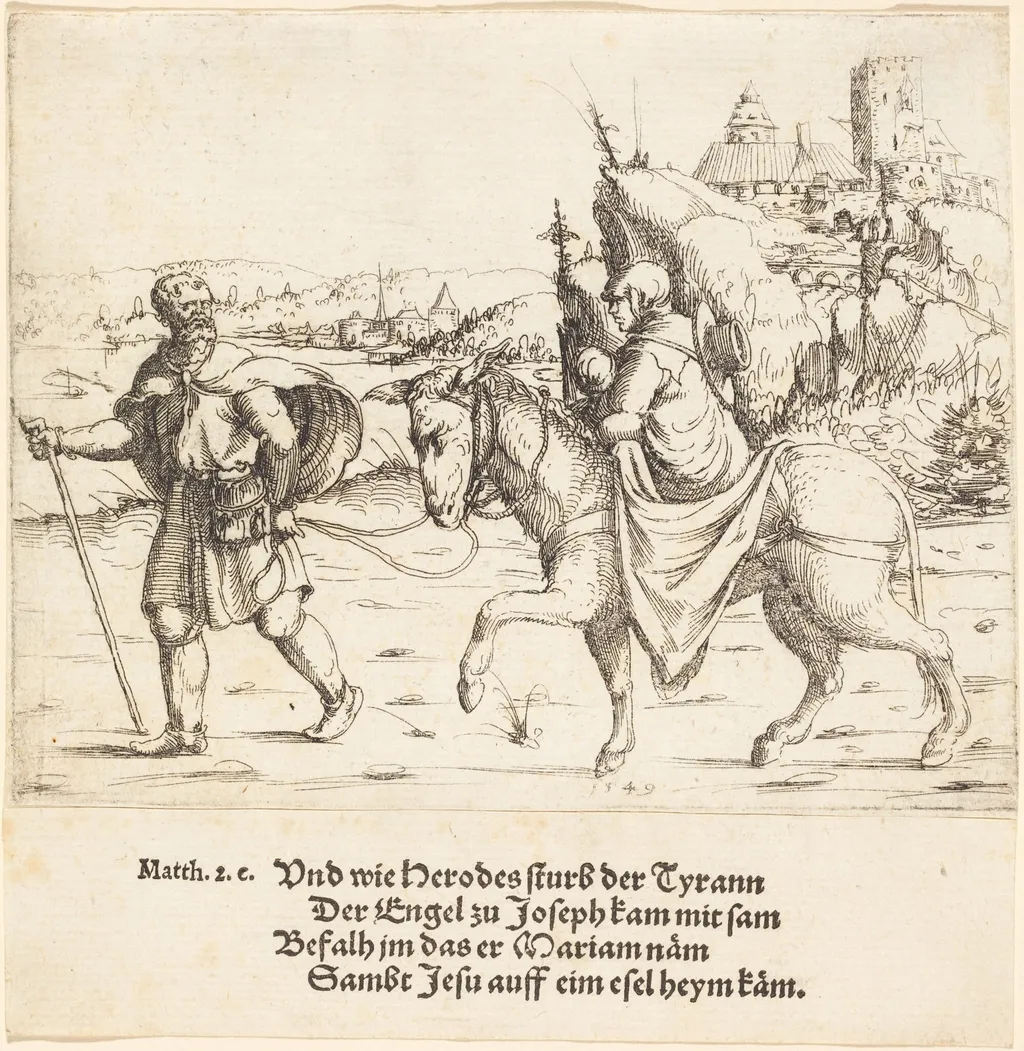
The Holy Family Returns from Egypt is an ink print by the Renaissance artist Augustin Hirschvogel. It dates from 1549 and is held in the collection of the National Gallery of Art.
About this work
Overview
Hirschvogel, known for his precise small-scale landscapes, produced this work during a concentrated period of printmaking between 1545 and 1549.
Created in 1549 by the German artist Augustin Hirschvogel, this etching portrays the Holy Family’s journey back from Egypt. Hirschvogel, known for his precise small-scale landscapes, produced this work during a concentrated period of printmaking between 1545 and 1549. The piece belongs to a series of thirty-five etchings that reflect his interest in naturalistic detail and spatial composition, aligning him with the Danube School’s stylistic tendencies.
Subject & Meaning
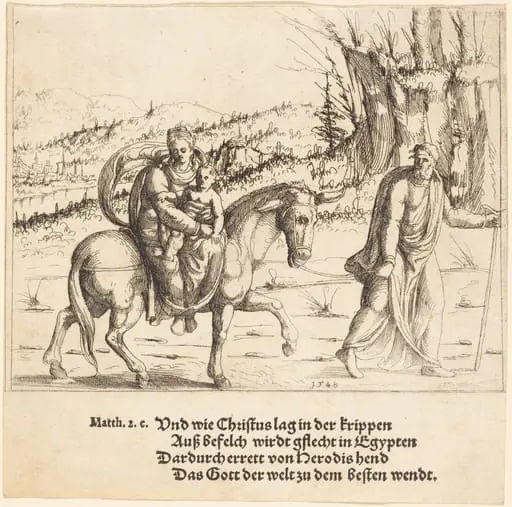
The scene illustrates the biblical narrative of the Holy Family’s return from exile, a moment of quiet transition after their flight from Herod’s persecution. A man leads a donkey carrying Mary and the infant Jesus toward a distant settlement, its dome-like structure suggesting a city. The simplicity of the figures and landscape conveys humility and resolve, emphasizing spiritual endurance over dramatic spectacle.
Technique & Style
Hirschvogel employed etching, a method in which lines are incised into a metal plate with acid, then inked and pressed onto paper. His lines are deliberate yet fluid, using varied weight and hatching to suggest form and depth. The background is minimally rendered, with soft shading and sparse architectural elements, allowing the figures to anchor the composition while retaining a sense of open space.
History & Provenance
The etching was made during Hirschvogel’s most active period as a printmaker, shortly before his death in 1553. While specific early ownership records are sparse, the work aligns with the broader circulation of religious prints in 16th-century German-speaking regions. Its survival reflects the demand for devotional imagery among both clergy and private collectors of the era.
Context
Hirschvogel’s work emerged amid the Protestant Reformation, when religious imagery was being reevaluated across Europe. Though Catholic subjects persisted in print, artists increasingly favored intimate, contemplative scenes over grand altarpieces. His etchings, including this one, catered to private devotion, blending biblical narrative with the emerging interest in landscape as a meaningful backdrop.
Legacy
Hirschvogel’s etchings, though not widely celebrated in his lifetime, contributed to the development of Northern Renaissance printmaking by integrating cartographic precision with lyrical composition. His restrained approach to religious subjects influenced later generations of German draftsmen, particularly those interested in the relationship between human figures and the natural world.
Artist & collection
Artist
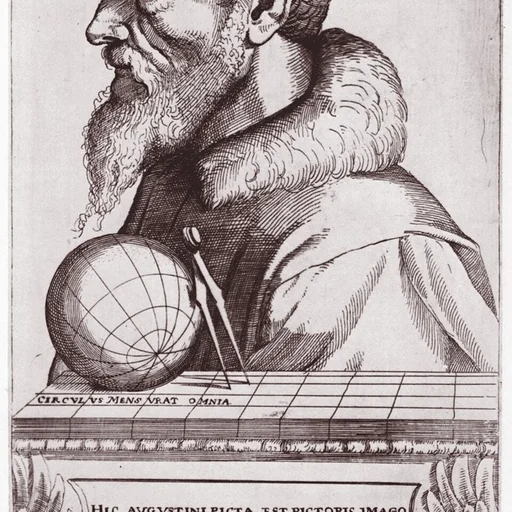
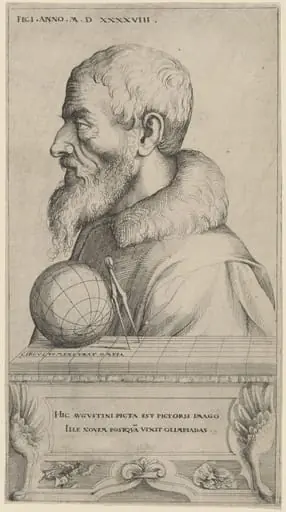
Augustin Hirschvogel (1503 – February 1553) was a German artist, mathematician, and cartographer known primarily for his etchings.

 The Flight into Egypt
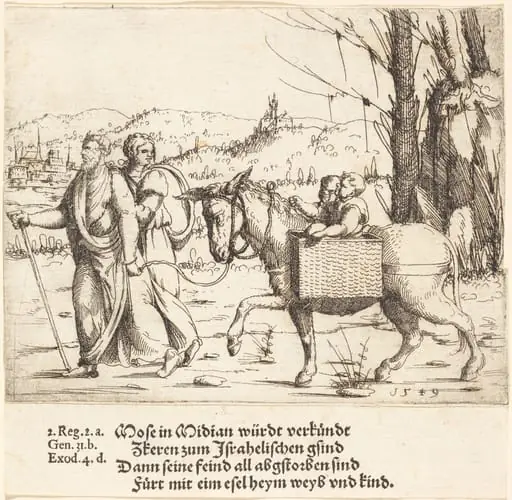 Moses Returns to Egypt from Midian
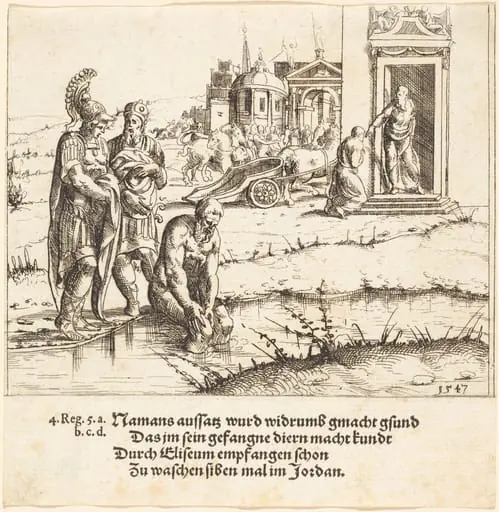 Naaman is Cured of Leprosy
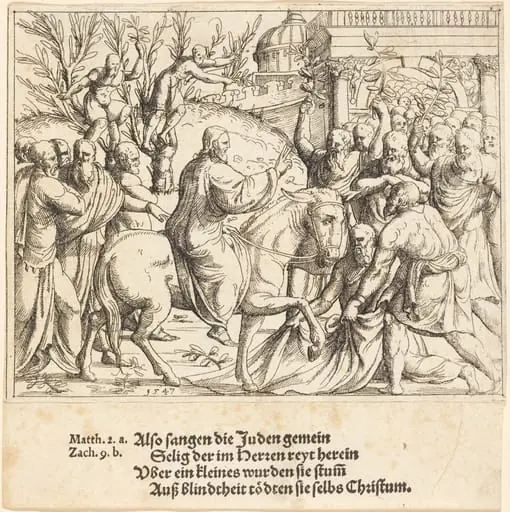 The Entry into Jerusalem
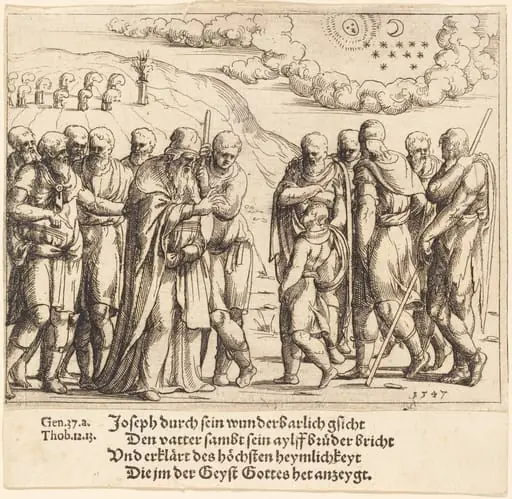 Joseph Recounts His Dreams
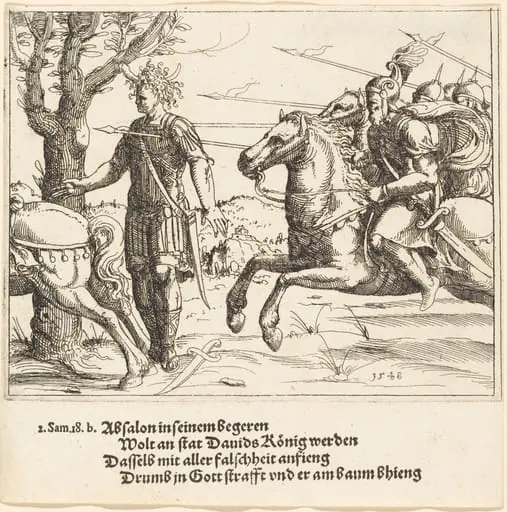 Absalom Slain by Joab
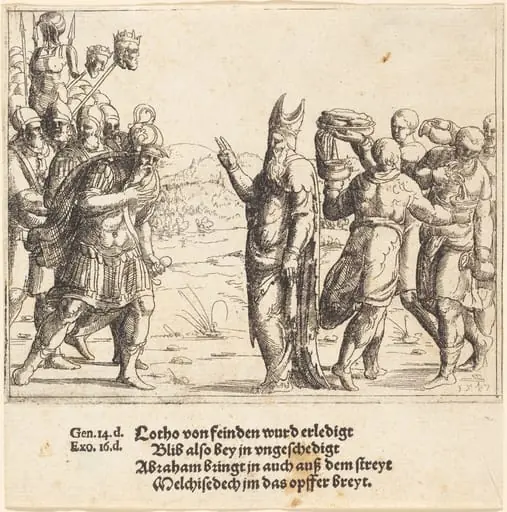 Melchizedek with Bread and Wine
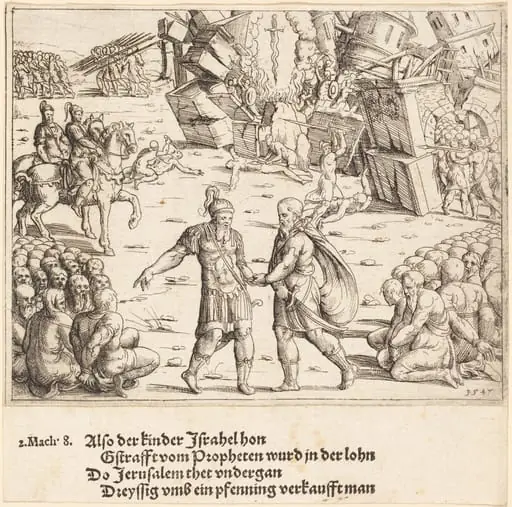 The Victory of Judas Maccabeus Over Niccanor
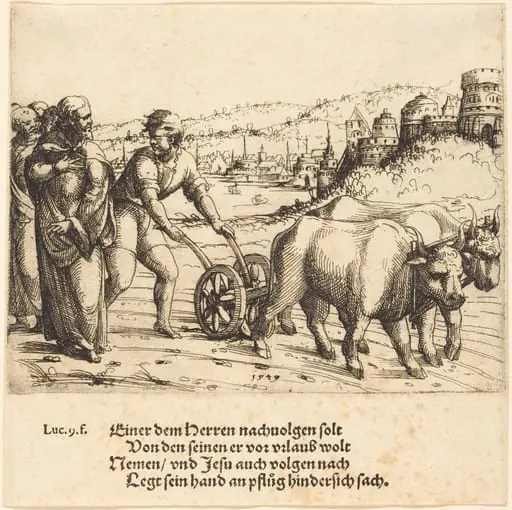 No One Who Puts His Hand on the Plow and Looks Back ia a Follower of Christ
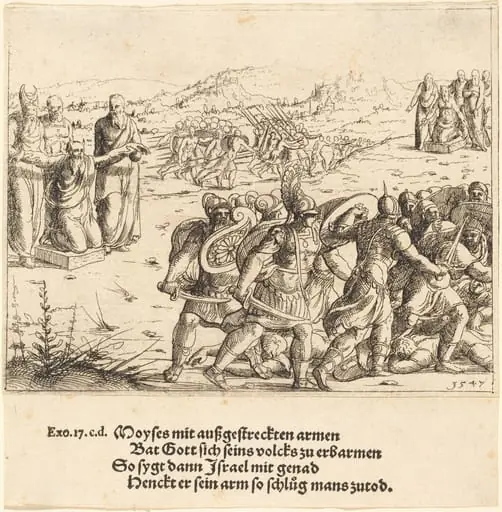 Moses with Outstretched Arms
 Lansquenet
 The Triumph of Tobias