Artwork
Taxali Darwaza, Lahore
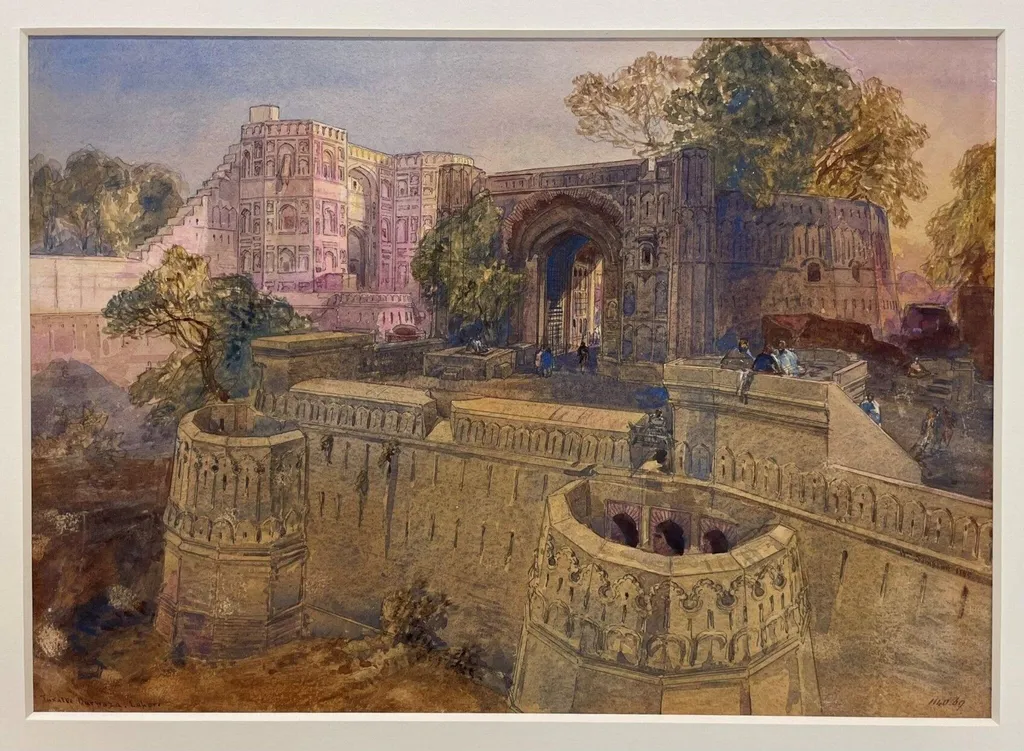
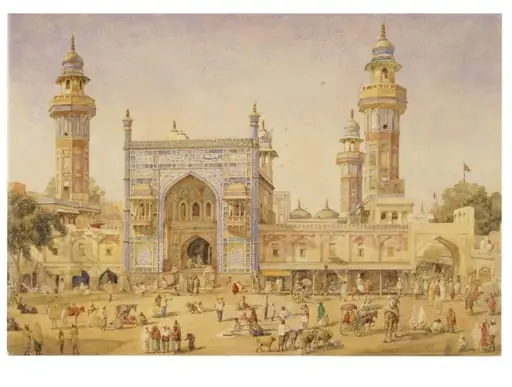
Taxali Darwaza, Lahore is a paint painting by the Impressionist artist William Simpson. It dates from 1865 and is held in the collection of the Victoria and Albert Museum. The work depicts the Taxali Darwaza, an arched gateway that once stood in the Lahore Fort.
About this work
Overview
The work depicts the Taxali Darwaza, an arched gateway that once stood in the Lahore Fort. Executed in watercolour by British artist William Simpson, the painting was completed in 1865 after his travels in India and subsequent work in London. It presents a richly coloured view of the gate, which was historically linked to the royal mint of the Mughal period.
Subject & Meaning
The gate illustrated was one of twelve entrances to the fortified Lahore Fort, named for its proximity to the mint that produced coinage under Muslim rule. By focusing on this architectural element, Simpson highlights the blend of military and economic functions that defined the fort’s role in the Mughal empire.
Technique & Style
Simpson employed rapid pencil sketches made on site as the basis for his watercolour composition, a method typical of his documentary approach. The finished painting combines precise architectural detail with a romantic palette, emphasizing the texture of stone and the play of light across the arch.
History & Provenance
Commissioned by the London lithography firm Day and Sons, Simpson traveled to India in 1859, documenting sites associated with the 1857 Indian Rebellion. After returning to London in 1862, he transformed his field sketches into a series of watercolours, including the Taxali Darwaza, which was later incorporated into the firm’s published works.
Context
The Lahore Fort was extensively rebuilt by Emperor Akbar after he moved his capital from Fatehpur Sikri to Lahore in 1586. During Akbar’s reign the fort became a central hub of imperial administration, and its walls were punctuated by twelve gates, of which Taxali Darwaza was a notable example.
Legacy
Although the original gate and the associated royal mint no longer survive, Simpson’s watercolour remains an important visual record of the structure’s appearance in the mid‑19th century, offering scholars a reference for the fort’s architectural history.
Artist & collection


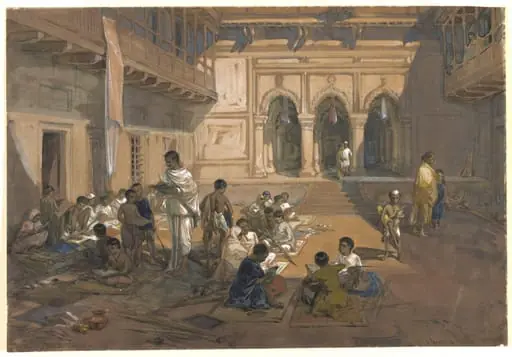
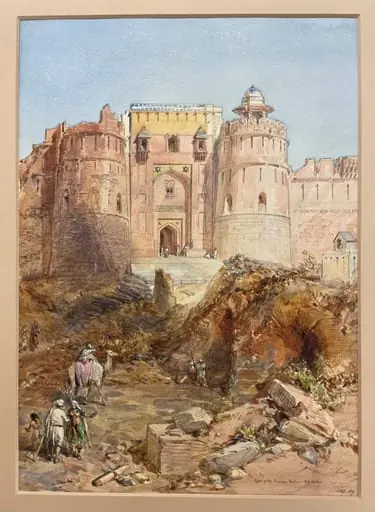 Gate of Purana Qila, Old Delhi
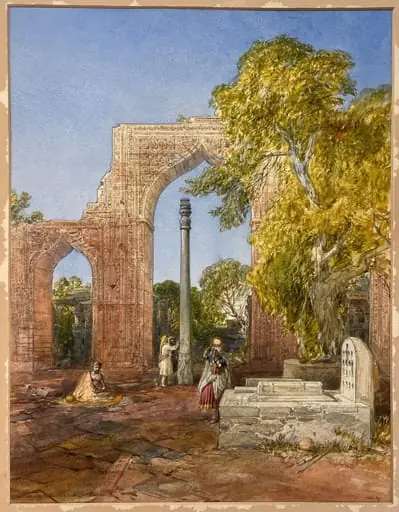 Iron Laht at the Kootub, Old Delhi
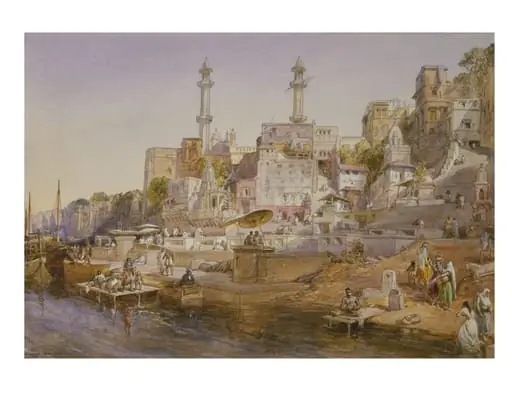 The Mosque of Aurangzeb and Panchganga Ghat from the Ganges, Benares.
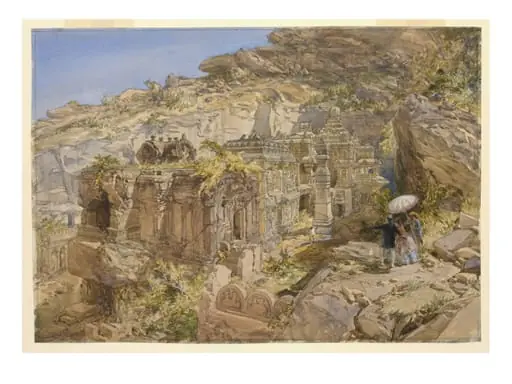 Kailasanatha temple, Ellora
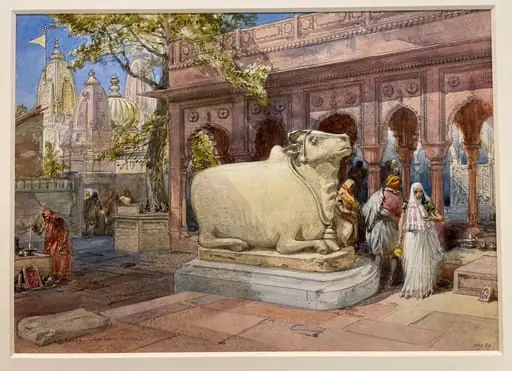 The Bull Nandi in the courtyard of the Golden Temple, Benares
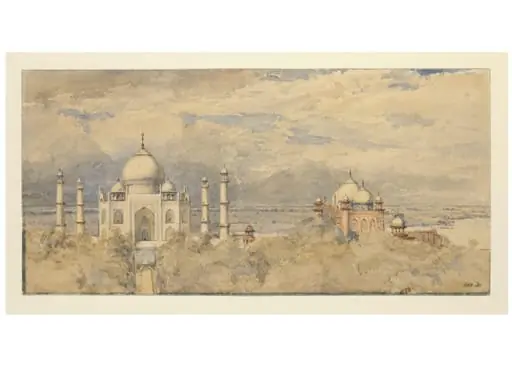 The Taj Mahal
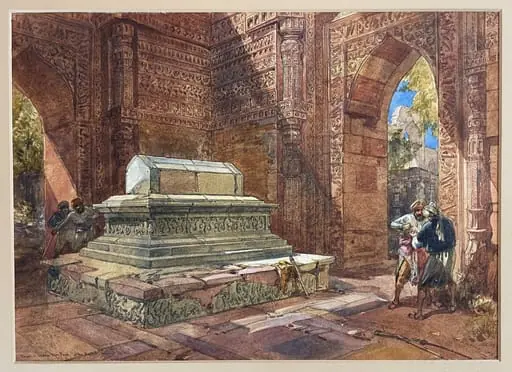 Tomb of Shams ud-Din Iltutmish at the Qutub Minar, Delhi
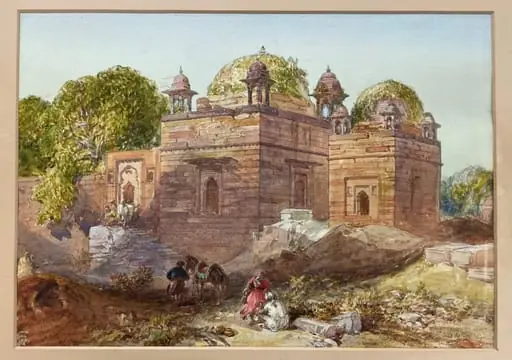
 'The Musjid of Wazeer Ali Khan, Lahore, Panjab'