Artwork
Il Greco in Troia: Plate 4
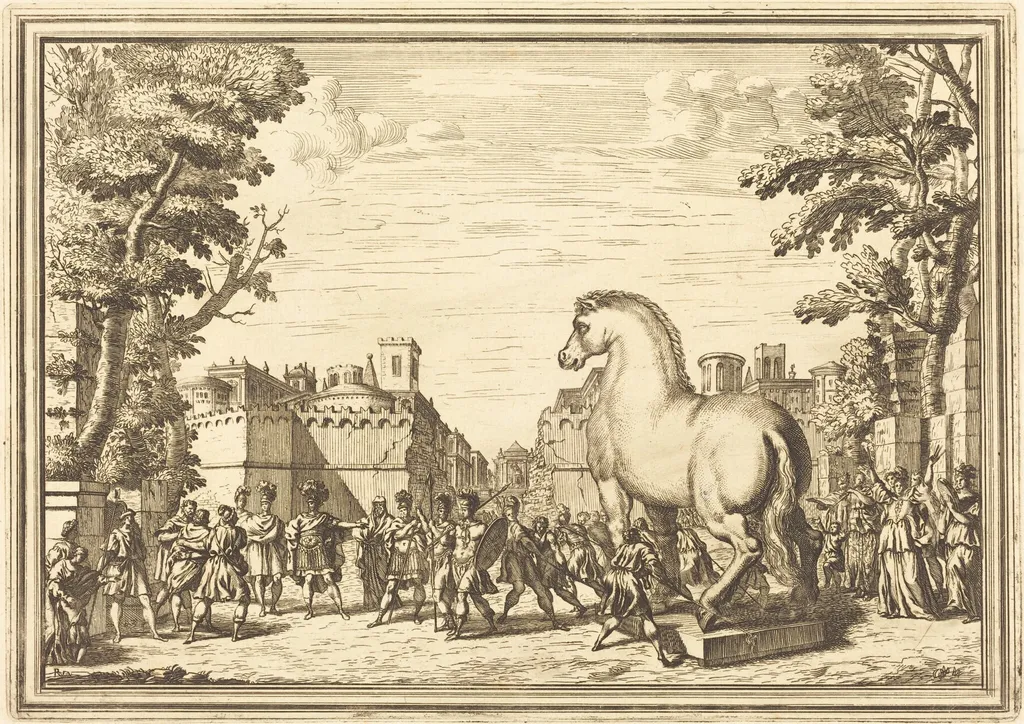
Il Greco in Troia: Plate 4 is an ink print by the Baroque artist Arnold von Westerhout. It dates from 1688 and is held in the collection of the National Gallery of Art.
About this work
Overview
Il Greco in Troia: Plate 4 is a 1688 print by Arnold von Westerhout, executed in etching and engraving on laid paper, represented here by a restrike.
Subject & Meaning
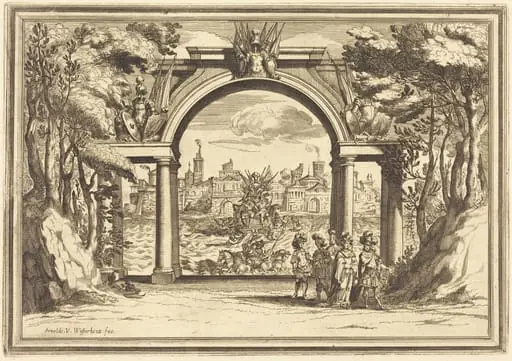
The print depicts a pivotal scene of deception: a giant wooden horse stands before a walled, classical city, surrounded by a crowd of people engaged in either its construction or inspection, hinting at the legendary Trojan Horse story.
Technique & Style
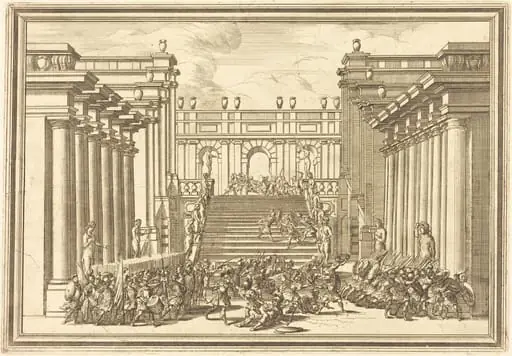
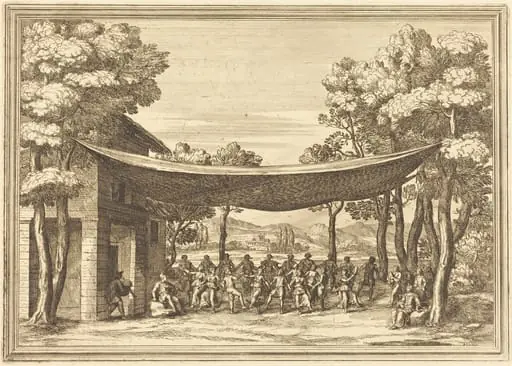
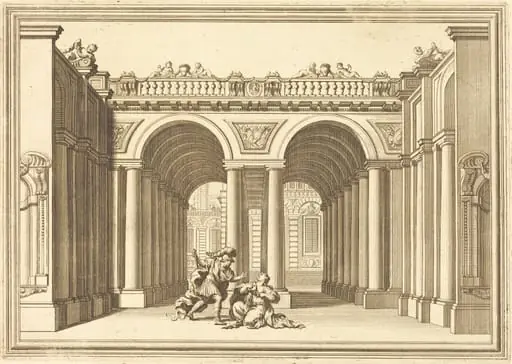
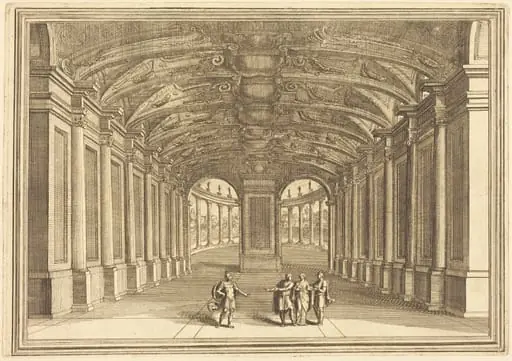
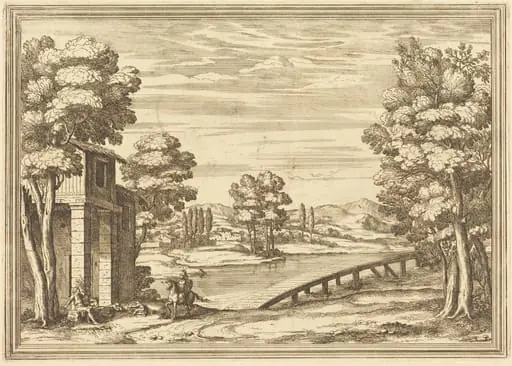
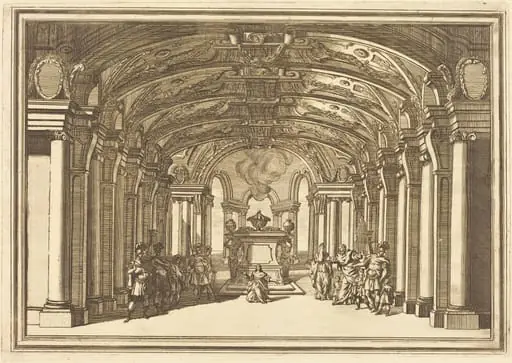
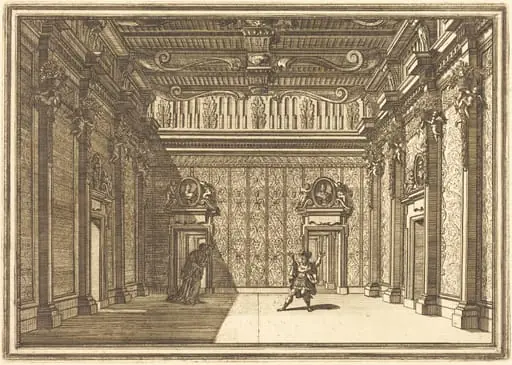
Westerhout utilized the combined techniques of etching and engraving to achieve detailed, textured renderings of the wooden horse, the bustling crowd, and the architectural backdrop of trees, columned buildings, and a tower.
History & Provenance
Created in 1688, this work is part of a series titled 'Il Greco in Troia'. The present example is a restrike, indicating it was printed from the original plates at a later time than the initial run.
Context
The scene draws from ancient Greek legend, specifically the Trojan War, as narrated in sources like Virgil's Aeneid. The artistic interpretation reflects Baroque interests in dramatic, historically rooted subjects.
Legacy
As a detailed Baroque print, 'Il Greco in Troia: Plate 4' contributes to the visual legacy of the Trojan Horse myth, offering insight into 17th-century artistic engagement with classical themes.
Artist & collection


![The Dioscuri [Dorsal View], by Italian 16th Century](https://artifactworldgallery.com/img/italian-16th-century--the-dioscuri-dorsal-view--85eaf25b17a4dcfe-w320.webp)