Artwork
Tropic Bird
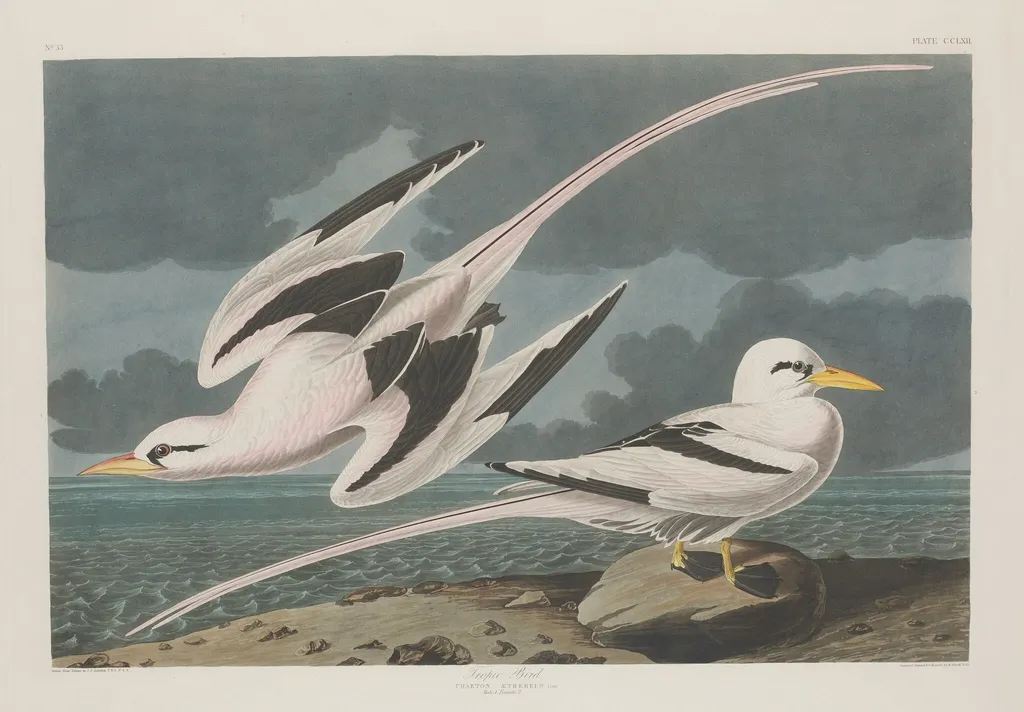
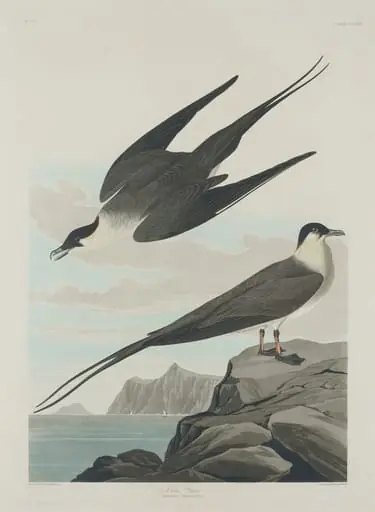
Tropic Bird is an ink print by the Romanticist artist Robert Havell Jr.. It dates from 1835 and is held in the collection of the National Gallery of Art.
About this work
Overview
It belongs to a series of ornithological prints produced during a period when detailed natural history imagery was in demand.
Created in 1835 by Robert Havell Jr., *Tropic Bird* is a hand-colored engraving and aquatint on Whatman wove paper. It belongs to a series of ornithological prints produced during a period when detailed natural history imagery was in demand. The Havell family, known for their technical skill in printmaking, applied their expertise in aquatint to achieve subtle tonal gradations, enhancing the lifelike quality of the subject.
Subject & Meaning
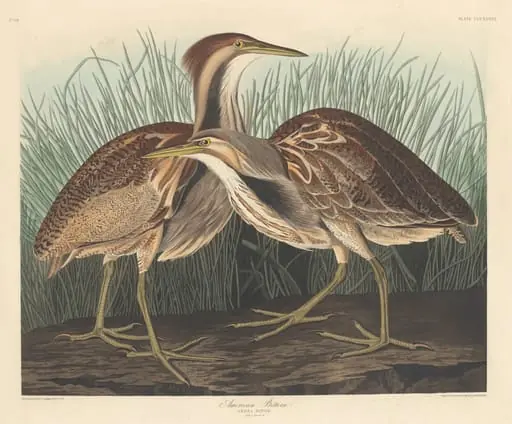
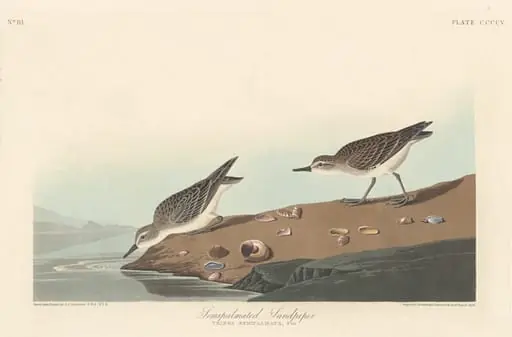
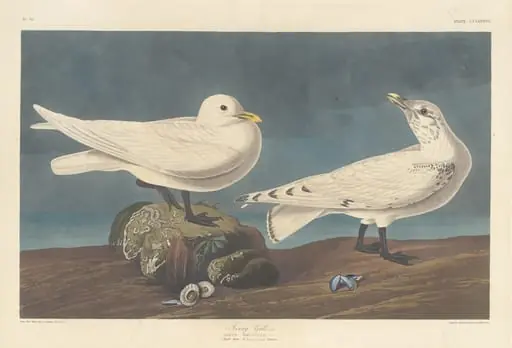
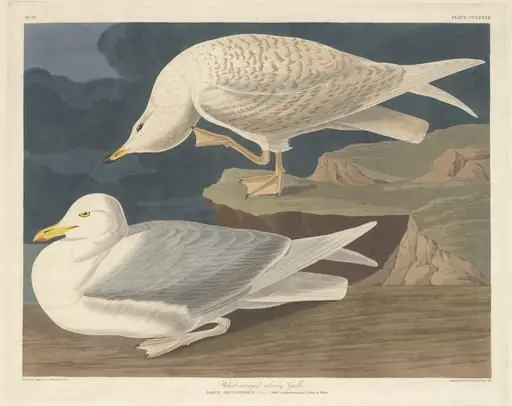
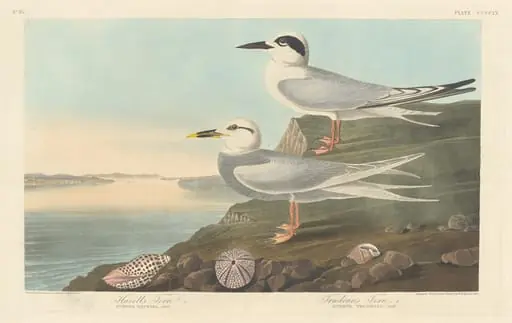
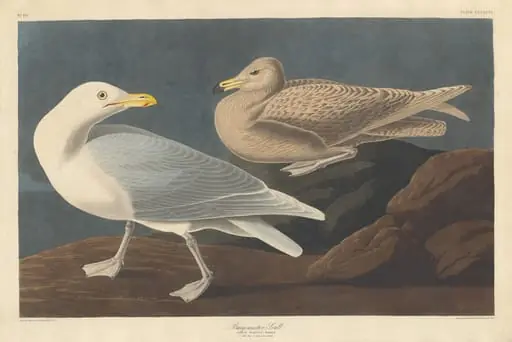
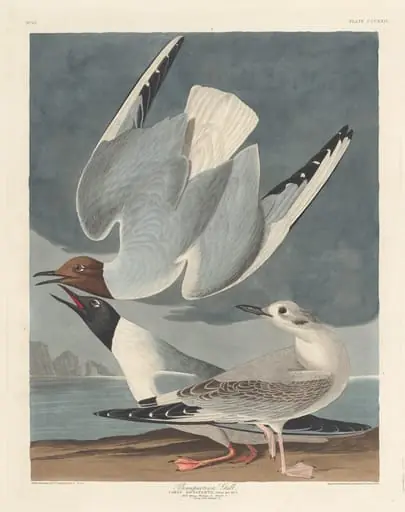
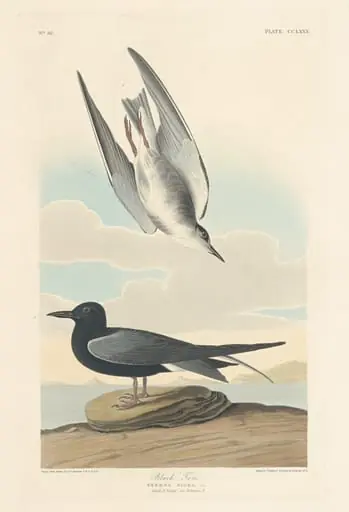
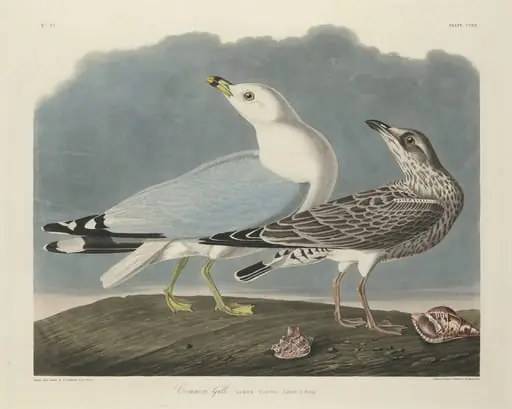
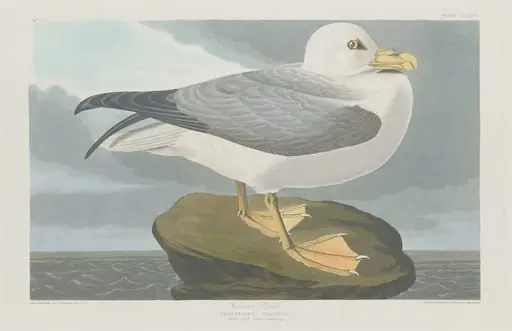
The print portrays two tropical birds—one in flight, the other perched on a rocky outcrop—against a backdrop of undulating water and a soft, clouded sky. Their white plumage, marked with dark accents, yellow beaks, and dark eyes, are rendered with careful attention to anatomical detail. The composition suggests movement and natural harmony, reflecting an interest in the vitality of wild creatures rather than symbolic or allegorical meaning.
Technique & Style
Havell employed aquatint to achieve delicate atmospheric effects in the sky and water, while fine engraving lines defined the birds’ feathers and contours. Hand-coloring was applied with precision to match observed natural hues, avoiding exaggeration. The technique reflects the Havell family’s commitment to scientific accuracy within an aesthetic framework that valued clarity, balance, and naturalistic detail.
History & Provenance
Robert Havell Jr. worked within a family tradition of printmaking, continuing the legacy of his father, Robert Havell the Elder, and uncle, Luke Havell. Their workshop produced illustrations for major natural history publications, including Audubon’s *Birds of America*. *Tropic Bird* likely originated as part of a larger project documenting avian species, though its exact publication context remains unconfirmed.
Context
In the 1830s, European interest in global biodiversity surged alongside colonial exploration. Natural history prints like this one served both scientific and public audiences, bridging empirical study with visual appeal. While influenced by Romantic ideals of nature’s grandeur, Havell’s approach remained grounded in observation rather than emotional dramatization, distinguishing it from more theatrical interpretations of the era.
Legacy
The Havell family’s prints set a standard for ornithological illustration in the 19th century, combining technical mastery with fidelity to nature. *Tropic Bird* exemplifies their contribution to the visual documentation of wildlife, influencing later naturalist illustrators. Though not widely exhibited today, such works remain important records of how natural history was communicated through print before the advent of photography.
Artist & collection

Artist
The Havell family of Reading, Berkshire, England, included a number of notable engravers, etchers and painters, as well as writers, publishers, educators, and musicians.