Subject
Biblical Magi
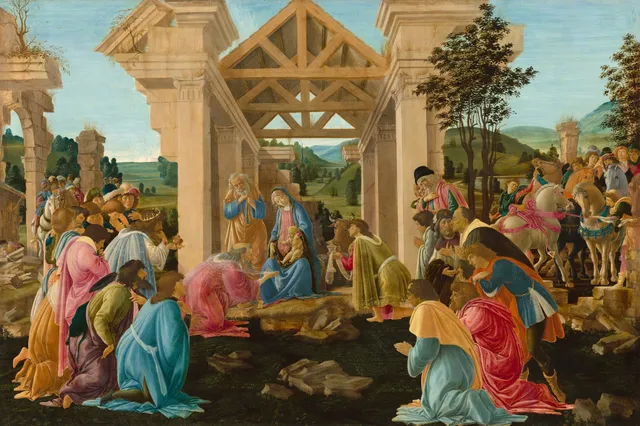
Biblical Magi is a subject in art. The gallery holds 155 works in this subject in art, including works by Titian, Paolo Veronese and Edgar Degas.
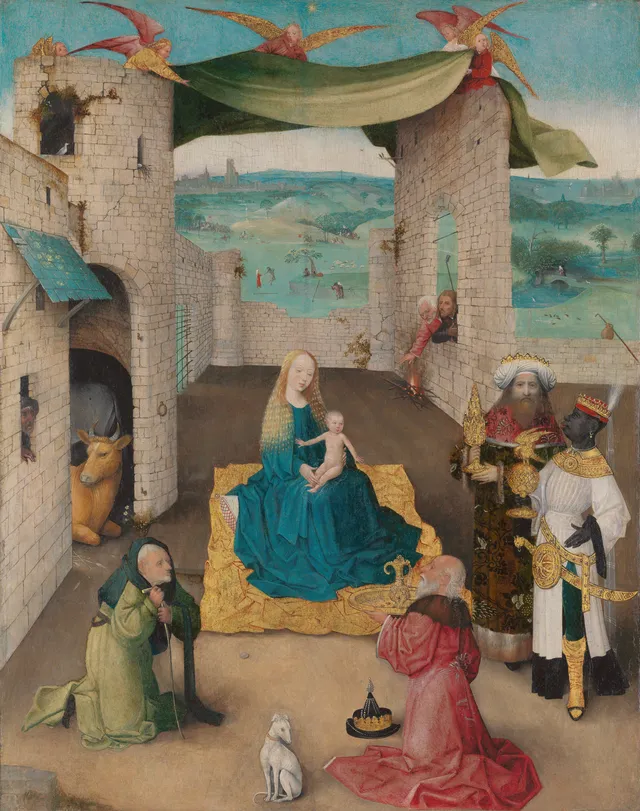
In Christianity, the Biblical Magi ( MAY-jy or MAJ-eye; singular: magus), also known as the Three Wise Men, Three Kings, and Three Magi, are distinguished foreigners who visit Jesus after his birth, bearing gifts of gold, frankincense, and myrrh. In Western Christianity, they are commemorated on the feast day of Epiphany—sometimes called "Three Kings Day"—and commonly appear in the nativity celebrations of Christmas; in Eastern Christianity, they are commemorated on Christmas day.
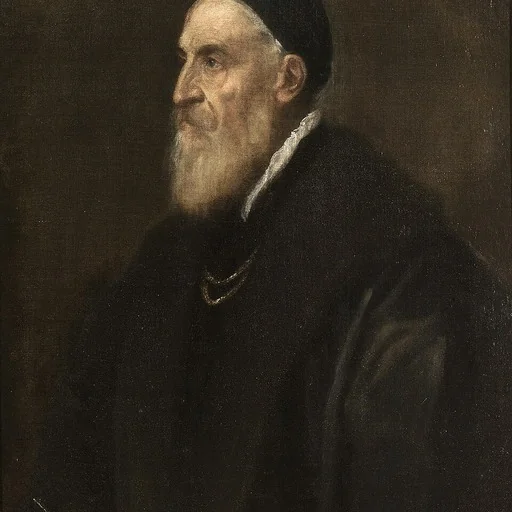
Key artists
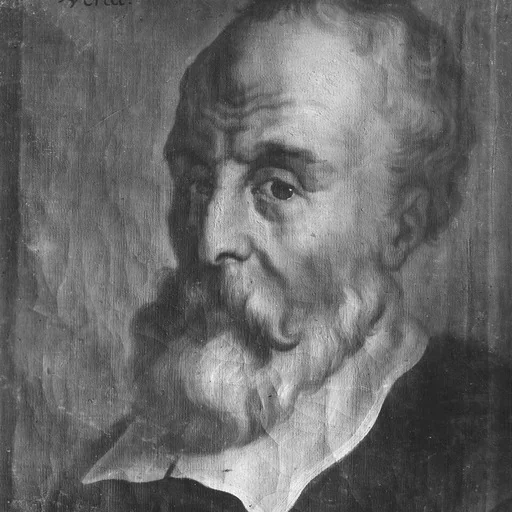
Works
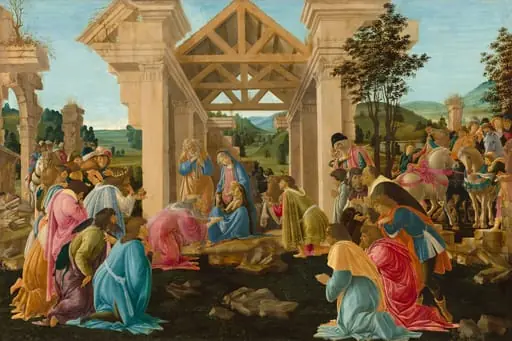 The Adoration of the Magi
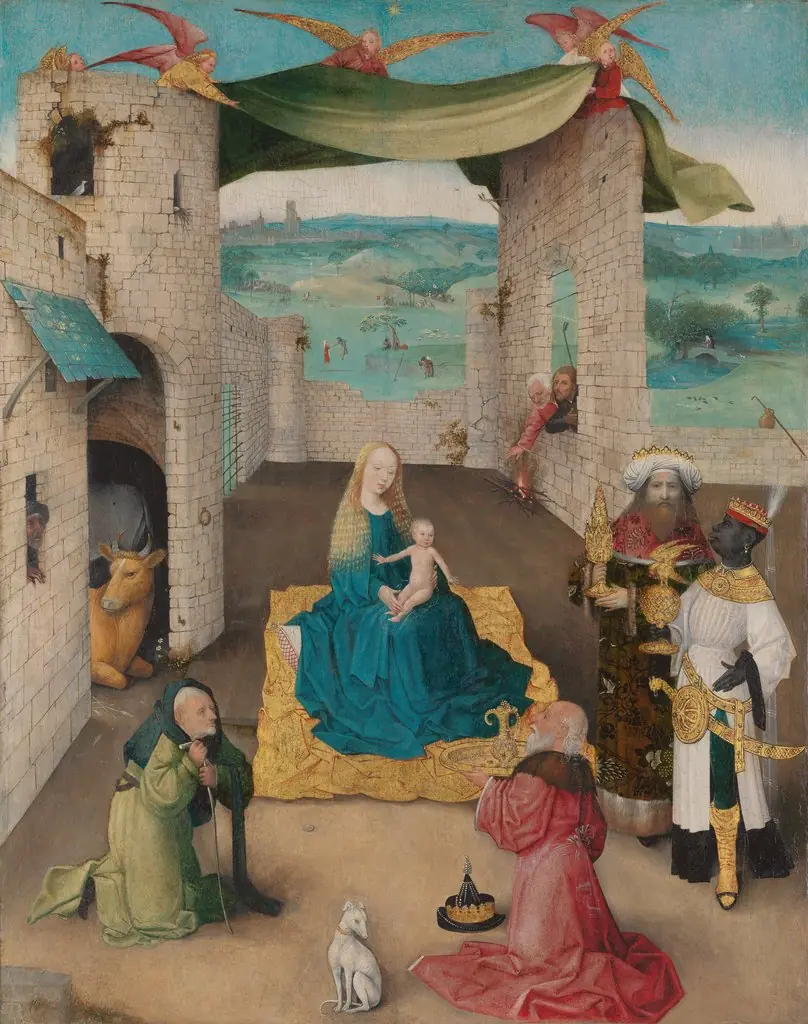 The Adoration of the Magi
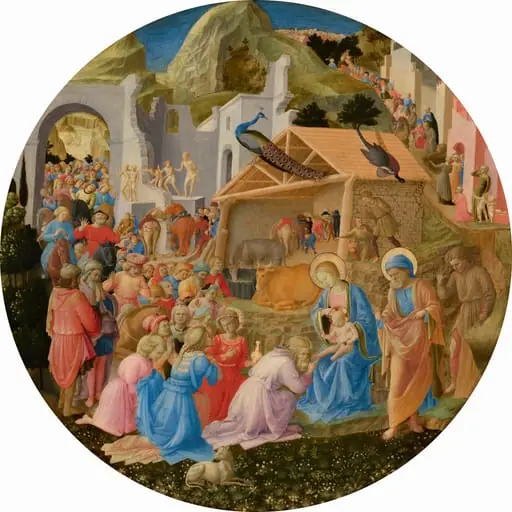 The Adoration of the Magi
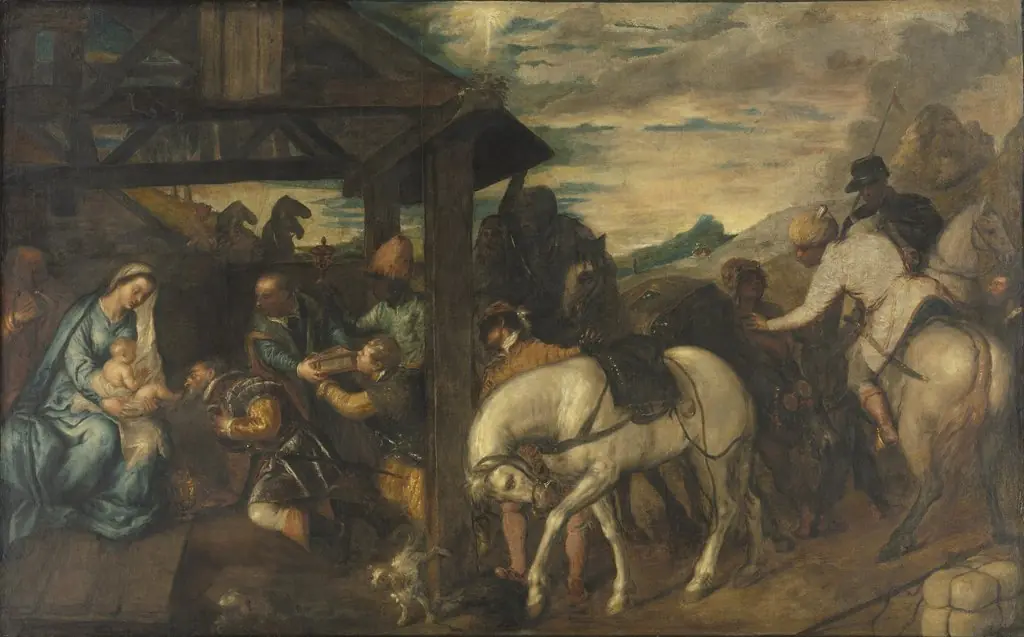 Adoration of the Magi
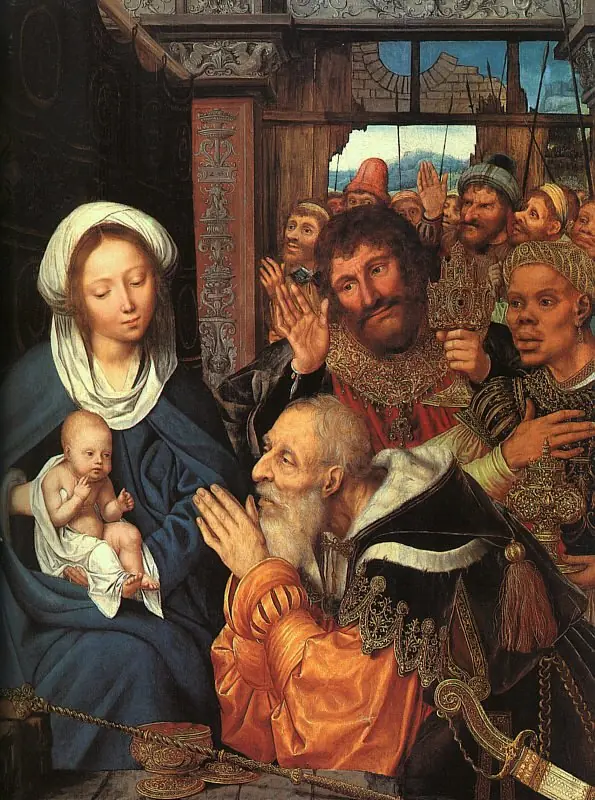 The Adoration of the Magi
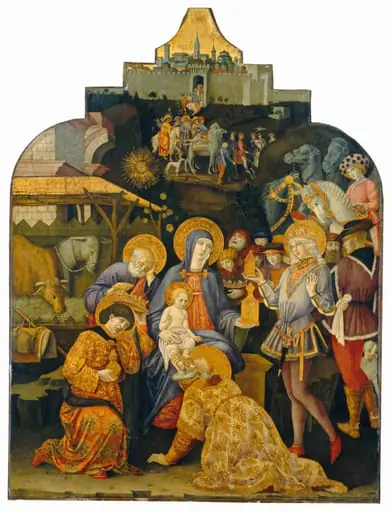 The Adoration of the Magi
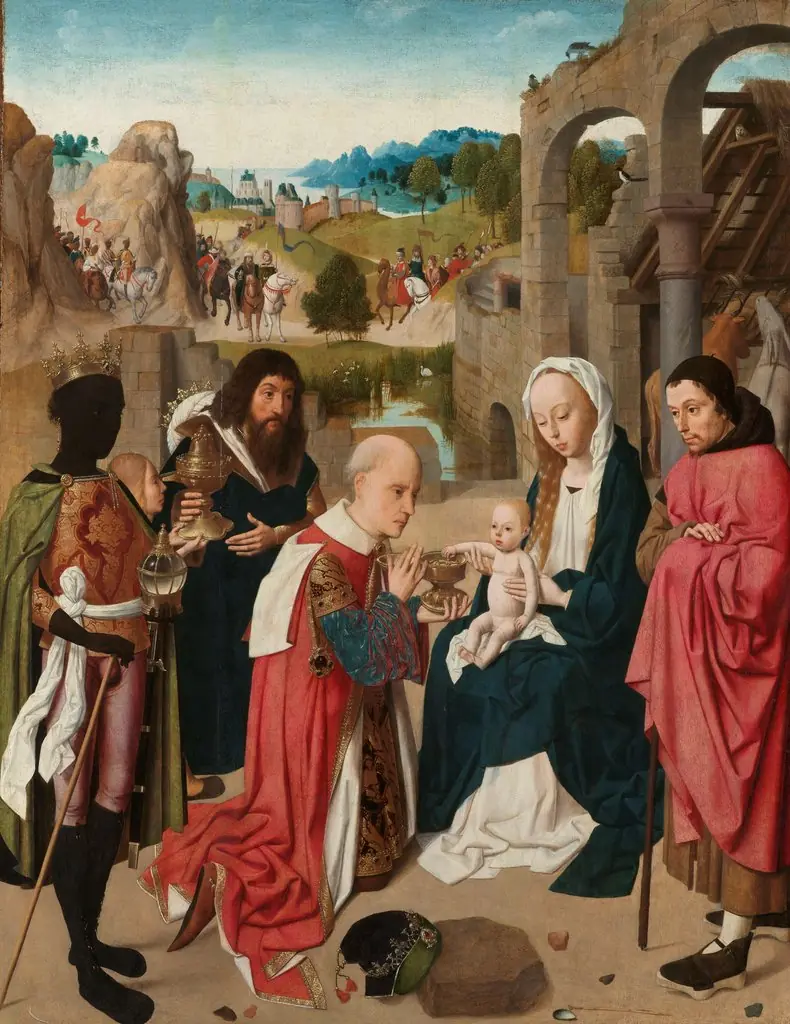 The Adoration of the Magi
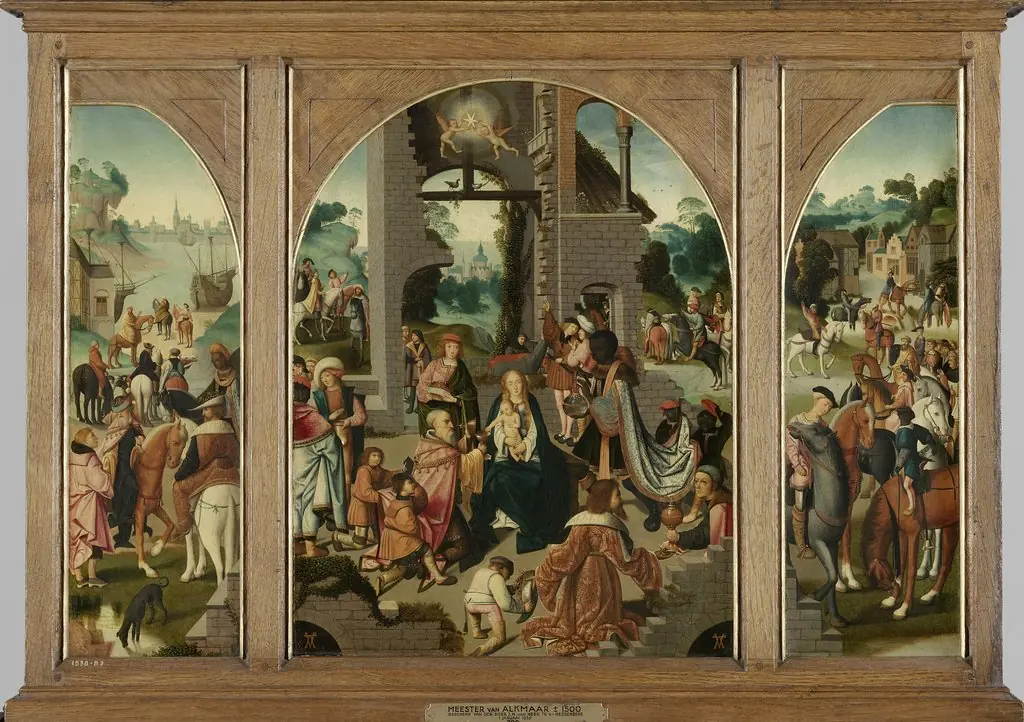 Triptych with the adoration of the Magi (centre panel and inner wings), St Antony Abbot (outer left wing) and St Adrian (outer right wing)
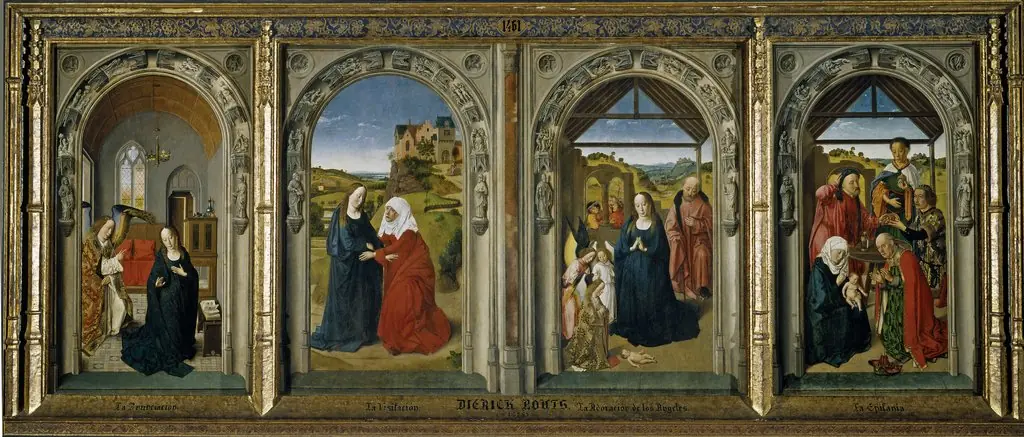 Triptych with Scenes from the Life of the Virgin
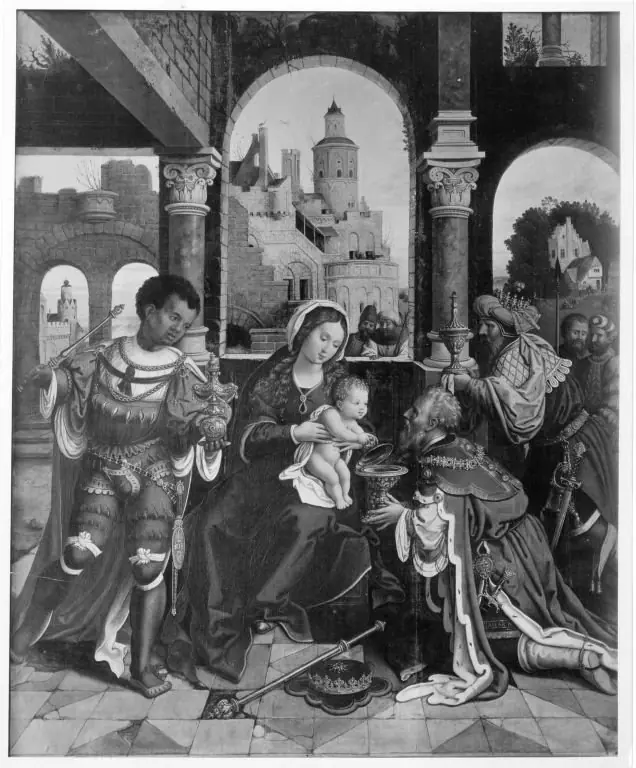 The Adoration of the Magi
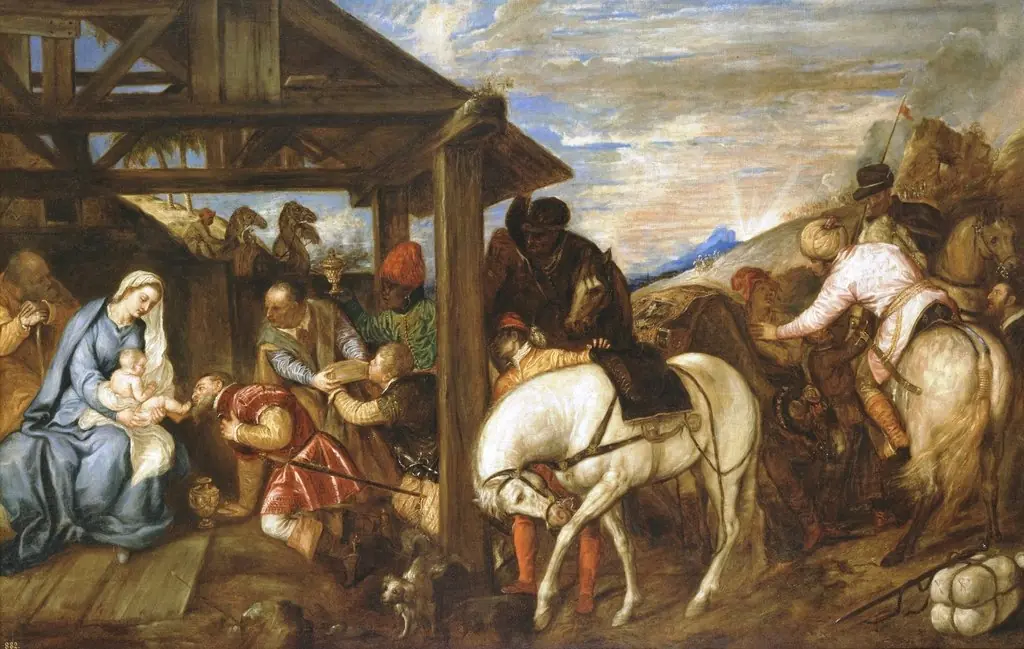 The Adoration of the Magi
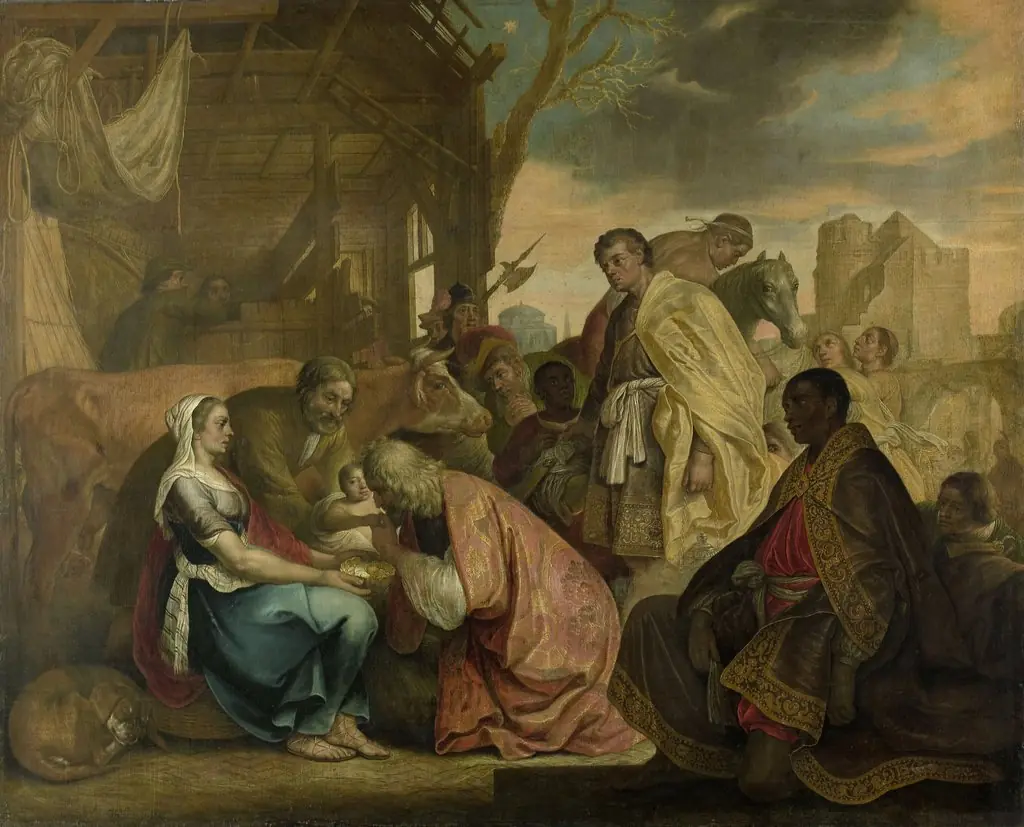 The adoration of the Magi
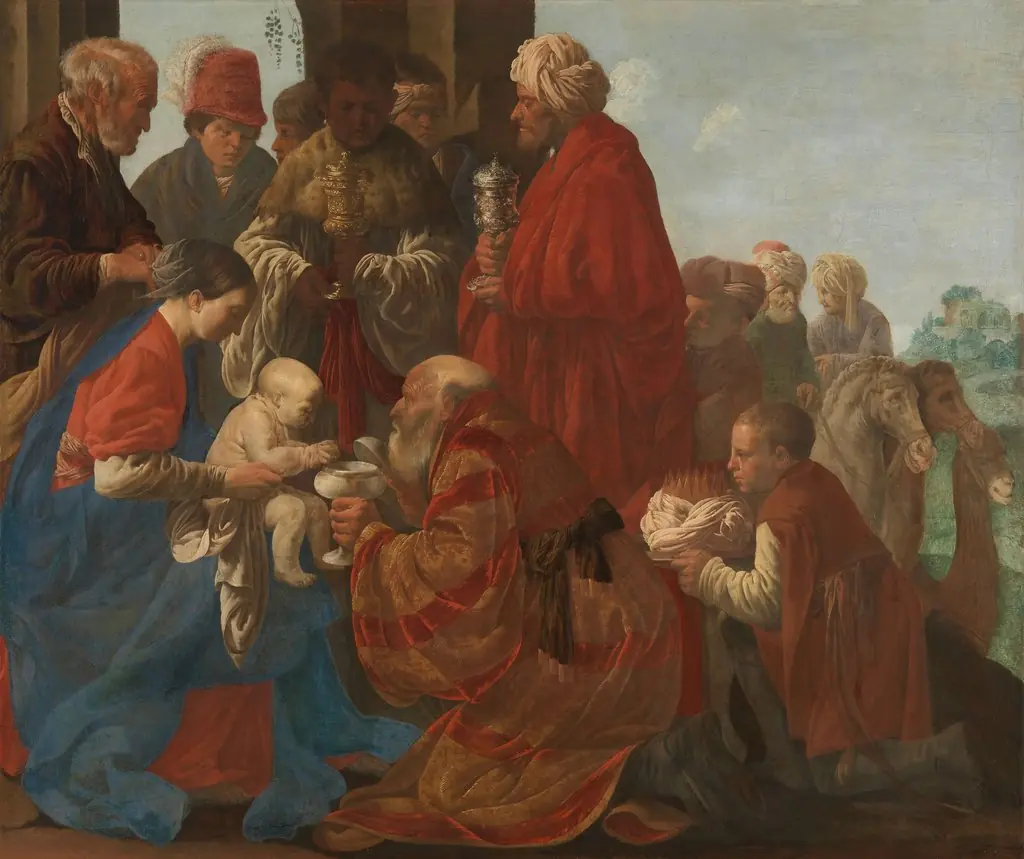 The adoration of the magi
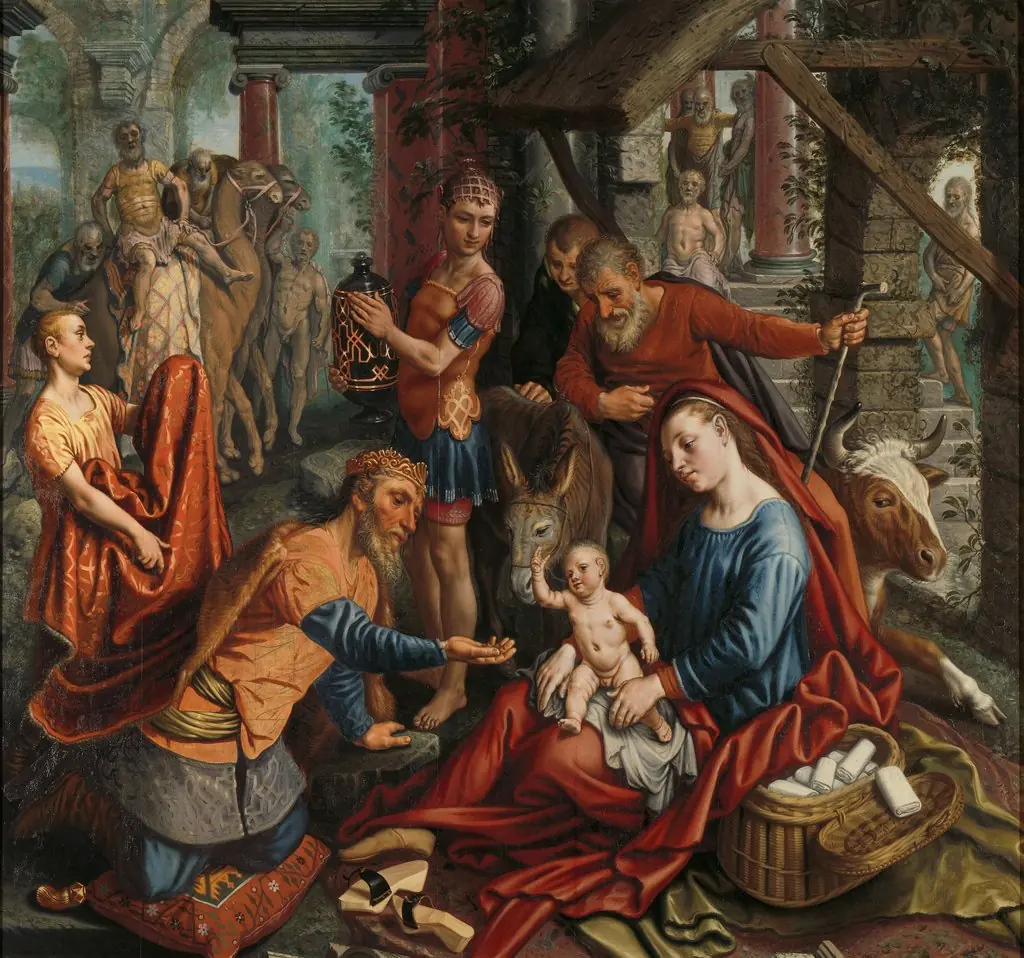 The Adoration of the Magi
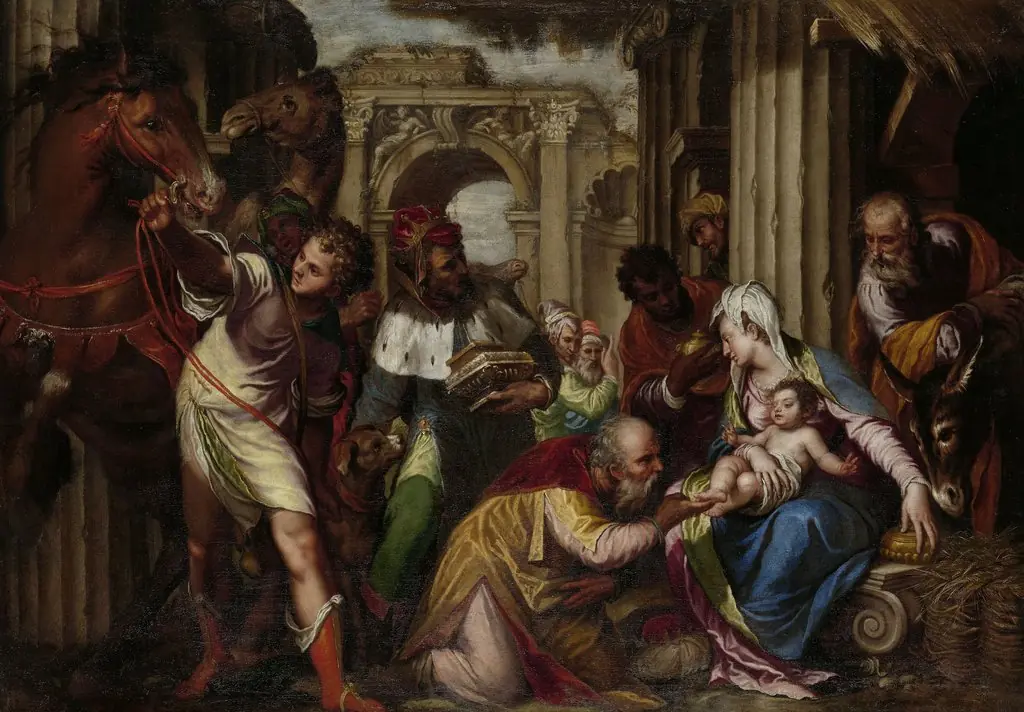 The Adoration of the Magi
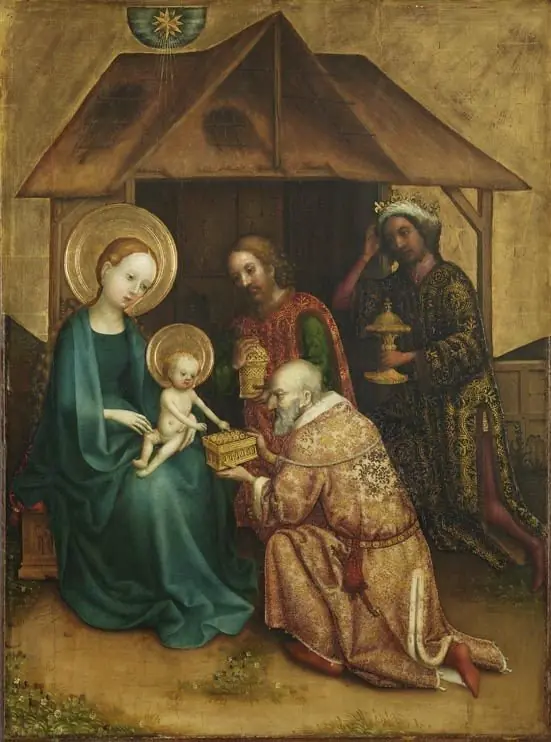 The adoration of the kings
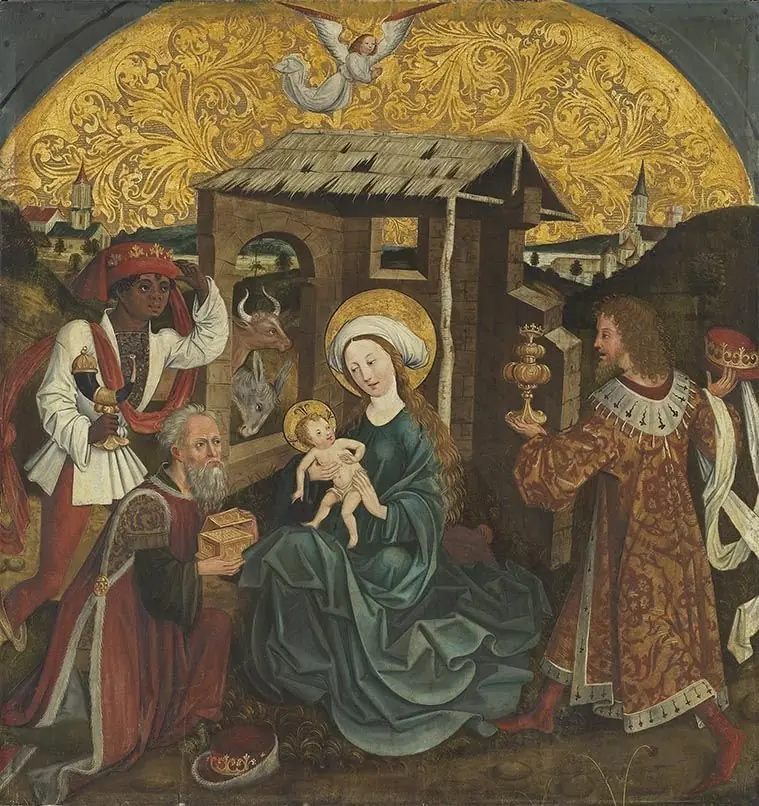 Adoration of the Kings
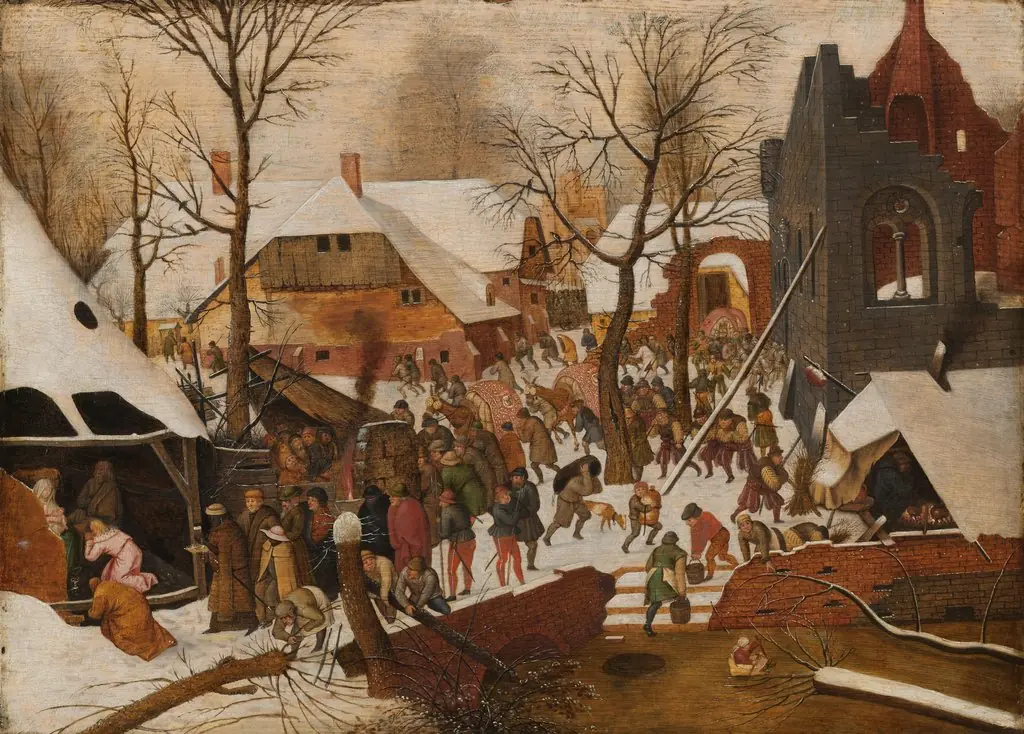 Adoration of the magi
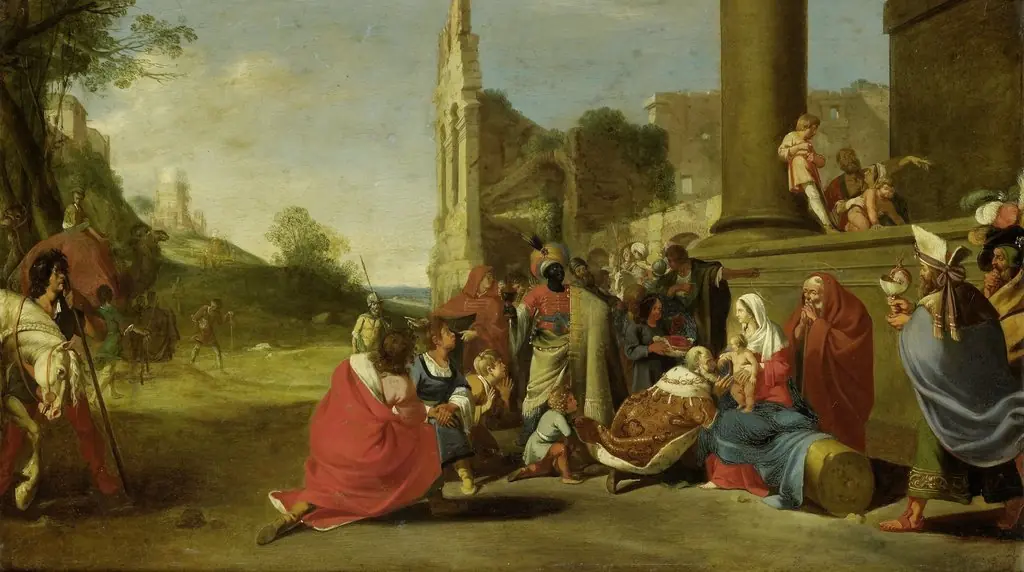 The adoration of the magi
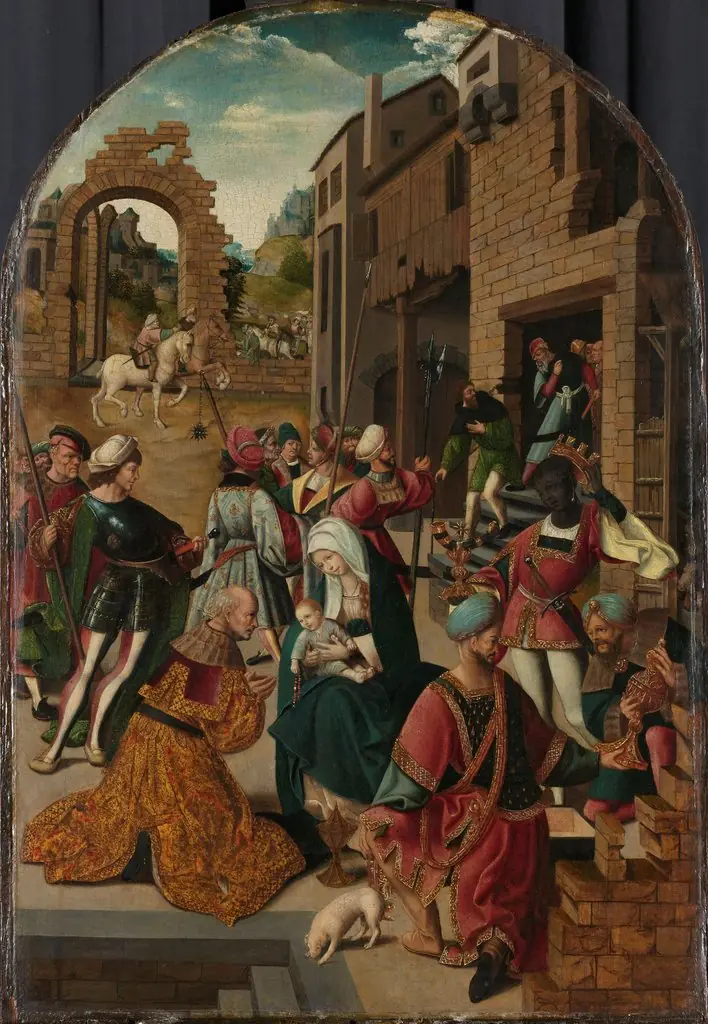 The adoration of the magi
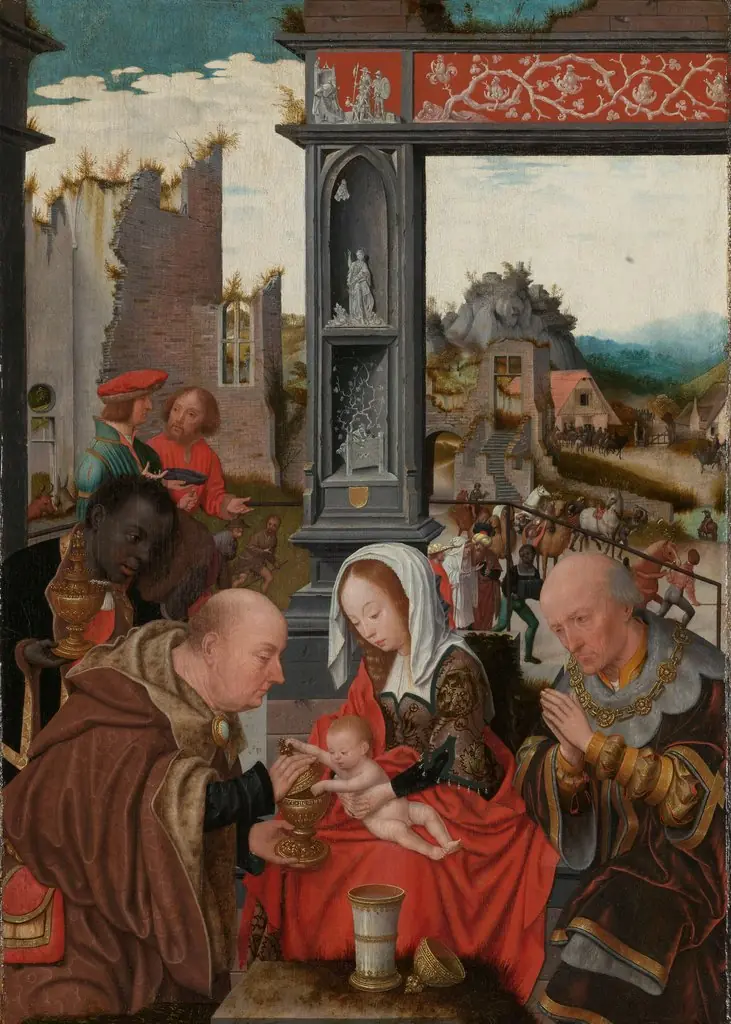 The Adoration of the Magi
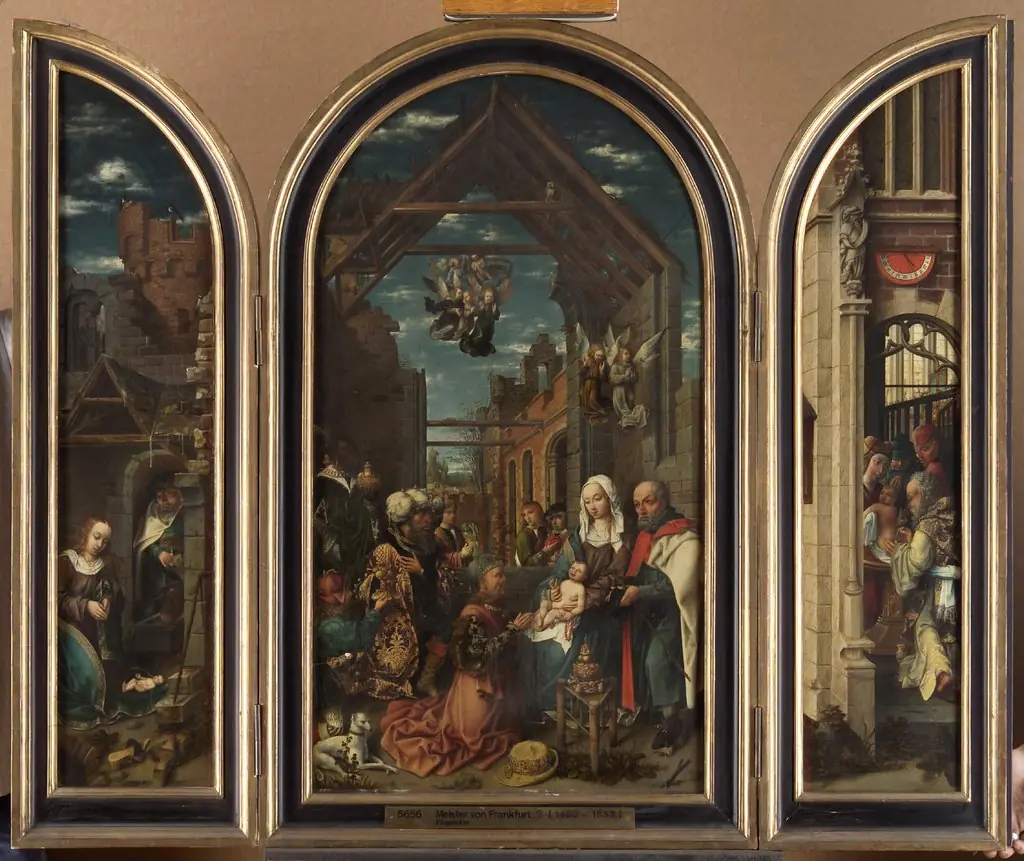 Triptych of the adoration of the magi
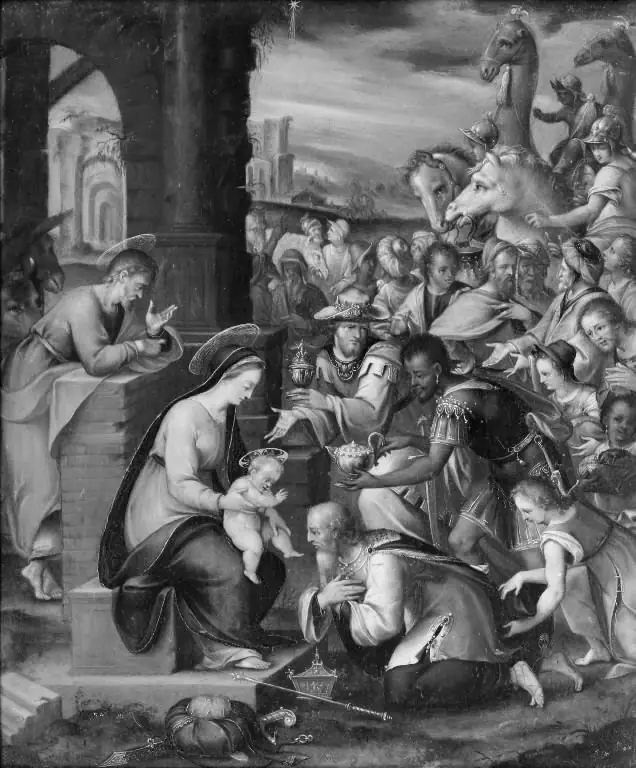 The Adoration of the Magi
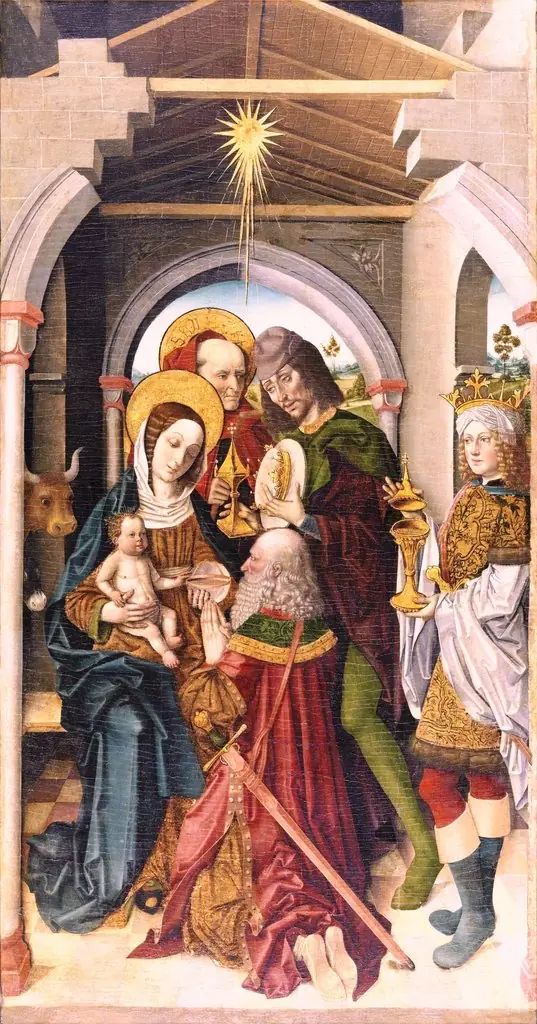 The Adoration of the Magi
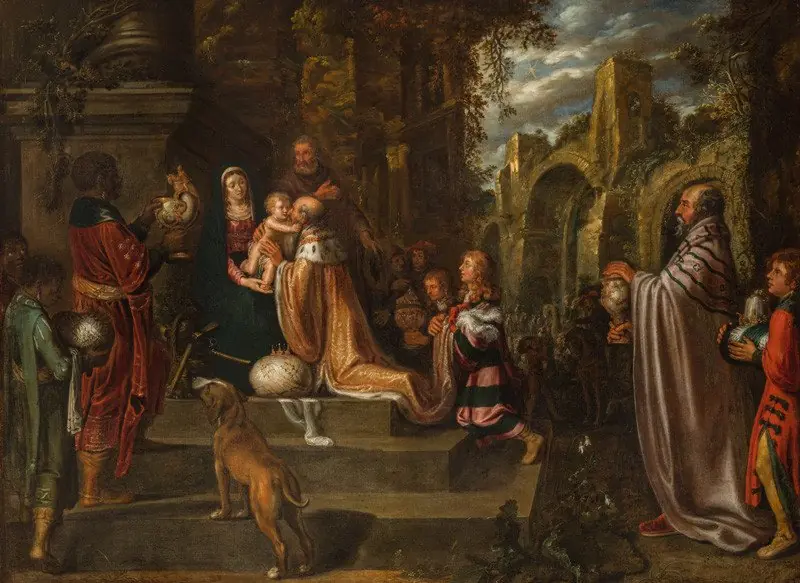 The adoration of the kings
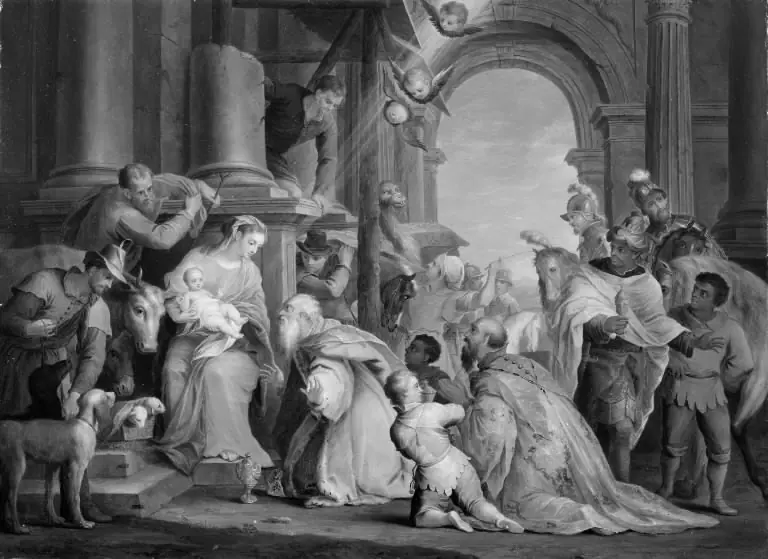 The Adoration of the Magi
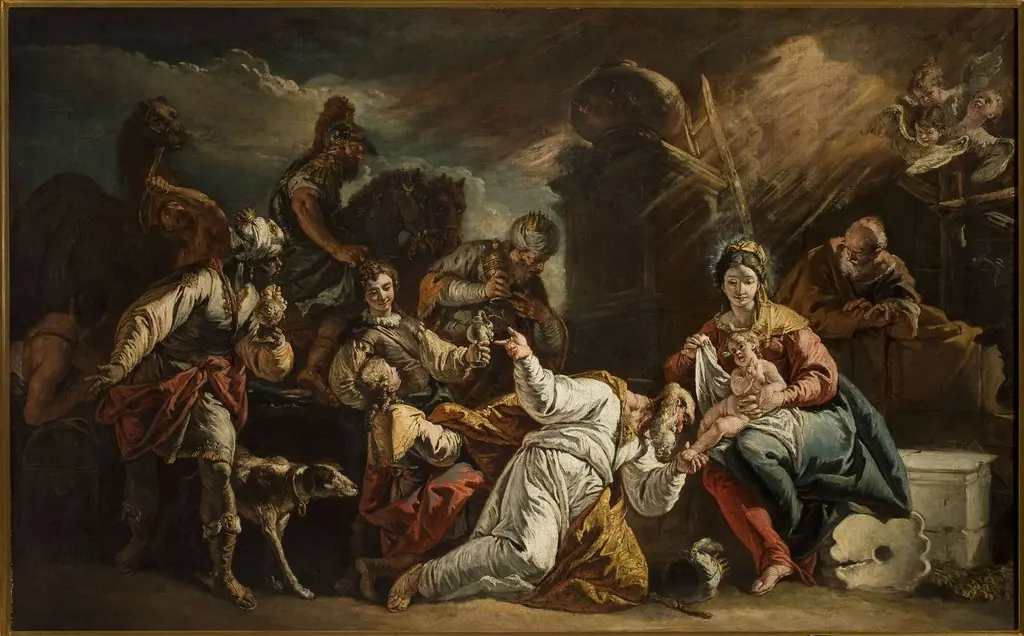 Adoration of the Magi
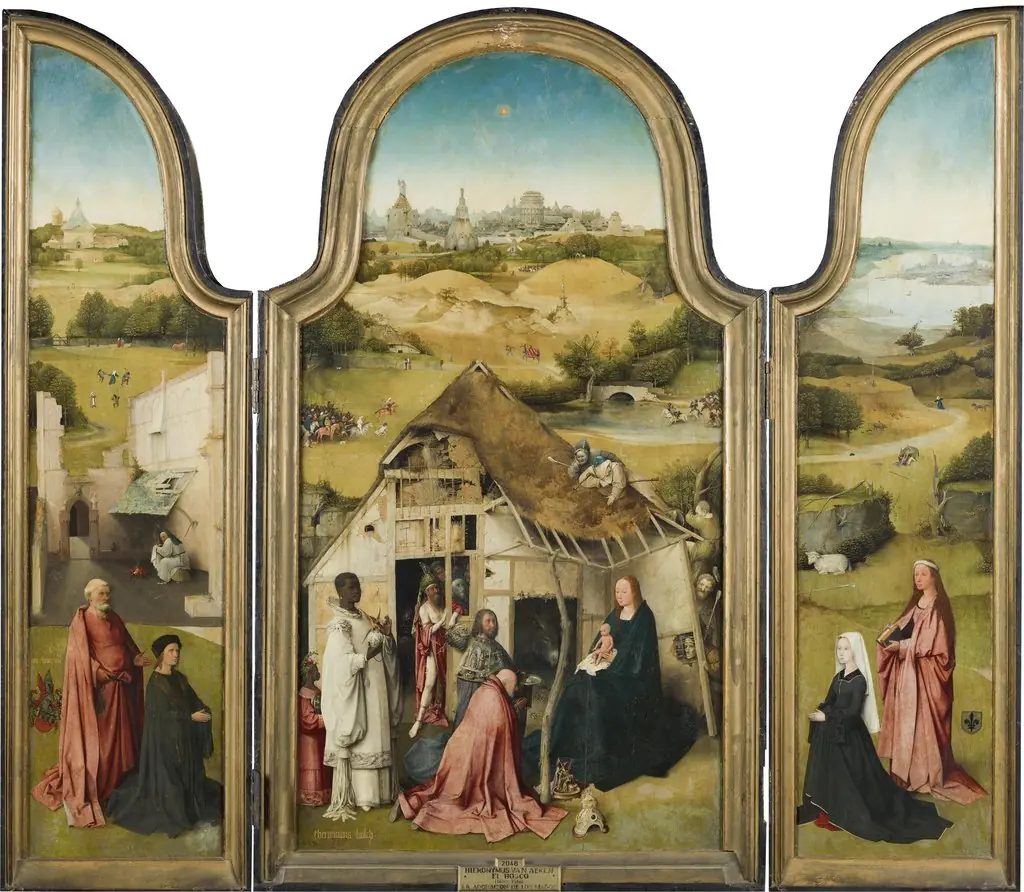 The Epiphany
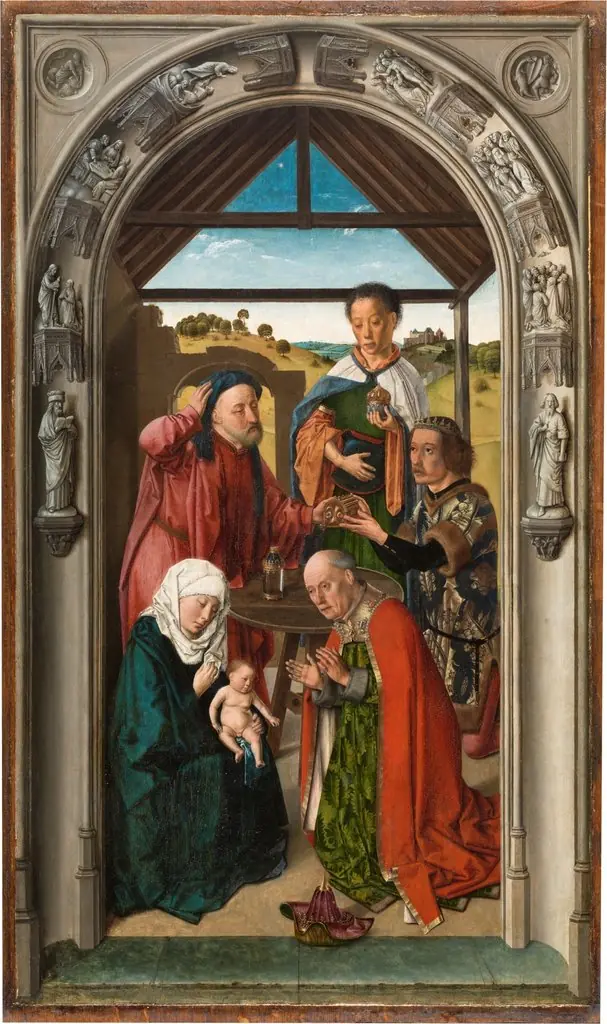 Adoration of the Magi
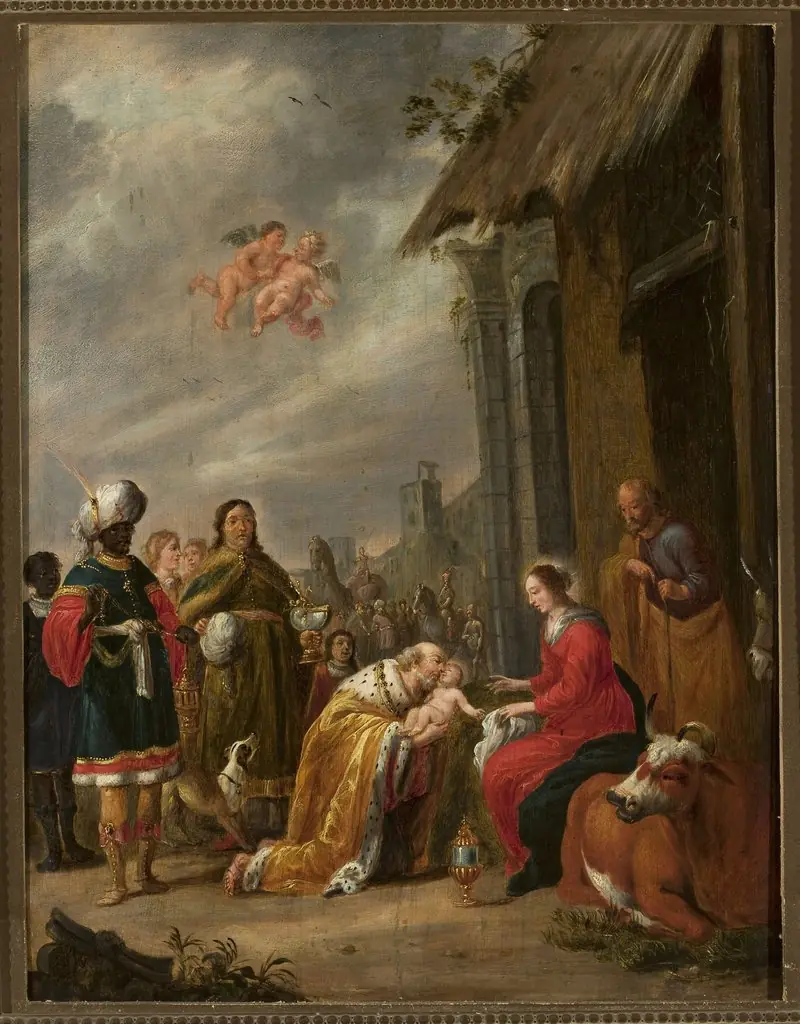 Adoration of the Magi (Matthew 2:10-11)
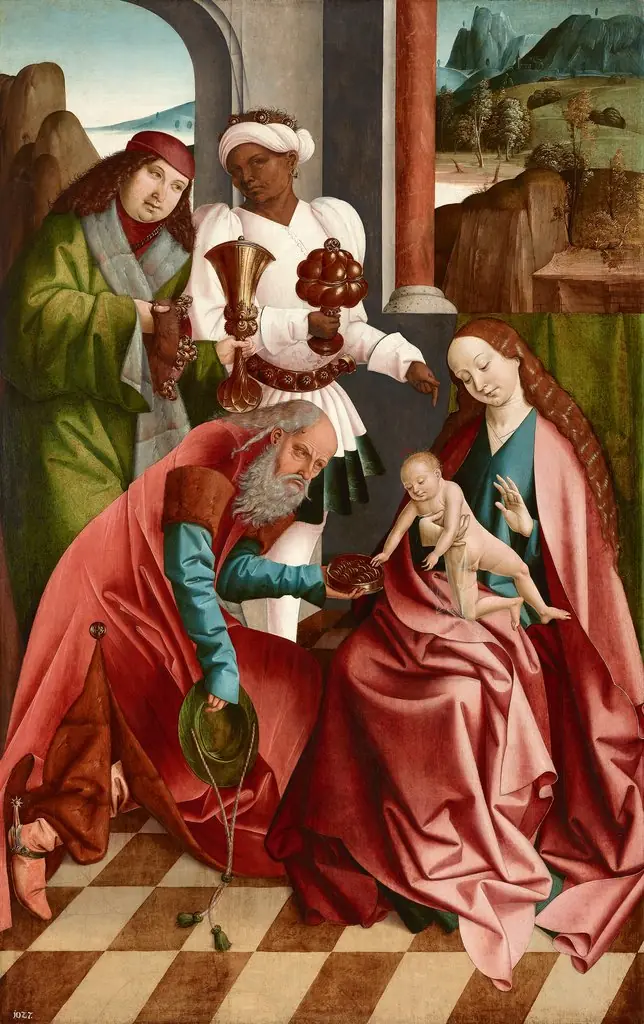 Anbetung der Heiligen Drei Könige
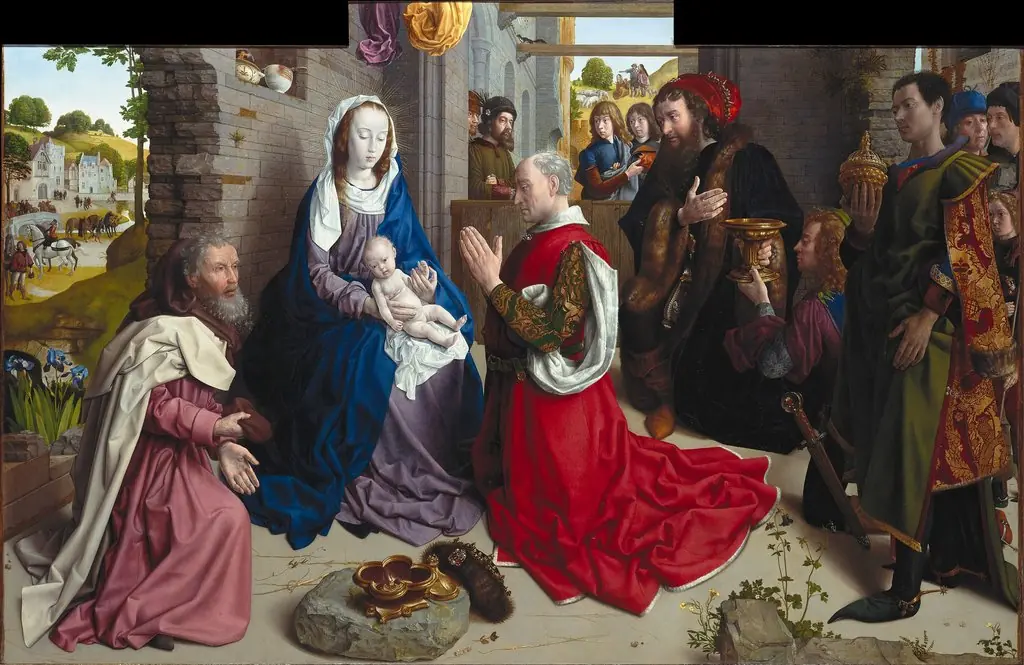 Monforte Altarpiece
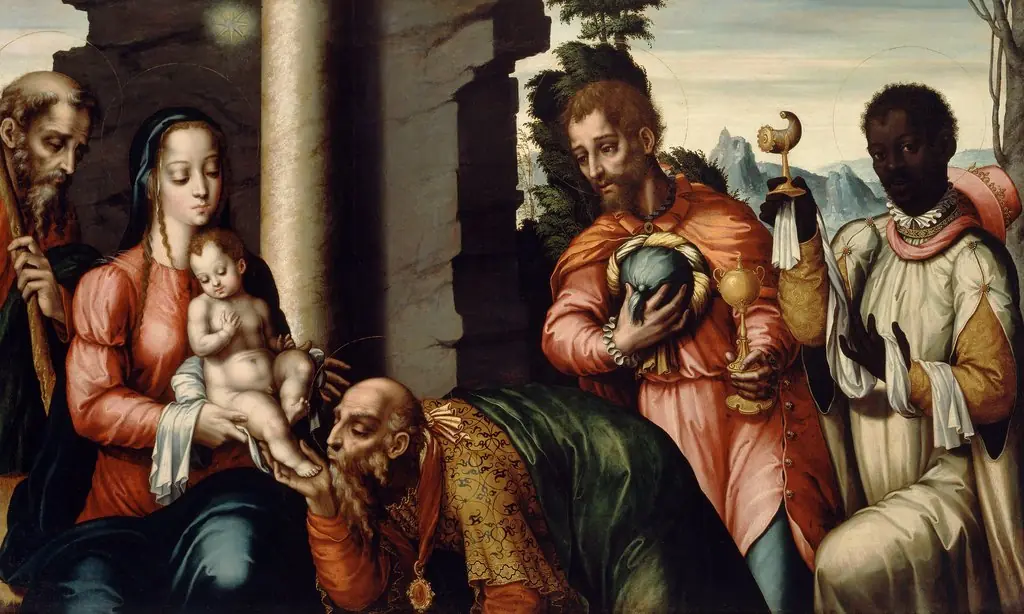 The Adoration of the Magi
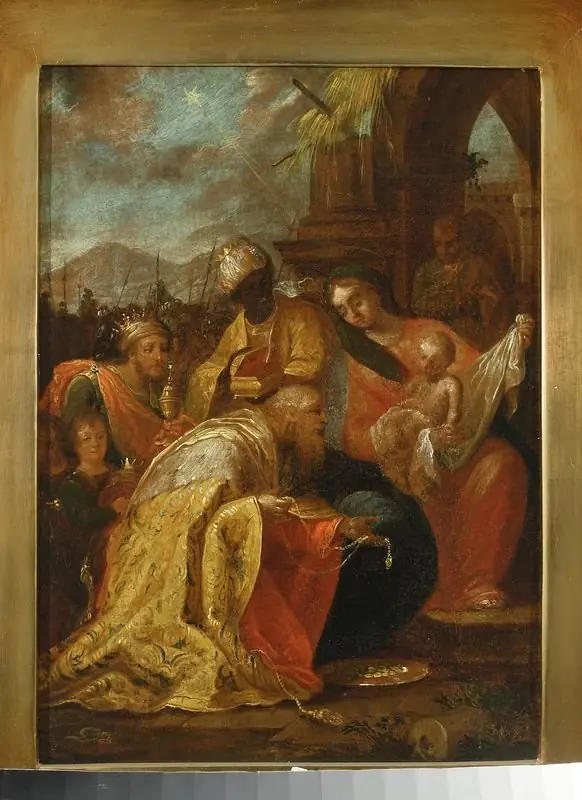 Adoration of the Magi
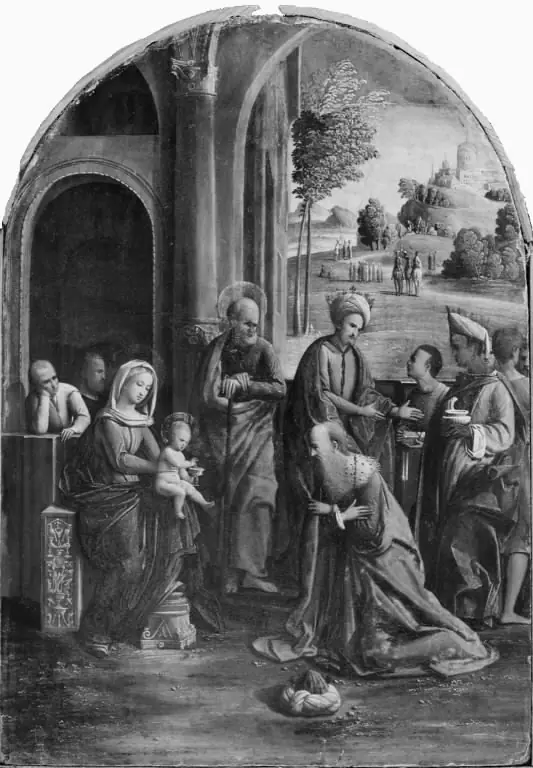 The Adoration of the Kings
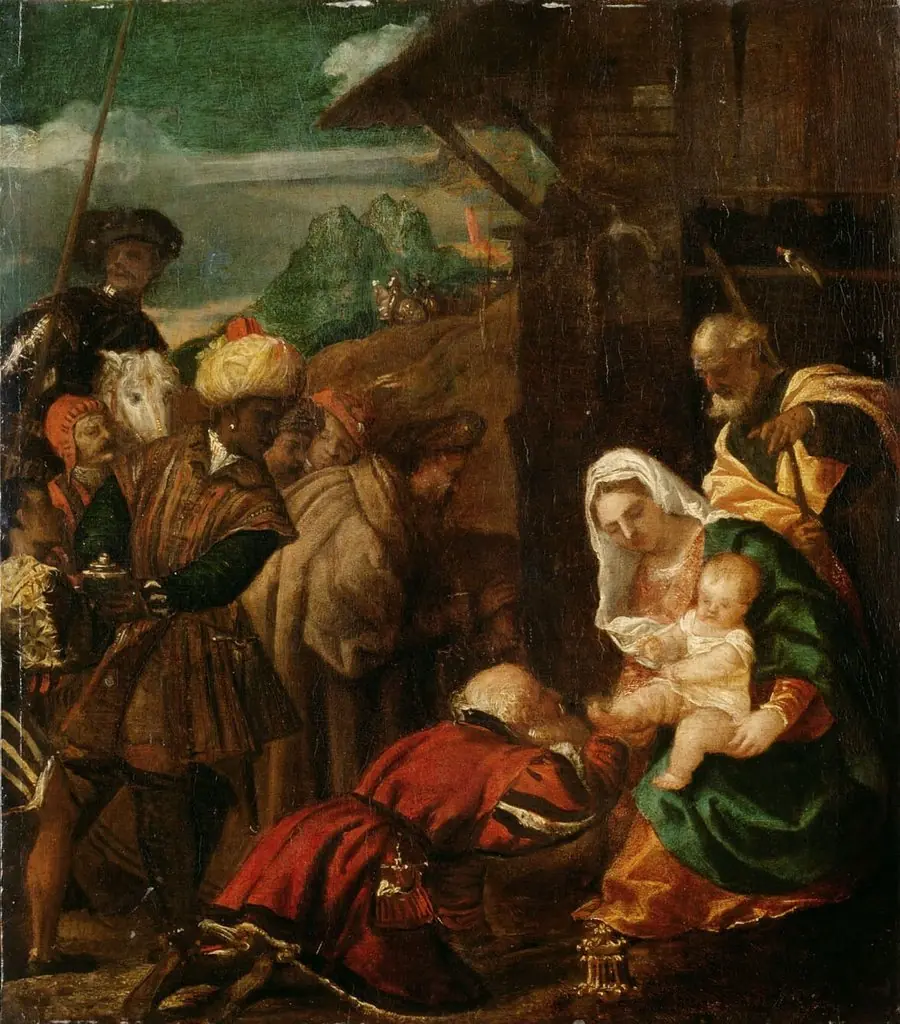 Adoration of the Magi
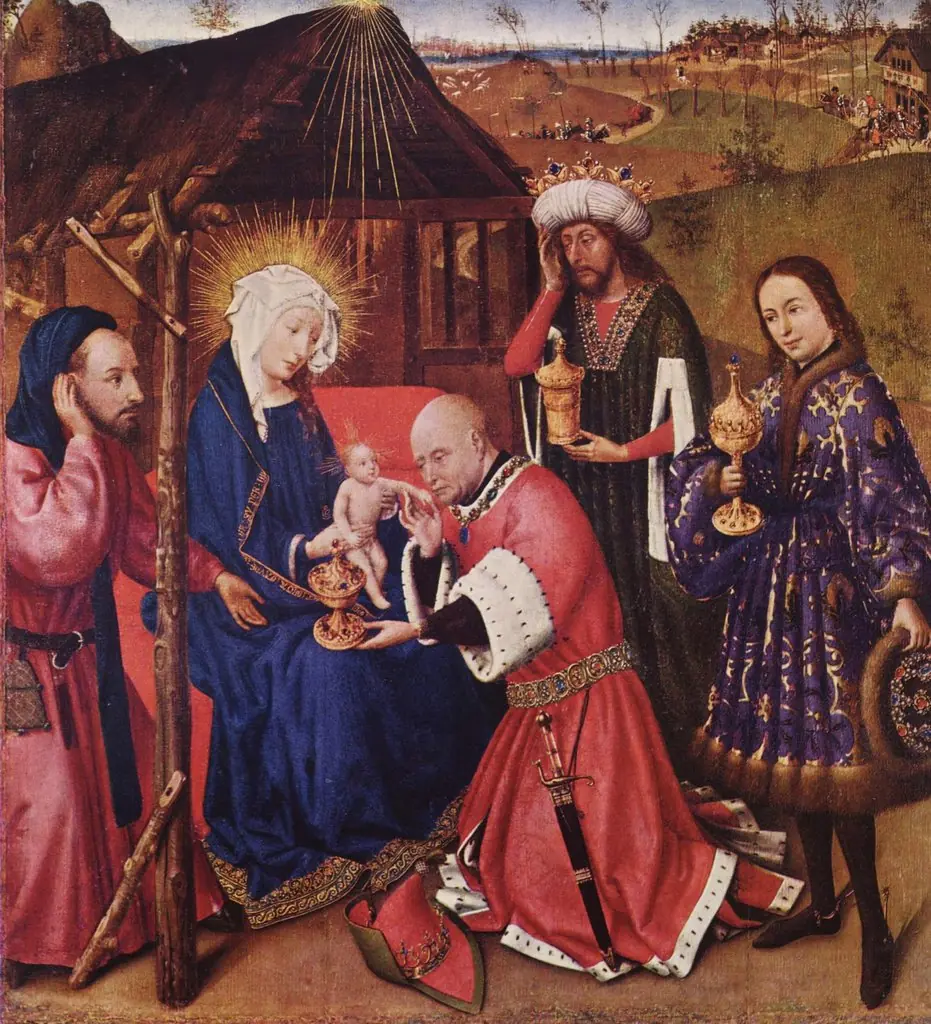 The Adoration of the Kings
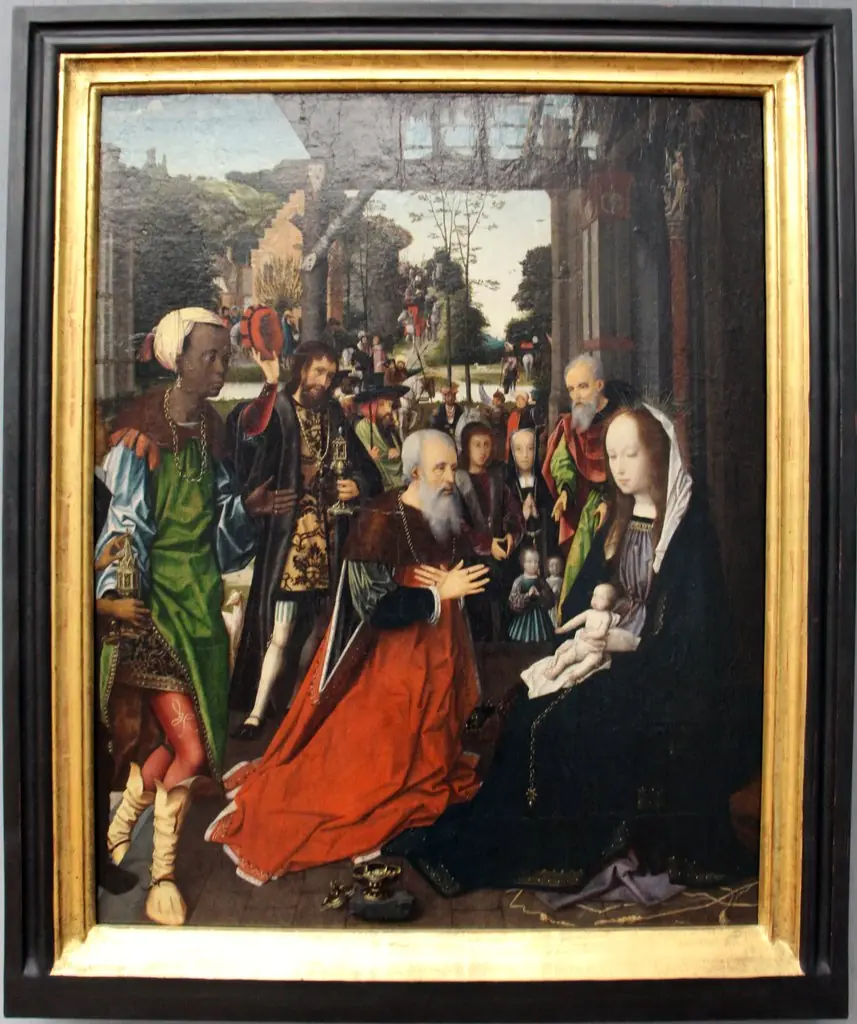 Adoration of the Magi
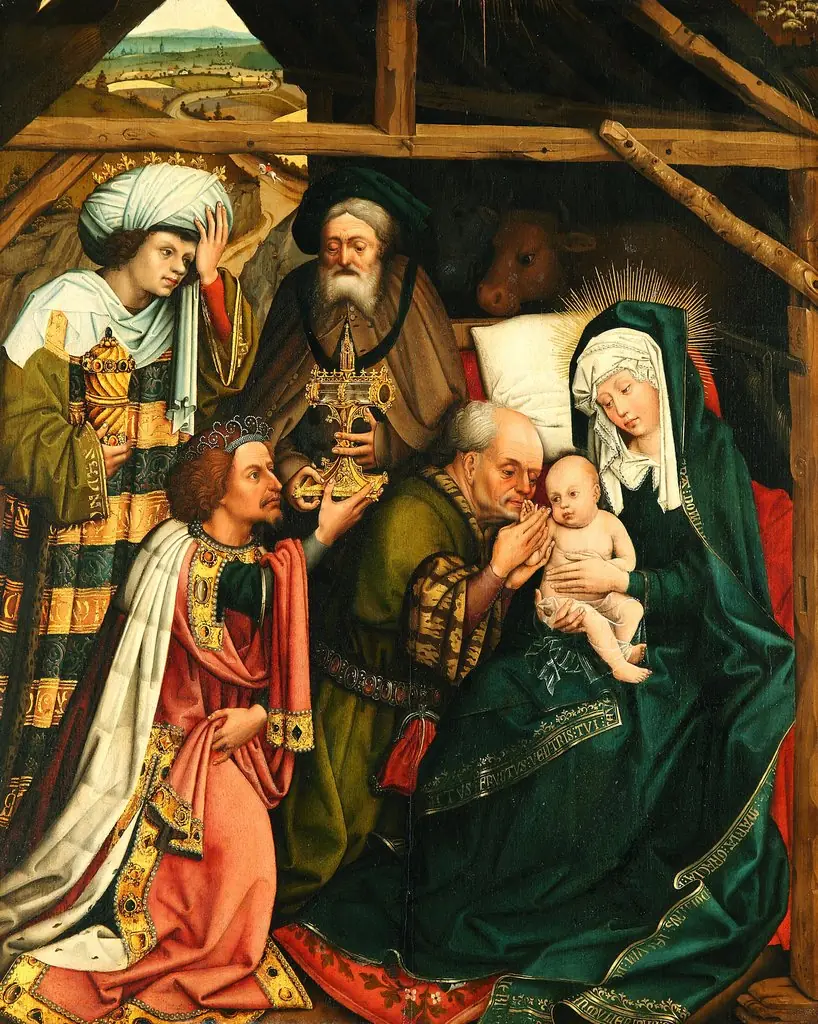 Adoration of the Magi
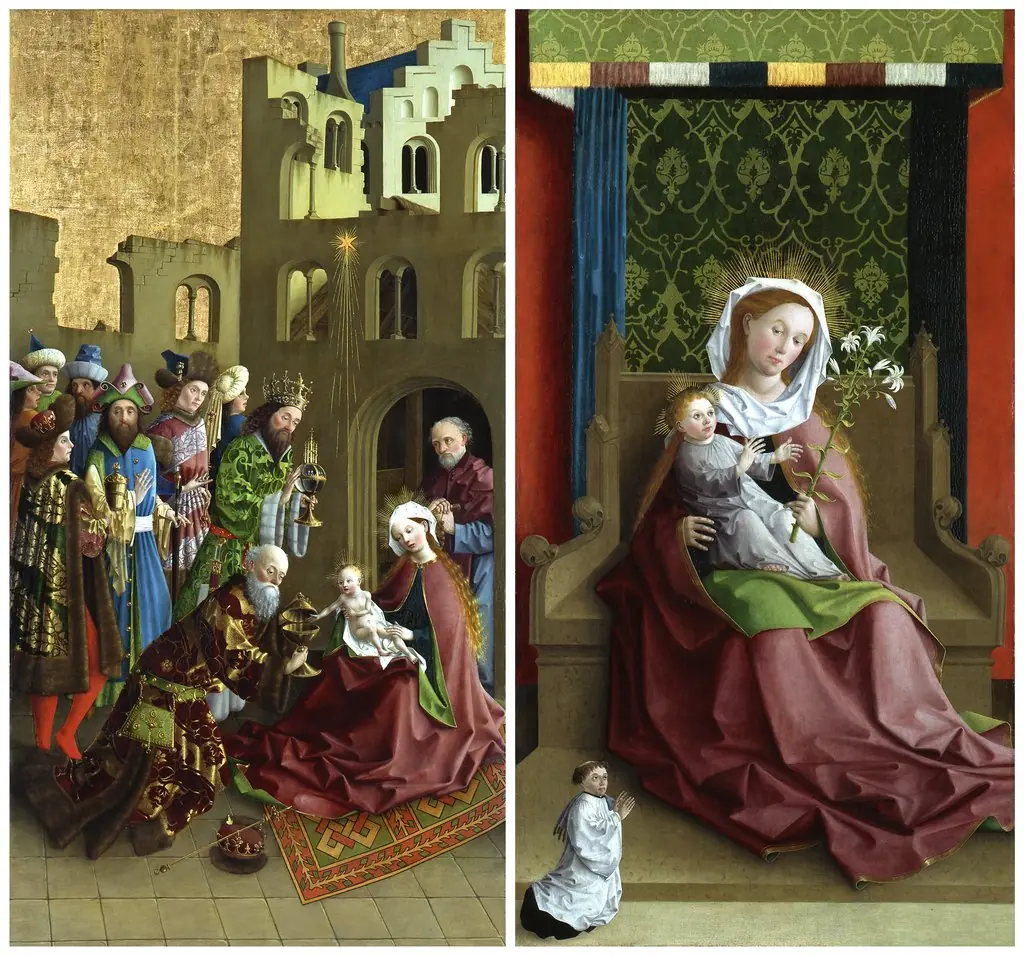 Left Wing of a cross altar, The Adoration of the Magi, Madonna and Child
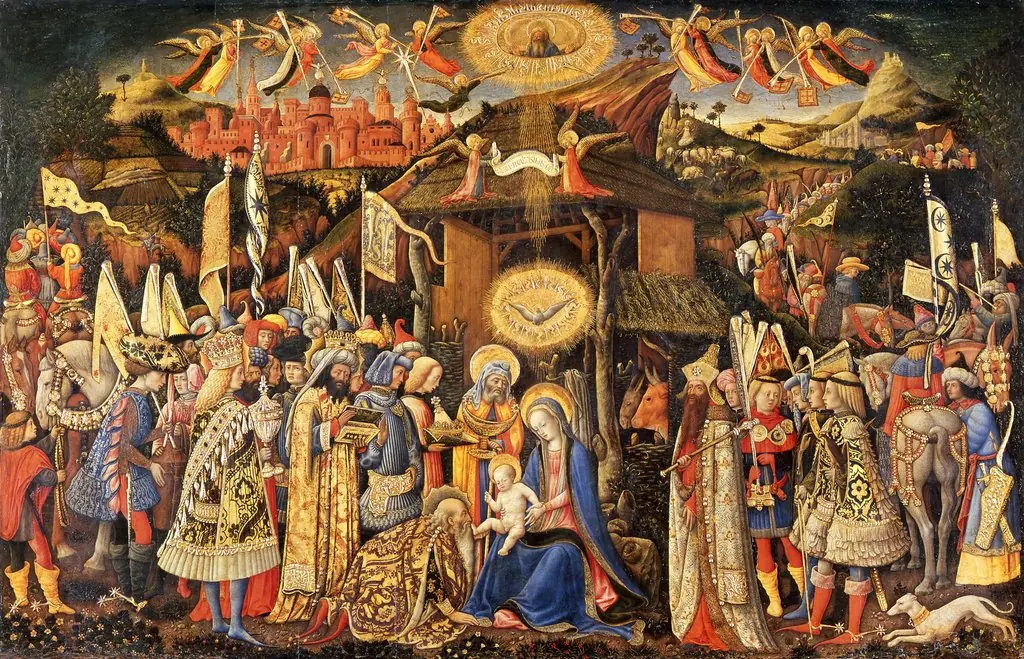 Adoration of the Magi
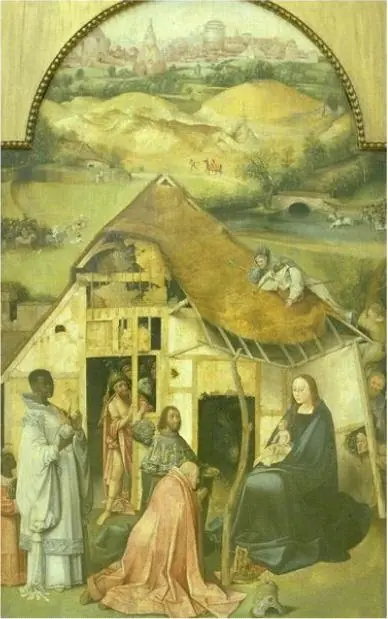 Adoration of the Magi
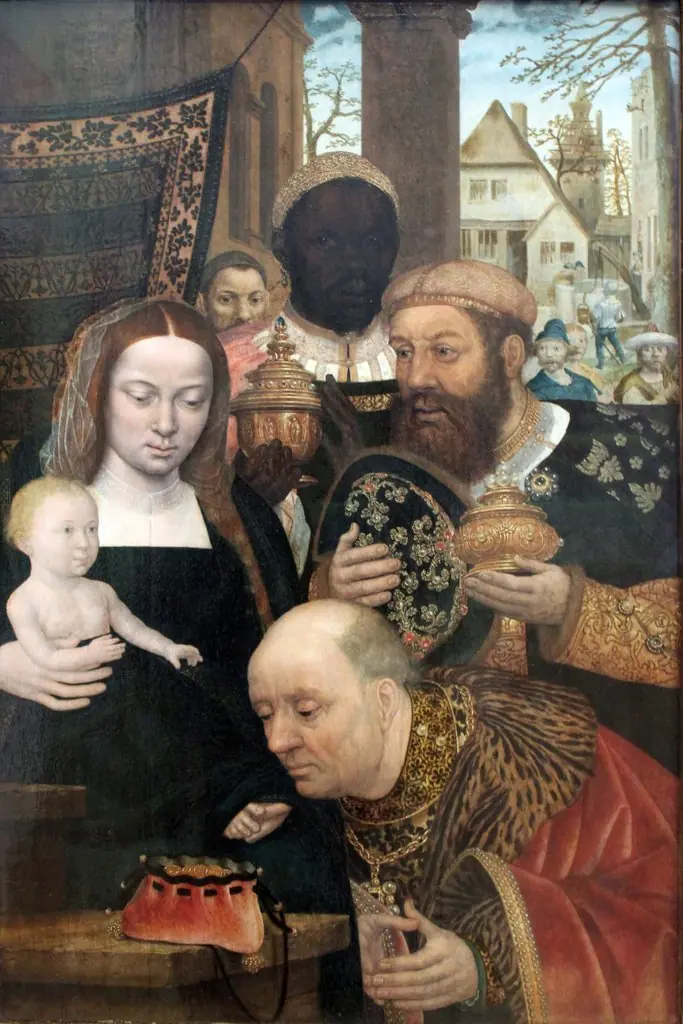 Adoration of the kings
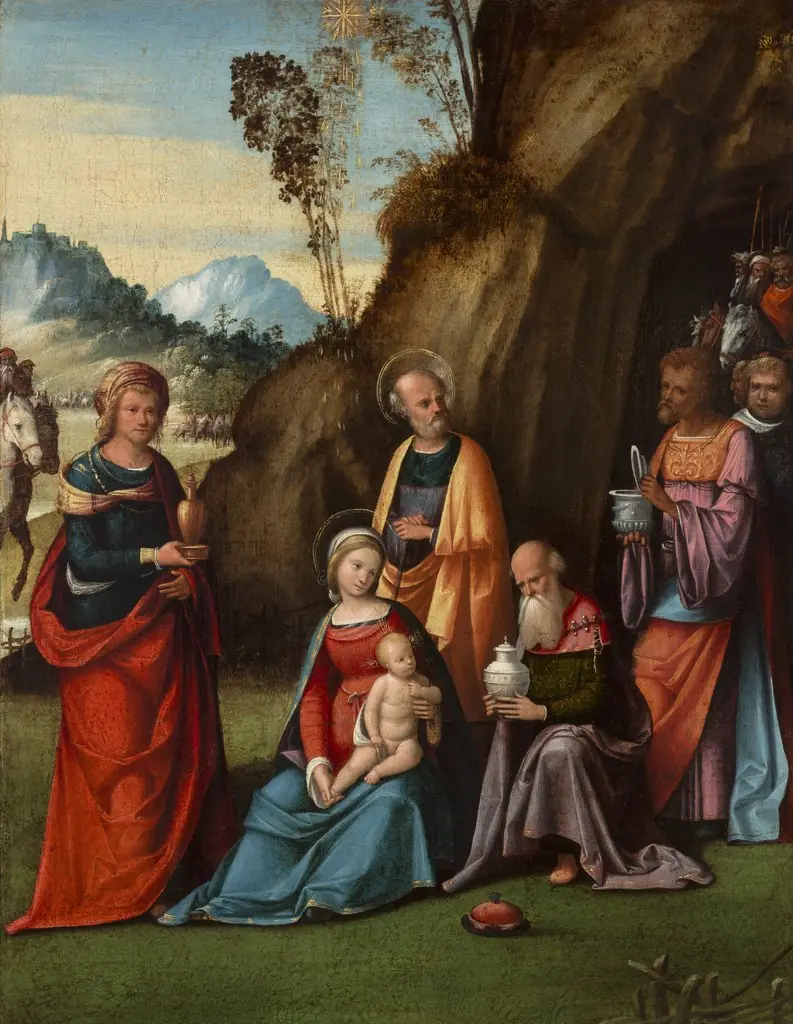 Adoration of the Magi
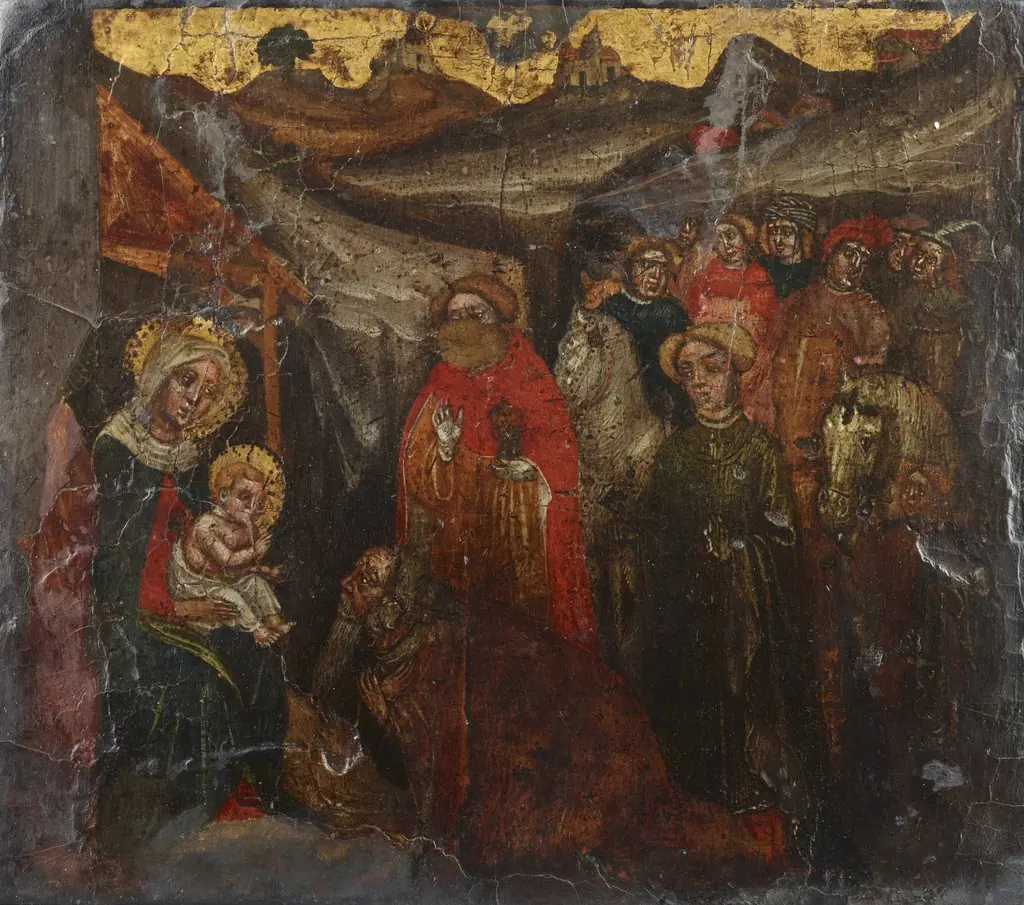 Adoration of the Magi
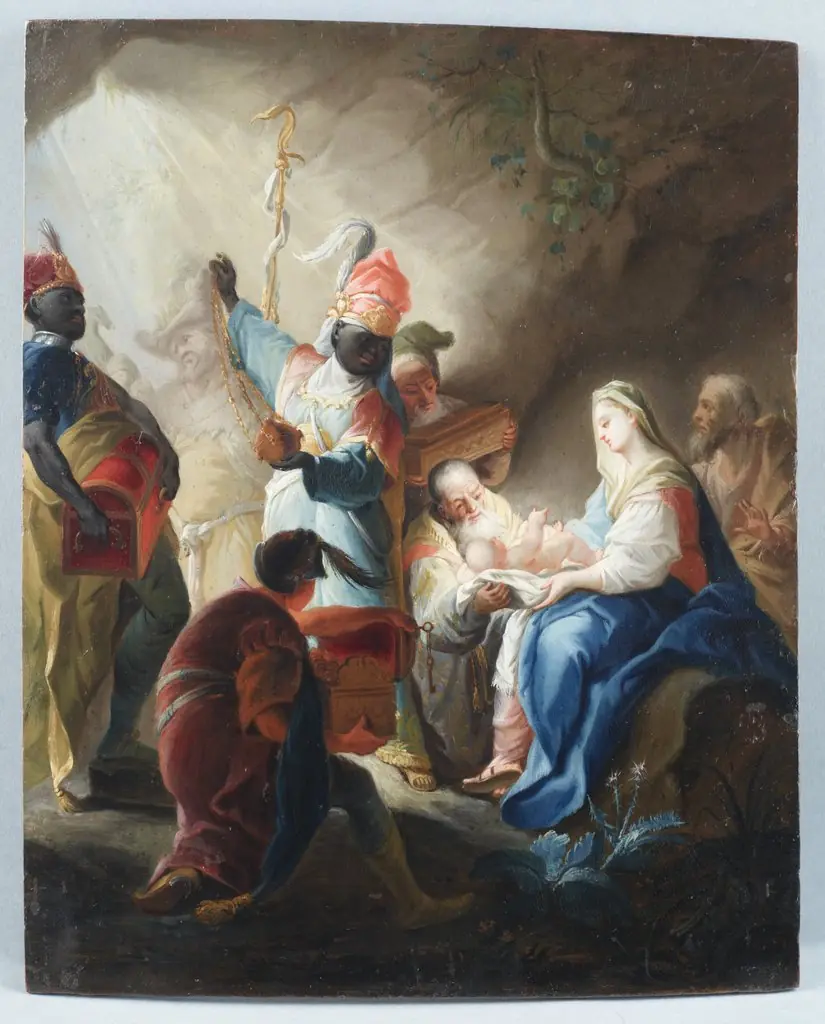 The Adoration of the Magi
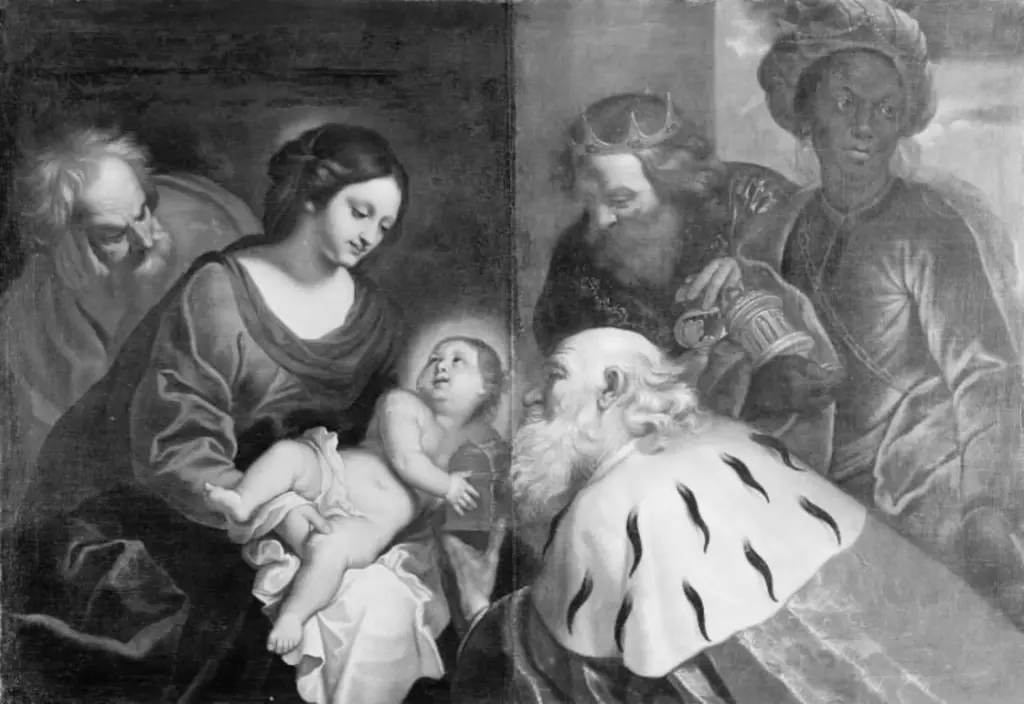 Kongernes tilbedelse
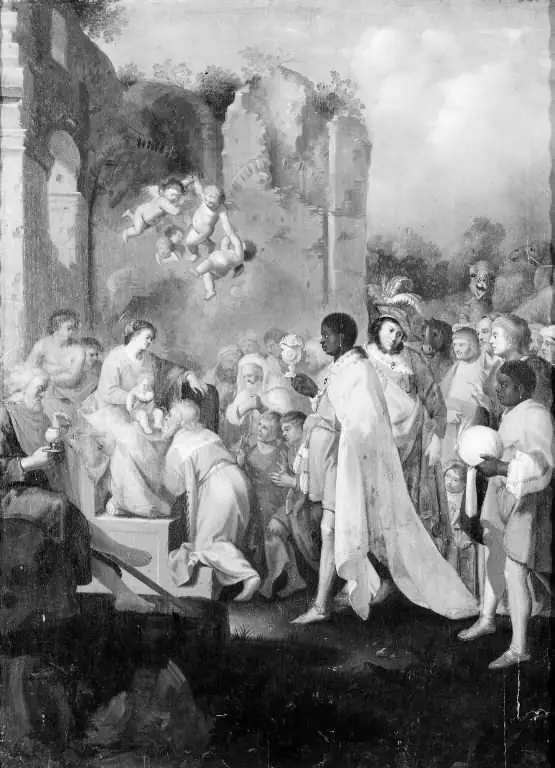 The Adoration of the Kings
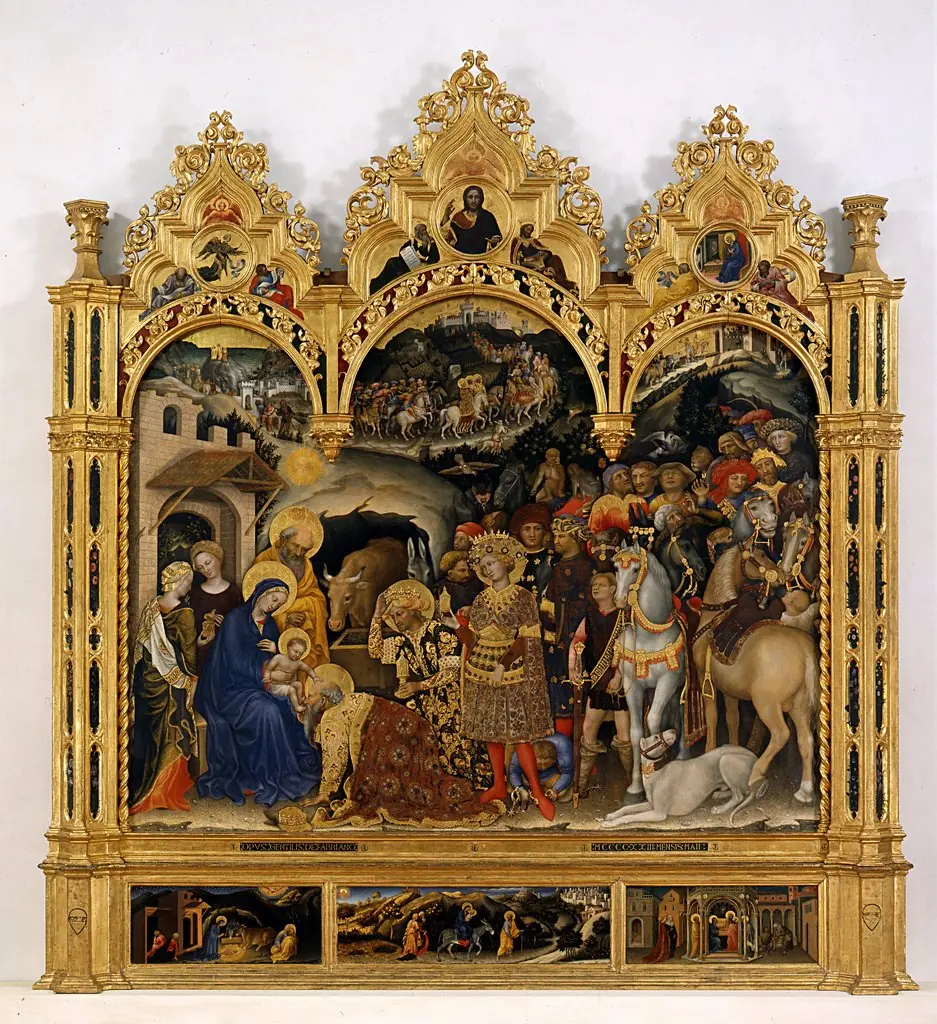 Adoration of the Magi
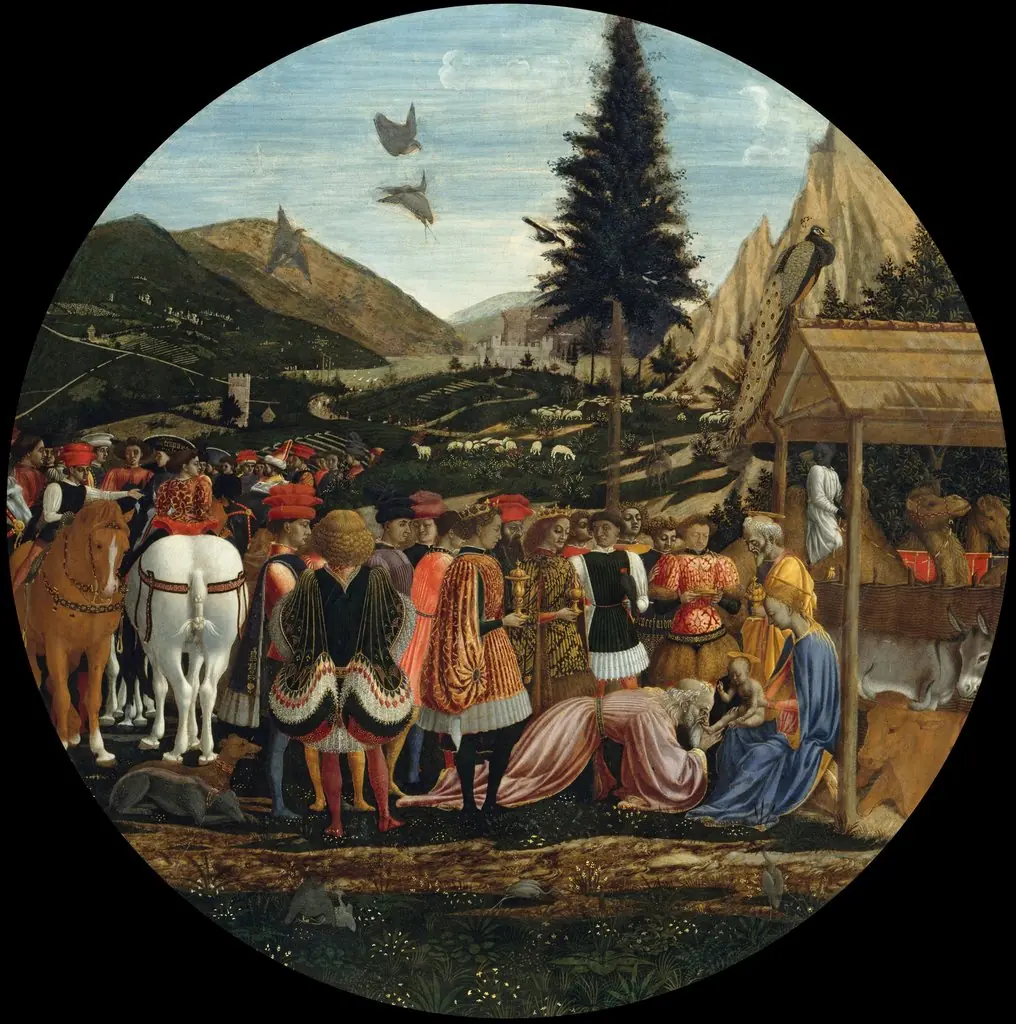 Adoration of the Magi
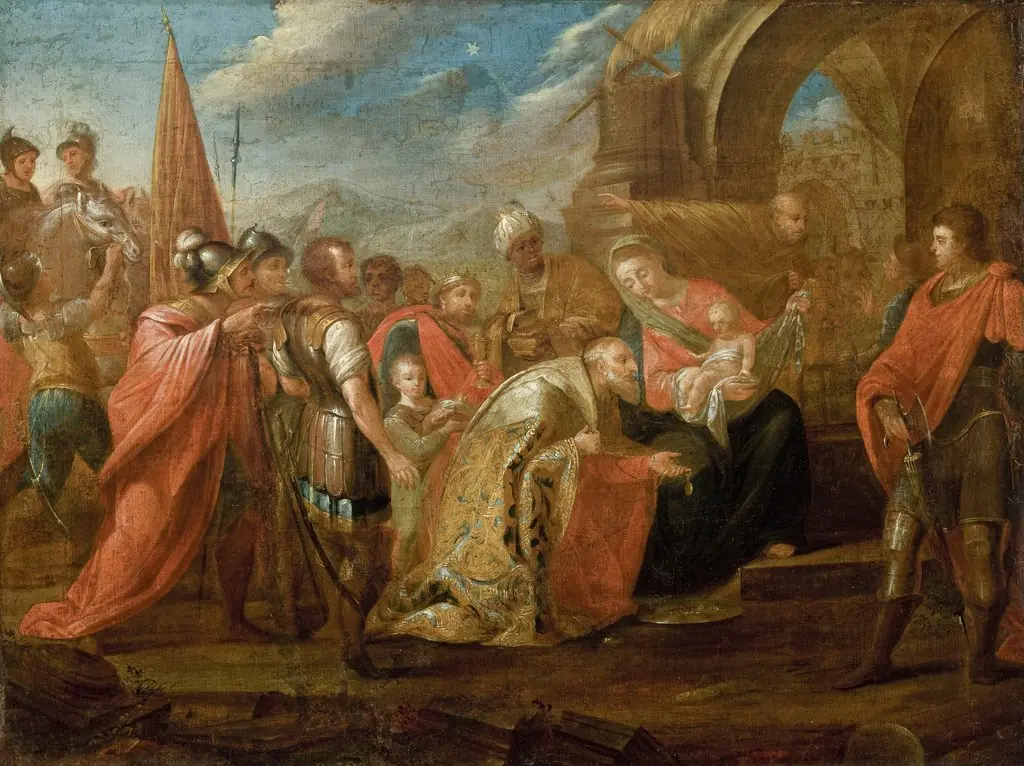 Adoration of the Magi
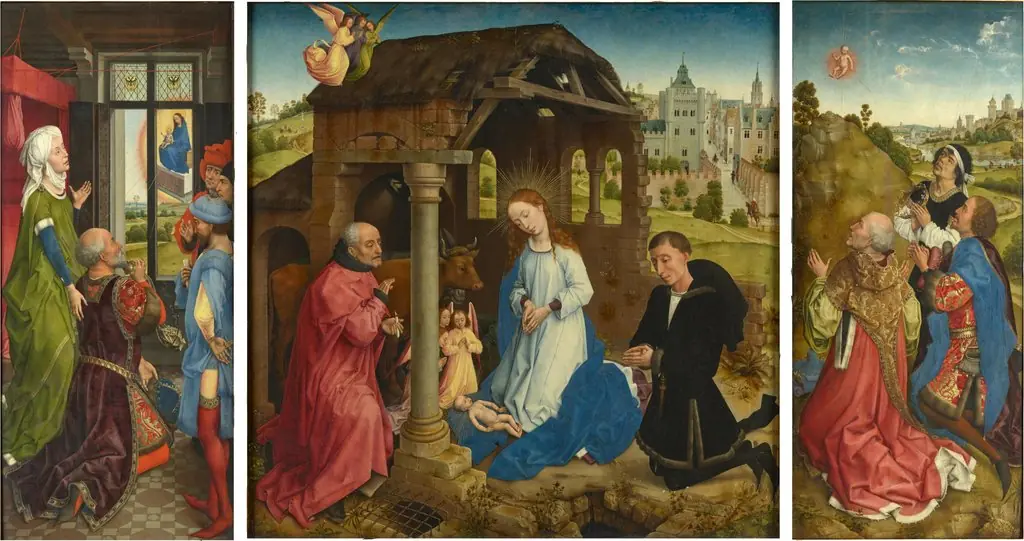 Bladelin Triptych
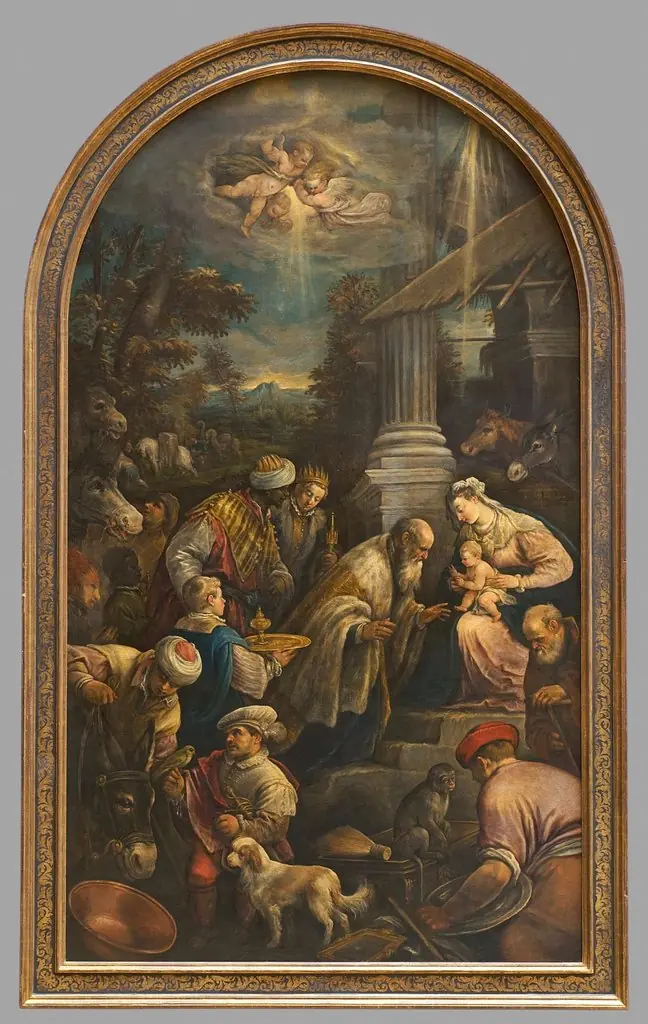 Adoration of the Magi
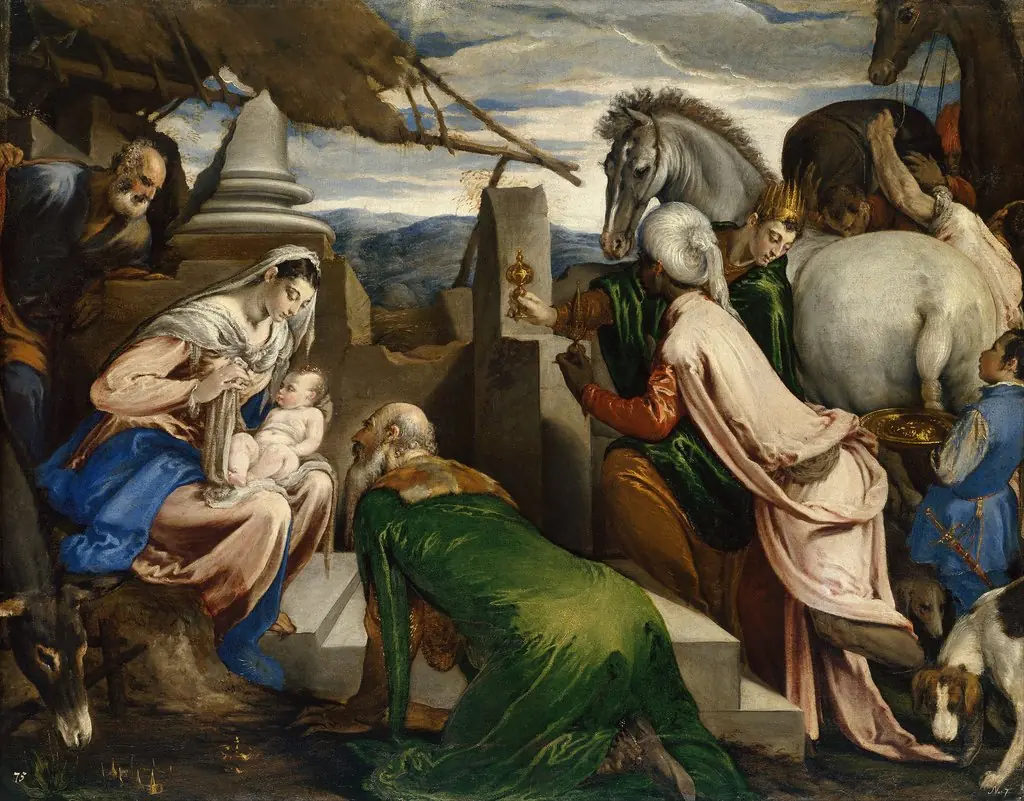 Adoration of the Magi
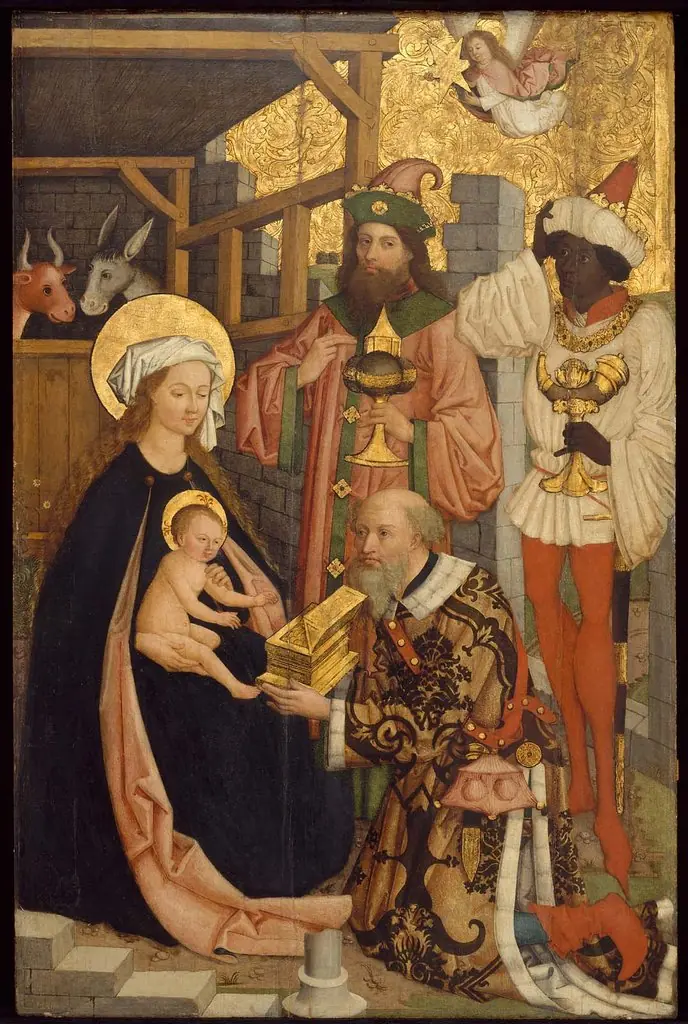 Adoration of the Magi
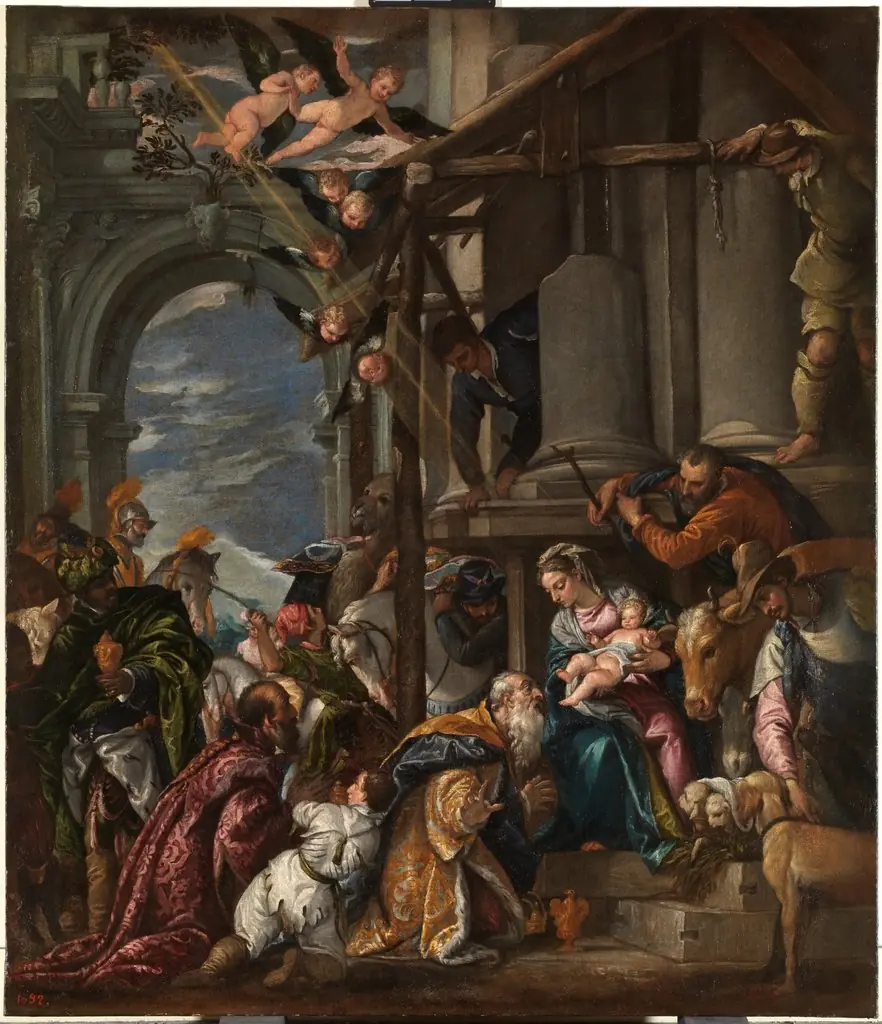 Adoración de los Reyes Magos
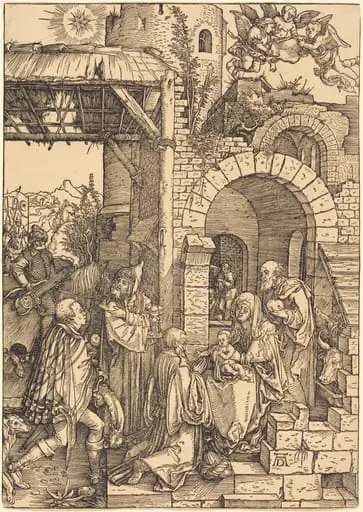 The Adoration of the Magi
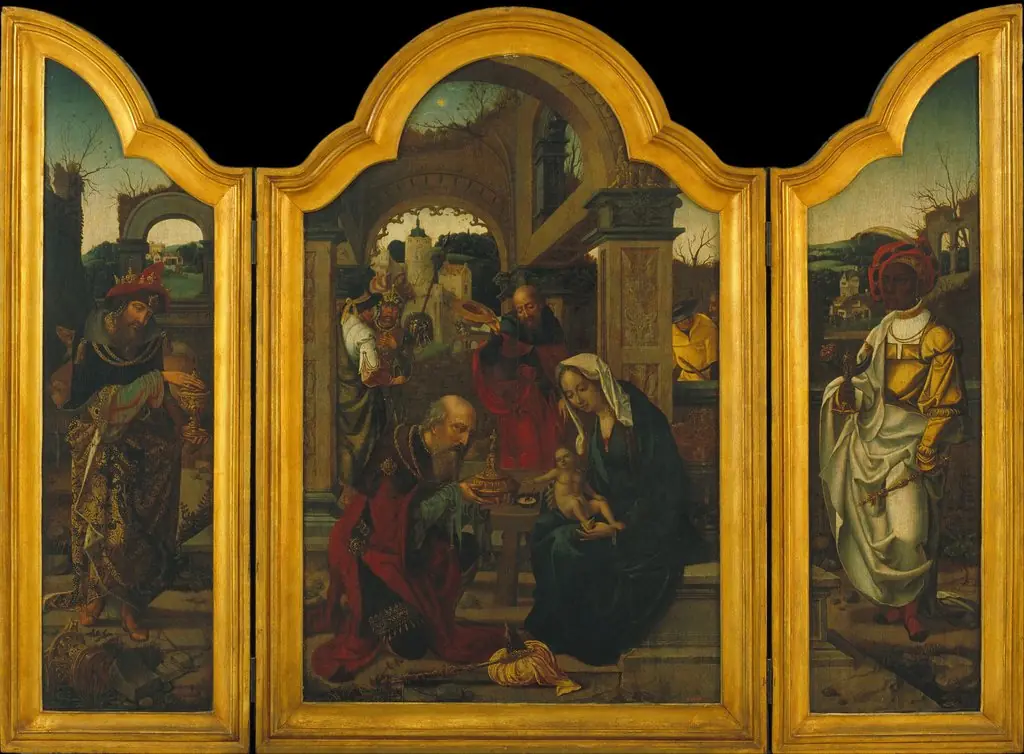 Triptych with the Epiphany
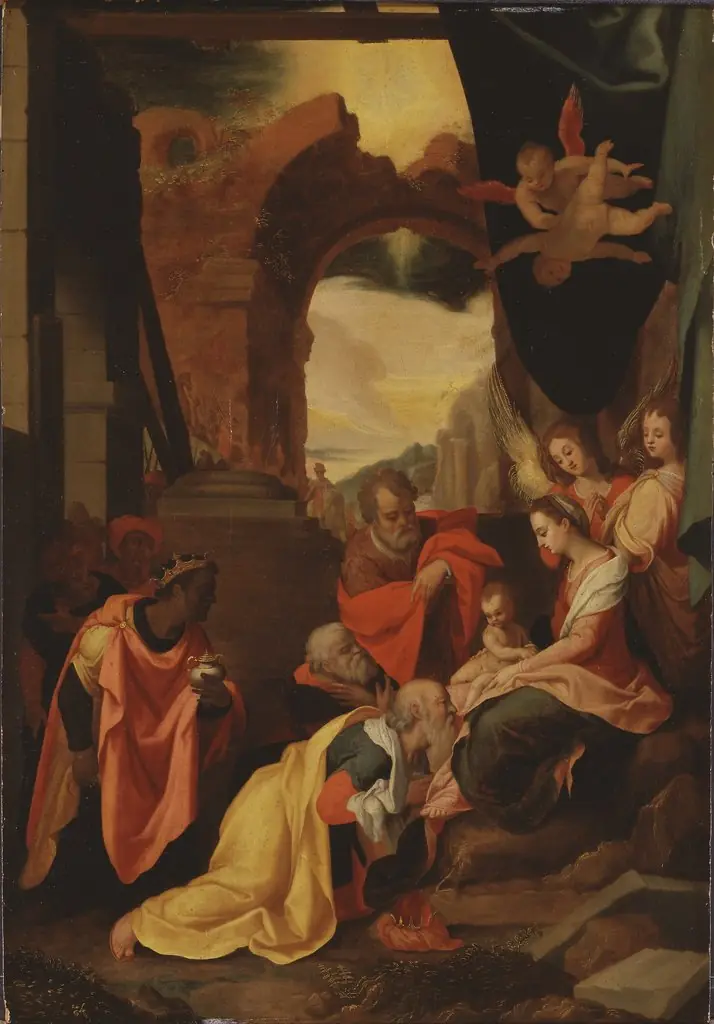 The Adoration of the Magi
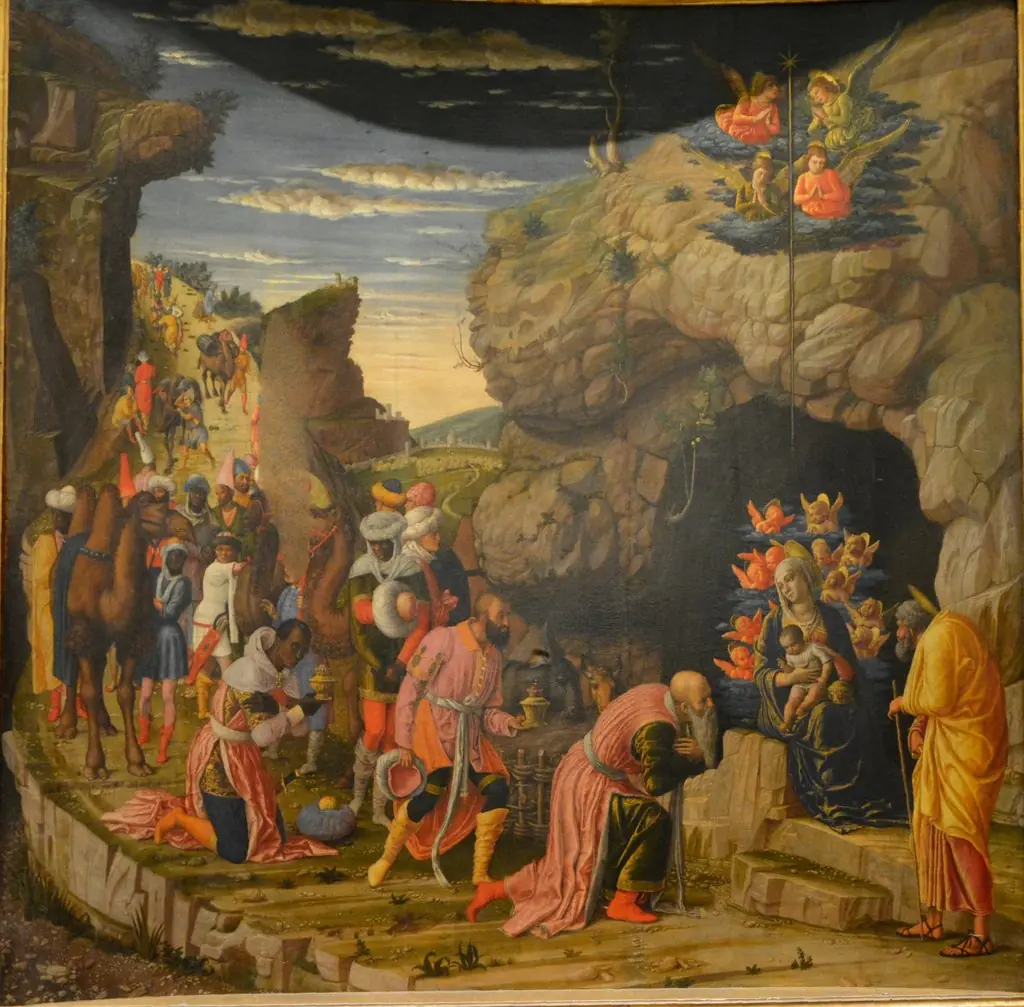 Adoration of the Magi
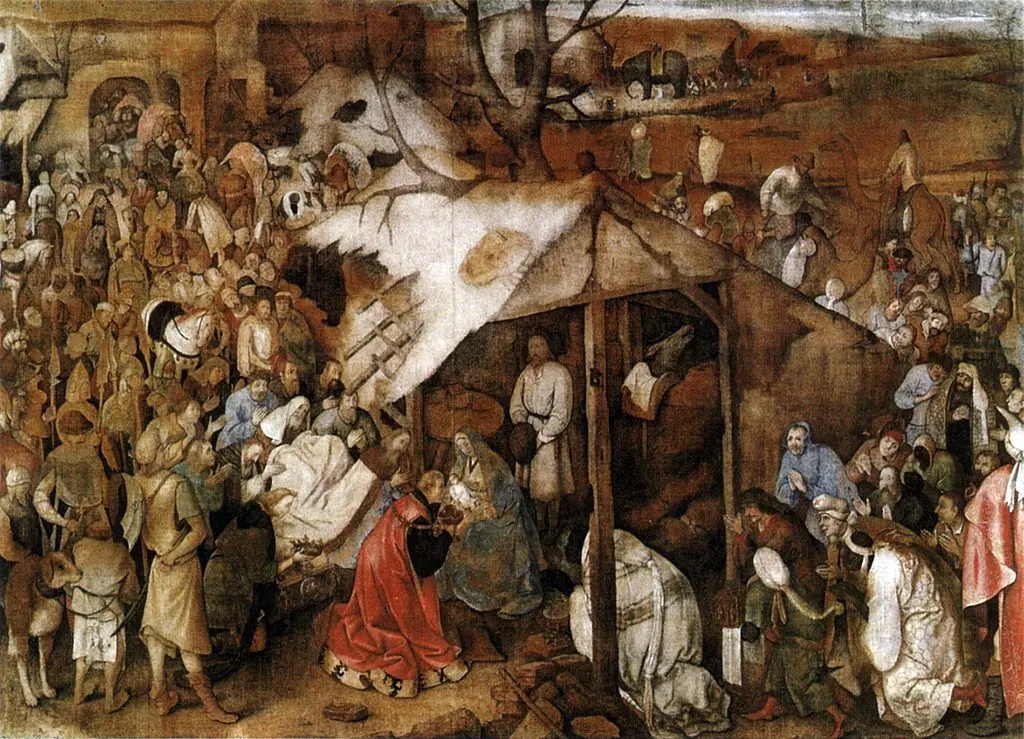 Adoration of the Magi
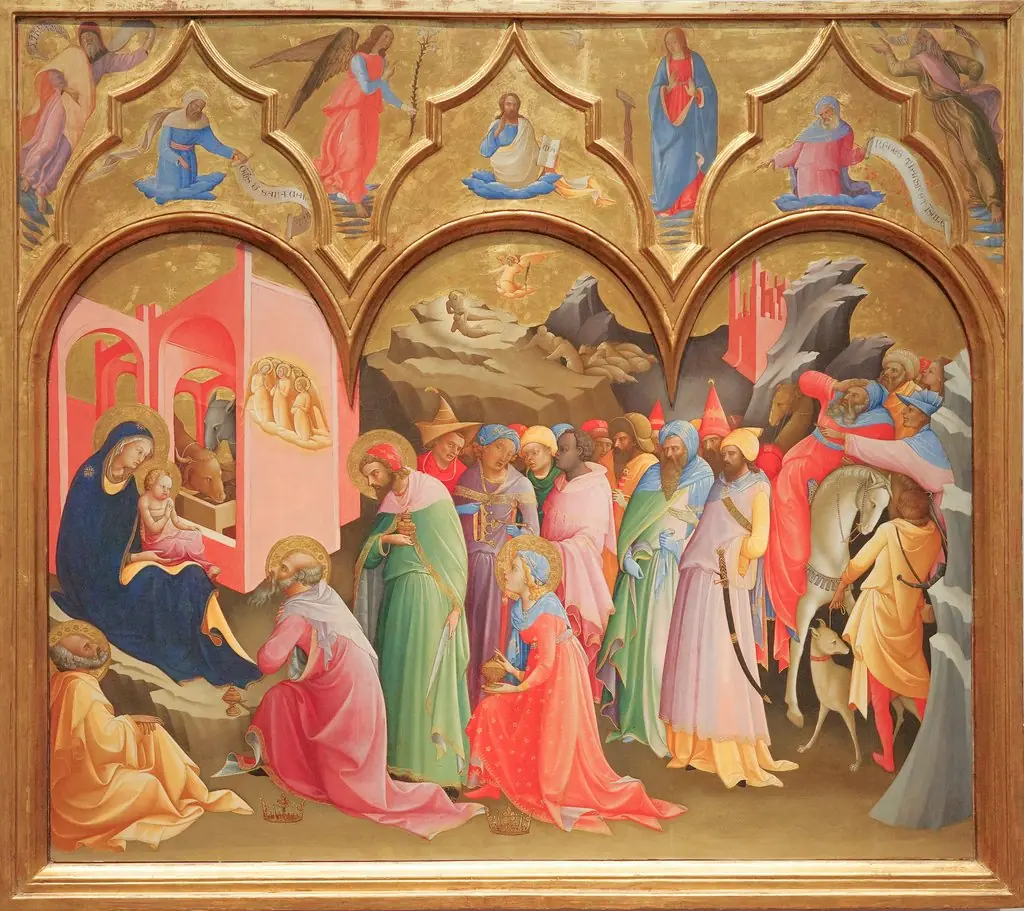 Adoration of the Magi
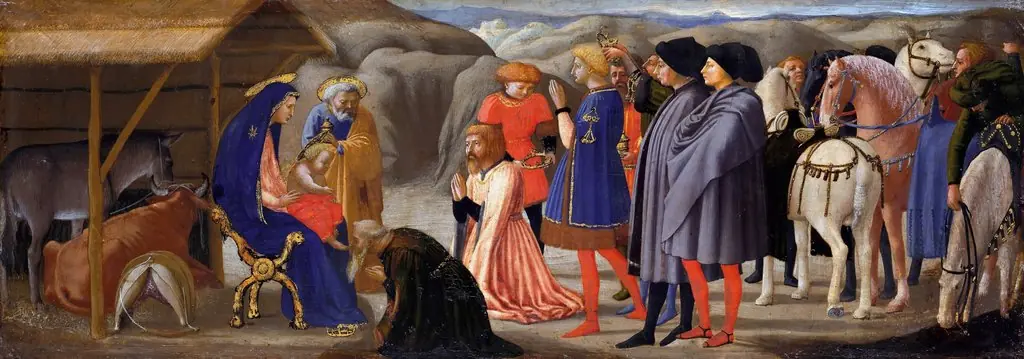 The Adoration of the Magi
 The Adoration of the Magi
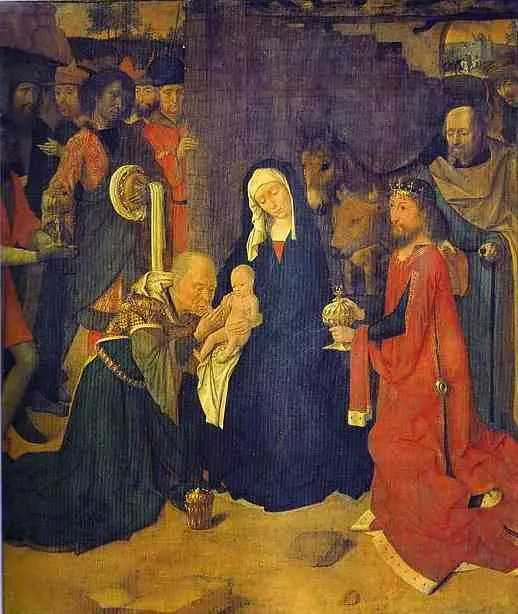 Adoration of the Magi
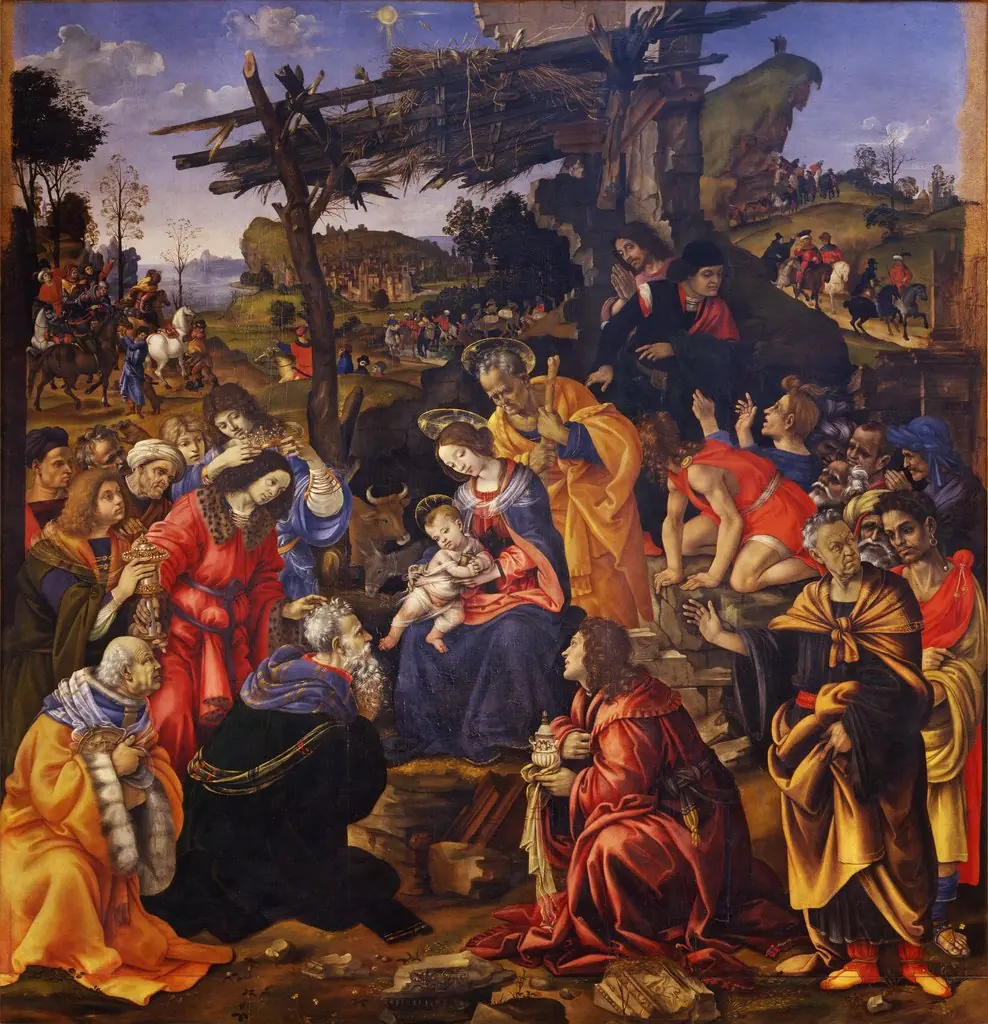 Adoration of the Magi
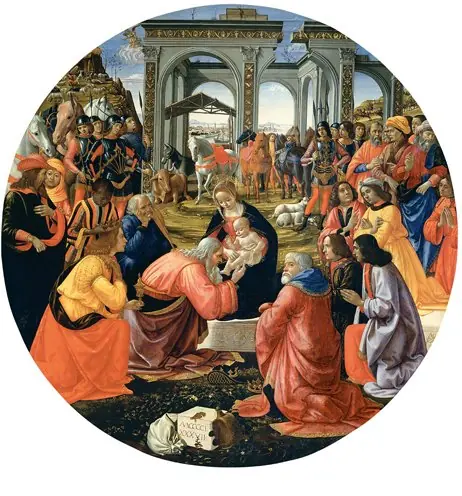 The Adoration of the Magi
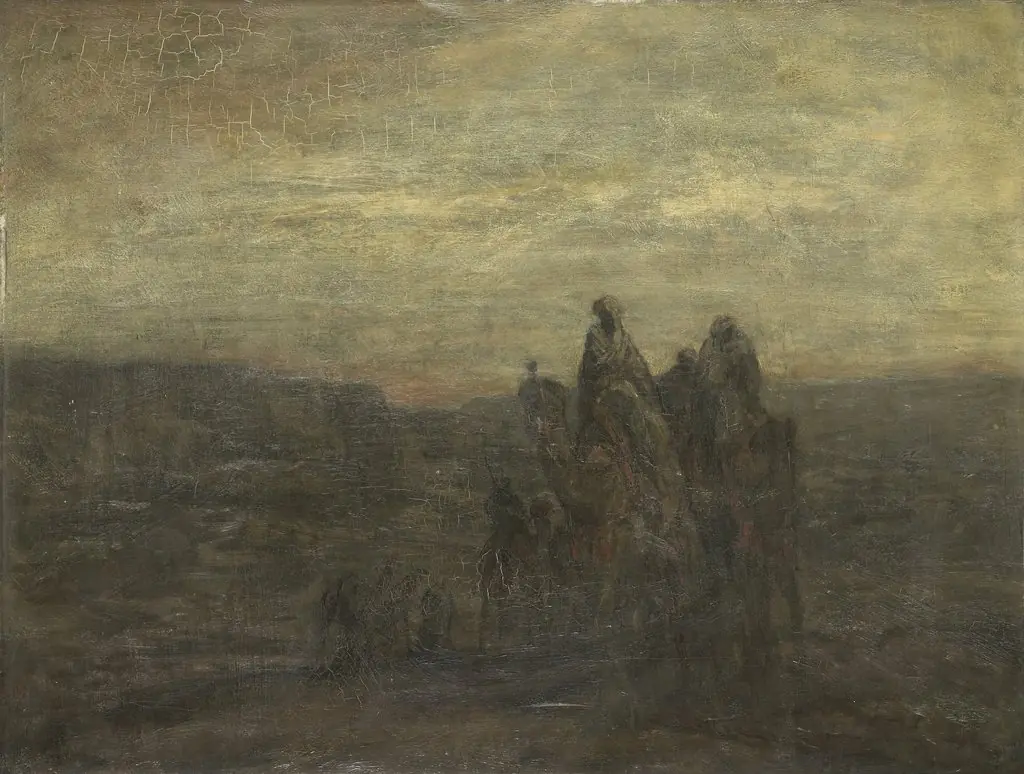 Caravan
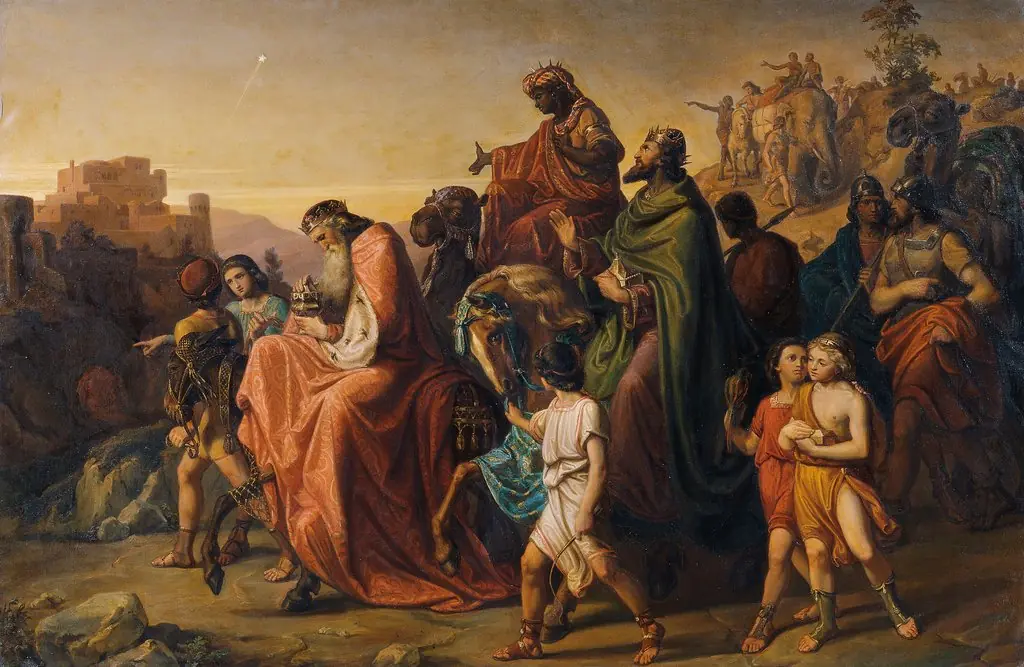 Journey of the Magi with their Retinue
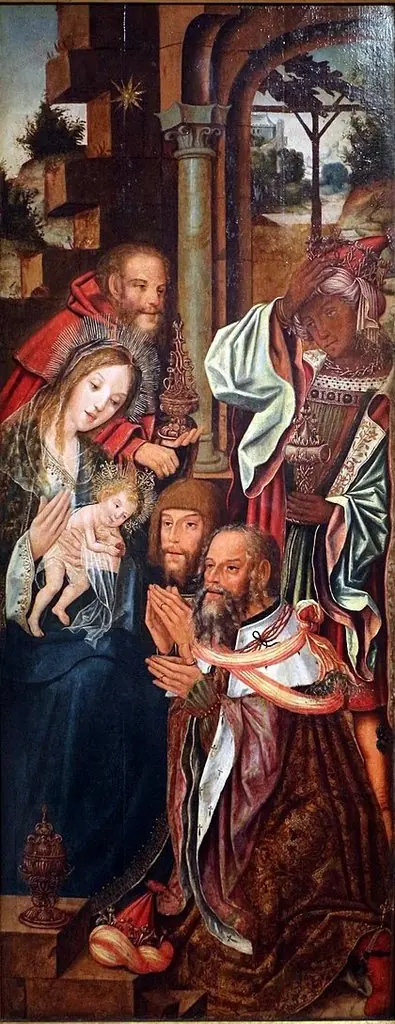 Adoration of the Magi
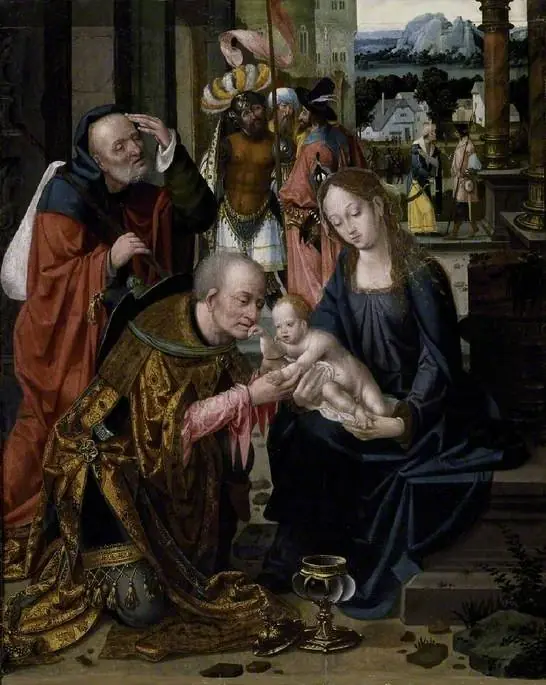 Adoration of the Kings
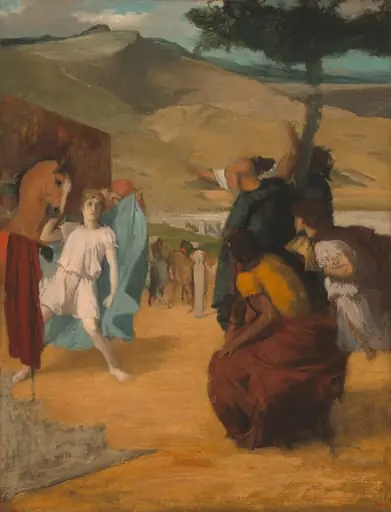 Alexander and Bucephalus
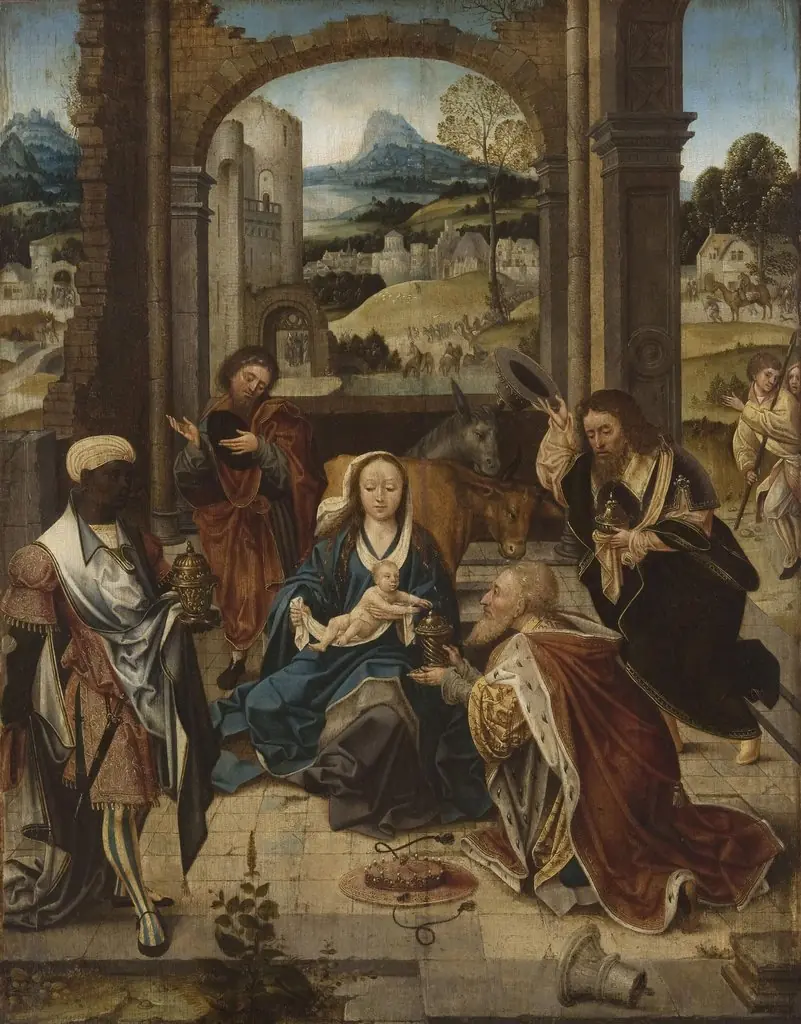 The Adoration of the Magi
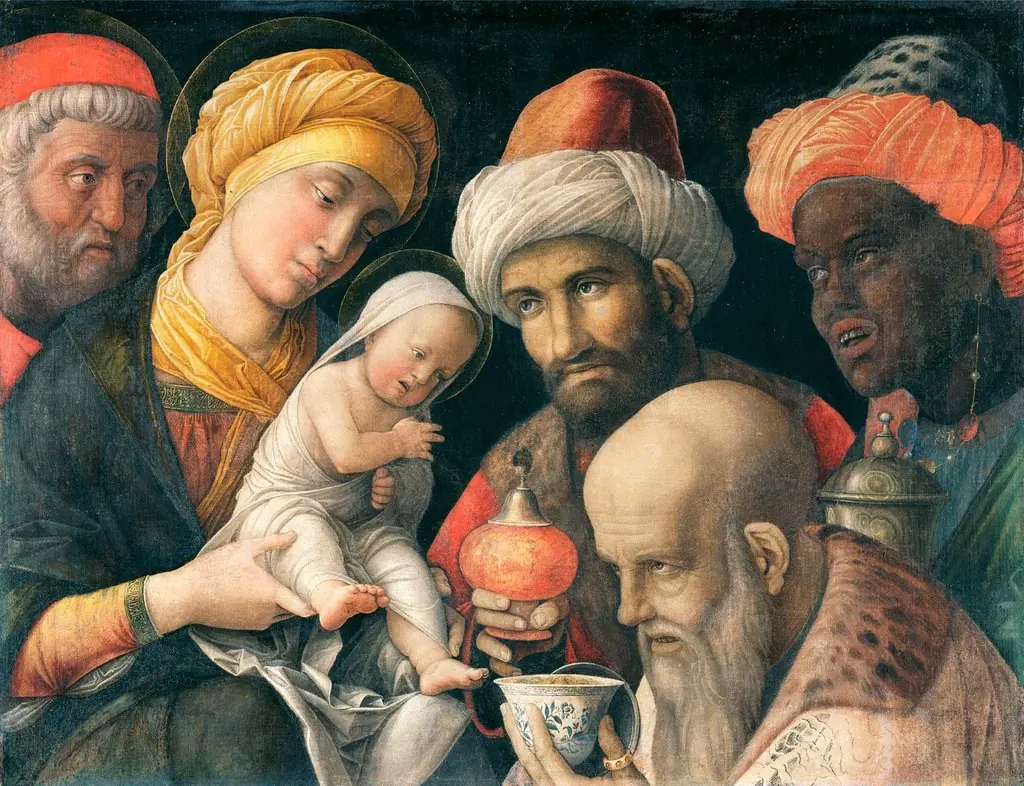 The Adoration of the Magi
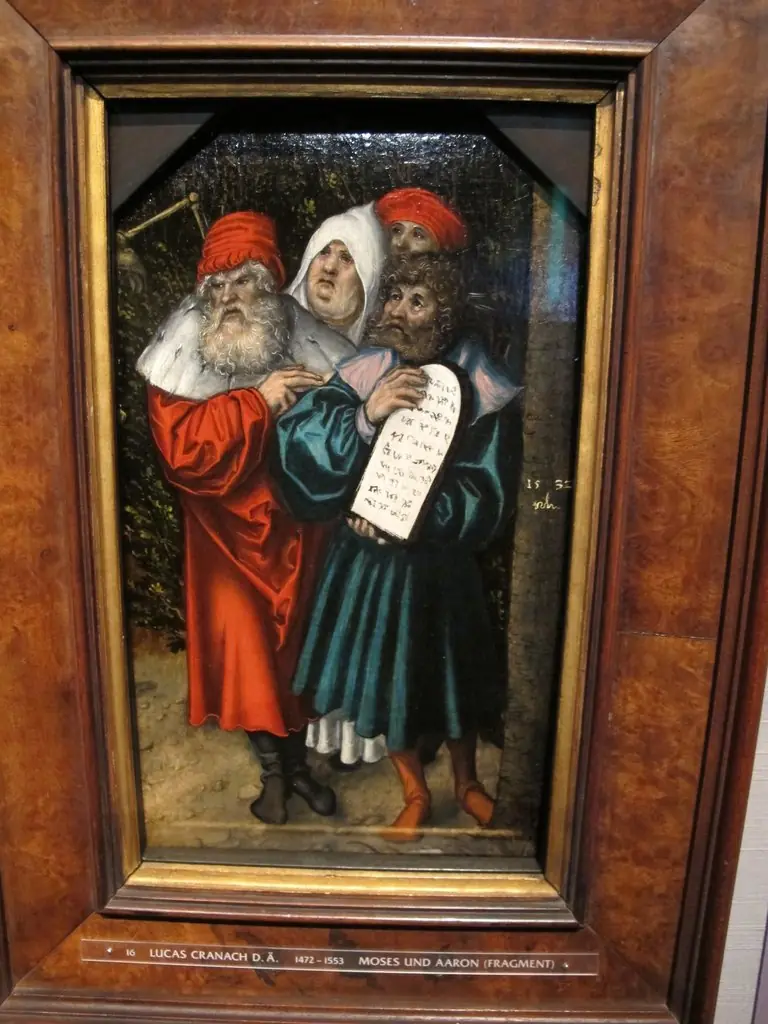 Mose and Aaron and two prophets
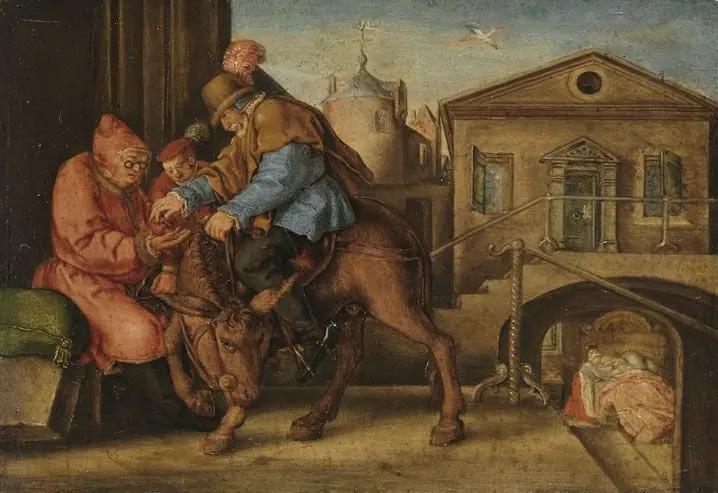 Der barmherzige Samariter bezahlt den Wirt (nach)
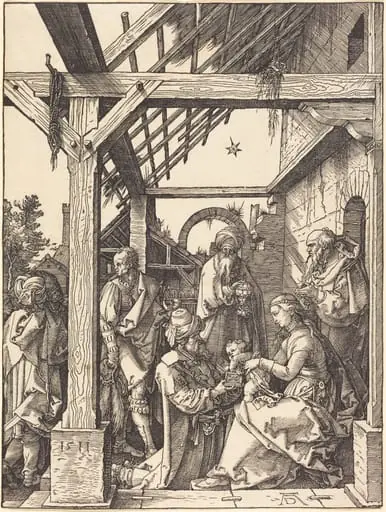 The Adoration of the Magi
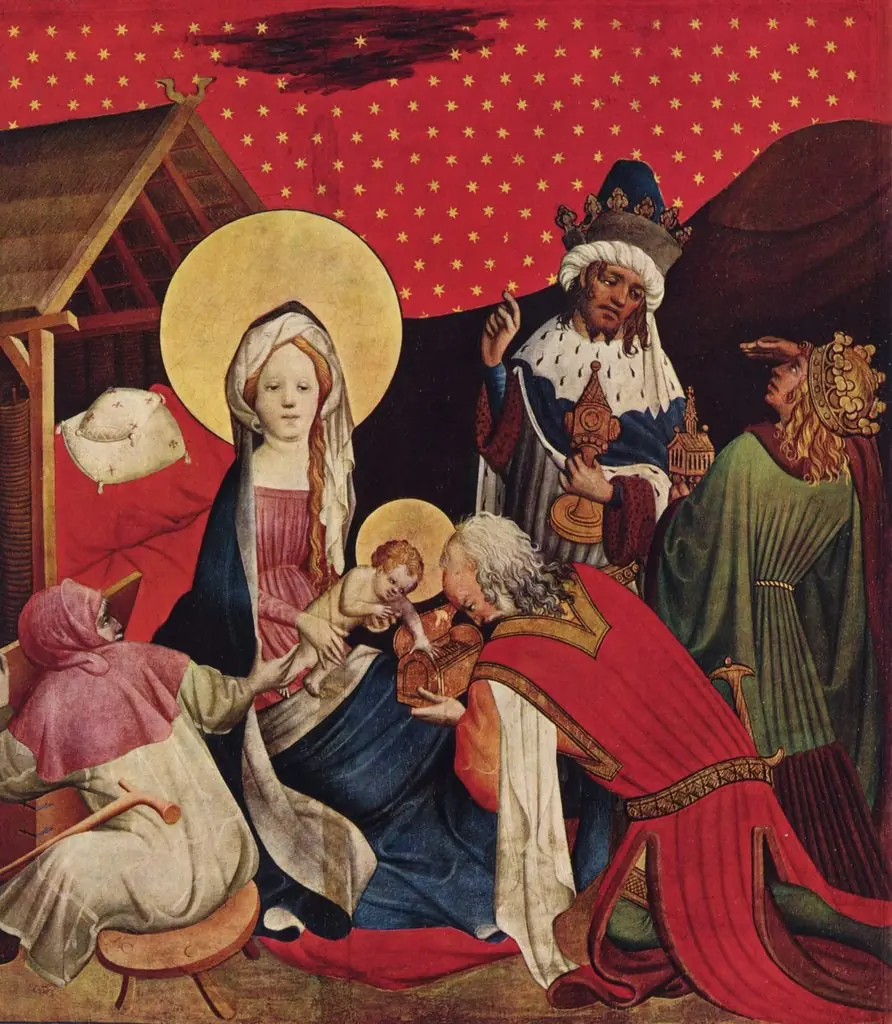 Thomasaltar, Fragment des rechten äußeren Flügels, Szene oben: Anbetung der Könige
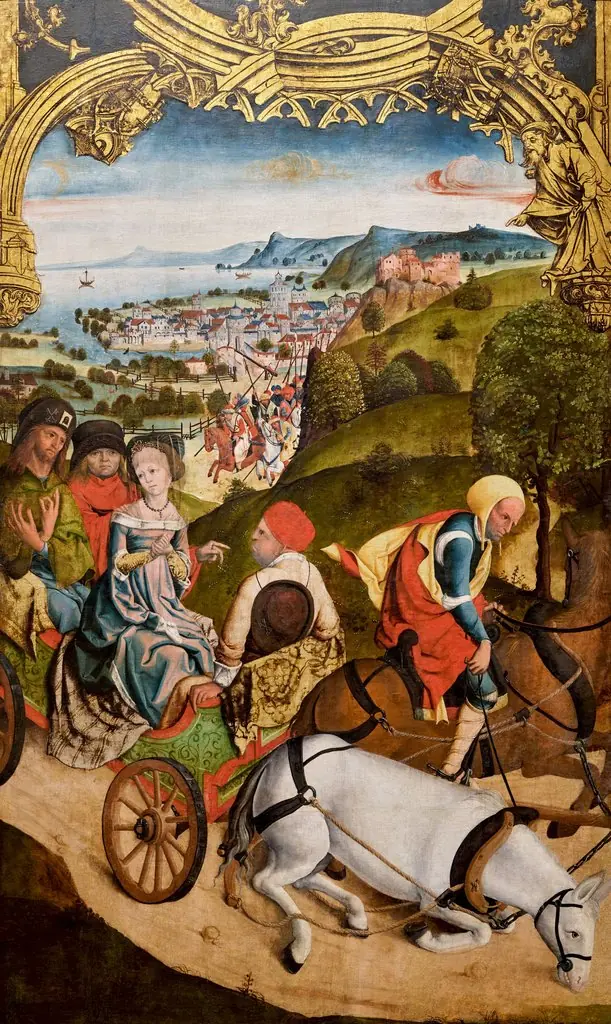 Flucht der hll. Cantius, Cantianus und Cantianilla (Innenseite); Christus am Ölberg (Außenseite)
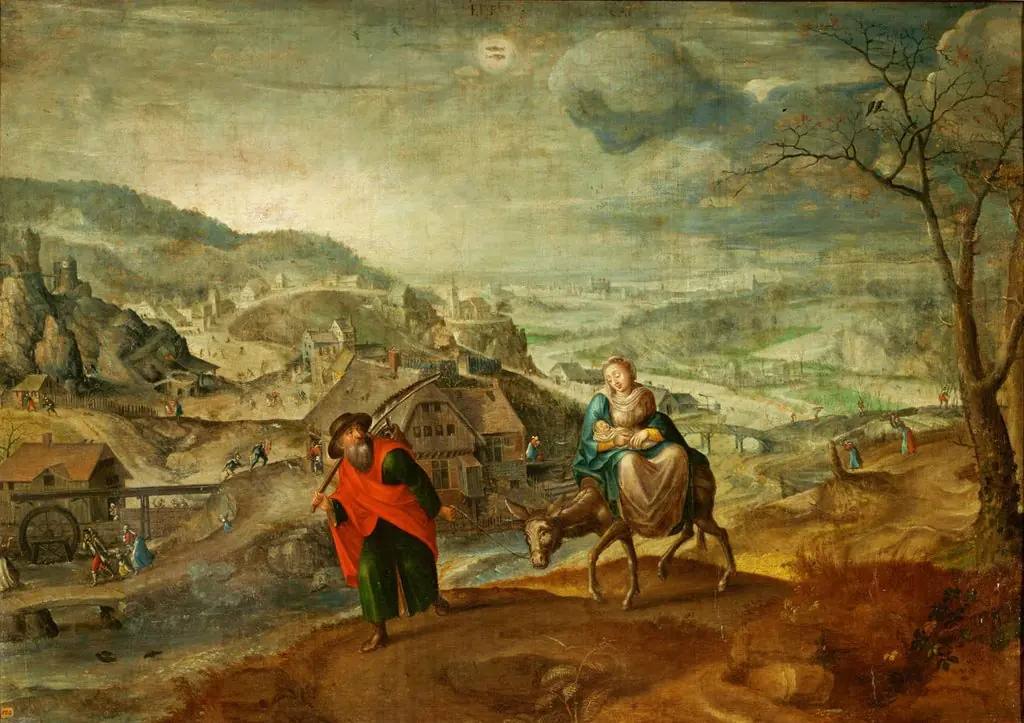 Flight into Egypt (February)
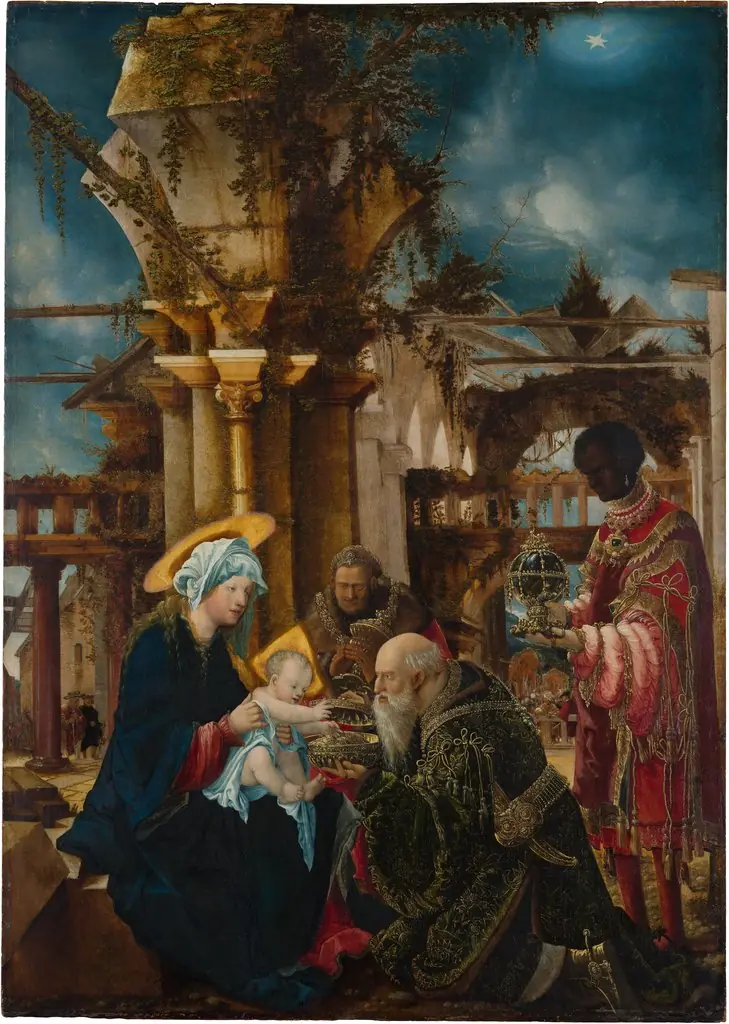 The Adoration of the Magi
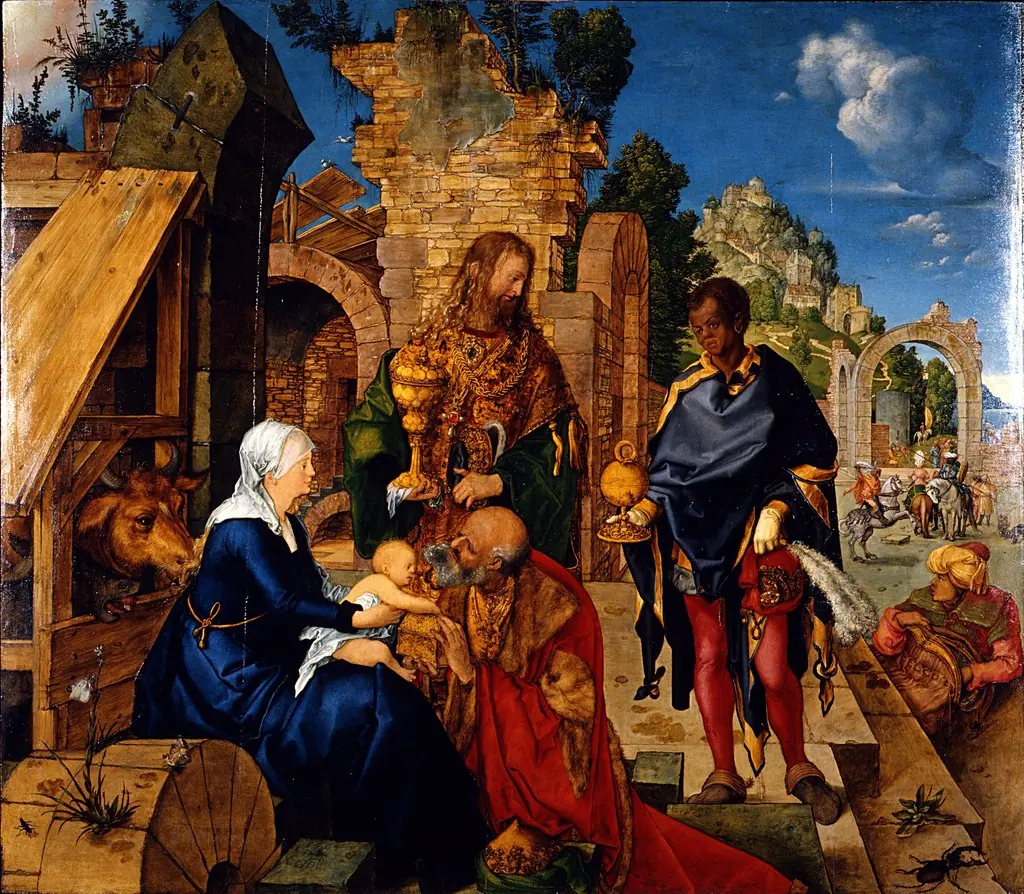 Adoration of the Magi
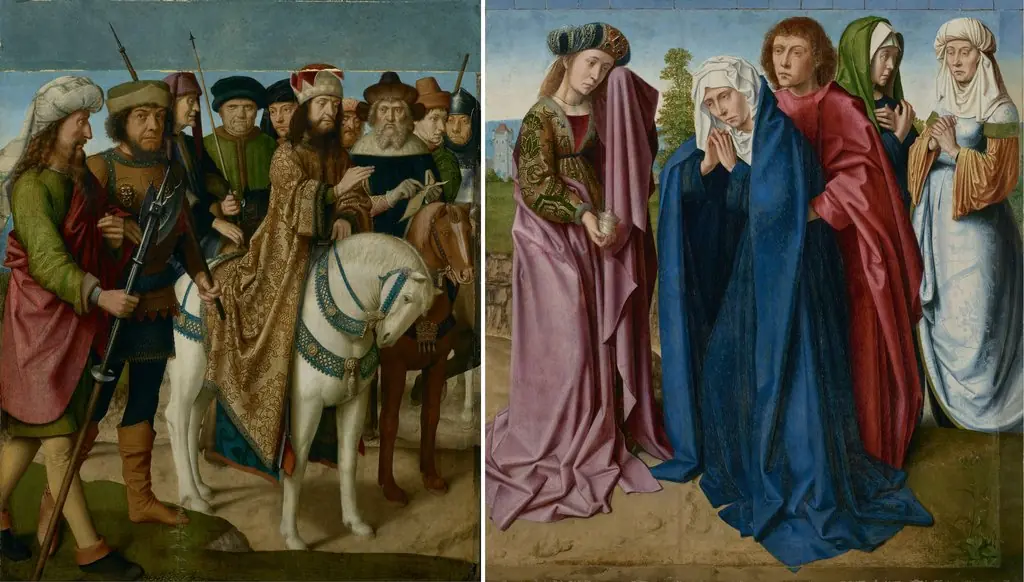 Christ Nailed to the Cross
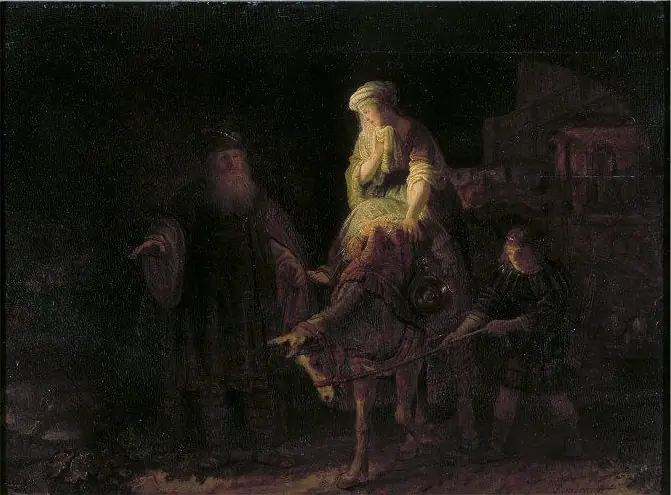 The Departure of the Shunammite Woman
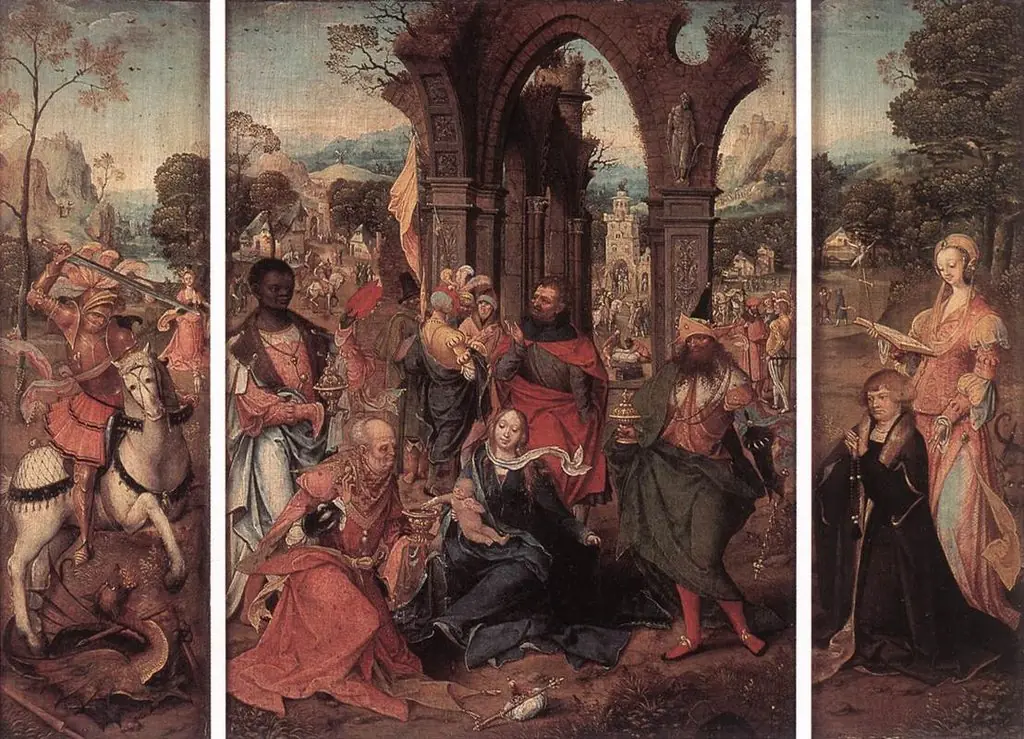 Adoration of the Magi
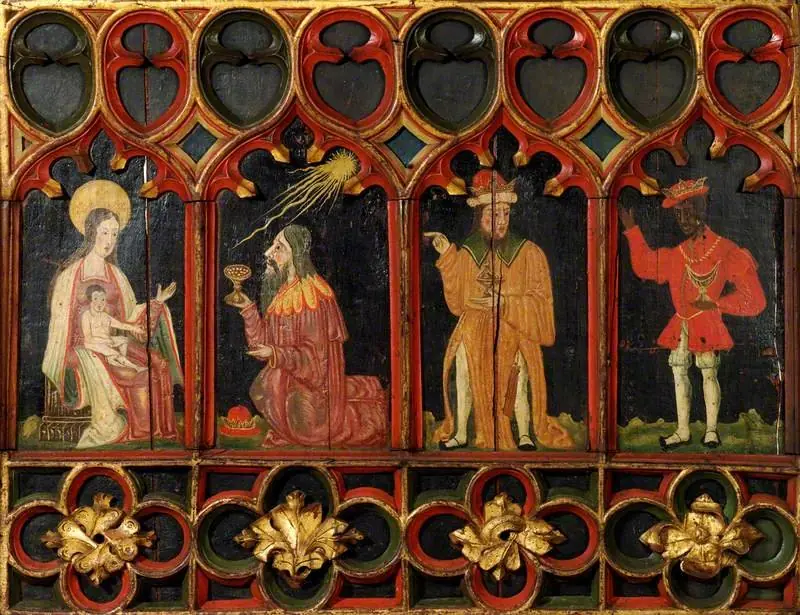 The Adoration of the Magi (lower part of a rood screen)
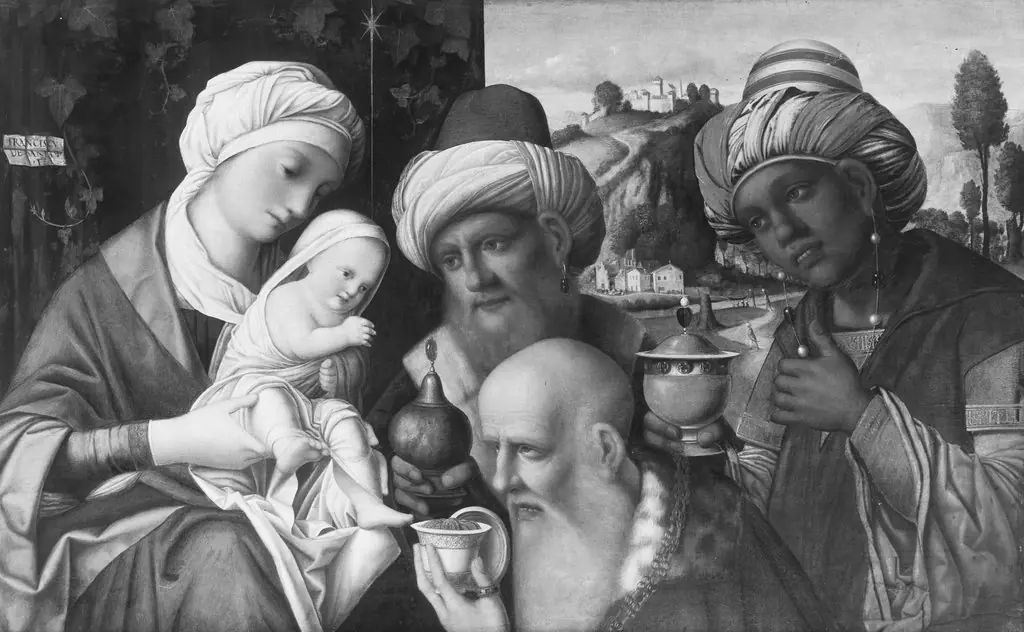 Adoration of the Kings
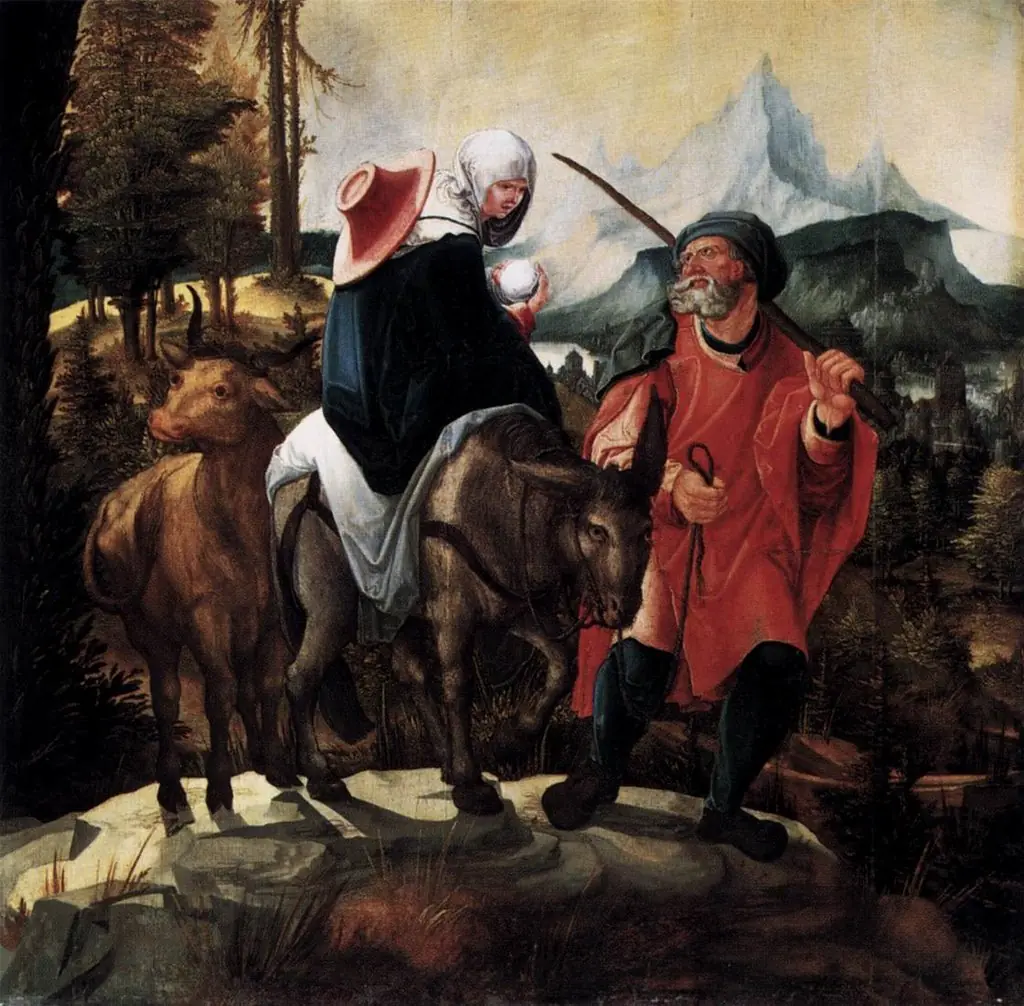 The Rest on The Flight into Egypt
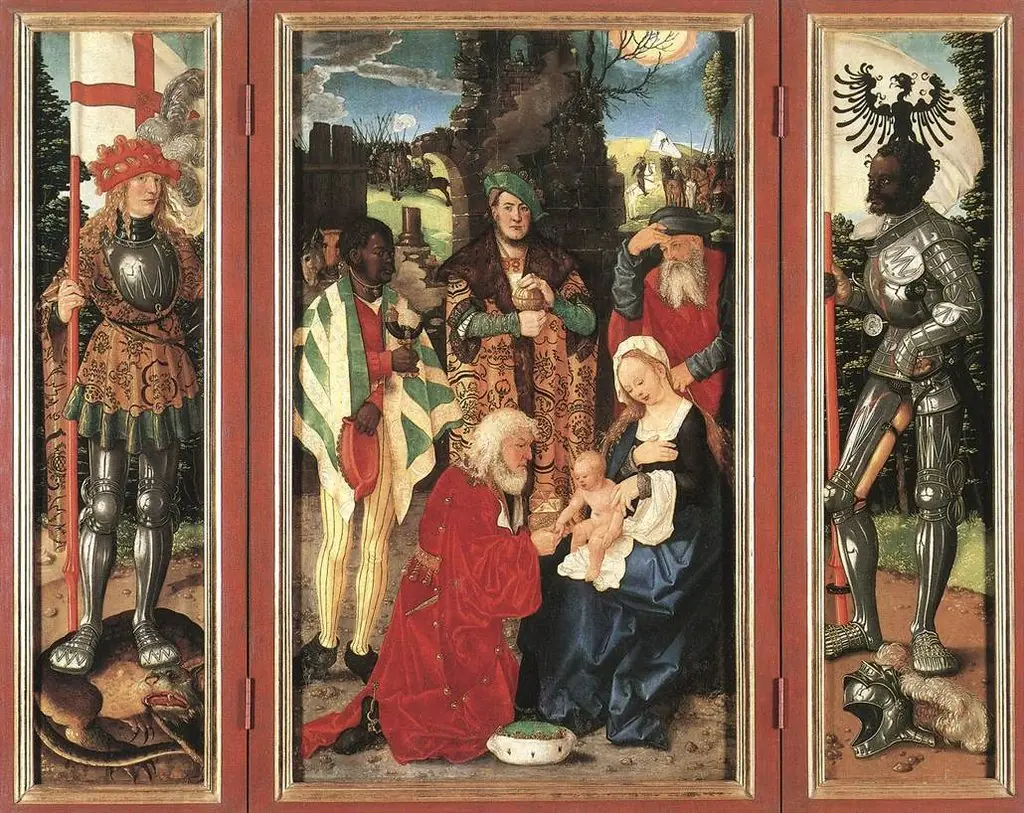 The Altar of the Three Kings
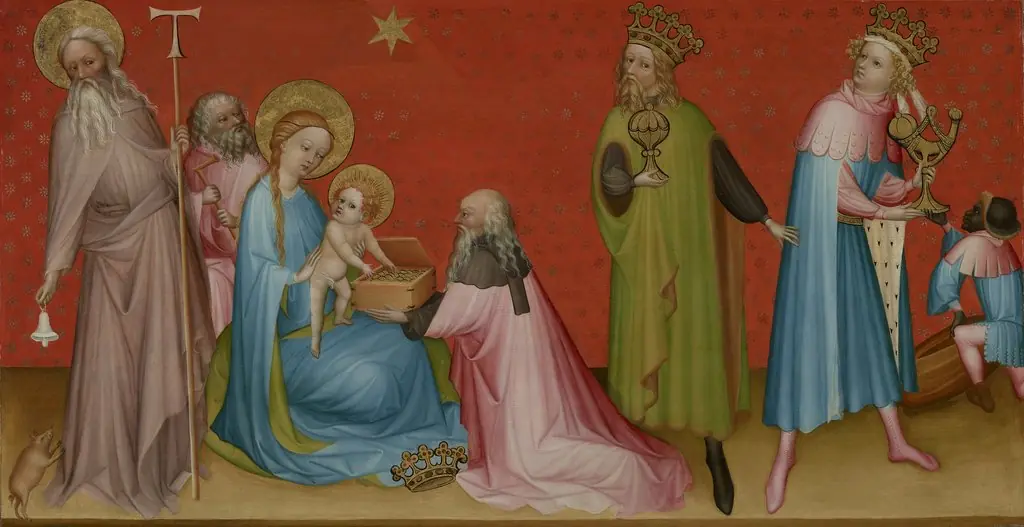 The Adoration of the Magi with Saint Anthony Abbot
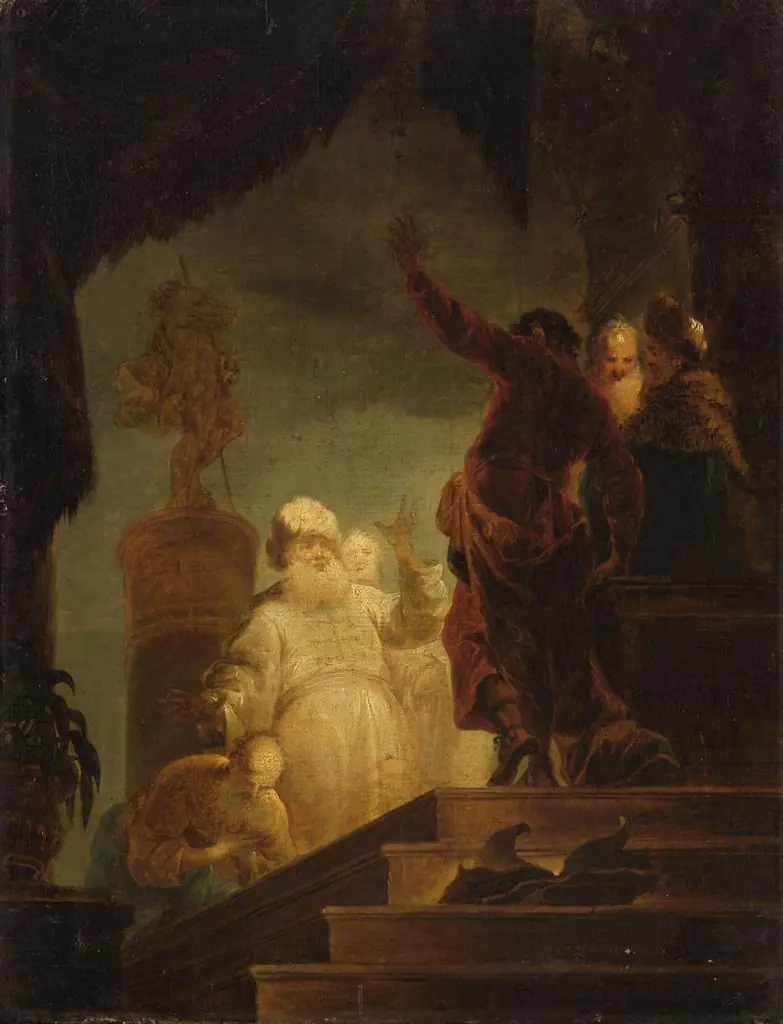 Paulus in Athen
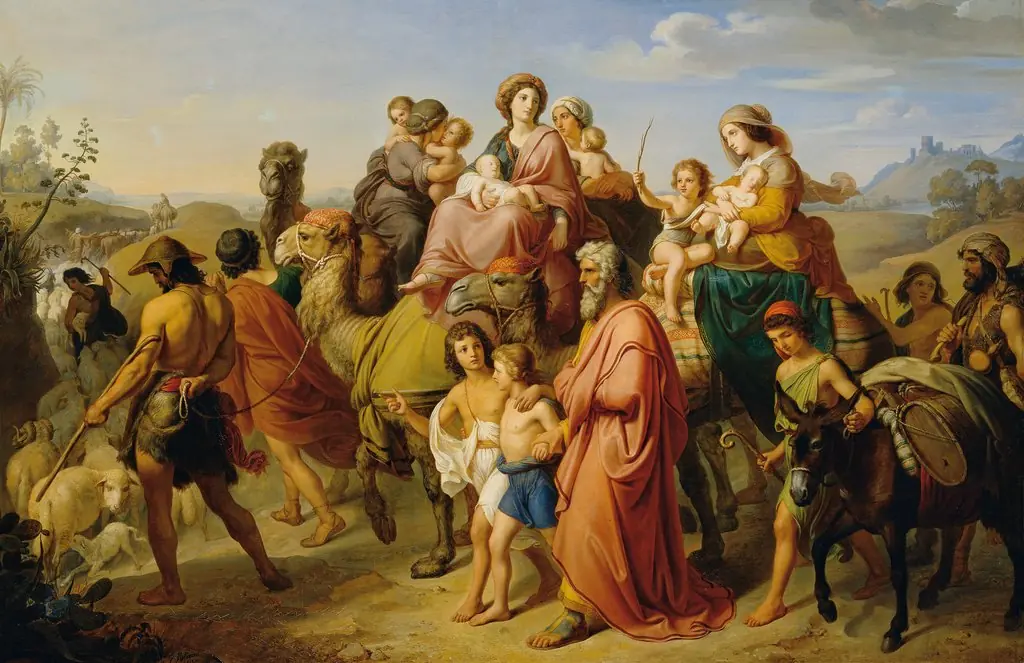 Jacob's homecoming
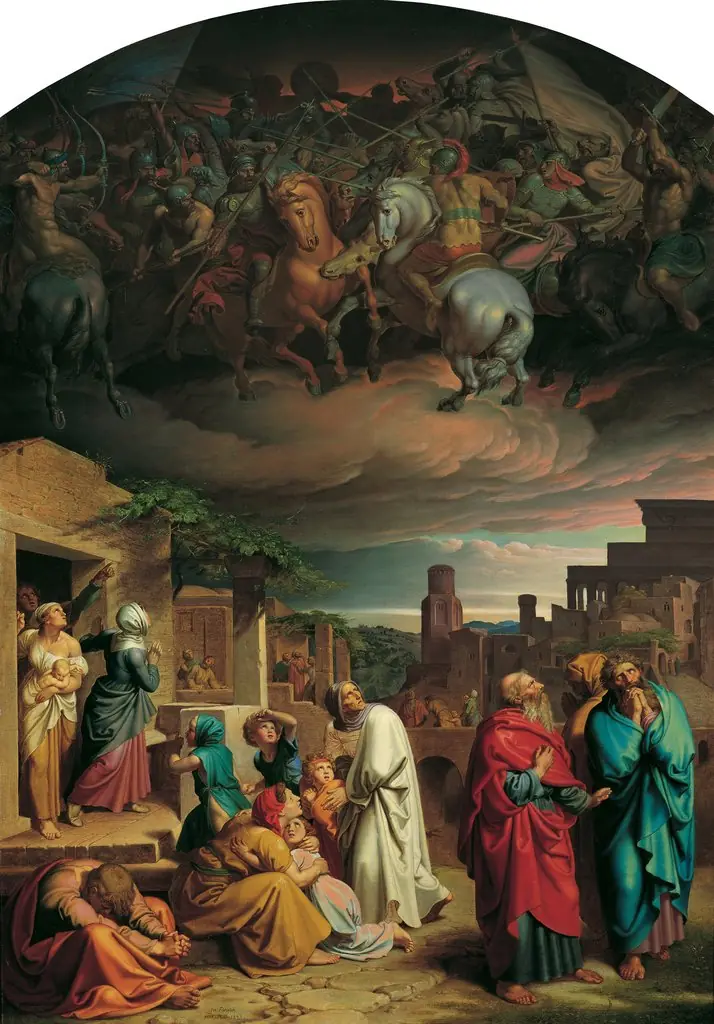 Vision of the Inhabitants of Jerusalem Before the Conquest of the City by Antiochus IV Epiphanes
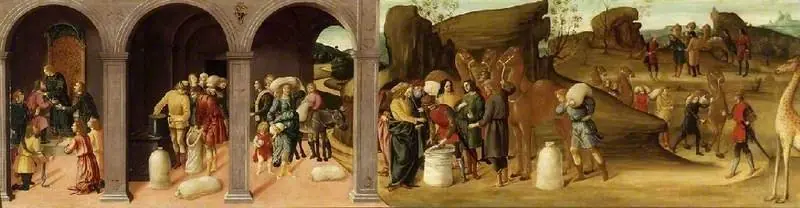 The Story of Joseph, II
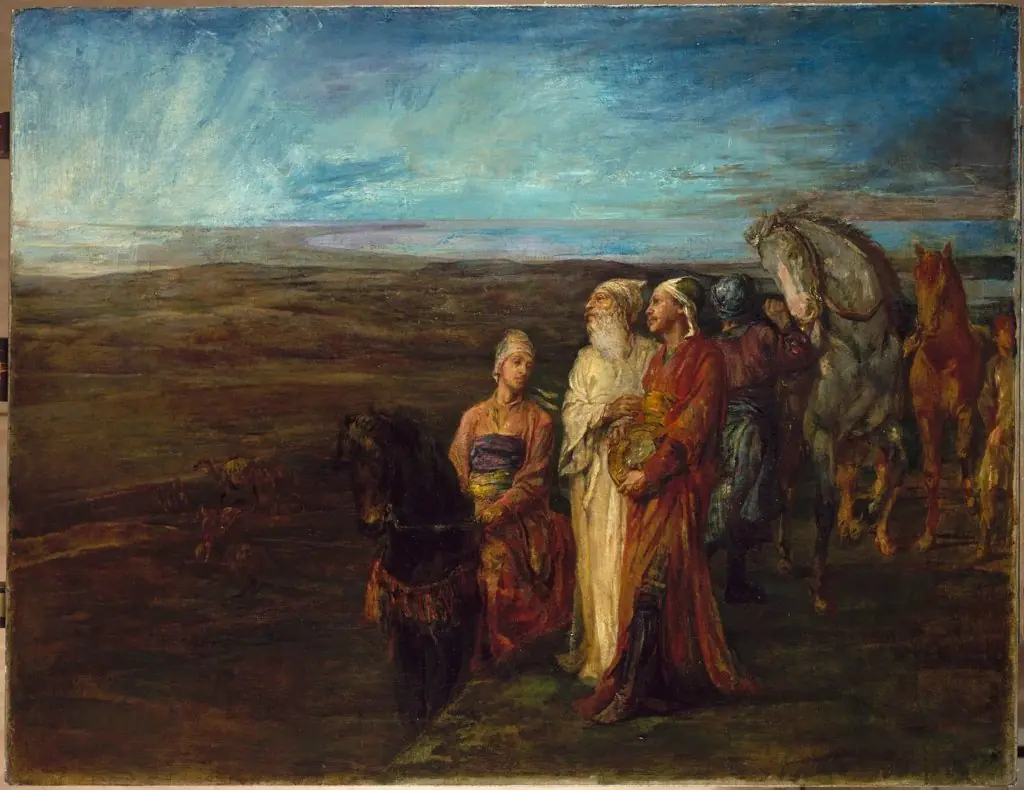 The Three Wise Men
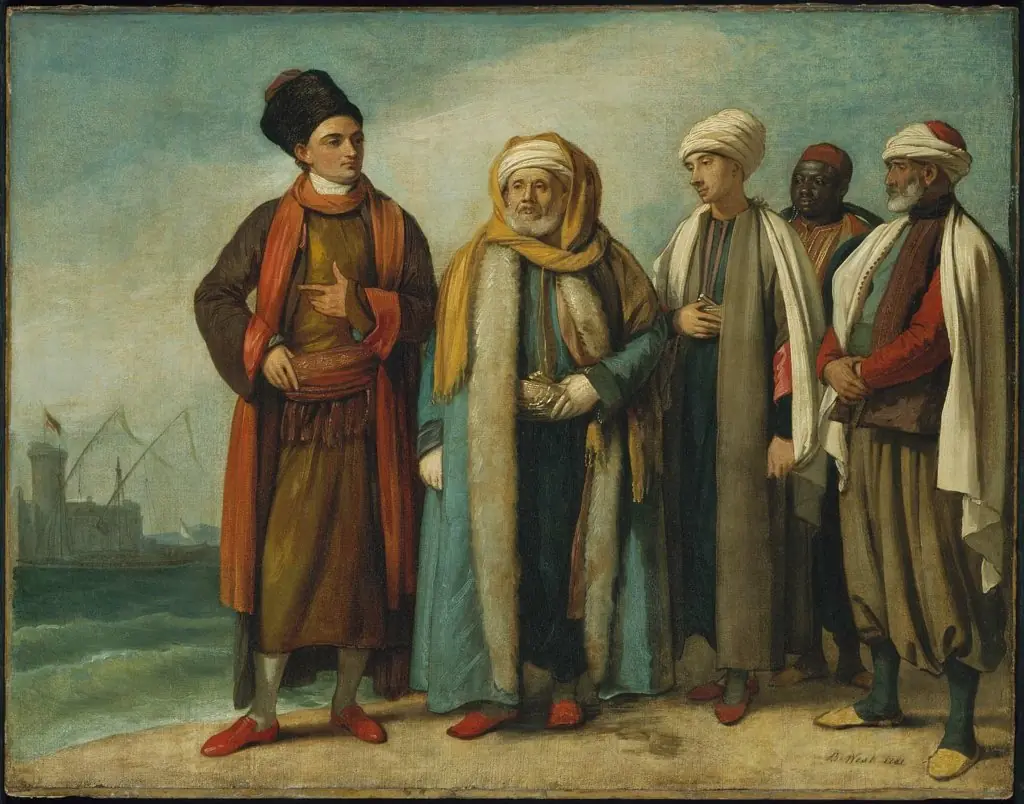 The Ambassador from Tunis with His Attendants as He Appeared in England in 1781
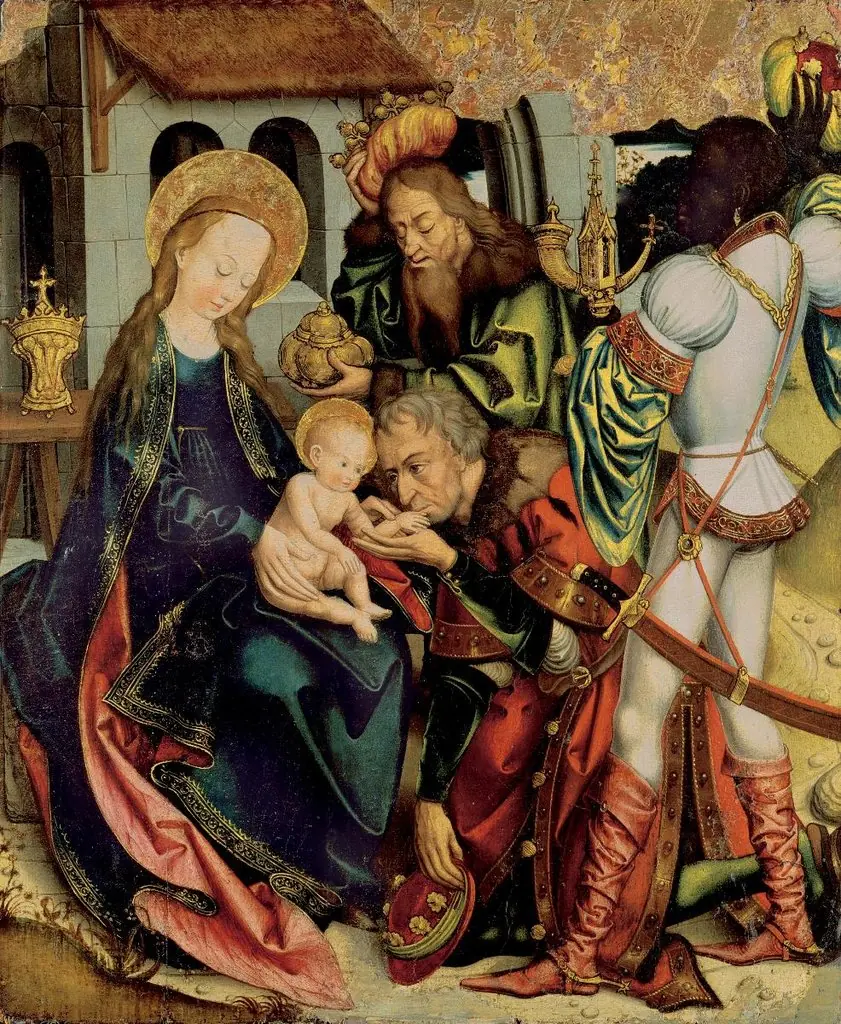 Anbetung der Heiligen Drei Könige
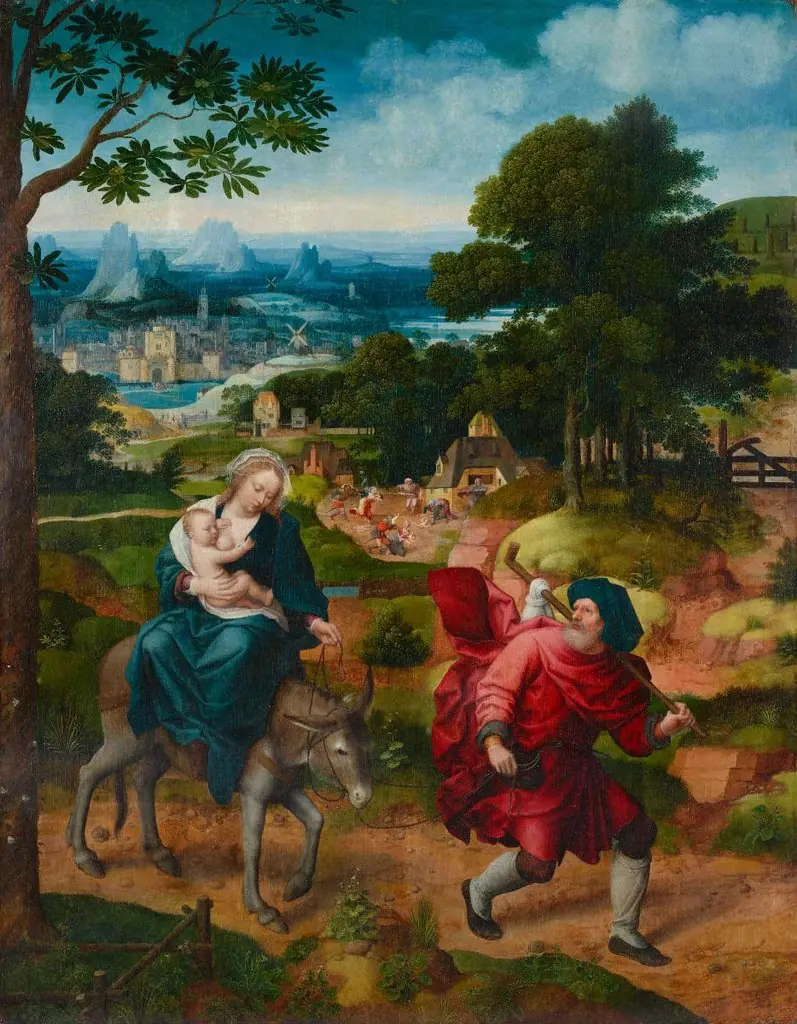 Flucht nach Ägypten
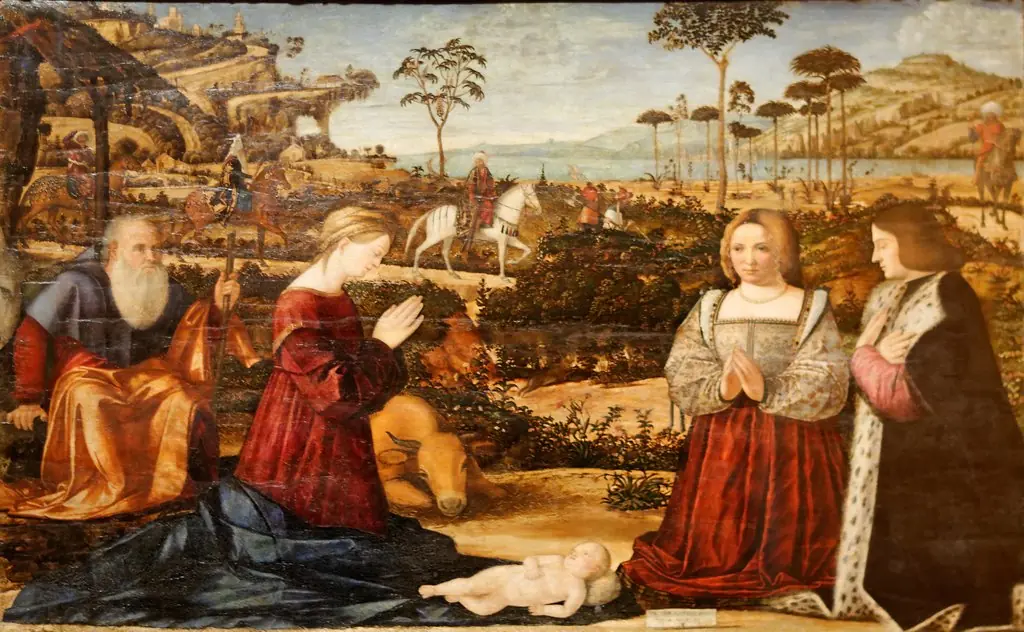 Holy Family and Donors
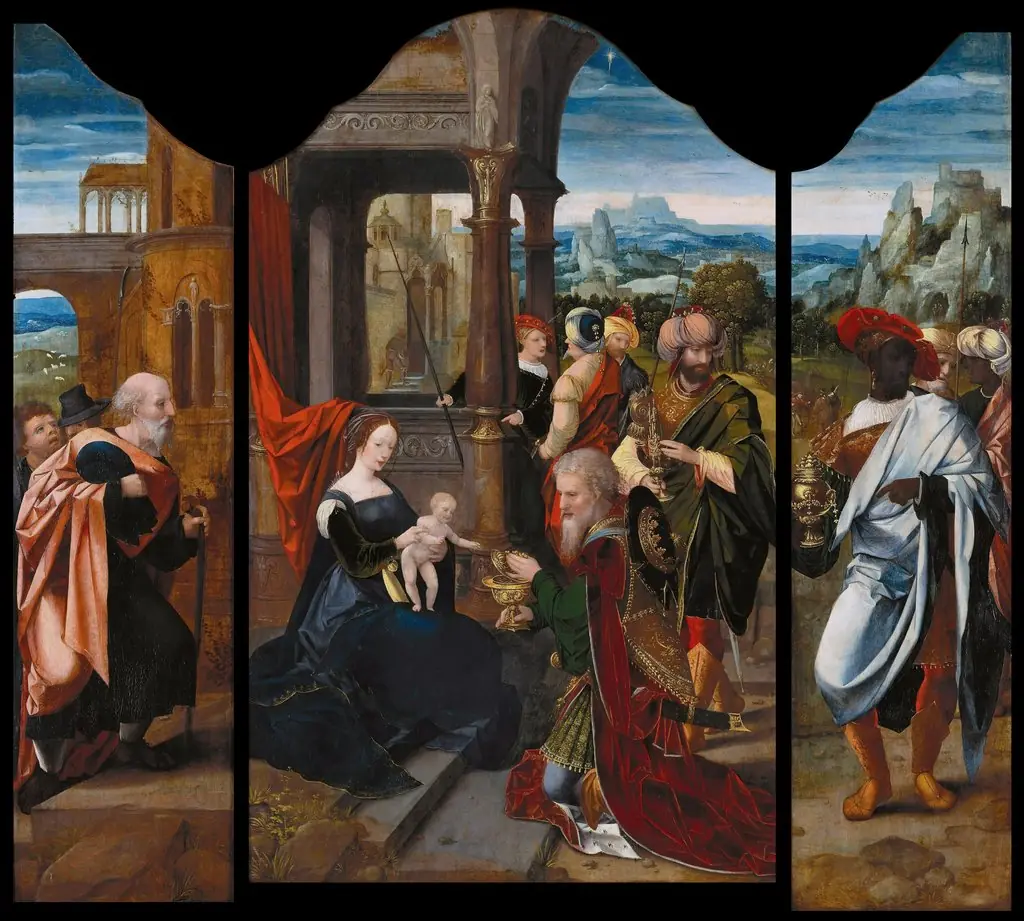 Triptych with the Adoration of the Magi
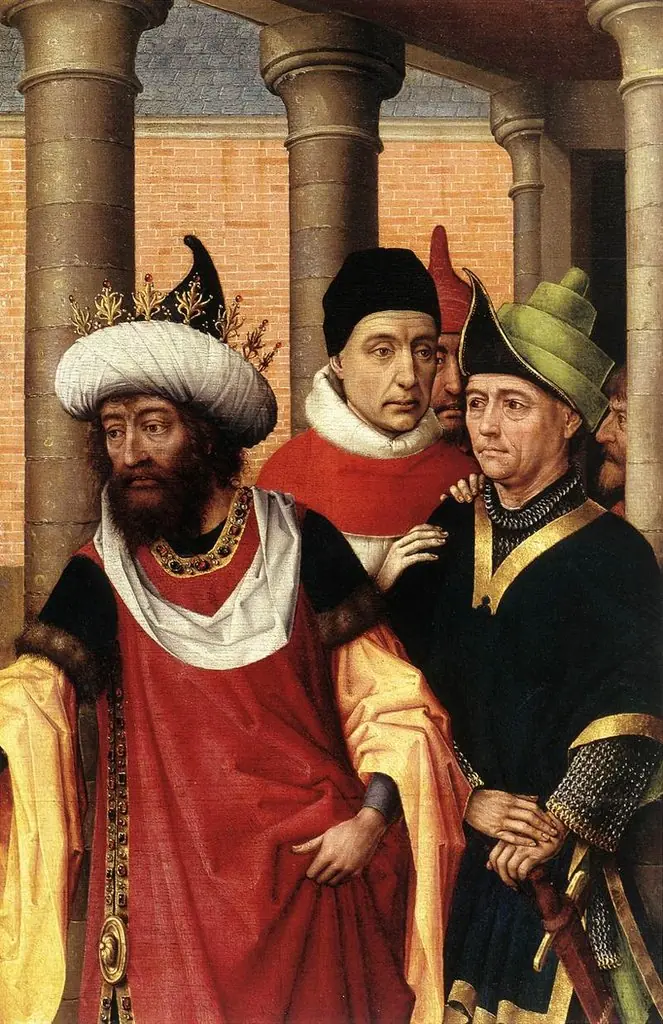 Fragment with group of men
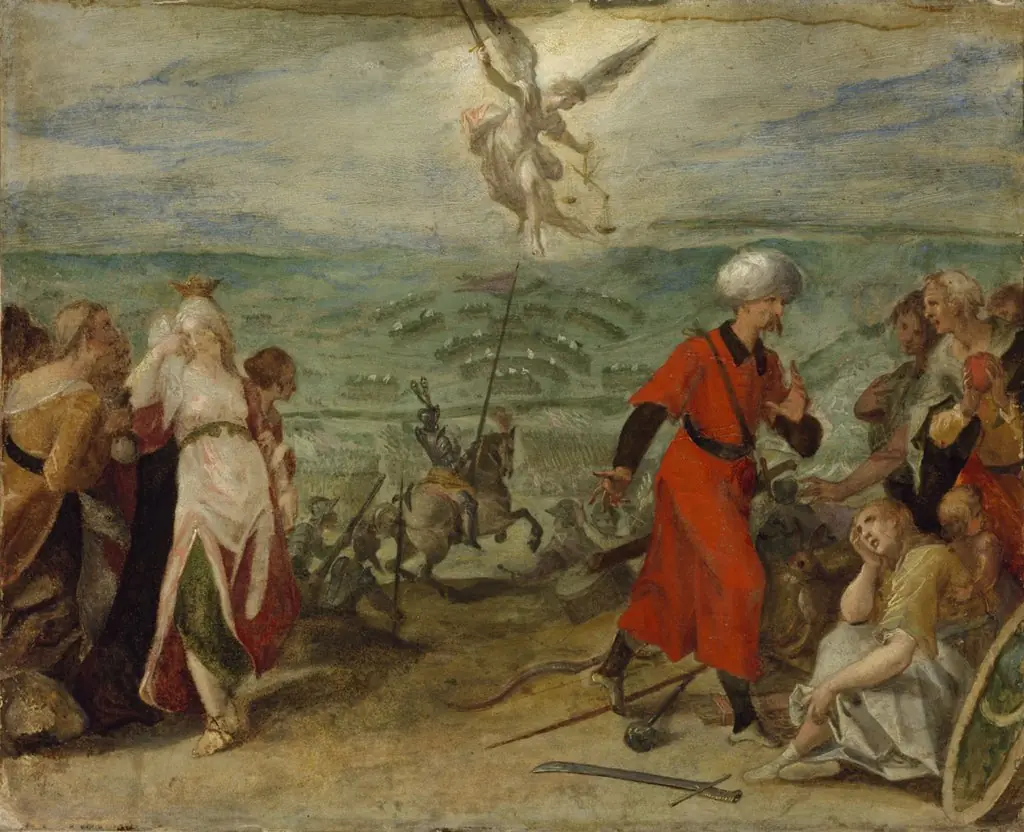 Allegory of the Battle of Mezőkeresztes
 De aanbidding der wijzen
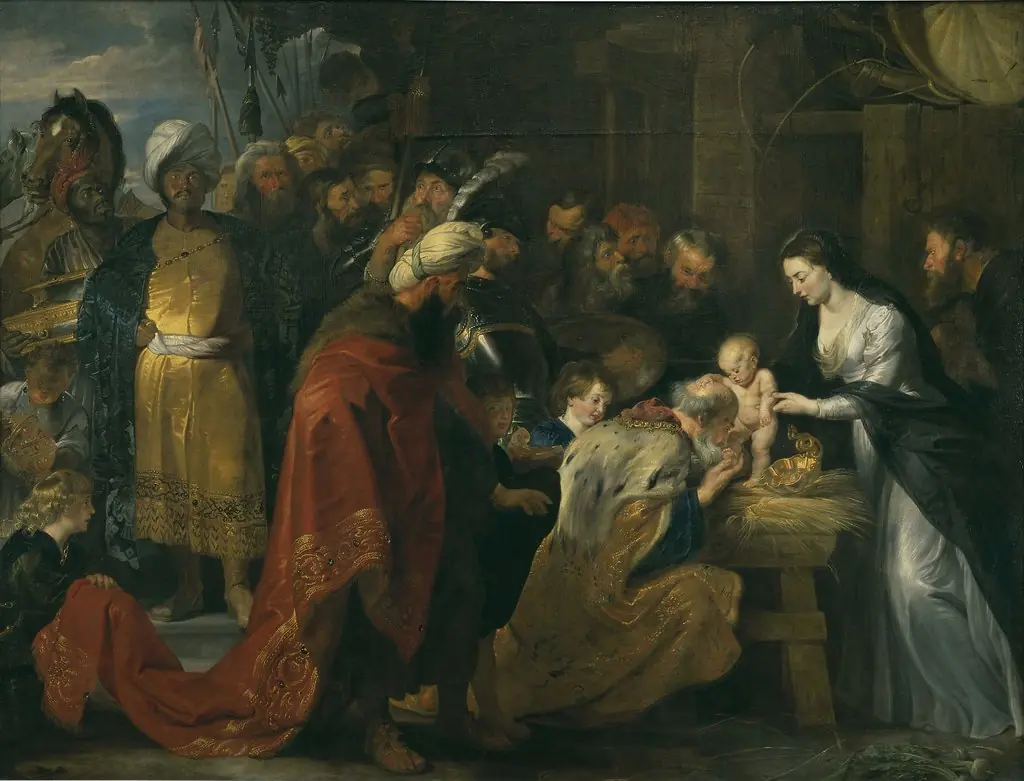 Adoration of the Magi
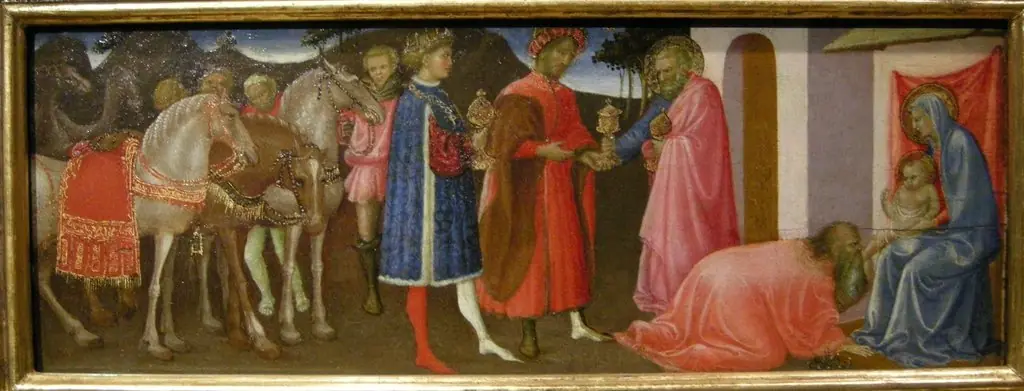 The adoration of the Magi
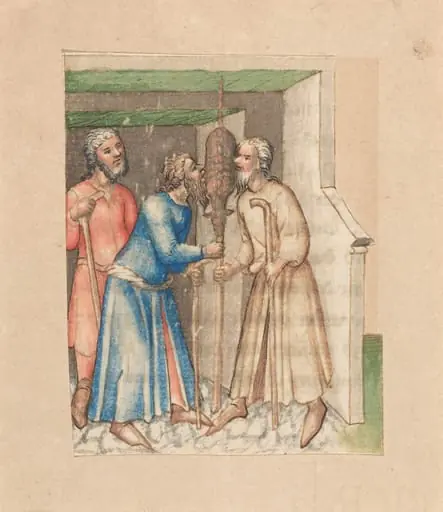 The Passover Lamb
![The Destruction of the Egyptian Idols [verso]](https://artifactworldgallery.com/img/the-destruction-of-the-egyptian-idols-verso--646d3c2b8098cfee-w320.webp) The Destruction of the Egyptian Idols [verso]
The Destruction of the Egyptian Idols [verso]![The Flight into Egypt [recto]](https://artifactworldgallery.com/img/the-flight-into-egypt-recto--8f4d5275d7f90f98-w320.webp) The Flight into Egypt [recto]
The Flight into Egypt [recto]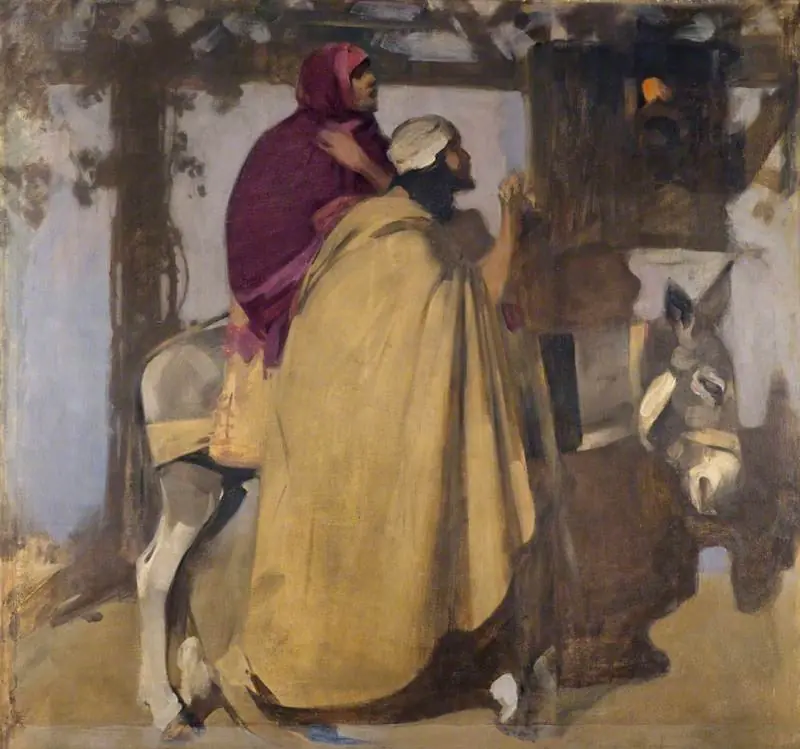 Christmas Eve: 'And there was no room for them in the inn' (unfinished)
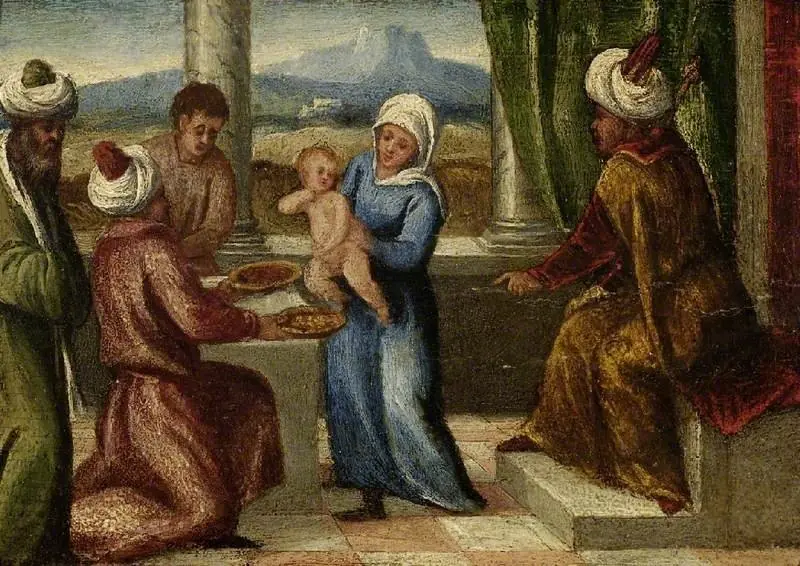 The Trial of Moses
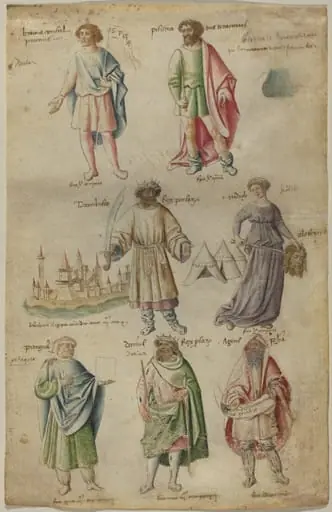 Seven Famous Figures from Ancient History
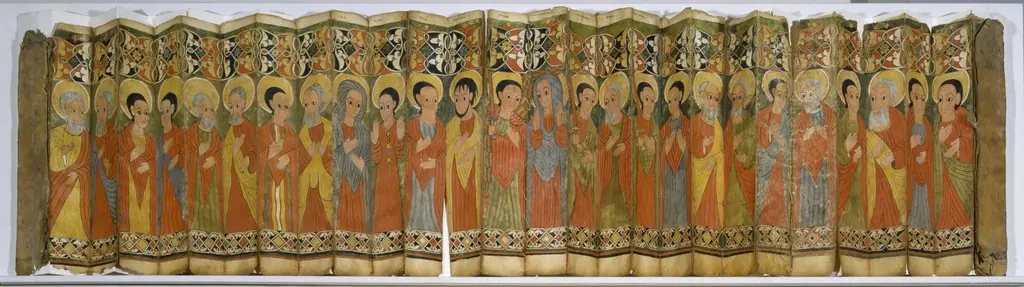 Folds from Ethiopian Processional Icon
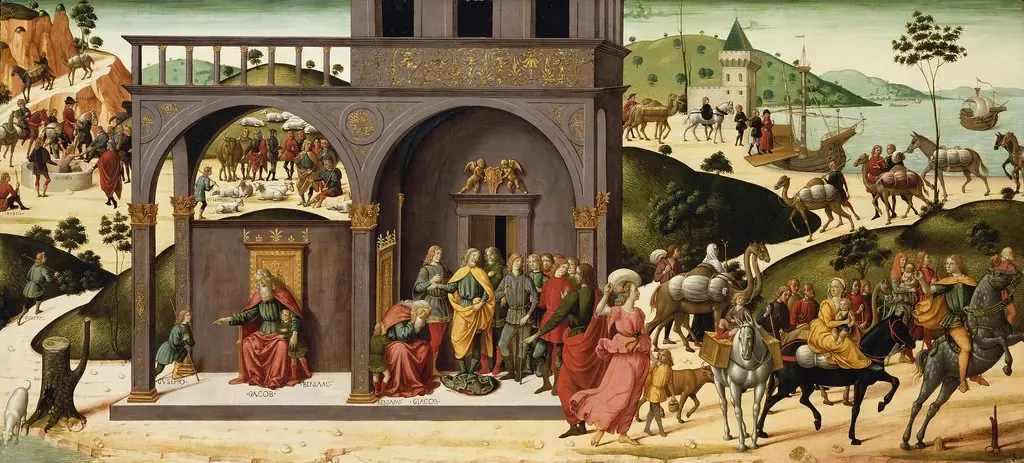 The Story of Joseph
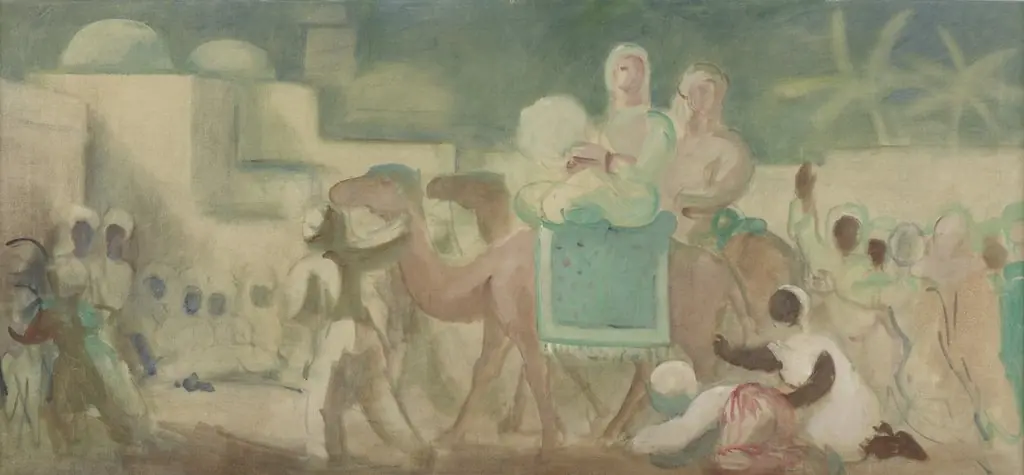 Menschen vor Stadt und zwei berittene Kamele
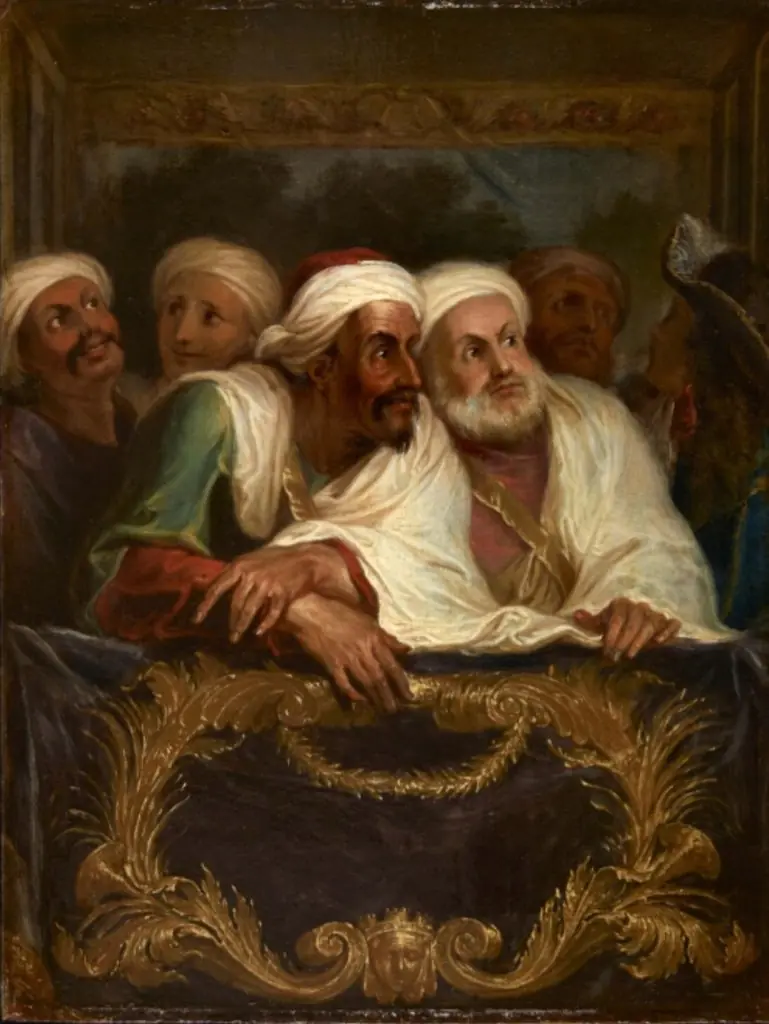 The Moroccan ambassador and his retinue at the Comédie italienne in Paris, February 1682
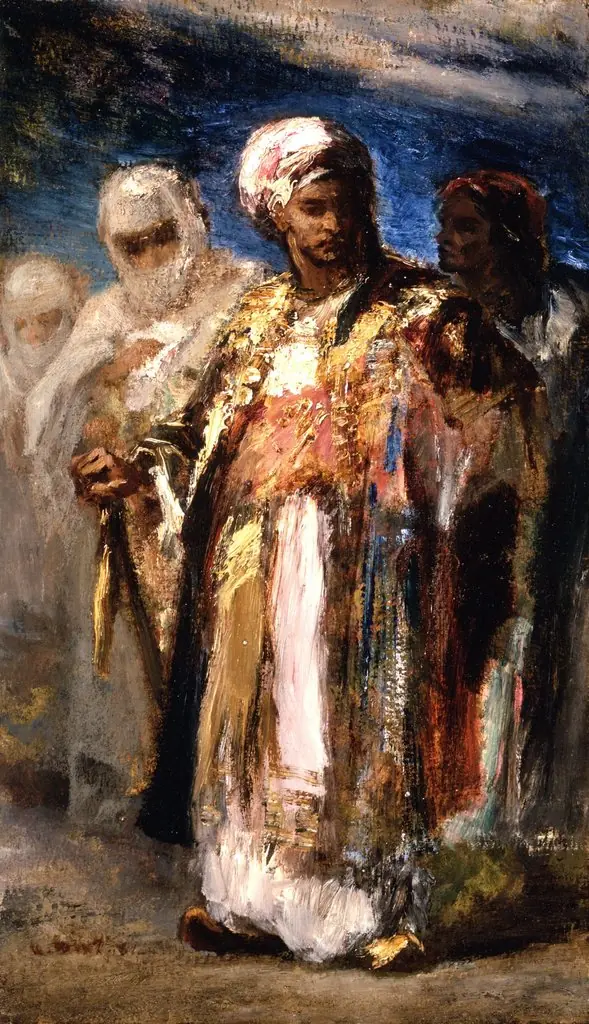 Men in Oriental Costumes
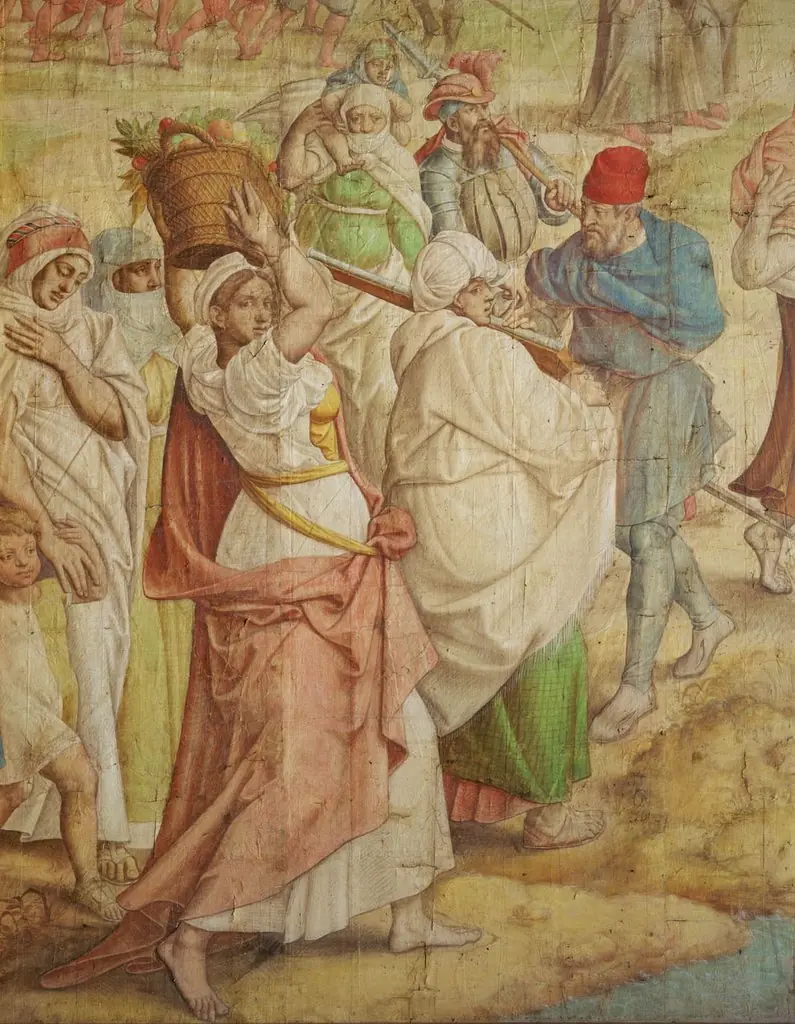 Kriegszug Kaiser Karls V. gegen Tunis (1535): Auszug des Heeres aus Tunis
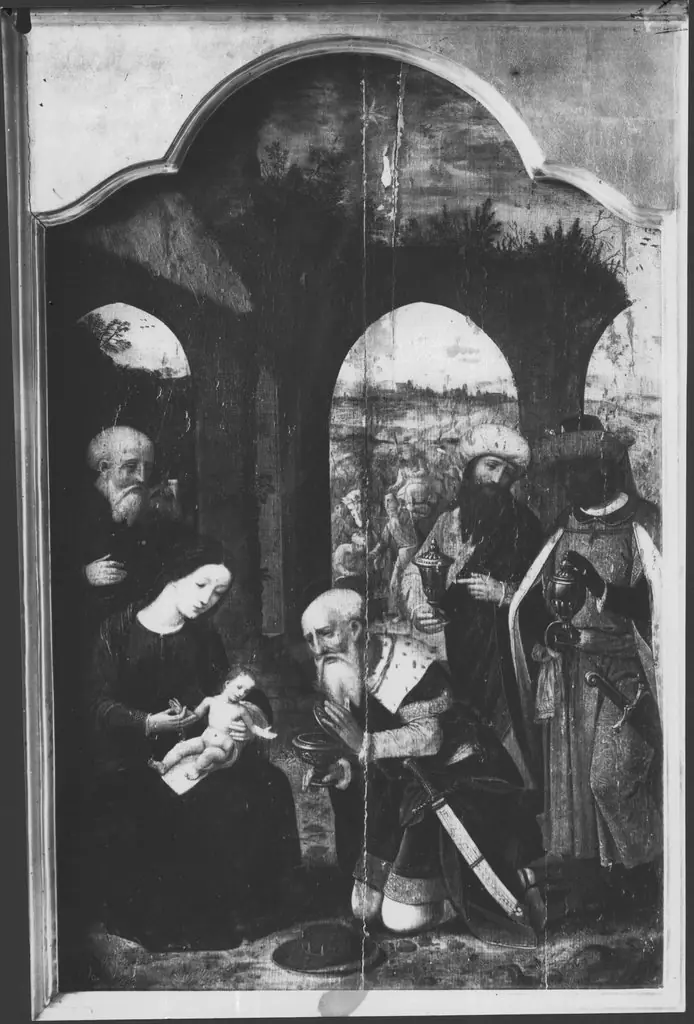 Adoration of the Magi
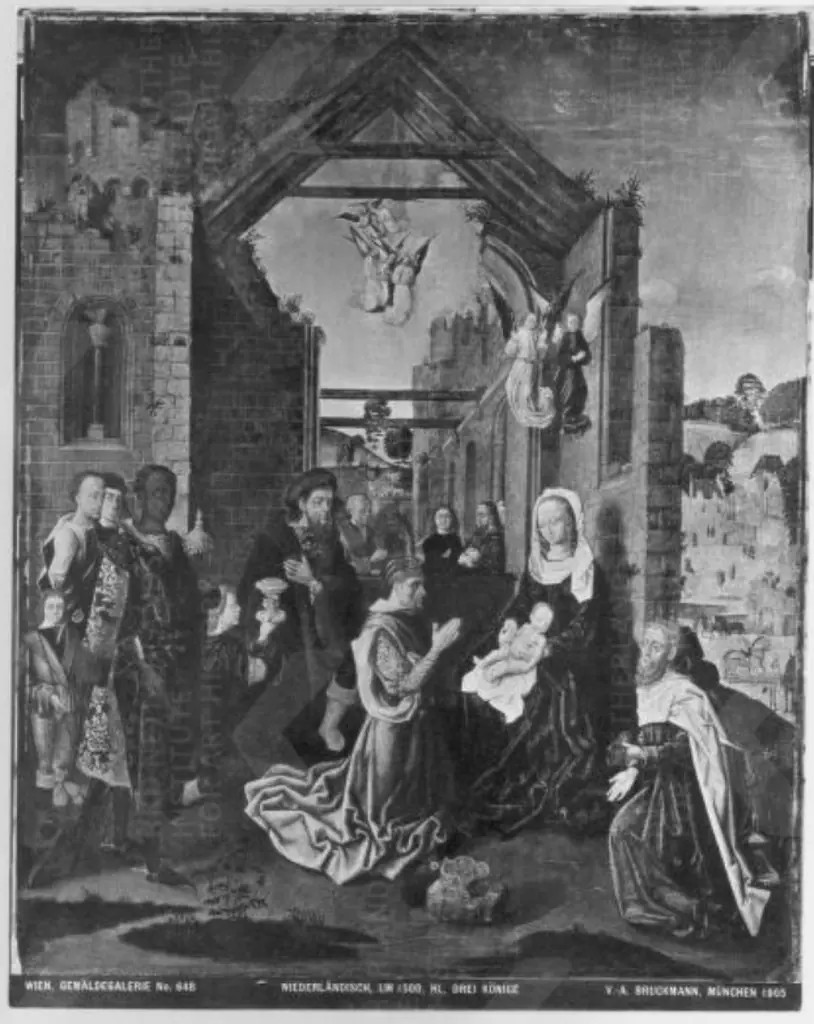 De aanbidding van de Wijzen
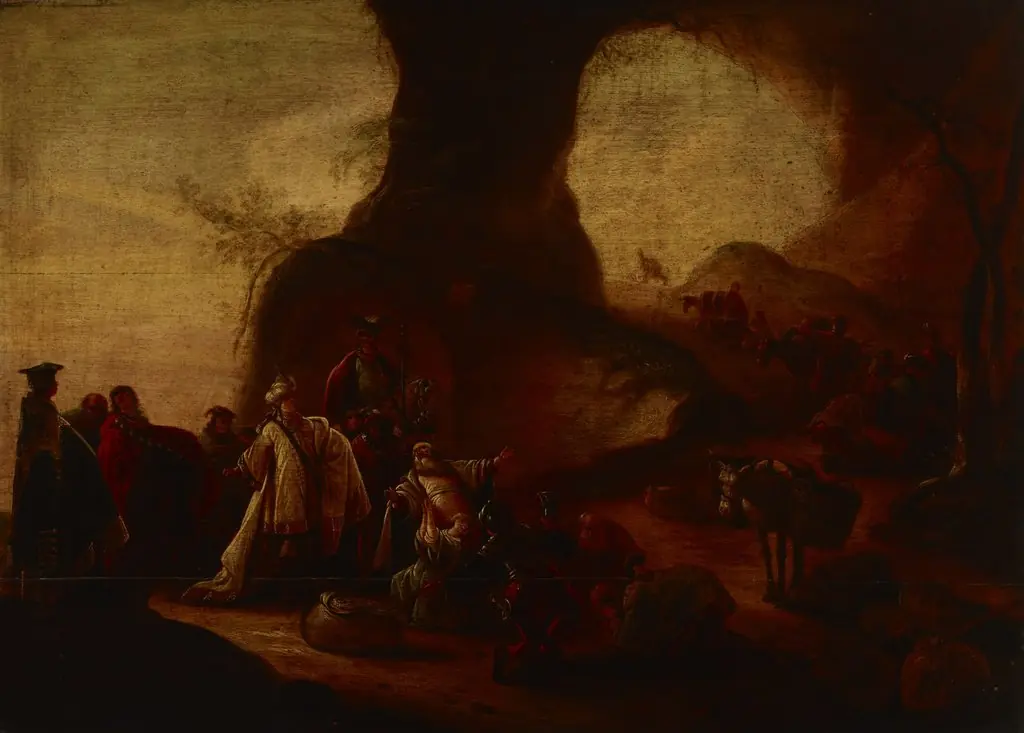 Discovery of the Joseph's Silver Cup in Benjamin's Sack
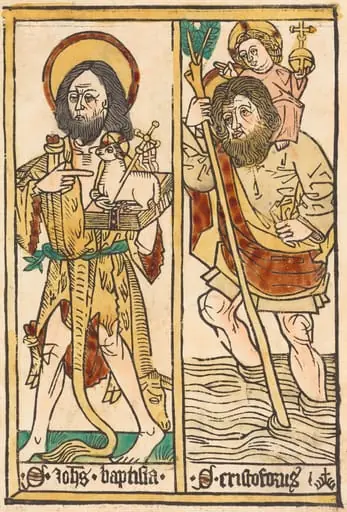 Saint John the Baptist and Saint Christopher
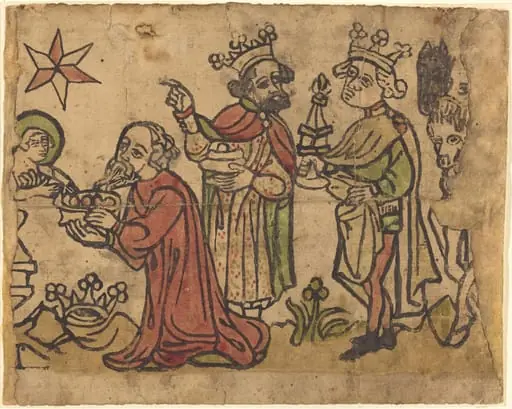 The Adoration of the Magi
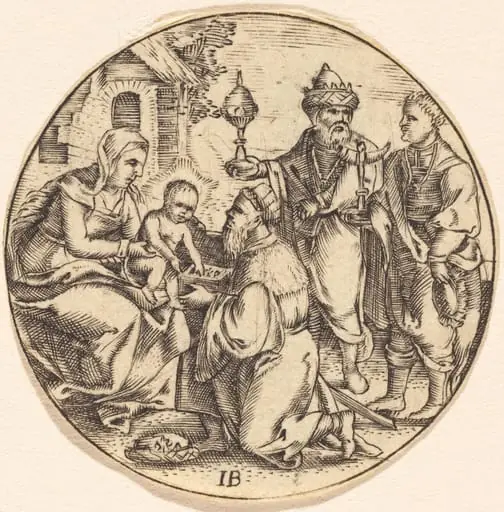 The Adoration of the Magi
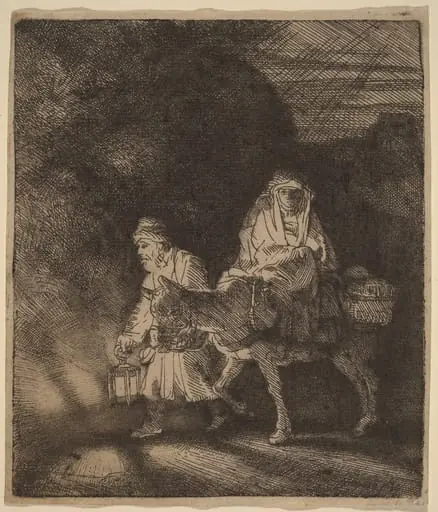 The Flight into Egypt: a Night Piece
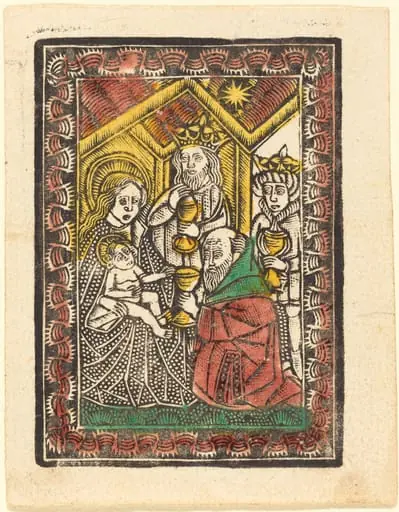 The Adoration of the Magi
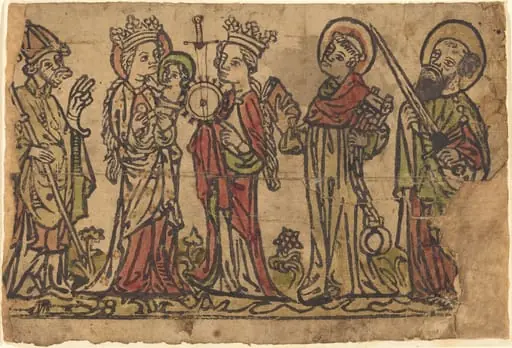 Madonna and Child with Four Saints
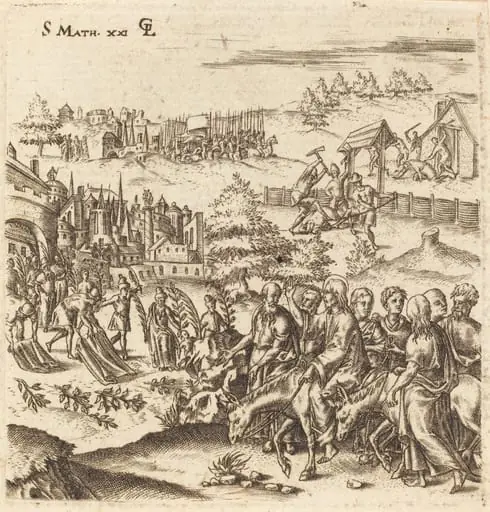 The Entry into Jerusalem
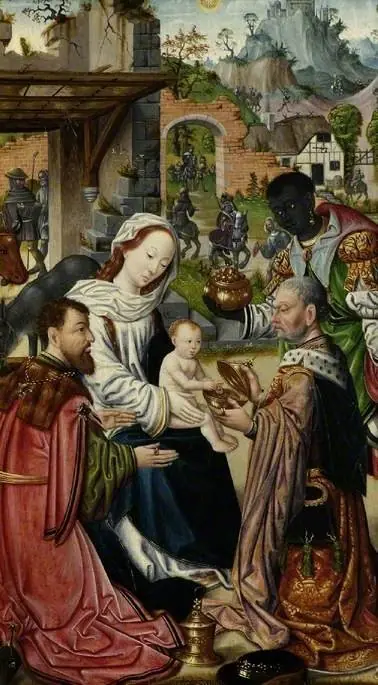 Adoration of the Kings (polyptych)
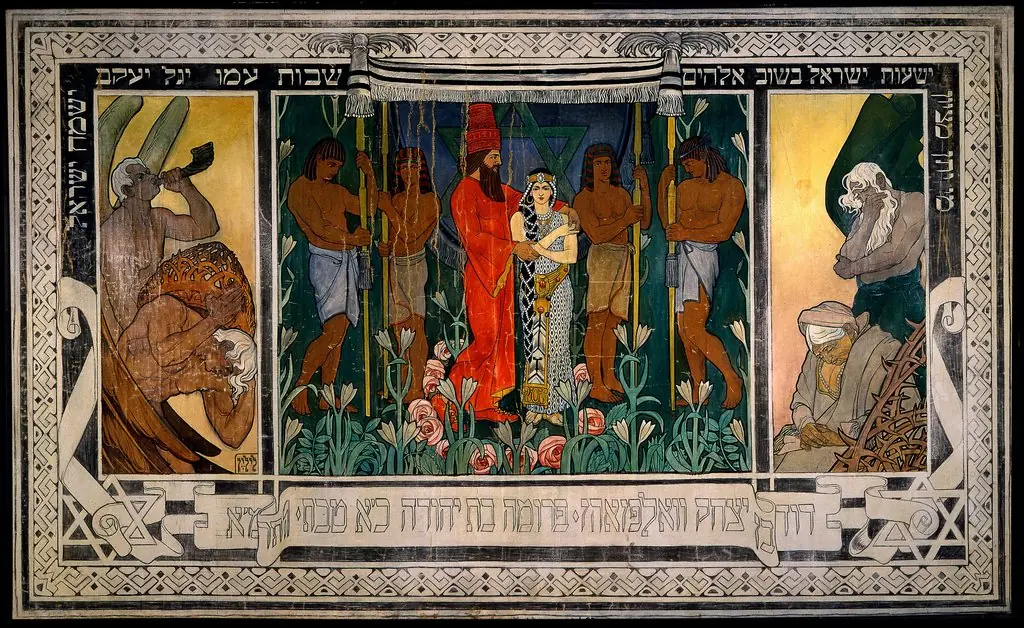 An Allegorical Wedding- Sketch for a carpet dedicated to Mr. and Mrs. David Wolffsohn Triptych (from...
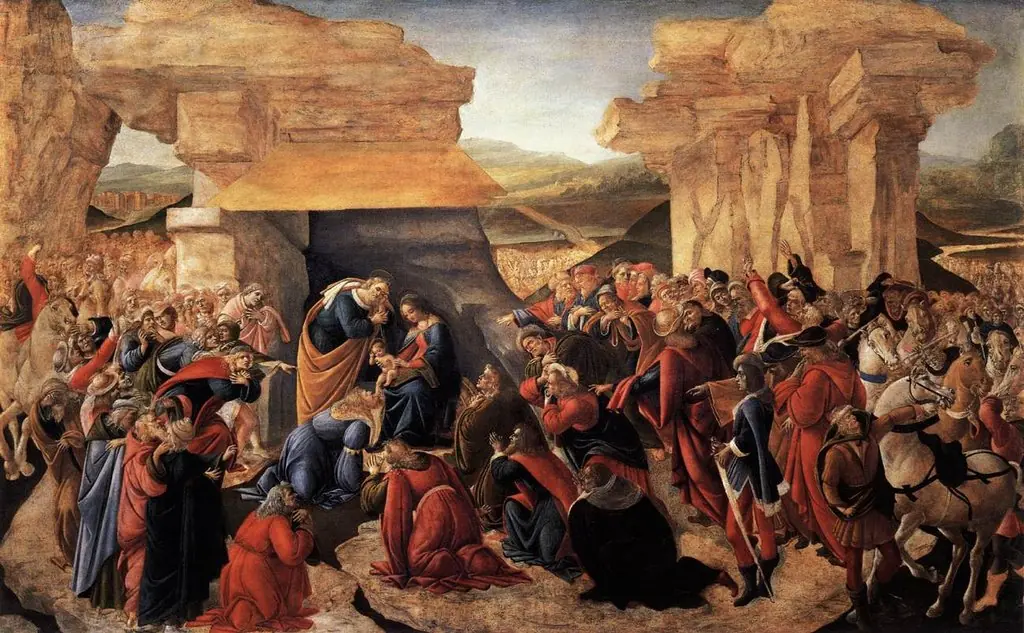 Adoration of the Magi
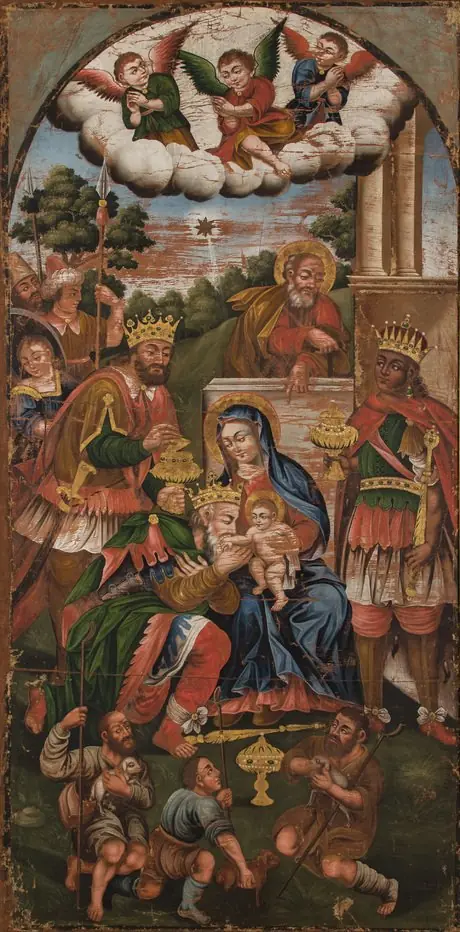 Մոգերի երկրպագությունը
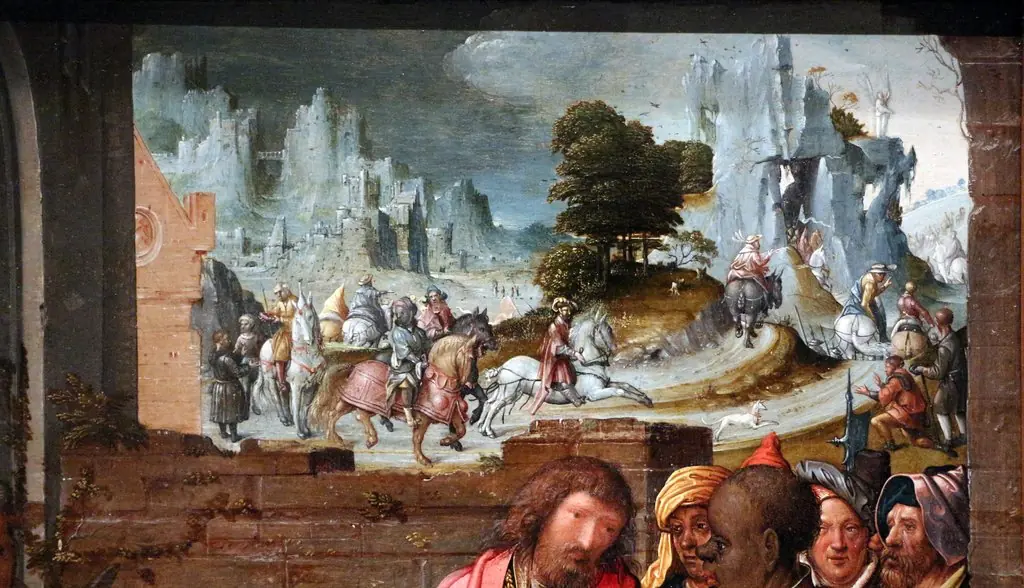 Adoration of the Magi
 The daughter of Zion
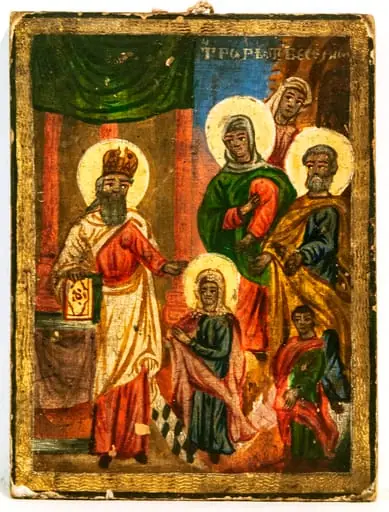 Icoana este pictată pe un suport de lemn de formă dreptunghiulară,cu scene din ciclul mariologic, pe o parte fiind scena "Nașterii Maicii Domnului" iar pe cealaltă "Intrarea Maicii Domnului în biserică". În iatacul deosebit, "loc sfânt", Ana este pe patul cu margini aurite, privind către Maria înfășată cu veșmânt aurit, ținută în brațe de o slujnică. În planul al doilea, Ioachim cu părul și barba albe, arată Cartea Sfântă. O altă slujnică pregătește scăldătoarea. Interiorul este sugerat prin câteva elemente(draperia, o coloană). Atât chipurile, cât și faldurile sunt tratate într-o manieră naivă,Chenarul dublu(6 mm aurit și 2mm cu maro), realizat prin incizie cu un obiect tare în grund. Pe suprafața icoanei se văd două galerii de cari. Paleta cromatică este variată, culorile de bază: roșu, verde, albastru, galben. Intrarea în Biserică o arată pe Maica Domnului copilă(avea trei ani) când a fost dusă la templu, așteptată de arhiereul Zaharia și însoțită de Sfinții Ei Părinți, Ioachim și Ana. Maria are pe umeri și pe cap cele trei stele simbolizând Fecioria, sub formă de flori stilizate prin puncte. Aureolele sunt aurite și dublate de un chenar alb. Conform erminiilor, Maria a fost însoțită de alte fecioare. În colțul din dreapta jos, posibil Arhanghelul Gavriil. Arhitectura templului este sugerată prin coloane, trepte și falduri. În partea de sus, albastrul cerului și un element de peisajcopac, munte). Cromatica și chenarul sunt identice cu fața 1. aceasta fiind mai puțin acoperită de impurități. Stratul pictural deteriorat, la colțuri și pe margini. Fața a doua prezintă o zgârietură cu un obiect tare.
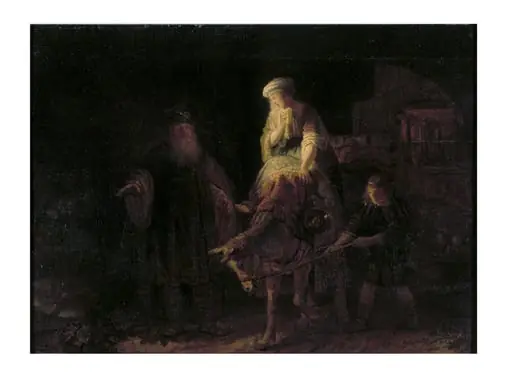 Abraham dismissing Hagar and Ishmael
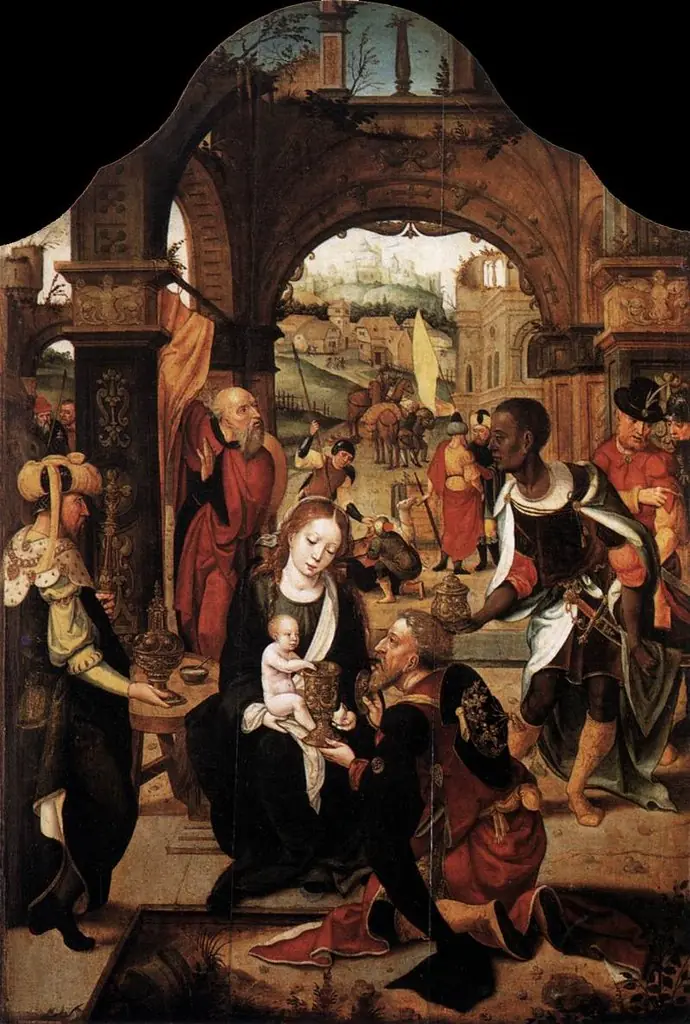 Anbetung der Könige
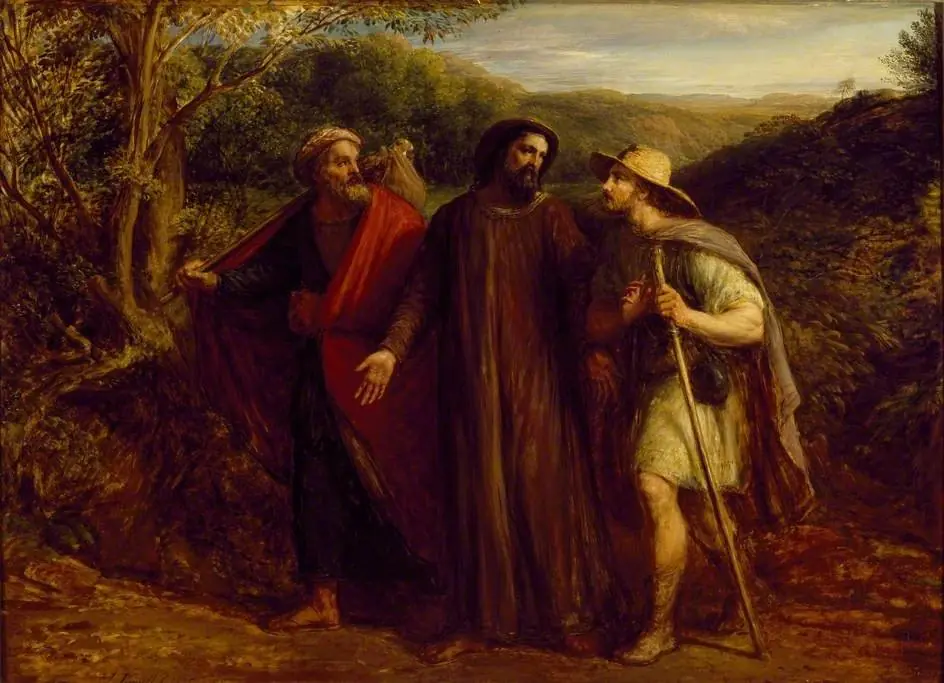 Christ's Appearance to the two Disciples journeying to Emmaus
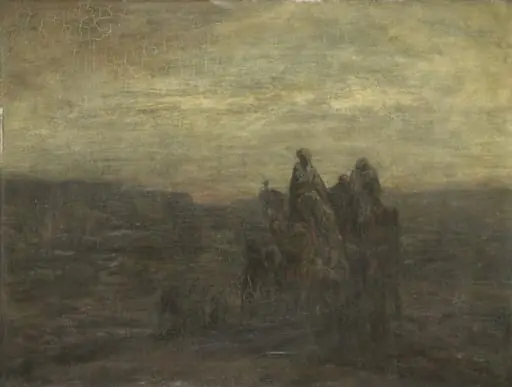 Caravan
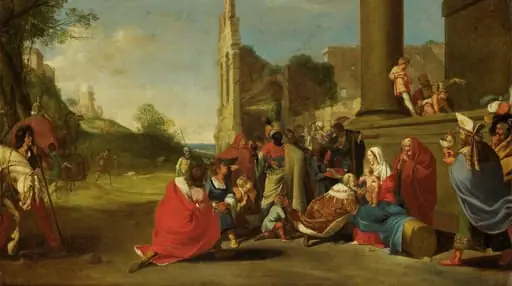 The Adoration of the Magi
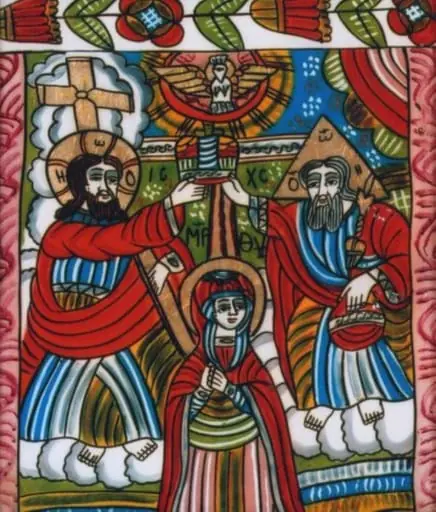 Încoronare Maicii Domnului
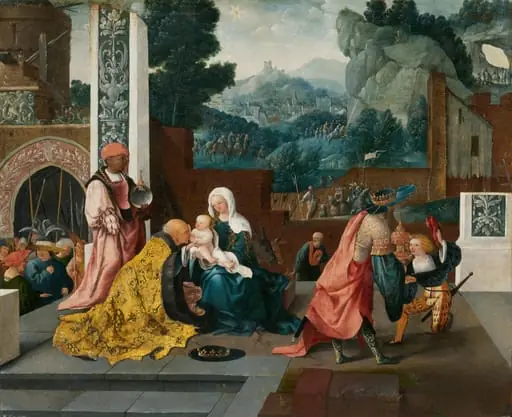 Adoration of the Magi
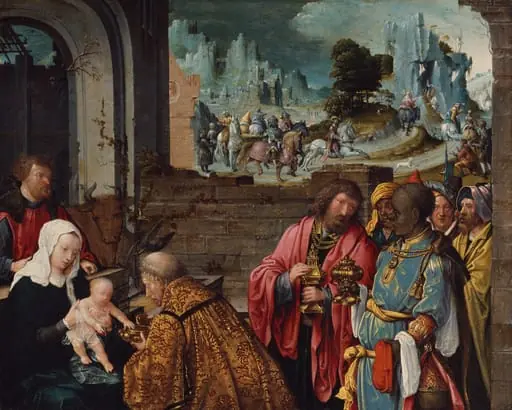 The Adoration of the Magi
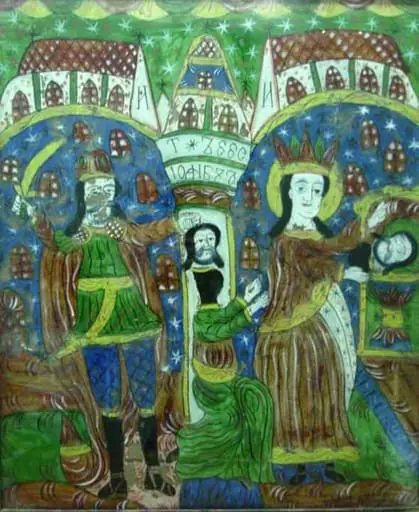 Tăierea capului Sfântului Ioan Botezătorul
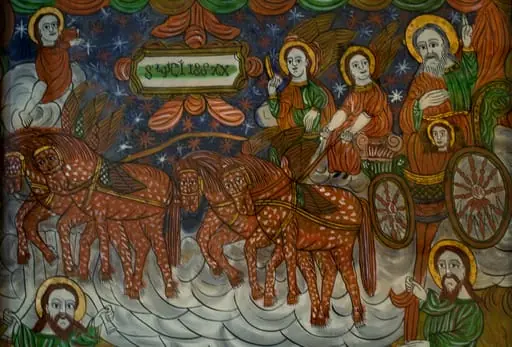 Icoa îmb
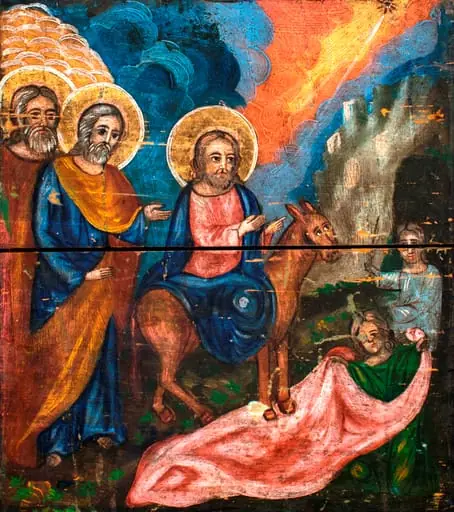 Pictura este deteriorată, din primul strat de pictură se observă puțin, pictura în ulei se pare că a adus modificări. În centrul compoziției Isus călare pe un asin cu capul întors, astfel încât i se văd ambii ochi. Isus ține mâinile întinse către mulțimea sugerată de două personaje care își așează veșmintele pe jos ca Mântuitorul să calce pe ele, în mâini având ramuri de finic. În spatele lui Isus vin ucenicii Săi, în frunte cu apostolul Petru și încă unul din apostoli, restul fiind sugerați într-un șir lung, din care se văd doar aureolele, mai multe decât numărul apostolilor. Norii învolburați despicați de lumina stelei pe un fond roșu, incandescent, nu sunt elemente specifice intrării în Ierusalim Părțile laterale indică faptul că icoana era asamblată într-un ancadrament. Intervenția cu culori de ulei se observă și în dârele de culoare neagră prelinse de pe latura de sus. Aceasta mai atestă faptul că intervenția s-a făcut când icoana era fixată într-o poziție verticală. Pe spate este aplicată o culoare roz.
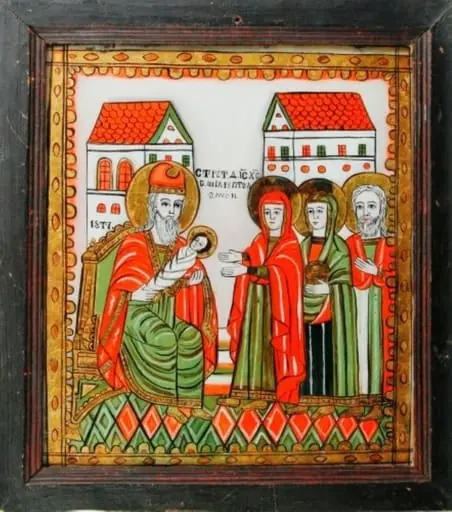 Stretenie (Întâmpinarea Domnului)
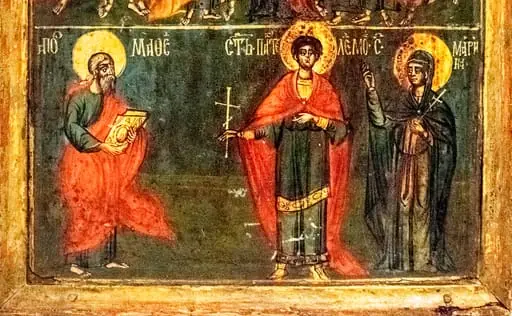 Icoaocto
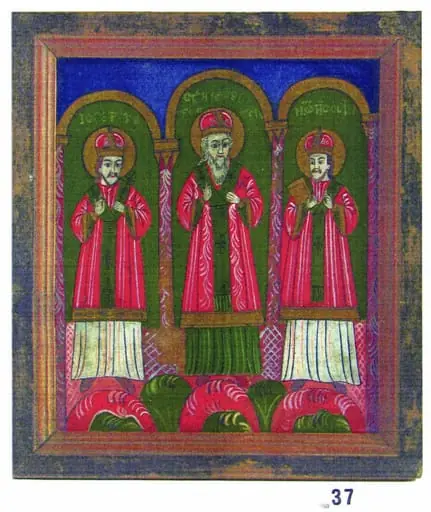 Sfinții trei ierarhi Vasile, Grigore și Ioan
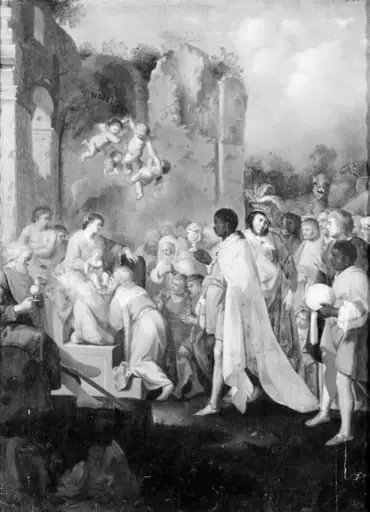 The Adoration of the Kings
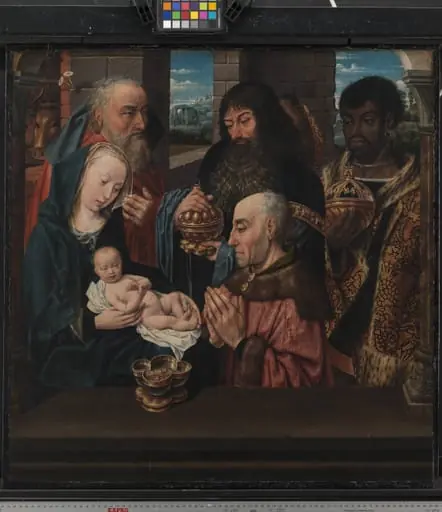 The Adoration of the Kings
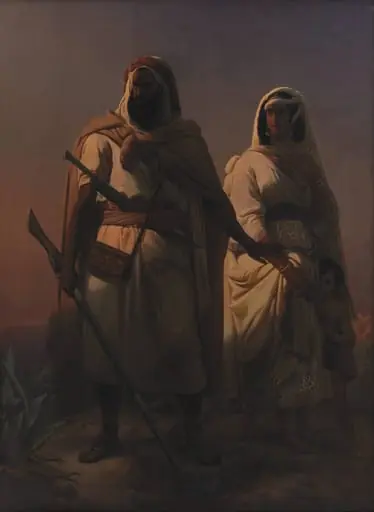 An Arab Family in the Desert
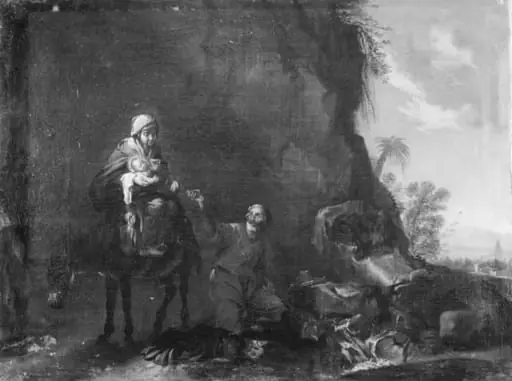 The Flight into Egypt
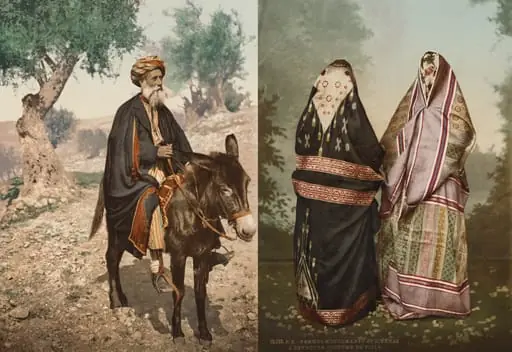 Femmes musulmanes Syriennes à Beyrouth, Costume de Ville
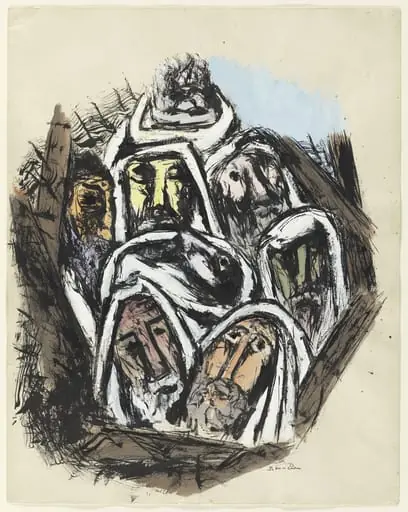 Untitled
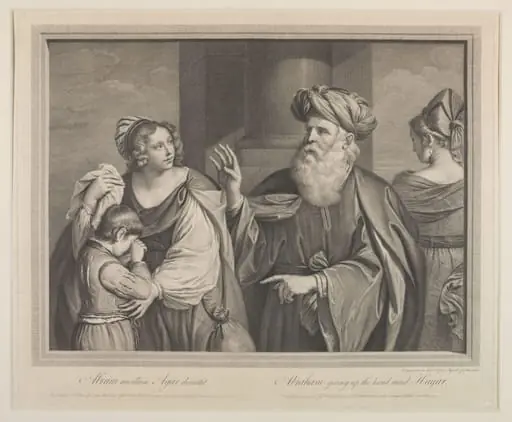 Abraham giving up Hagar